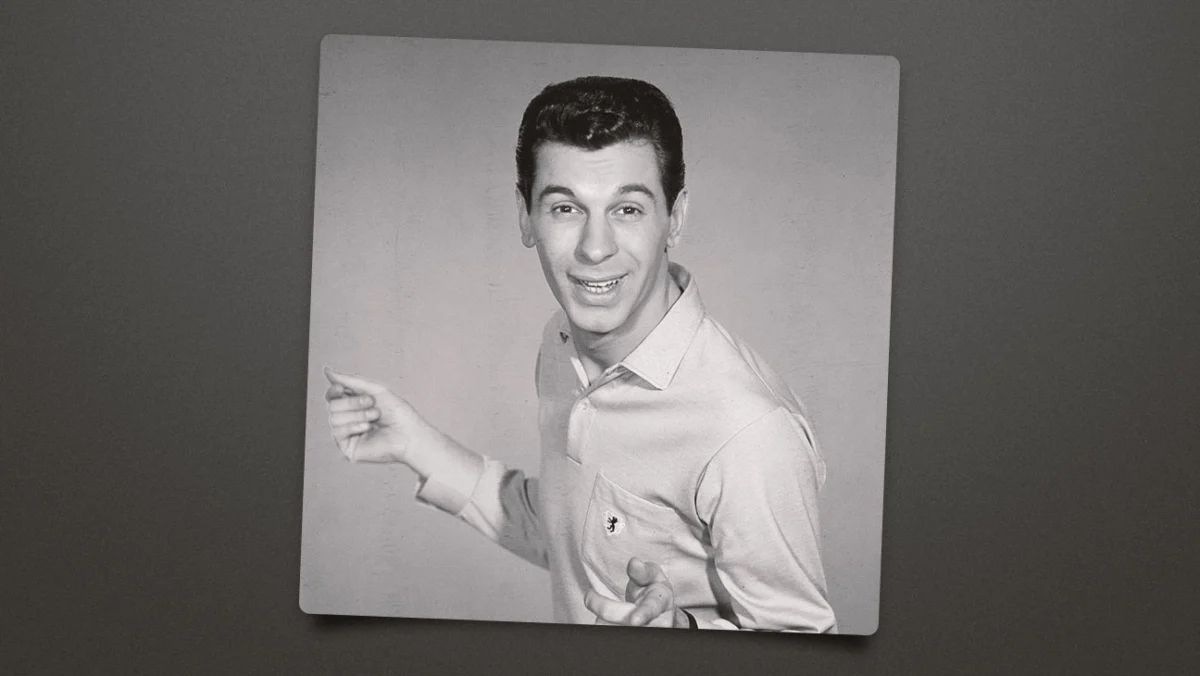
Freddy Cannon, the charismatic rock and roll pioneer known for his high-energy performances and iconic chart-topping singles such as “Palisades Park” and “Tallahassee Lassie,” has died at the age of 89. The influential musician, whose distinctive sound helped define the early years of rock and roll, passed away on Friday, July 12, 2024, at a hospice facility in California.
The news of Cannon’s passing was confirmed by his longtime friend, iHeart Radio’s Tom Cuddy. According to Cuddy, the beloved entertainer had been scheduled for an interview with legendary DJ Cousin Brucie Morrow on July 11 but was admitted to the hospital just a day prior to the appearance. His death marks the end of an era for many who grew up with his infectious, driving rhythms and memorable melodies.
The Rise of Freddy "Boom Boom" Cannon
Born Frederick Anthony Picariello Jr. on December 4, 1936, in Lynn, Massachusetts, Cannon cultivated his passion for music from a young age. His early foray into the local music scene of Lynn laid the groundwork for a career that would span decades. He earned the indelible nickname “Freddy ‘Boom Boom’ Cannon” for his dynamic stage presence and the powerful, drum-heavy sound that characterized many of his recordings, a style that reverberated with the raw energy of burgeoning rock and roll.
Cannon’s journey to national prominence began with an early recording of a track titled "Tallahassee Lassie." The demo quickly caught the attention of Dick Clark, the powerful host and producer of American Bandstand, who recognized its raw appeal and potential. Clark’s encouragement prompted Cannon and his wife, Jeanette, to relocate to Philadelphia in his late teens, placing him at the epicenter of a rapidly evolving music industry. This pivotal move proved instrumental in launching his career onto the national stage.
Chart-Topping Success and Cultural Impact
"Tallahassee Lassie" was officially released in 1959 and swiftly climbed the Billboard Hot 100, peaking at an impressive No. 6. This marked Cannon’s inaugural appearance on the prestigious charts and established him as a significant new voice in rock and roll. The song’s driving beat and youthful exuberance captured the zeitgeist of the late 1950s, resonating deeply with a generation of teenagers eager for energetic, danceable music.
The following year, Cannon made his debut on Dick Clark’s American Bandstand, a show that served as a crucial platform for emerging artists and a cultural touchstone for American youth. His appearances on the weekly dance program became legendary, with Freddy Cannon holding the record for the most guest spots by any musical artist, appearing a remarkable 110 times. This unprecedented visibility solidified his connection with his fan base and ensured his enduring popularity throughout the 1960s.
His most commercially successful single, “Palisades Park,” arrived in 1962, becoming his highest-charting track when it reached No. 3 on the Billboard Hot 100. The song, a vibrant ode to the iconic New Jersey amusement park, perfectly encapsulated the carefree spirit of summer and youth. Its distinctive sound, often featuring carousel-like organ melodies and carnival sound effects, evoked a powerful sense of nostalgia and escapism, making it an enduring anthem for generations. The track’s success cemented Cannon’s reputation as a master of creating catchy, narrative-driven pop-rock.
A Legacy of Hits and Enduring Appeal
Beyond his two most famous songs, Freddy Cannon amassed a string of other memorable hits throughout his prolific career. These included the energetic 1960 singles “Jump Over” and “Chattanooga Shoe Shine Boy,” which further showcased his signature "Boom Boom" style. The 1960s continued to be a fertile period for Cannon, with tracks like 1964’s “Abigail Beecher,” 1965’s “Action” (a nod to the popular TV show Where the Action Is, on which he also appeared), and 1966’s poignant “The Dedication Song” adding to his impressive discography. Each song contributed to his distinctive sound – a blend of rockabilly, rhythm and blues, and pop that was both raw and polished.
Cannon’s music was characterized by its infectious optimism and relentless rhythm, qualities that endeared him to audiences and cemented his place among the pantheon of early rock and roll stars. His ability to craft songs that were both commercially appealing and authentically rock and roll allowed him to navigate the evolving musical landscape of the late 1950s and 1960s, a period of significant transition in American popular music. He was part of a wave of artists who brought rock and roll into mainstream American homes, bridging the gap between its rebellious roots and its broader acceptance.
Beyond the Music: Memoir and Screen Appearances
In addition to his storied musical career, Cannon also ventured into other creative endeavors. In 2011, he released his memoir, aptly titled Where the Action Is!, offering fans an intimate look into his life and career. The title was a direct reference to the popular 1960s television series Where the Action Is, where Cannon was a regular performer, further extending his reach beyond the recording studio.
His screen credits also included roles in films such as No Time for Sergeants, a 1964 comedy starring Andy Griffith, and the 1965 science fiction film Village of the Giants. He also appeared in Never Too Young and, in later years, on the horror host show Svengoolie, demonstrating his enduring appeal and willingness to engage with diverse entertainment platforms. These appearances allowed him to connect with new audiences and showcased his versatility as an entertainer.
Personal Life and Lasting Impact
Freddy Cannon’s personal life was marked by both joy and recent sorrow. He was preceded in death by his son, John, who passed away in April 2024, and his beloved wife, Jeanette, who died earlier in 2024. These recent losses undoubtedly weighed heavily on the veteran performer in his final months.
He is survived by a loving family, including his children Conny Weber and Billy Cannon; his sister, Mary Lou; his son-in-law, Jim; his daughter-in-law, Beth; five grandchildren; and seven great-grandchildren. The enduring legacy of Freddy Cannon, the rock and roller, lives on not only through his cherished family but also through the timeless music that continues to resonate with fans worldwide. His energetic performances and chart-topping hits remain a vibrant testament to his unique contribution to the golden age of rock and roll, ensuring that the "Boom Boom" sound will continue to echo for generations to come.