Nearly three decades after their tragic deaths, the opulent Suite Impériale at the Ritz Paris, where Princess Diana and Dodi Fayed spent their final hours together, remains available for booking by guests, some of whom are reportedly drawn by its somber historical connection rather than solely its lavish amenities. This premier accommodation, a site steeped in both unparalleled luxury and profound sorrow, commands a nightly rate ranging from $60,500 to $80,000 during peak seasons, attracting a clientele with diverse motivations, from seeking ultimate indulgence to a controversial fascination with its place in royal history.
A Poignant Relic of History and Luxury
The 218-square-meter Suite Impériale, nestled within the iconic Ritz Paris, has long been celebrated as one of the world’s most prestigious hotel accommodations. Recognized as a French historic monument, its interiors are a breathtaking homage to the Palace of Versailles, featuring intricate gold-leaf detailing, expansive grand salons, and a distinctive red marble bathroom adorned with opulent gold-plated swan faucets. Even before its indelible link to Princess Diana, the suite symbolized Parisian grandeur and exclusive hospitality, a magnet for heads of state, celebrities, and discerning travelers seeking the pinnacle of luxury.
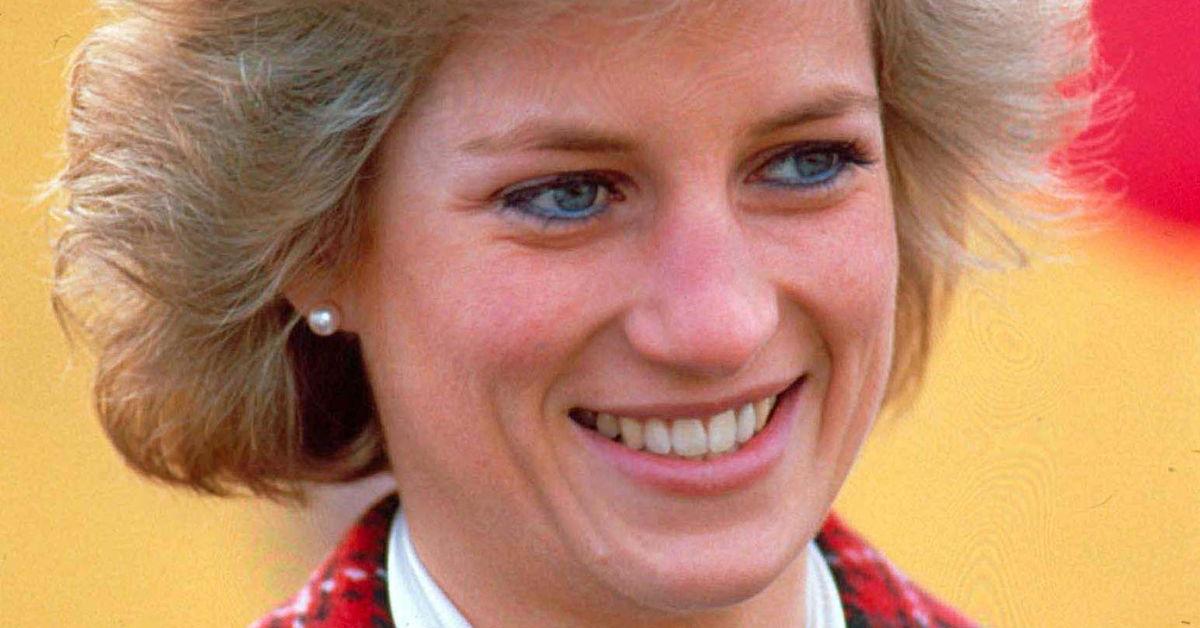
The staggering price point, reaching up to $80,000 per night, reflects not only the suite’s exquisite design and prime location but also its unique narrative. For those who choose to stay, the cost is a gateway to an experience that transcends mere comfort, offering a direct, tangible connection to a pivotal moment in modern history. The hotel, renowned for its discretion, continues to market the suite as a jewel of French heritage, yet its tragic association with the "People’s Princess" casts a long, unignorable shadow.
The Final Hours: Diana and Dodi Fayed at the Ritz
The story of Princess Diana and Dodi Fayed captivated the world in the summer of 1997. Their burgeoning romance unfolded under the relentless glare of the paparazzi, intensifying an already unprecedented level of public and media scrutiny on the Princess of Wales following her divorce from Prince Charles. Dodi Fayed, son of Egyptian billionaire Mohamed Al-Fayed, then owner of the Ritz Paris, brought Diana to the very heart of his family’s empire in the French capital. Their presence at the hotel on the evening of August 30, 1997, was a desperate attempt to evade the photographers who pursued them relentlessly.
That night, after a private dinner in the hotel’s Imperial Suite, Diana and Dodi made the fateful decision to leave the Ritz via a back exit, hoping to outmaneuver the waiting photographers. This plan tragically failed, leading to the high-speed car crash in the Pont de l’Alma tunnel that claimed their lives, along with their driver, Henri Paul, in the early hours of August 31. The suite, where they shared what would be their final private moments, became inextricably linked to this global tragedy, a silent witness to the prelude of an event that would shock the world and forever alter the course of royal history.

The Enduring Allure: Luxury, Legacy, and "Dark Tourism"
The persistent demand for Princess Diana’s Luxe Suite highlights a complex intersection of luxury travel and a phenomenon often termed "dark tourism" or thanatourism – the act of visiting sites associated with death and tragedy. While many guests are undoubtedly drawn by the suite’s unparalleled opulence and the Ritz’s legendary service, hospitality sources confirm that a significant portion are motivated by its historical connection to Diana’s last night.
"The suite attracts people for its luxury, but there is no escaping its place in history," a French hospitality source revealed. "Many guests are fascinated by the fact they are sleeping in the last room Diana occupied, and, even though it is extremely ghoulish, that fascination has never really disappeared." This sentiment underscores a broader human inclination to connect with historical events, even those marked by sorrow. For some, it’s a pilgrimage of sorts, a way to feel closer to a figure who profoundly impacted millions. For others, it’s a more morbid curiosity, an attempt to inhabit a space imbued with the echoes of a dramatic and untimely end.
Another source familiar with the hotel’s reputation added, "For some visitors it is about experiencing one of the world’s most exclusive hotel suites, while for others it is undeniably linked to Diana’s final hours. The room has become part of the mythology surrounding her life and death." This "mythology" refers to the enduring narrative surrounding Diana – her humanitarian work, her struggles within the monarchy, and her tragic demise – which continues to resonate deeply in public consciousness.
Preserving the Past: A Historic Monument
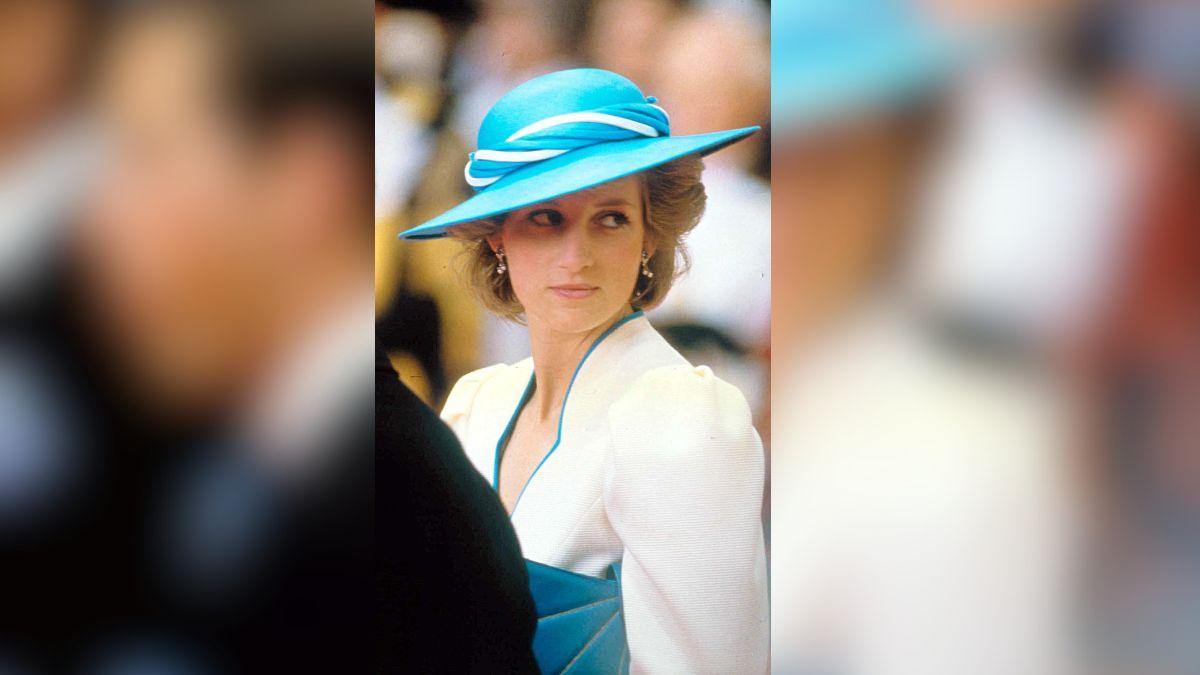
The Suite Impériale’s designation as a protected French historic monument plays a crucial role in its current state. This status mandates the preservation of many of its original features, ensuring that the décor and ambiance that greeted Diana and Fayed on their final evening together largely remain intact. This commitment to historical authenticity inadvertently enhances its appeal for those seeking a direct link to the past, offering a tangible connection to a moment frozen in time.
The Ritz Paris, as an institution, navigates a delicate balance. On one hand, it upholds its reputation as a beacon of luxury and discretion, offering an experience of unparalleled refinement. On the other, it implicitly acknowledges the suite’s unique, somber history, which has become an undeniable part of its allure. The hotel does not explicitly capitalize on the tragedy in its marketing, yet the historical weight of the suite is an open secret, a powerful, unspoken draw for a certain type of guest.
Diana’s Global Footprint: Beyond the Ritz
The fascination with places connected to Princess Diana extends far beyond the Ritz Paris. Across the globe, hotels and historic sites that once hosted the Princess of Wales often highlight their connection to her, sometimes even dedicating suites in her honor. These locations range from grand royal residences to more secluded private retreats, each offering admirers a different facet of her life story. Whether it was a stop on a royal tour, a private vacation, or a humanitarian mission, any space Diana occupied often retains a special significance for her many devotees.

This widespread interest underscores the depth of affection Diana inspired worldwide. "Diana inspired affection across the globe, so it is understandable that people want to visit places connected to her story," explained the hospitality industry source. However, the source also highlighted an "uncomfortable reality that some are drawn by the tragedy itself, and that continues to fuel interest in the room where she spent her final evening before leaving the Ritz." This distinction between celebrating her life and being drawn to her death remains a poignant aspect of her enduring legacy.
Ethical Considerations and Public Discourse
The commercialization of a site so intimately tied to a profound public tragedy often sparks ethical debate. Critics question whether it is appropriate to charge exorbitant fees for a room whose primary draw for many is its association with such a sorrowful event. The discussion revolves around the line between historical preservation and potential exploitation, and how hotels can respectfully manage such sensitive legacies. For many of Diana’s most devoted admirers, the thought of guests paying to occupy the space where she spent her last hours before her death can be unsettling, perhaps even disrespectful.
Yet, for others, visiting such sites is a way of paying homage, a form of historical engagement that allows them to reflect on the lives of public figures and the events that shaped their times. The public’s varied reactions reflect the complex and often contradictory ways in which society processes grief, memory, and celebrity.
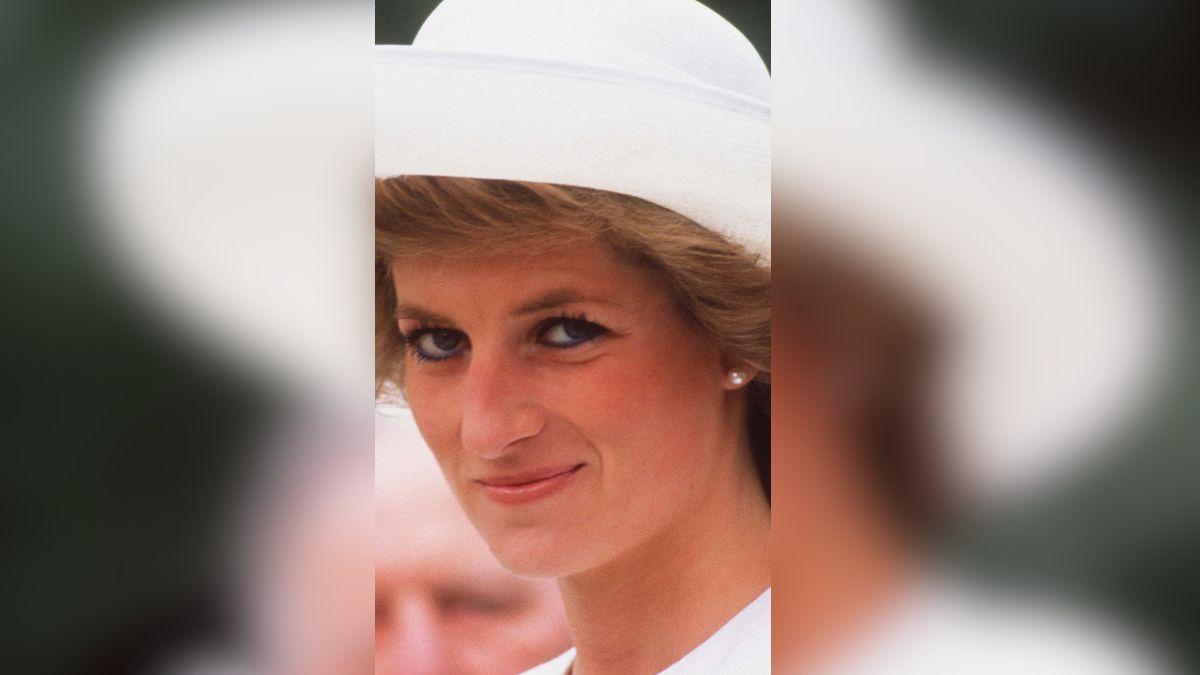
The Suite Impériale at the Ritz Paris stands as a unique monument, simultaneously a symbol of extravagant luxury and a poignant reminder of a global tragedy. Its continued availability and the diverse motivations of its guests underscore the enduring fascination with Princess Diana, her life, and her untimely death. As nearly three decades pass, the suite remains a powerful, silent sentinel, forever etched into the narrative of one of the 20th century’s most iconic figures, embodying both the grandeur of an era and the profound sorrow of a moment that changed history.