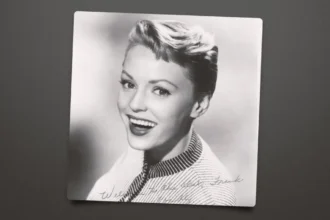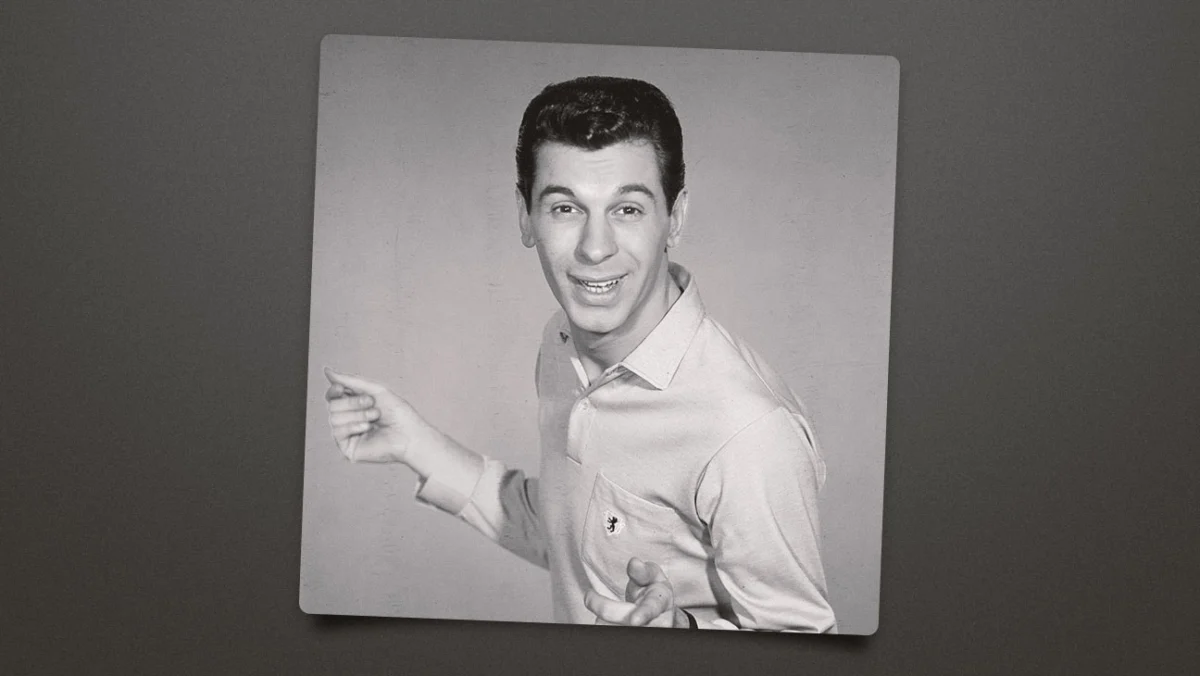
Freddy Cannon, the high-energy rock and roll pioneer whose signature hits “Palisades Park” and “Tallahassee Lassie” defined an era of youthful exuberance and captured the spirit of early American rock, has died at the age of 89. The influential singer passed away on Friday at a hospice facility in California, according to an announcement from his close friend, iHeart Radio’s Tom Cuddy. Cannon’s passing came just days before a scheduled interview with legendary DJ Cousin Brucie Morrow, an appearance that was canceled after the artist was hospitalized on July 10.
The Rise of Freddy "Boom Boom" Cannon
Born Frederick Anthony Picariello Jr. on December 4, 1936, in Lynn, Massachusetts, Freddy Cannon began his musical journey in the vibrant local scene of his hometown. His early exposure to rhythm and blues, coupled with a natural stage presence, set the foundation for a career that would span decades. He quickly developed a reputation for his dynamic, almost explosive, performance style, earning him the fitting nickname "Freddy ‘Boom Boom’ Cannon." This moniker was not merely a catchy stage name; it encapsulated the raw, percussive energy he brought to his recordings and live shows, often characterized by a driving beat and his distinctive vocal delivery.
The late 1950s were a transformative period for American popular music, with rock and roll solidifying its place in the cultural landscape despite moralistic backlashes. Amidst the rise of clean-cut teen idols and the lingering shadows of rockabilly pioneers, Freddy Cannon carved out a unique niche with his unadulterated, often raw, rock and roll sound. His music often evoked themes of teenage romance, summer fun, and classic American locales, resonating deeply with a burgeoning youth culture eager for anthems of their own.
Early Breakthroughs and Chart Dominance
Cannon’s breakthrough came with an early recording of a track titled "Tallahassee Lassie." This demo caught the attention of Dick Clark, the influential host of American Bandstand, who recognized the song’s infectious energy and commercial potential. Encouraged by Clark, Cannon and his wife, Jeanette, relocated to Philadelphia in his late teens, a move instrumental in launching his national career. The track was officially released in 1959, quickly becoming a sensation. "Tallahassee Lassie" climbed to an impressive No. 6 on Billboard’s Hot 100, marking Freddy Cannon’s first entry onto the prestigious charts and establishing him as a significant new voice in rock and roll. The song’s driving rhythm and Cannon’s enthusiastic vocals immediately cemented his "Boom Boom" persona in the public consciousness.
The success of "Tallahassee Lassie" paved the way for Freddy Cannon’s debut on American Bandstand in 1960. This initial appearance was merely the beginning of an extraordinary relationship with the iconic music program. Over the years, Cannon became a fixture on the weekly dance show, making a staggering and record-setting 110 appearances. This unparalleled frequency on American Bandstand not only solidified his status as a teen idol but also ensured his consistent visibility to millions of young Americans, making him one of the most recognized faces and voices of the early 1960s rock and roll scene. His frequent presence allowed him to introduce new material directly to his target audience and maintain a strong connection with his fan base.
"Palisades Park" and Enduring Hits
While "Tallahassee Lassie" introduced him to the world, it was "Palisades Park" that would become Freddy Cannon’s enduring anthem and highest-charting single. Released in 1962, the song, penned by future game show impresario Chuck Barris, perfectly captured the nostalgic joy of an amusement park date. With its vivid lyrical imagery and Cannon’s spirited delivery, "Palisades Park" soared to No. 3 on the Billboard Hot 100, becoming a timeless classic that evokes summer nights and innocent romance. The song’s narrative quality and catchy melody ensured its longevity, making it a staple on oldies radio stations for decades.
Freddy Cannon’s hit-making prowess extended beyond these two iconic tracks. His discography is dotted with a string of energetic singles that further showcased his distinctive sound. In 1960, he delivered "Jump Over" and "Chattanooga Shoe Shine Boy," both embodying the upbeat, danceable rhythms that defined his style. As the 1960s progressed, Cannon continued to adapt and release popular songs, including "Abigail Beecher" in 1964, "Action" in 1965 (which also served as the theme song for the popular music show Where the Action Is!), and "The Dedication Song" in 1966. These tracks, among many others, solidified his reputation as a consistent hitmaker and a stalwart of the rock and roll genre during a period of rapid musical evolution.
A Legacy Beyond the Charts
Freddy Cannon’s influence extended beyond his musical recordings. His dynamic stage presence and charismatic personality made him a natural fit for television and film. He appeared in several screen productions, including No Time for Sergeants, the cult classic Village of the Giants, Never Too Young, and the horror-host staple Svengoolie. These appearances allowed him to showcase his versatility and maintain a public profile even as musical tastes shifted. His memoir, titled Where the Action Is!, released in 2011, provided fans with a firsthand account of his storied career, offering insights into the golden age of rock and roll and his personal journey through the music industry. The memoir title itself was a nod to the popular television series of the same name, which he was also a part of, further intertwining his professional and personal narratives.
Cannon’s impact on popular culture lies in his ability to craft songs that were not just hits but became cultural touchstones. "Palisades Park," in particular, transcended its initial chart success to become a quintessential piece of American nostalgia, embodying a simpler, more innocent era of teenage life. His music continues to be celebrated at oldies concerts and on classic rock radio, reminding generations of his unique contribution to the soundtrack of the 1950s and 1960s. He remained an active performer on the oldies circuit for decades, delighting audiences with his timeless hits and enduring energy, a testament to his lasting appeal.
Remembering Freddy Cannon
The news of Freddy Cannon’s death prompted an outpouring of remembrance from fans and figures in the music industry. His friend Tom Cuddy’s announcement underscored the suddenness of his decline, highlighting the poignant cancellation of his planned interview with Cousin Brucie Morrow, a fellow icon of the era who often championed Cannon’s music. His passing marks the loss of a genuine rock and roll pioneer, a performer whose infectious enthusiasm and memorable songs left an indelible mark on music history.
Freddy Cannon is survived by his children, Conny Weber and Billy Cannon; his sister, Mary Lou; son-in-law, Jim; daughter-in-law, Beth; five grandchildren; and seven great-grandchildren. He was preceded in death by his son, John, who passed away in April, and his beloved wife, Jeanette, who died earlier in 2024. The passing of Freddy Cannon closes a significant chapter in the annals of rock and roll, but his legacy, embodied by the timeless energy of his "Boom Boom" sound and the enduring appeal of his classic hits, will continue to resonate with music lovers for generations to come. His music remains a vibrant testament to the pure, unadulterated joy of early rock and roll.