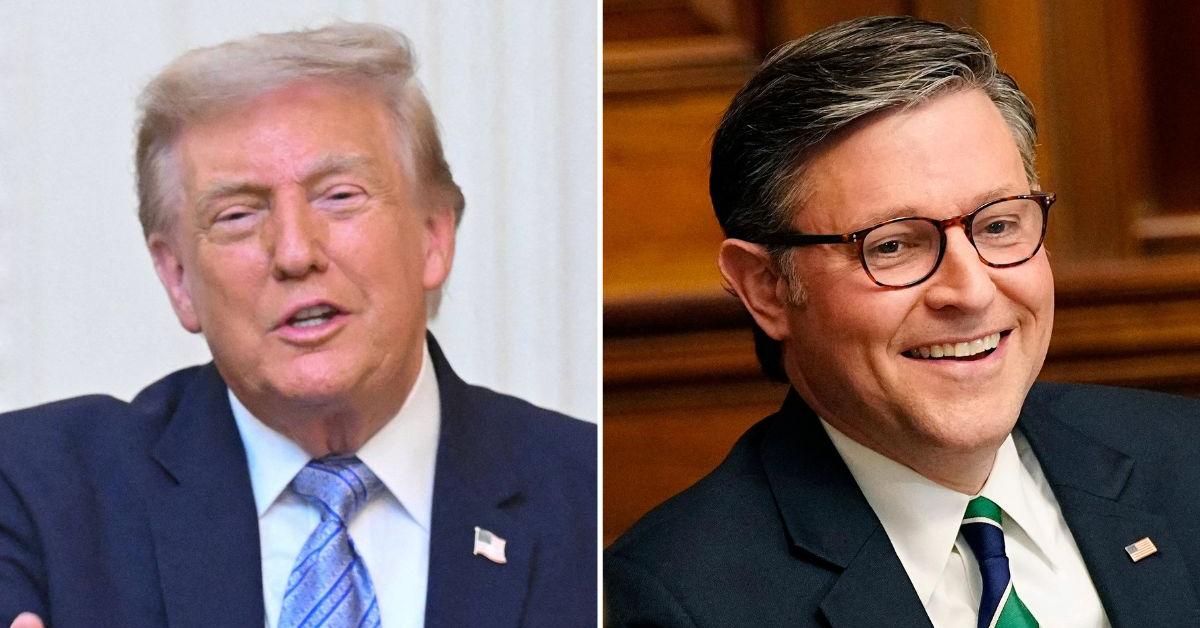
House Speaker Mike Johnson consistently fields late-night phone calls from former President Donald Trump, a pattern that observers note underscores Trump’s well-documented nocturnal communication habits and his enduring, direct influence over Republican leadership. These frequent late-night calls highlight a distinctive dynamic within the GOP, illustrating an expectation for top allies to maintain round-the-clock availability for the former commander-in-chief.
Johnson, who navigates one of Washington’s most demanding communication loads, reportedly faces an overwhelming influx of messages, including 1,477 unread text messages and 829 unheard voicemails, as detailed in a recent Wall Street Journal feature. Despite this intense volume, the Louisiana Republican prioritizes calls from Trump, even when they arrive deep into the night. This immediate accessibility to the former president offers a rare glimpse into the unique pressures and expectations placed upon a key congressional leader in Trump’s orbit.
The Distinctive Dialogue of Trump’s Late-Night Calls
The nature of these late-night calls to Mike Johnson often begins with a familiar, playful yet pointed inquiry from Trump. Johnson recounted to the Journal that Trump frequently initiates conversations by asking, "Mikey, are you sleeping?" Johnson’s usual reply, "No, not really," is often met with Trump’s characteristic retort, "Yes, you are, Mike. I can always tell when you’re sleeping." The Speaker then typically shifts the discussion to the matter at hand, stating, "I’m up now. What do you got? What’s going on?" This exchange reveals an informal yet commanding communication style that permeates Trump’s interactions with his most crucial political allies.
This pattern of direct, often unscheduled, engagement is not new to the former president. During his first term, Trump’s nocturnal White House pattern was widely reported. Accounts from journalists Maggie Haberman and Jonathan Swan in their book, Regime Change: Inside the Imperial Presidency of Donald Trump, detailed Trump’s tendency to remain active into the early morning hours. He was known to post frequently on his social media platform, Truth Social, often well past midnight, sometimes as late as 2 or 3 a.m., before resuming activity just a few hours later.
Trump’s Unconventional Schedule and Executive Time
The former president’s official schedule during his time in office frequently listed "Executive Time" in the traditional morning slots, a clear indication of his unconventional work habits. Aides from his first administration reportedly learned that difficulty reaching Trump between 8 and 10 a.m. often signaled that he had been awake throughout the night, engaged in phone calls, watching television, or both. Haberman and Swan noted that while Trump had "never been a big sleeper," staff believed he was sleeping "even less" during the latter part of his presidency, suggesting a sustained and intensifying nocturnal routine.
This distinctive rhythm underscores a leadership style that operates outside conventional office hours, emphasizing direct, often spontaneous, communication over structured, daytime meetings. For political figures like Speaker Johnson, this means an implicit expectation of constant readiness, a demand that adds another layer of complexity to an already high-pressure role.
Broader Reach of Trump’s Late-Night Outreach
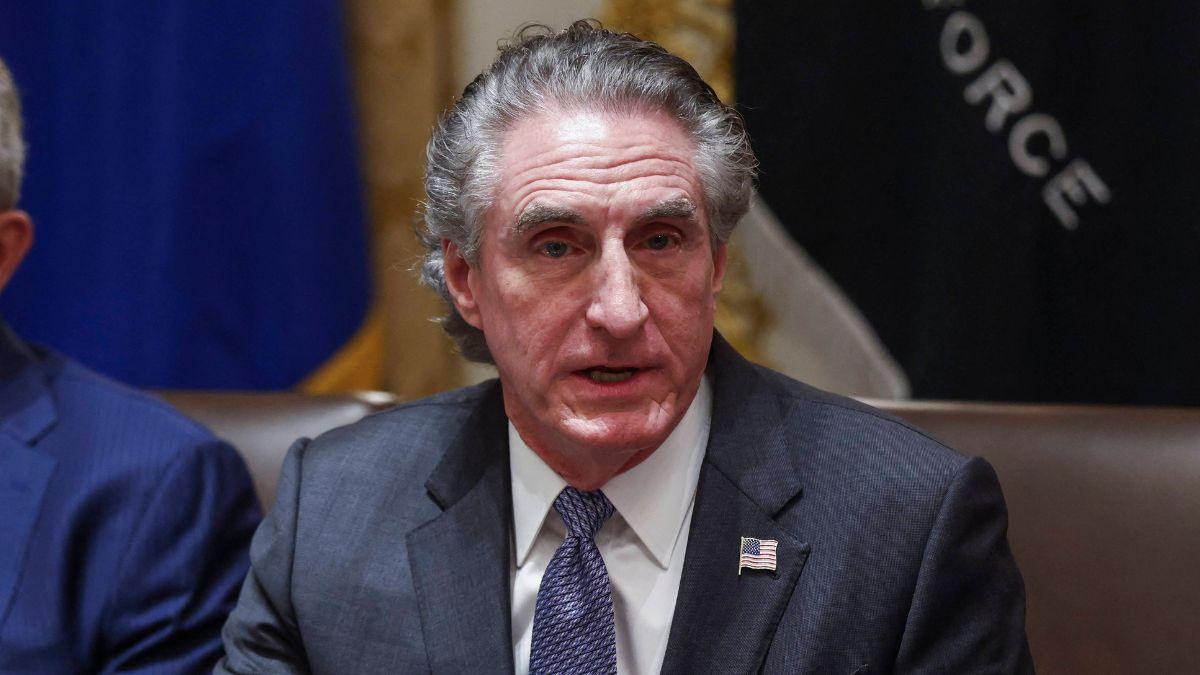
The pattern of Donald Trump’s late-night calls extends beyond congressional leaders, reaching into other spheres of his political and personal network. Interior Secretary Doug Burgum, a former presidential candidate and prominent Trump ally, shared similar anecdotes during an appearance on "The Katie Miller Podcast." Burgum recounted receiving calls from Trump as late as 2 a.m. while they were collaborating on the campaign trail. He noted that in the month prior to the interview, his latest call from Trump had been at 11:45 p.m.
Burgum described Trump as "always very polite," typically initiating these calls with a courteous inquiry: "I didn’t wake you up, did I?" This consistent opening suggests an awareness, albeit a performative one, of the late hour. Burgum also noted that the earliest call he had received from Trump in the preceding month was at 8 a.m., further illustrating Trump’s preference for later hours in his communication schedule.

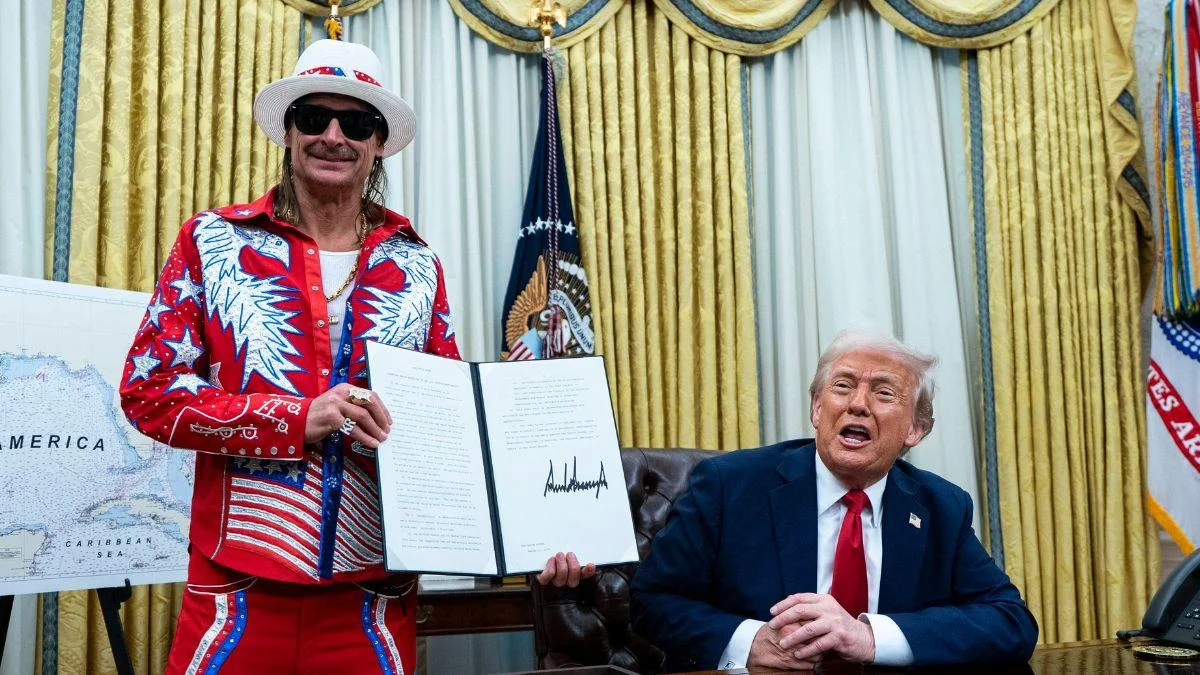
Even outside the formal political realm, Trump maintains these late-night connections. Musician Kid Rock, whose real name is Bob Ritchie, revealed in an interview with Sky News Australia that he frequently calls Trump late at night after having "some beers" for casual conversation, or "to shoot the s—." Rock explained his understanding of Trump’s schedule, stating, "If I’m sitting around having some beers, if it’s like 11, 12 on a Friday or Saturday, I know he’s up. He sleeps like me, he sleeps five hours." Rock clarified that these discussions are informal and not policy-focused, humorously noting, "He’s not calling me to [ask], ‘Hey, what should we do in Iran, Bob?’" These accounts, from both political and non-political figures, collectively reinforce the widespread nature of Trump’s late-night communication habits.
Implications for Political Leadership and Governance
The consistent reporting of Trump’s late-night calls to key political figures such as Speaker Johnson, as well as cabinet members and even celebrities, paints a comprehensive picture of a distinctive and influential leadership style. This round-the-clock expectation places significant demands on his allies, irrespective of their own personal schedules or potential time zone differences. For Johnson, this means maintaining a constant state of readiness, adding another layer of pressure to his already demanding role as House Speaker.
This communication pattern signifies Trump’s deep and personal engagement, demonstrating a hands-on approach that often operates on an unconventional timetable. Analysts suggest this direct line of communication allows Trump to exert continuous influence over party strategy, legislative priorities, and public messaging, even as a former president. By bypassing traditional intermediaries and formal channels, these calls accelerate decision-making processes or, at the very least, ensure Trump remains at the epicenter of ongoing political discourse and strategic maneuvers.
Maintaining Influence and the Political Landscape
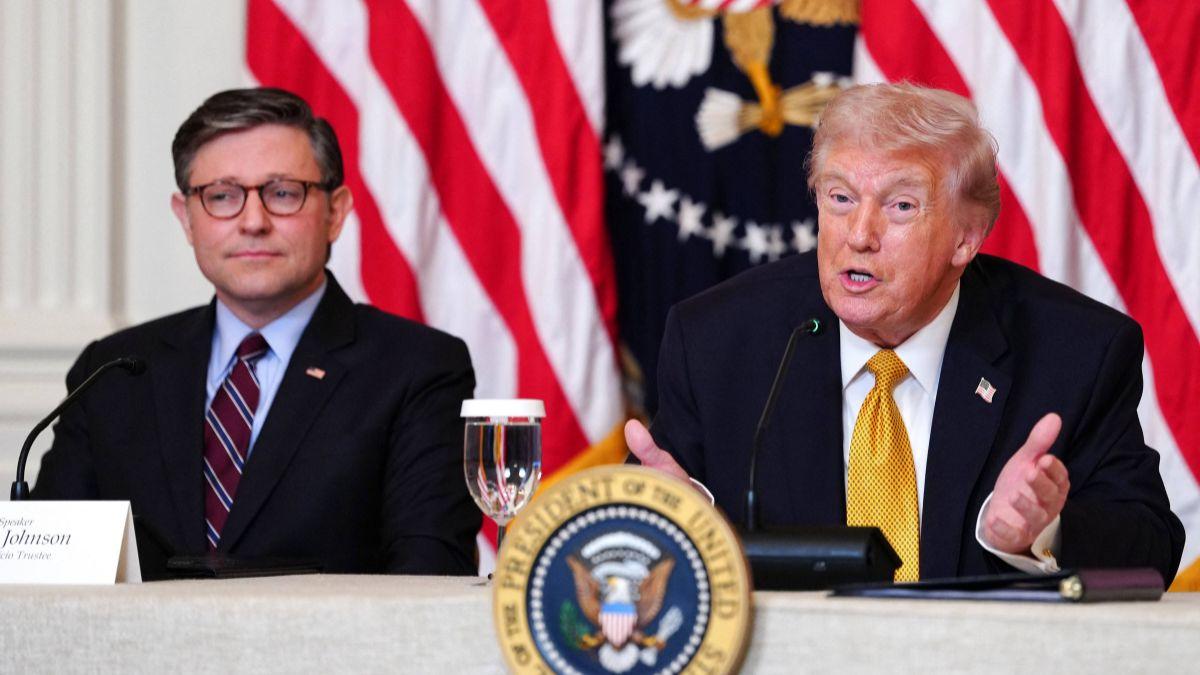
The revelations about late-night calls to Mike Johnson and others are not merely anecdotal; they represent a critical informal communication channel for Donald Trump. As a former president and a dominant figure in the Republican Party, and a potential future presidential candidate, maintaining such direct, personal lines of communication with top legislative figures and key allies allows him to sustain and amplify his political relevance. This direct access serves as a potent mechanism for influencing the Republican agenda, shaping public narratives, and ensuring loyalty among his political base.
This approach contrasts sharply with more conventional presidential communication strategies, which typically rely on structured meetings, formal briefings, and established chain-of-command protocols. Trump’s method, characterized by spontaneous, late-hour outreach, emphasizes personal connection and immediate feedback, which can be both a source of strength in forging alliances and a potential challenge for maintaining consistent, coordinated messaging across a large political apparatus.
Public Perception and the Demands of Modern Politics
The insights into Trump’s nocturnal habits and his expectation of constant availability from allies also raise broader questions about the demands of modern political leadership and the blurring lines between personal and professional life for high-ranking officials. While some observers may interpret this tireless availability as a sign of relentless dedication and commitment to public service, others might view it as an unsustainable model that could lead to burnout or compromise the effectiveness of those expected to respond at all hours.
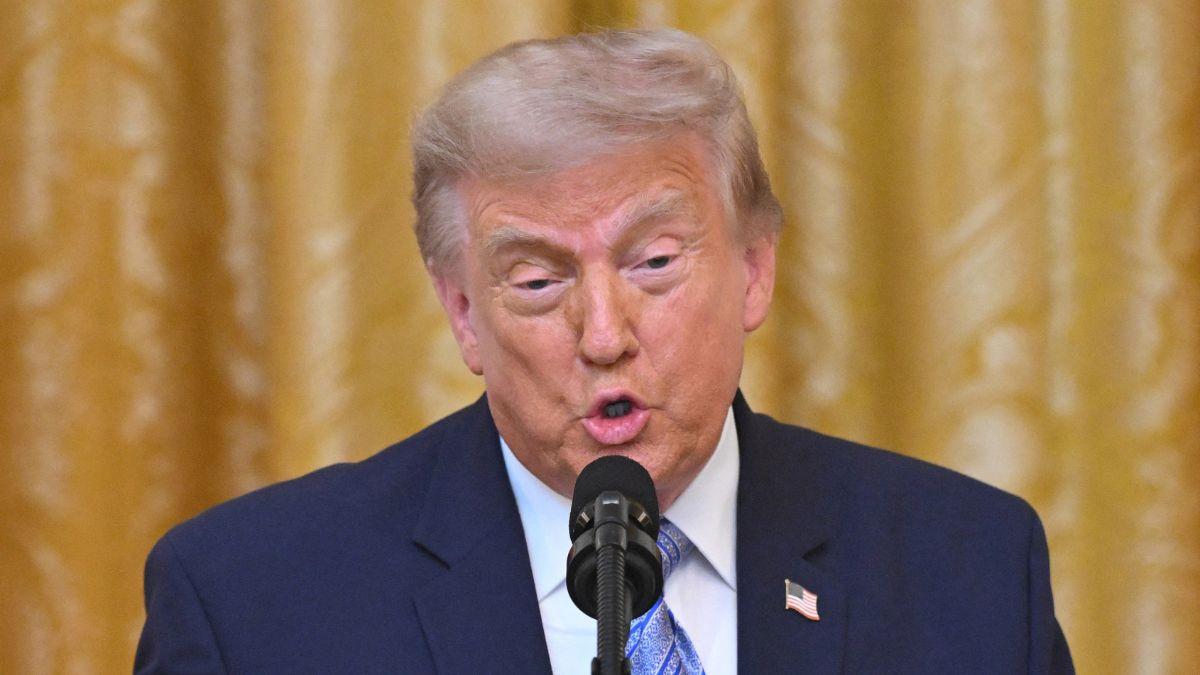
For the public, this dynamic presents a leader who, even outside the formal structures of power, remains deeply enmeshed in the daily minutiae and strategic maneuvers of national politics, often long after conventional work hours have concluded. It underscores a unique presidential persona that prioritizes continuous engagement, often on his own terms, challenging traditional notions of work-life balance in the highest echelons of government.
Challenges for Future Administrations and the Political System
Should Donald Trump return to the White House, this established pattern of nocturnal White House communication would likely intensify, posing unique operational and personal challenges for his staff, cabinet, and congressional allies. The necessity of adapting to a presidential schedule that frequently defies traditional working hours would demand significant adjustments in operational procedures, communication protocols, and personal routines for all those within his orbit.
This distinctive approach to governance, characterized by constant, informal, and often late-hour outreach, could continue to redefine the rhythms of executive power, impacting policy development, inter-agency coordination, and the overall efficiency of government operations. The reliance on direct, personal calls rather than formal channels could lead to faster, albeit potentially less vetted, decisions, and place immense pressure on individuals like Speaker Johnson to be perpetually "on call."
The persistent anecdotes surrounding Donald Trump’s late-night calls to Mike Johnson and other key figures underscore a consistent and deeply ingrained aspect of his political persona and leadership methodology. Far from being isolated incidents, these calls are indicative of a broader nocturnal White House pattern that has defined his engagement with allies and the wider political landscape, demonstrating an unwavering, albeit unconventional, commitment to maintaining active influence at all hours. This unique communication style continues to shape Republican Party dynamics and offers a preview of the operational tempo that would likely characterize any future administration led by Donald Trump.