As Africa’s economies surge and technological sophistication grows, a new security imperative is emerging: safeguarding the critical chemical, biological, radiological, and nuclear (CBRN) materials that underpin this progress. Governments across the continent are increasingly grappling with the challenge of preventing the theft, diversion, or misuse of these sensitive substances, essential for advancements in healthcare, industry, research, and mining. This evolving threat landscape necessitates a strategic shift in security focus, moving beyond traditional concerns to encompass the vulnerabilities inherent in a rapidly developing continent.
For decades, security dialogues in Africa primarily revolved around armed insurgencies, terrorism, and protracted conflicts. However, the burgeoning expansion of healthcare systems, the booming mining sector, and accelerating trade have placed governments in charge of managing a significantly larger volume of sensitive CBRN materials. These substances, while indispensable for economic growth and societal well-being, carry inherent risks if not properly secured and regulated.
The growing reliance on these materials across diverse sectors underscores a pressing demand for more robust regulatory frameworks, enhanced oversight mechanisms, and stringent enforcement protocols. CBRN security encompasses a broad spectrum of materials, from radioactive sources vital for cancer treatment and industrial radiography to chemicals integral to manufacturing and mining operations, and biological agents handled in research laboratories. The dual-use nature of some technologies, applicable to both civilian development and security applications, further complicates the challenge.
While the vast majority of these materials are handled safely and responsibly in daily operations, deficiencies in regulatory oversight, inadequate security protocols, or outright theft can create pathways for their exploitation for criminal or malicious purposes. Mubarak Aliyu, a political and security risk analyst based in Nigeria, highlighted this critical juncture, stating, "The same materials that strengthen healthcare, scientific research, mining and industry can also become security risks if poorly managed." He emphasized that the objective is not to impede development but to ensure that the pace of innovation is matched by effective oversight, secure handling practices, and resilient regulatory systems capable of preventing diversion or misuse without stifling economic progress.
Africa Shield Workshop Bolsters Counterproliferation Efforts
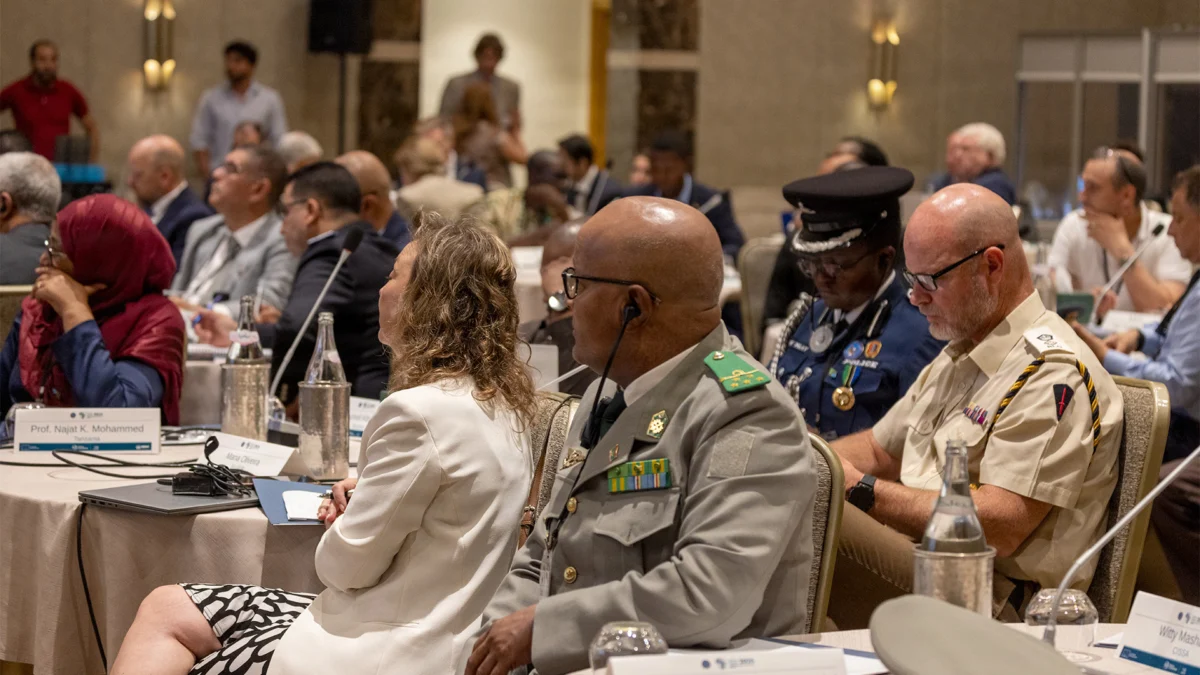
A pivotal event addressing these escalating concerns was the Africa Shield 2026 Regional Counterproliferation Workshop, held from July 14-16 in Tunis, Tunisia. This significant gathering brought together over 100 participants from across the African continent, including senior law enforcement officials, military representatives, policymakers, and national coordinators tasked with implementing United Nations Security Council (UNSC) Resolution 1540. This landmark resolution mandates states to take measures to prevent non-state actors from acquiring weapons of mass destruction and related materials.
The workshop was jointly spearheaded by the International Counterproliferation Program of the U.S. Defense Threat Reduction Agency (DTRA), in collaboration with the European Union Chemical, Biological, Radiological and Nuclear Centres of Excellence Risk Mitigation Initiative and the United Nations Interregional Crime and Justice Research Institute. Now in its sixth iteration, the Africa Shield initiative plays a crucial role in fortifying African governments’ capabilities to anticipate, detect, and respond to CBRN risks through intensive training, coordinated efforts, and capacity-building programs.
The discussions at the workshop delved into practical strategies for ensuring the security of materials utilized for peaceful applications amidst expanding industries and deepening cross-border interdependencies. A key takeaway was the challenge of ensuring that security systems evolve in tandem with the industries and services that depend on these critical materials.
Shifting Focus: From Response to Proactive Prevention
The Africa Shield initiative exemplifies a strategic shift in approach, moving from reactive responses to CBRN incidents towards a proactive posture focused on preempting vulnerabilities before they can be exploited. This program emphasizes risk reduction through enhanced border controls, meticulous export monitoring, robust emergency preparedness, and improved interagency coordination, rather than solely relying on post-incident reactions.
Through strategic partnerships with African governments and international organizations, Africa Shield actively contributes to the implementation of UNSC Resolution 1540, reinforcing the continent’s commitment to global security. Major Brittany Brown, coordinator of DTRA’s Global Threat Reduction Africa Region Counter Weapons of Mass Destruction Program, underscored the workshop’s value, describing it as an essential platform for participating countries to "exchange expertise and lessons learned." She further noted that the program has empowered African nations to "clearly demonstrate their ownership of the counterproliferation problem set," characterizing it as a "critical multilateral investment" that strengthens continental cooperation.

These sentiments reflect a broader trend in international security cooperation, where external partners are increasingly prioritizing the enhancement of national institutions and indigenous capabilities over the creation of long-term dependencies. Tunisia’s role as host underscored the regional dimension of the challenge. Its strategic location, bridging North Africa, the Mediterranean, and the Sahel, positions it at the nexus of major trade and transportation arteries. As these networks become more integrated, the same corridors facilitating legitimate commerce also present potential avenues for the illicit movement of chemicals, radioactive sources, and other controlled materials across borders.
Addressing the Enforcement Gap in CBRN Security
The ultimate success of initiatives like Africa Shield hinges not only on training and collaborative efforts but critically on the capacity of national governments to translate these endeavors into tangible improvements in institutional strength and enforcement effectiveness. While many African nations have existing legal frameworks governing chemicals, radioactive materials, and strategic trade, the practical implementation of these regulations often remains uneven.
Authorities frequently contend with significant resource constraints, including shortages of funding, specialized personnel, and up-to-date equipment necessary for comprehensive inspections of shipments, rigorous monitoring of facilities, and thorough investigations into potential violations. The pervasive existence of established trafficking networks for weapons, narcotics, and other illicit goods serves as a stark reminder of the immense difficulty in monitoring Africa’s vast borders and expanding trade routes. These existing weaknesses could inadvertently create critical vulnerabilities for the diversion and unauthorized movement of controlled CBRN materials.
The accelerating pace of trade under the African Continental Free Trade Area (AfCFTA) introduces an additional layer of complexity. Governments are tasked with bolstering security measures without inadvertently undermining the very trade and investment opportunities that the agreement is designed to foster. Striking this delicate balance requires governments to fortify security systems without imposing barriers that could impede legitimate commerce and economic growth.
Phil Efe Benard, country director of the African Chamber of Content Producers (ACCP) Nigeria, articulated these challenges, stating, "Monitoring shipments, securing materials and sharing intelligence across borders are daily struggles compounded by limited resources and exploited smuggling routes." He stressed the critical need for self-reliance, asserting, "We cannot rely solely on foreign partners. Building our own intelligence, forensic capacity and regional networks is essential, ensuring partnerships are built on African capacity, not dependency."
The Broadening Horizon of African Security Priorities
The Africa Shield initiative signifies a profound evolution in Africa’s security priorities, extending the focus beyond traditional threats to encompass the institutional frameworks, regulatory mechanisms, and technical expertise required to secure increasingly sophisticated economies. For African governments, this translates into an imperative for enhanced customs systems, more seamless coordination among regulators, border agencies, and security services, and greater investment in specialized capabilities.
The overarching challenge lies in ensuring that economic development and security advance in lockstep, mutually reinforcing each other. By strengthening oversight and promoting the responsible management of sensitive and hazardous materials, a secure environment can be cultivated, allowing innovation to flourish safely. This integrated approach is crucial for sustainable progress.
Ultimately, the significance of Africa Shield extends beyond the immediate objective of preventing the misuse of controlled materials. It reflects a growing understanding that economic transformation inherently brings new and evolving security responsibilities. The effective management of CBRN materials is thus becoming an indispensable component of national and regional security strategies.
"One of the biggest obstacles is that CBRN security depends on consistent implementation rather than policy commitments alone," Aliyu observed. "Many countries still struggle with monitoring cross-border shipments, securing sensitive materials, enforcing regulations and sharing timely information with neighbours. Closing these gaps requires sustained investment, stronger institutions and greater trust between national authorities." This sentiment highlights the long-term commitment and collaborative spirit necessary to effectively address the complex CBRN security challenges facing the continent. The ongoing efforts through programs like Africa Shield are vital steps in building a more secure and prosperous future for Africa, ensuring that development proceeds hand-in-hand with robust security measures.