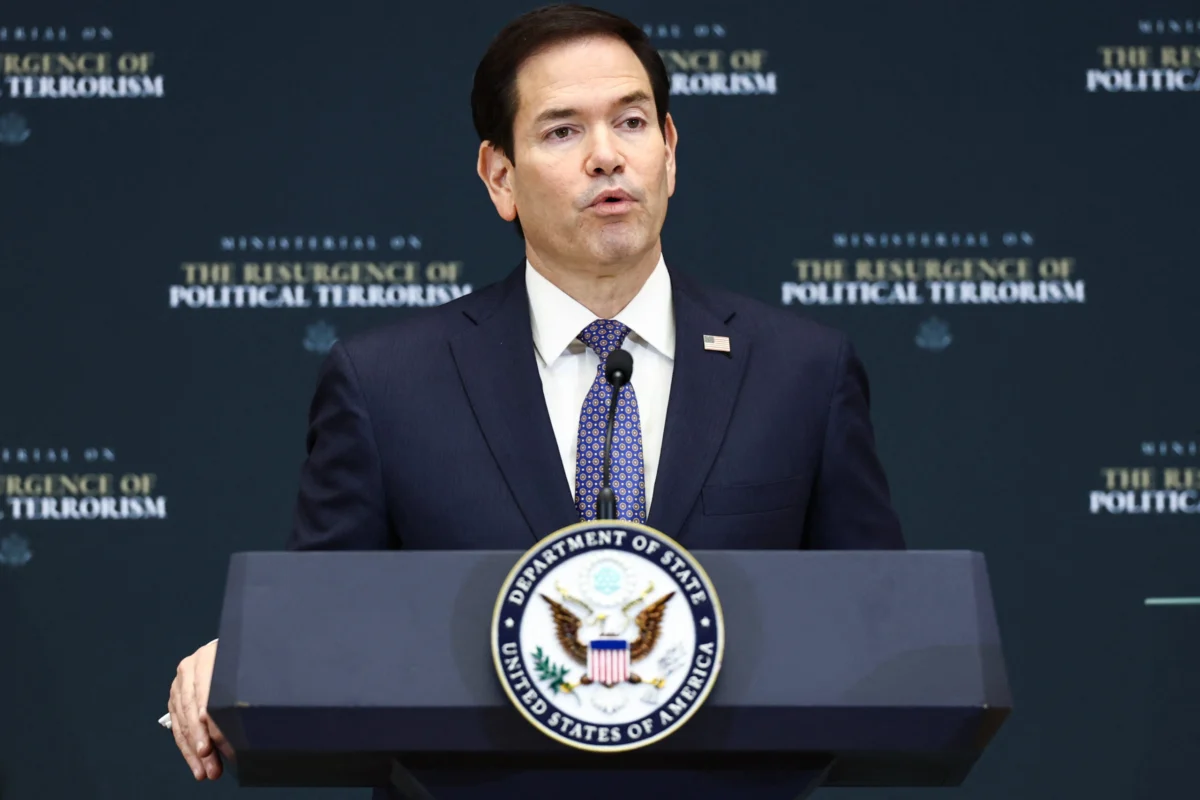
U.S. Secretary of State Marco Rubio reiterated the United States’ commitment to diplomatic resolution on July 20, 2026, following a ninth consecutive night of American military operations against Iran, as the conflict intensified with confirmed American casualties and escalating regional retaliation.
Tensions Flare as Diplomatic Overture Follows Sustained Military Action
The pronouncement from Secretary Rubio, a key figure in the current administration’s foreign policy, comes at a critical juncture. The U.S. military has engaged in a sustained campaign of airstrikes targeting Iranian assets and infrastructure for over a week. This prolonged engagement, now entering its tenth day, has led to a significant loss of American lives, with three soldiers confirmed deceased and several others injured. The escalating nature of the conflict has drawn international concern, raising fears of a wider regional conflagration.
Background: A Precarious Peace Shattered
The current hostilities did not erupt in a vacuum. For years, the United States and Iran have been locked in a complex and often fraught relationship, marked by proxy conflicts, economic sanctions, and intermittent diplomatic standoffs. A fragile period of de-escalation had been in place following a series of multilateral talks aimed at curbing Iran’s nuclear program and stabilizing the volatile Middle East. However, a series of alleged provocations and intelligence failures on both sides appear to have eroded this delicate balance, pushing the two nations toward open confrontation.
The current U.S. military campaign, characterized by precision strikes and intelligence-driven targeting, is reportedly aimed at disrupting Iran’s perceived destabilizing activities in the region, including its support for various militant groups and its ballistic missile development. The specific triggers for the current wave of strikes remain a subject of intense speculation and classified intelligence, but sources within the Pentagon suggest a significant intelligence breakthrough regarding an imminent Iranian threat prompted the initial retaliatory measures.
Timeline of Escalation: From Incidents to Airstrikes
The events leading to the current military engagement can be traced back to a series of escalating incidents over the past several months. While the precise sequence of events remains under official review, reports indicate a growing pattern of harassment of U.S. naval vessels in the Persian Gulf, cyberattacks targeting critical U.S. infrastructure, and the alleged funding and arming of proxies engaged in attacks against U.S. allies in the region.
The tipping point, according to administration officials speaking on background, occurred approximately ten days prior to Secretary Rubio’s statement. An unspecified intelligence report, deemed credible and actionable, indicated an imminent and significant threat to American interests and personnel in the Middle East. This intelligence is believed to have directly precipitated the commencement of the U.S. airstrikes.
The initial strikes were described as surgical and aimed at degrading specific military capabilities. However, Iran’s response has been swift and multifaceted. Tehran has launched retaliatory cyberattacks, increased its rhetoric against the U.S. and its allies, and reportedly mobilized its own military assets, including naval forces and missile units, in a show of defiance. The confirmed deaths of the three American soldiers are a direct consequence of this escalating tit-for-tat, highlighting the deadly reality of the ongoing conflict.
Iranian Retaliation: A Regional Challenge
The Iranian retaliatory attacks have not been confined to direct responses to U.S. strikes. Tehran has also leveraged its network of regional proxies to exert pressure on U.S. allies and interests. This has led to heightened tensions in countries like Iraq, Syria, Lebanon, and Yemen, where Iranian-backed militias have a significant presence.
The escalation raises grave concerns for the stability of the entire Middle East. Regional powers, many of whom maintain complex relationships with both the U.S. and Iran, are being forced to navigate an increasingly dangerous geopolitical landscape. The potential for miscalculation or unintended escalation remains exceptionally high, with devastating consequences for civilian populations and global energy markets.
Diplomacy Amidst the Barrage: A Path Forward?
Secretary Rubio’s statement that the U.S. is "always open to a diplomatic solution" signals a critical, albeit potentially difficult, strategic duality. While military action continues, the administration is publicly signaling a willingness to engage in de-escalation and dialogue. This approach aims to achieve U.S. objectives through a combination of coercive diplomacy and the potential for a negotiated settlement.
However, the efficacy of such diplomatic overtures remains contingent on several factors. Iran’s willingness to engage in meaningful negotiations, the level of international pressure applied, and the perceived success or failure of the ongoing U.S. military campaign will all play crucial roles. The administration faces the complex task of demonstrating resolve through military action while simultaneously creating the space for genuine diplomatic breakthroughs.
Broader Implications: A Shifting Global Order
The renewed conflict between the U.S. and Iran has far-reaching implications that extend beyond the immediate region. It signals a potential setback for broader efforts to stabilize the Middle East and could embolden other state and non-state actors seeking to challenge the existing international order. The renewed focus on military solutions could also divert resources and attention from other pressing global issues, such as climate change, pandemics, and economic instability.
Furthermore, the conflict underscores the persistent challenges of managing complex geopolitical rivalries in an era of advanced technology and asymmetric warfare. The ability of nations to conduct cyberattacks, deploy sophisticated drone technology, and influence information environments adds new layers of complexity to traditional state-on-state conflicts.
Public Impact: A Nation on Edge
For the American public, the confirmed deaths of U.S. soldiers cast a somber shadow. The news inevitably brings back painful memories of past conflicts and raises questions about the necessity and duration of the current engagement. Families of service members stationed in the region are experiencing heightened anxiety, and the broader public is grappling with the implications of a protracted and potentially widening conflict.
The economic ramifications are also a significant concern. Fluctuations in global oil prices, driven by geopolitical instability in the Middle East, can directly impact household budgets and business costs. Any significant disruption to oil supply routes could have ripple effects across the global economy.
Reactions and International Scrutiny
The international community has responded with a mixture of concern and calls for de-escalation. Key U.S. allies have expressed their support for diplomatic solutions and urged restraint from all parties involved. However, there are also divergent views on the approach to Iran, with some nations advocating for a more robust international diplomatic framework to address the root causes of regional instability.
The United Nations Security Council is expected to convene in the coming days to discuss the escalating situation. The effectiveness of any UN resolution will depend on the willingness of permanent members to find common ground, a challenge that has often proven difficult in recent years.
The Road Ahead: Uncertainty and Strategic Choices
As the ninth night of bombing Iran concludes and the tenth begins, the path forward remains fraught with uncertainty. The United States faces a critical juncture, balancing the immediate need to protect its interests and personnel with the long-term imperative of achieving lasting peace and stability in a critical region. The commitment to diplomacy, as stated by Secretary Rubio, offers a potential avenue for de-escalation, but its success will hinge on tangible actions and a willingness from all parties to move away from a cycle of confrontation. The coming days and weeks will be crucial in determining whether diplomacy can prevail over the destructive momentum of military engagement.