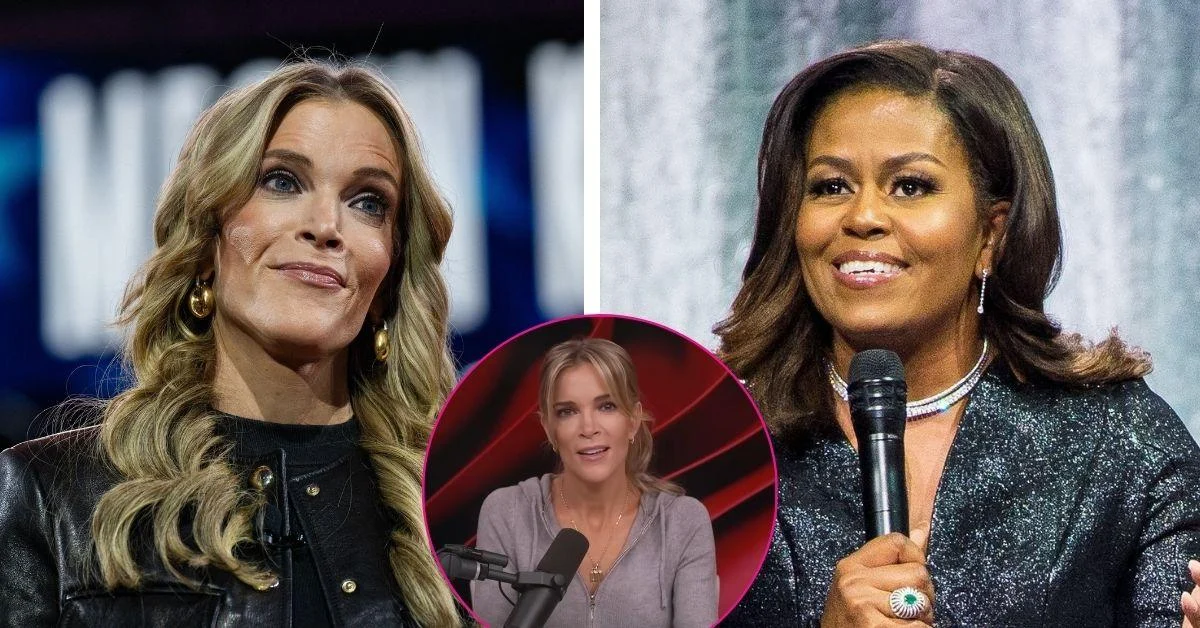
Conservative media personality Megyn Kelly recently launched a scathing critique against former First Lady Michelle Obama, branding her public appearances as "scripted" and "artificial." Kelly’s remarks, delivered during her podcast, specifically targeted Obama’s recent live taping at the Essence Festival, where Kelly accused the former First Lady of lacking genuine emotion and failing to "speak from the heart." This pointed commentary has ignited a fresh debate over Obama’s public persona and the perceived authenticity of prominent figures.
Background to the Critique
Megyn Kelly, a former anchor for Fox News and NBC, has cultivated a reputation for her candid and often provocative political commentary. Her current podcast serves as a significant platform for her unvarnished opinions on public figures and political discourse. Michelle Obama, renowned globally as a bestselling author, lawyer, and advocate, has maintained a highly visible public profile since her departure from the White House, engaging in numerous speaking engagements, book tours, and media appearances.
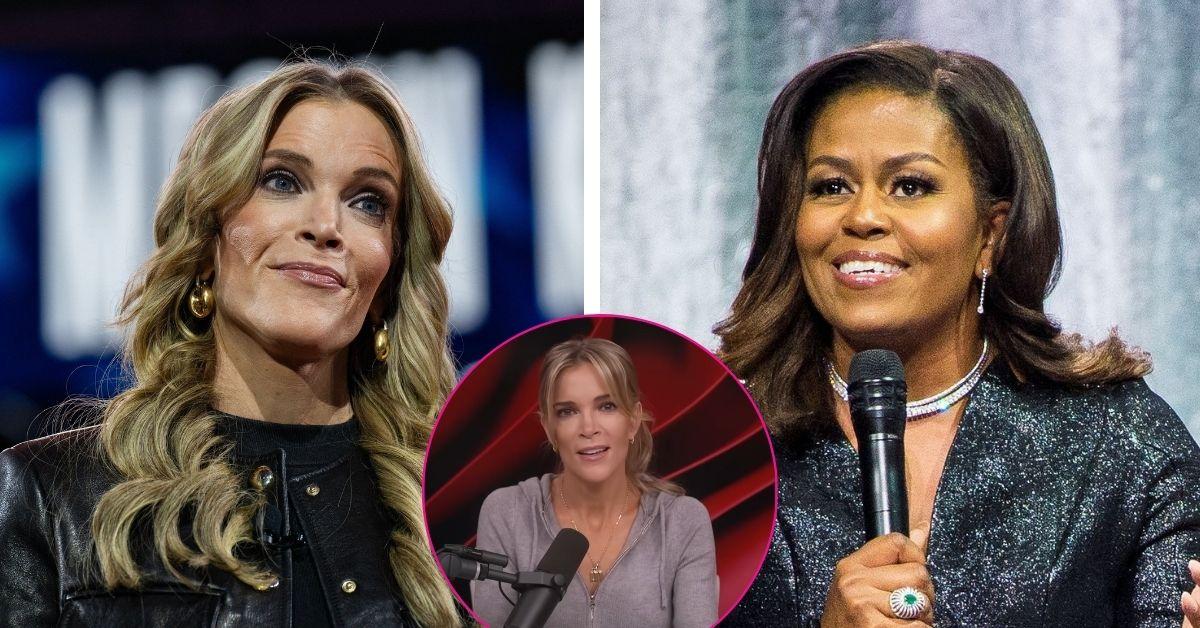
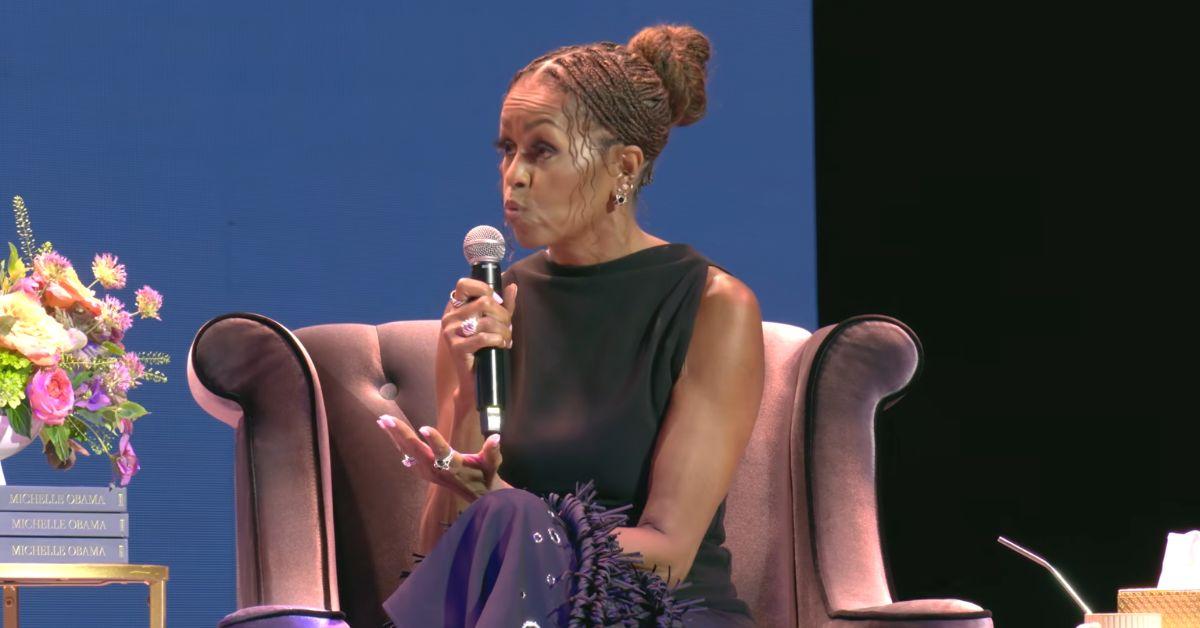
The immediate catalyst for Kelly’s latest broadside was Obama’s participation in a live recording of her podcast, "IMO: The Look," alongside co-host Keke Palmer. This event, held at the Essence Festival, provided a forum for Obama to discuss her experiences with media scrutiny, particularly the focus on her wardrobe during her husband, Barack Obama’s, initial presidential campaign. Kelly’s reaction to clips from this discussion formed the core of her subsequent criticisms.
Megyn Kelly’s Sharp Critique of Michelle Obama’s Public Persona
Kelly initiated her critique by observing Michelle Obama’s pervasive presence in the media, noting she has been "everywhere" recently. Kelly characterized Obama’s public presentation as a blend of being "aggrieved and amazing," a combination she found particularly irksome. This observation set the stage for a detailed and blunt assessment of the former First Lady’s demeanor and communication style.
Following her review of the podcast clips, Kelly did not hesitate to express strong disapproval, accusing Obama of "dripping in narcissism." Kelly challenged what she perceived as Obama’s self-importance, directly stating, "Would you at least feign some humility? I’m embarrassed for you. You’re actually not that great. You’re fine." This assertion underscored Kelly’s contention that Obama’s public persona lacks genuine humility and is overly self-congratulatory.
Kelly explicitly labeled Obama as "very scripted and artificial," asserting that she does not "speak from the heart." This criticism extended to Obama’s past public addresses, with Kelly remarking that she was not moved by Obama’s speech at the Democratic National Convention, which she found to be "a little recycled and tired." These comments underscore Kelly’s view that Obama’s public communications are meticulously prepared and delivered, rather than spontaneously heartfelt.
The Essence Festival Remarks: Fashion, Identity, and Politics
A significant portion of Kelly’s criticism stemmed from Michelle Obama’s reflections during the Essence Festival podcast on the media’s focus on her fashion choices. Obama recounted how, during Barack Obama’s initial presidential campaign, many news stories would prioritize descriptions of her attire – such as "She was wearing a purple sheath, and she had on this pair of shoes" – over the substance of her speeches.
Obama expressed that this emphasis on her appearance often overshadowed her "passionate speeches" and her capabilities as a "powerful orator." She interpreted this consistent media pattern as a deliberate strategy to "diminish" her and, by extension, to "slow down" her husband’s political momentum. The former First Lady described this as a tactic commonly employed against women in politics, where their physical presentation is scrutinized more heavily than their intellectual contributions.

Obama’s recounting highlighted her realization of how "this is politics," where personal aspects are weaponized. She maintained that this focus on appearance served to undermine her message, regardless of the effort she put into delivering impactful content. This perspective emphasizes a perceived gender disparity in political reporting, where women’s substance is often overshadowed by superficial details.
Kelly’s Rebuttal: Normal Scrutiny vs. Perceived Grievance
Megyn Kelly strongly refuted Michelle Obama’s interpretation of media coverage concerning her wardrobe. Kelly argued that the media’s attention to a female public figure’s fashion choices is standard practice, driven by public interest rather than a malicious intent to degrade. "Let me tell you something, Michelle. The reason they wrote about your fashion is that, yes, you’re a woman. It wasn’t to diminish you," Kelly asserted.
Kelly elaborated that such coverage is routinely applied to "every female politician" and is not intended to diminish them. She contended that it is an integral "part of your look" and "part of your messaging," suggesting that fashion communicates a certain image to the public. Kelly added that similar scrutiny would apply to men if their attire exhibited the same variety and significance, but typically, men’s political wardrobes are more uniform.
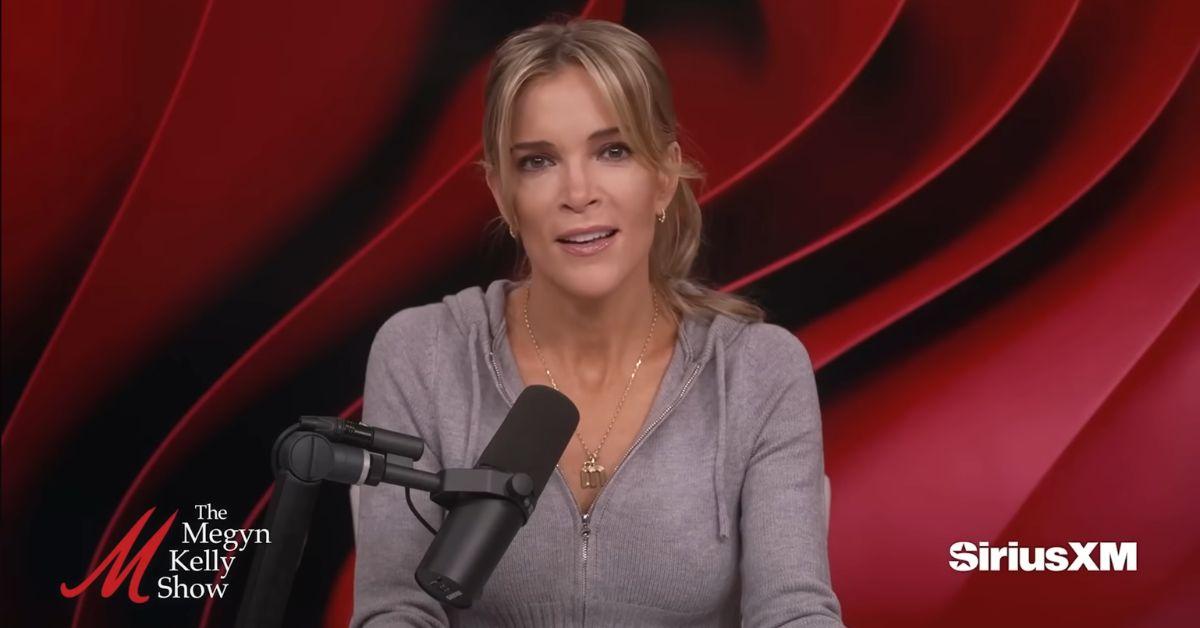
Dismissing Obama’s perspective as "grievance nonsense," Kelly stated unequivocally, "You’re not aggrieved. It doesn’t make anybody a misogynist." Her rebuttal challenged Obama’s framing of the issue as gender-based discrimination, suggesting instead that it is a natural and non-discriminatory aspect of reporting on high-profile individuals in the public eye. This direct confrontation underscored Kelly’s rejection of what she perceives as a victim narrative.
Analyzing Authenticity and Media Representation in Public Life
The public exchange between Megyn Kelly and Michelle Obama delves into enduring debates surrounding authenticity, public persona, and media representation, particularly for women in high-stakes public roles. Kelly’s insistence on "speaking from the heart" and her aversion to what she perceives as a "scripted" or "artificial" persona resonate with a segment of the public that desires genuine connection and transparency from political figures. This expectation frequently collides with the carefully managed images and strategic messaging that are integral to modern public life.
Furthermore, the disagreement over fashion coverage for female politicians highlights a persistent societal discussion. While figures like Obama contend that such focus detracts from their substantive contributions and perpetuates gender bias, others, like Kelly, view it as a natural, even benign, aspect of celebrity and public interest. This divergence in viewpoints reveals fundamental differences in understanding media scrutiny and the unique challenges women encounter in balancing professional credibility with public image. The dialogue underscores how perceptions of "authenticity" can be highly subjective and often shape public opinion more profoundly than policy positions.
Broader Impact and Polarization of Public Opinion
This highly publicized critique by Megyn Kelly is poised to generate significant ripple effects across various segments of the public and media landscape. For Kelly’s dedicated audience, her pointed comments likely reinforce existing narratives that are critical of established liberal figures, potentially solidifying their views on Michelle Obama’s perceived elitism or lack of genuine connection with everyday Americans. The critique plays into a broader conservative media strategy of questioning the sincerity and motives of prominent Democratic figures.
Conversely, staunch supporters of Michelle Obama may interpret Kelly’s remarks as unwarranted and politically motivated attacks, further entrenching partisan divides. This reaction could galvanize Obama’s base, portraying her as a target of unfair scrutiny. The incident also reignites discussions within media circles regarding the ethical responsibilities and long-term impact of reporting on public figures, particularly former First Ladies. It prompts questions about how to effectively balance public interest in personal details, such as fashion, with the imperative to highlight policy contributions and substantive discourse. Culturally, such high-profile clashes contribute to the broader political polarization, often feeding into partisan narratives and reinforcing existing ideological biases, making nuanced public discussion more challenging.
Online Reactions and Speculation on Michelle Obama’s Future
Michelle Obama’s initial comments about media focus on her fashion had already generated considerable discussion across social media platforms even before Megyn Kelly’s critique. The subsequent intervention by Kelly amplified this debate, transforming online forums into arenas for opposing viewpoints. Critics of Obama frequently echoed sentiments of her being "insufferable," perpetually in "victim mode," and exhibiting a perceived sense of entitlement. Some commentators pointed to her expensive attire while simultaneously lamenting media focus, labeling her "bitter," "husband-bashing," or "ungrateful."
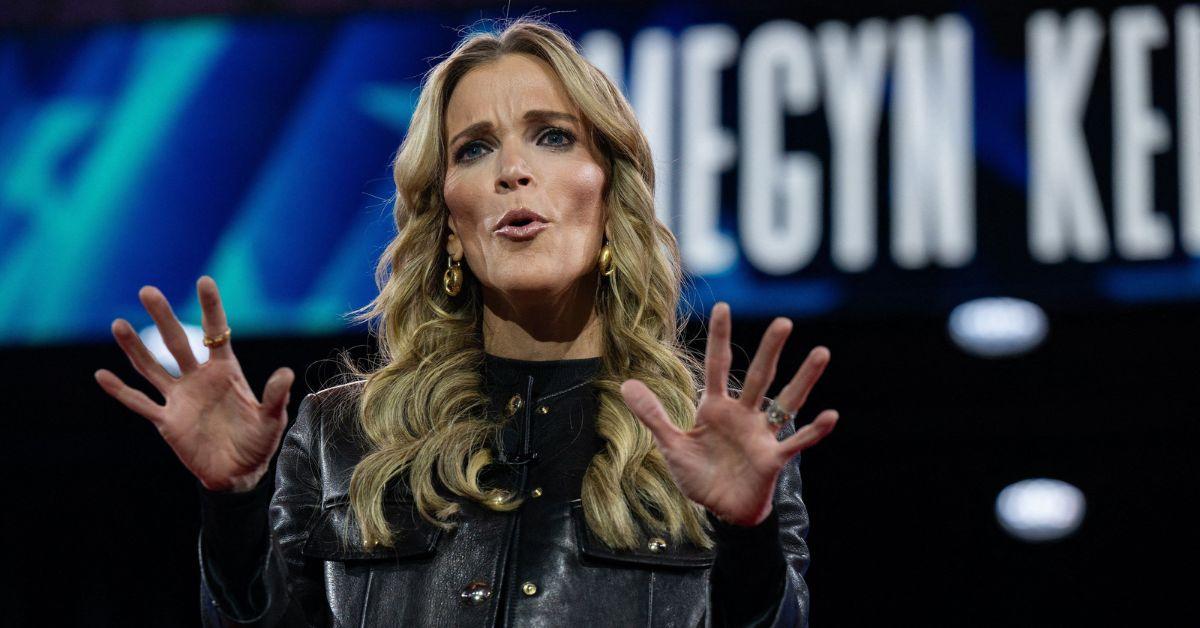
Intriguingly, a notable number of social media users speculated that Obama’s recent increase in public visibility and her reflections on her political journey might be indicative of a strategic move towards a potential presidential run in 2028. This speculation, while unconfirmed and purely conjectural, adds another layer of interpretation to her recent media engagements and her public persona. As of the immediate aftermath of Kelly’s remarks, neither Michelle Obama nor her official representatives have issued a direct response to the specific criticisms, allowing the public debate to continue unfolding primarily on social media and various commentary platforms. The absence of a direct rebuttal from Obama’s camp leaves the interpretation of her silence open to further public speculation.
The public exchange between Megyn Kelly and Michelle Obama serves as a vivid illustration of the contentious and often polarizing nature of contemporary media and political commentary. It highlights the deeply entrenched divisions in how prominent public figures are perceived and judged, particularly when issues of authenticity, grievance narratives, and media representation intersect. This ongoing scrutiny of high-profile personalities ensures that such debates, fueled by both ideological differences and personal interpretations, will continue to shape the cultural and political landscape for the foreseeable future.