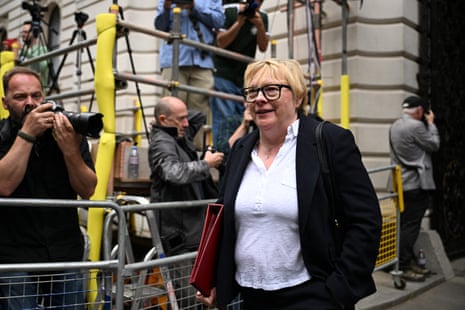
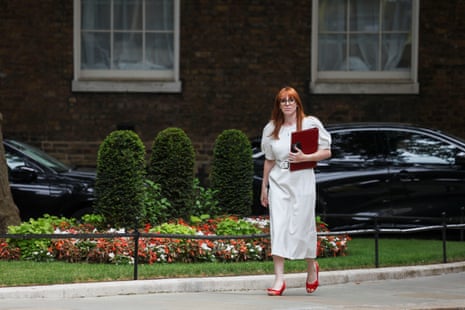
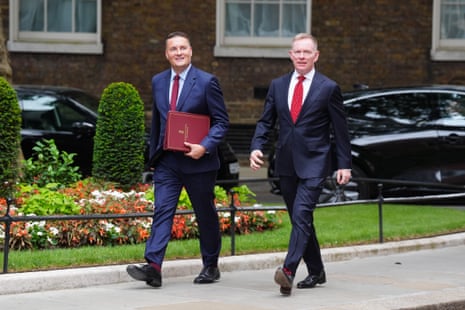
Prime Minister Andy Burnham convened his newly formed cabinet at 10 Downing Street on Tuesday, marking a decisive shift in the British government’s economic priorities with an immediate £850 million ($1.1 billion) tax relief package aimed at household energy costs. The meeting, the first since Burnham’s dramatic reshuffle of the Labour front bench, focused heavily on the administration’s "cost-of-living mission" and the logistical implementation of a Value Added Tax (VAT) reduction on electricity bills.

The centerpiece of the morning’s proceedings was the formalization of a plan to reduce domestic electricity bills by an average of £45 per year starting this October. Burnham told his ministers that the government must examine "all possible ways" to alleviate financial pressure on families, signaling that more policy interventions are likely in the coming days. The Prime Minister’s emphasis on immediate relief serves as a sharp contrast to the more cautious fiscal approach of his predecessor, Keir Starmer, and sets the stage for a contentious budgetary period as the new administration seeks to fund these initiatives without raising major taxes.
Funding the VAT Cut on Electricity Bills
To finance the £850 million tax cut, the Burnham administration announced it would scrap the previous government’s planned digital ID card scheme. Downing Street estimates that canceling the program will save the Treasury approximately £1.8 billion over the next three years. However, the move has already sparked a firestorm of criticism from former cabinet members and opposition leaders who argue the funding is illusory.
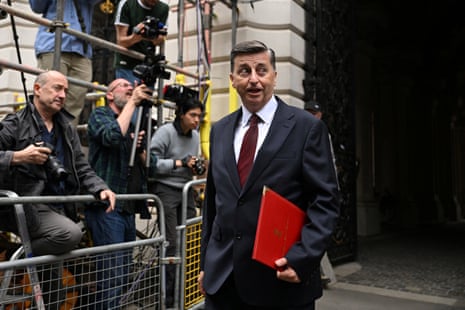
Darren Jones, the former Chief Secretary to the Treasury who was removed in Burnham’s reshuffle, issued an extraordinary public challenge to the new Prime Minister. Jones claimed that the digital ID program was never fully funded to begin with, meaning that its cancellation does not yield the "real-world" savings the Prime Minister is claiming. Shadow Defense Secretary James Cartlidge echoed these concerns, citing previous analysis from the Office for Budget Responsibility (OBR) that suggested the program lacked a dedicated funding stream.
The fiscal debate is complicated by the unique post-Brexit status of Northern Ireland. Because EU VAT rules still apply to electricity in the region under the Windsor Framework, the UK-wide VAT cut cannot be directly applied there. Instead, the Burnham government has committed to providing equivalent funding to the Stormont Executive to ensure residents in Northern Ireland receive a comparable level of support.
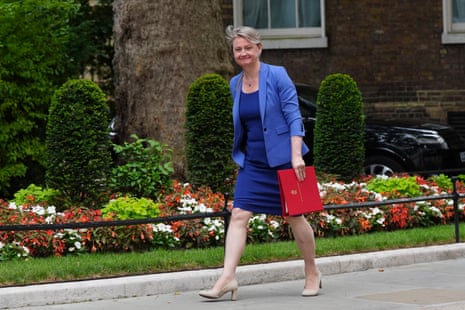
Andy Burnham Hosts First Cabinet Meeting Following Major Reshuffle
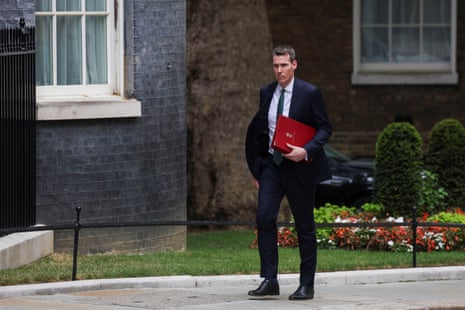
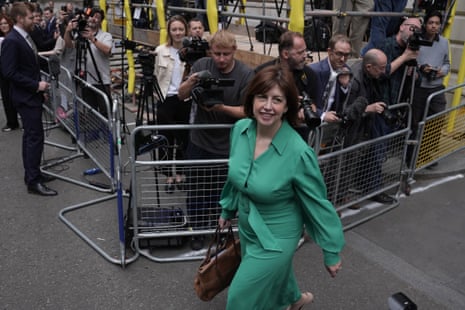
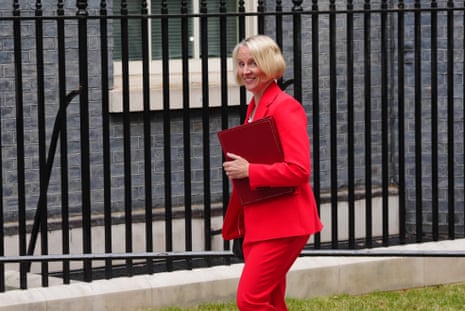
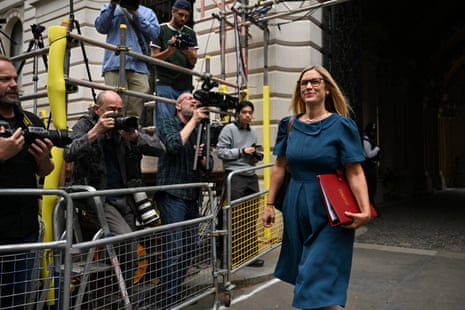
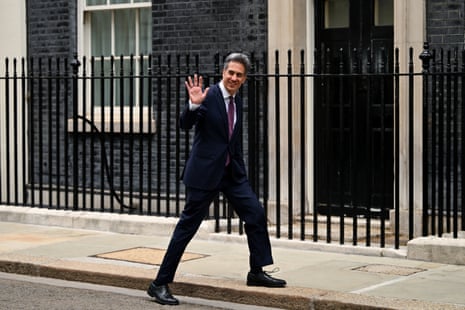
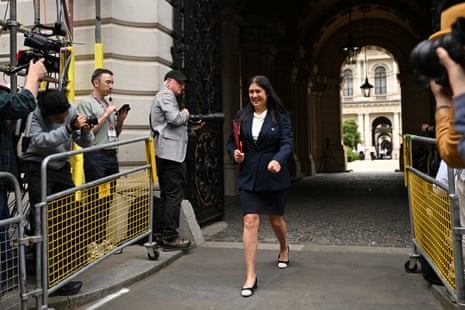
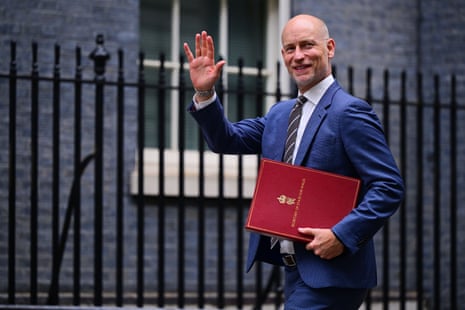
The atmosphere at Downing Street was one of calculated renewal as ministers arrived for the first cabinet meeting. Burnham’s recent reshuffle resulted in the removal of several high-profile loyalists to the former leadership, including Rachel Reeves and David Lammy. In their place, the Prime Minister has installed a team that reflects a distinct geographical and demographic shift.
Analysis conducted by the Sutton Trust, a social mobility charity, reveals that the proportion of state-school educated ministers has decreased under Burnham. Approximately 72% of the new cabinet attended state comprehensives, while 24% were privately educated—a significant jump from the 8% seen in the 2024 Starmer cabinet. Furthermore, the new cabinet leans more heavily on elite academic institutions, with 55% of members having attended either Oxford or Cambridge universities.
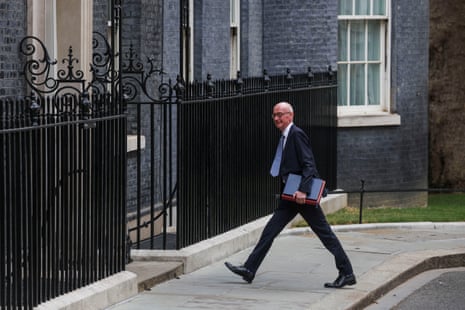
Despite the increase in private education, the cabinet reflects a significant geographical pivot toward the North of England. Roughly 41% of Burnham’s senior ministers were educated in Northern regions, compared to 31% under Starmer and just 19% under Rishi Sunak. Burnham, who read English at Cambridge, also broke a nearly century-old tradition; he is the first Prime Minister since 1937 who attended an English university but did not go to Oxford. Additionally, the Prime Minister appointed a record 12 women to the 23-member cabinet, the highest female representation in British history.
Strategic Appointments and Economic Outlook
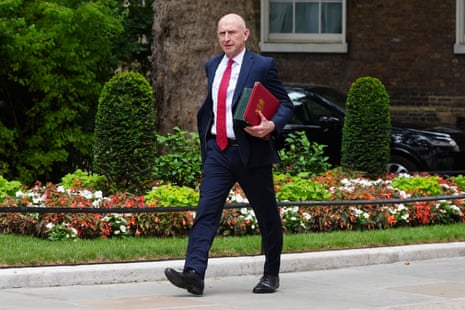
The appointment of John Healey as Chancellor of the Exchequer has already had a measurable impact on financial markets. Shares in major defense contractors rose sharply following the announcement, as investors speculate that the former Defense Secretary will prioritize military spending despite the tight fiscal environment. Healey’s primary task will be managing the "cost-of-living" agenda while adhering to Burnham’s pledge not to raise the main rates of income tax, national insurance, or VAT.
Beyond energy, the government is preparing to roll out a 20% cut in business rates for the hospitality sector. This move is designed to support pubs, music venues, and restaurants that have struggled with high overhead and shifting consumer habits. Reports also indicate that a £2 cap on bus fares could be announced as early as Wednesday, further cementing Burnham’s image as a "transport and infrastructure" Prime Minister.
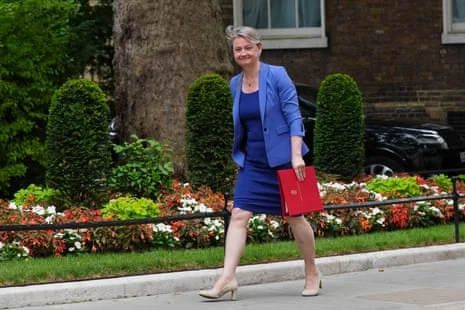
However, the new administration faces an immediate crisis in the healthcare sector. The British Medical Association (BMA) has issued a stern warning to the new Health Secretary, Yvette Cooper. The union stated that unless the government offers a substantial pay increase for hospital consultants—exceeding the current 3.5% offer—further industrial action is inevitable. Consultants, who earn an average of £152,000, have already secured a mandate to strike, presenting an early and expensive challenge to Cooper’s tenure.
Regional Devolution and Northern Ireland Challenges
In his first 24 hours as Prime Minister, Burnham held phone consultations with the leaders of the devolved administrations in Scotland, Wales, and Northern Ireland. According to a Downing Street spokesperson, Burnham emphasized a "new politics" based on collaboration rather than constitutional friction. He explicitly dismissed the prospect of "further referendums" on independence or unification, stating that his focus remains entirely on practical measures to assist families.

The appointment of Chris Bryant as Northern Ireland Secretary has been met with surprise in Belfast. Bryant, a former Anglican priest, replaces Hilary Benn, whose tenure was characterized by a reset in relations with the Irish government. Bryant inherits a daunting "in-tray," including the controversial Troubles Legacy Bill and a looming budget crisis within the Northern Ireland Executive.
Unionist politicians have expressed concerns that Burnham’s leadership could inadvertently fuel calls for a border poll, especially if the political landscape in England continues to fragment. Meanwhile, Sinn Féin’s Michelle O’Neill stated she is prepared to work constructively with the new Prime Minister but reminded London that funding for public services remains the priority for the region.
International Reaction and Geopolitical Tensions
The global media has characterized Burnham’s rise as a victory for regionalism. French outlets have described him as the "King of the North," focusing on his "everyman" persona and his tendency to eschew traditional formal attire for T-shirts and casual wear. Conversely, Italy’s Corriere della Sera offered a more critical take, suggesting that Burnham’s focus on nationalization and state intervention might be a "backward-looking" attempt to recreate a pre-Thatcherite economic model.
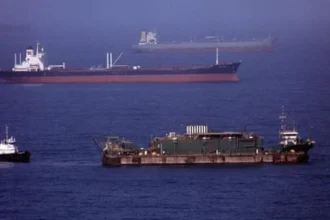
Adding to the domestic pressure, a security incident in the English Channel served as a reminder of the geopolitical challenges facing the new government. On the day Burnham took office, a Russian warship, the Neustrashimy, conducted a live-fire exercise just 45 miles south of Plymouth. The Russian vessel requested that a British patrol ship, the HMS Tyne, retreat to a safe distance during the 30-minute drill. This follows a similar incident last month where a Russian frigate fired warning shots near a British pleasure yacht, highlighting heightened naval tensions in international waters.
Political Opposition and the Question of a Mandate
Nigel Farage, leader of Reform UK, has emerged as one of Burnham’s most vocal critics. Speaking at a rally in Norfolk, Farage argued that Burnham lacks a mandate from the British people because he did not lead the party during the 2024 general election. Farage called for an immediate general election, claiming that the "biggest changes in British politics in 40 years" cannot be enacted without a direct public vote.

The Conservative Party, led by Kemi Badenoch, has also questioned the sustainability of Burnham’s policies. Badenoch argued that the VAT cut is a "temporary fix" that fails to address the root causes of high energy prices. She advocated for her party’s "Cheap Power Plan," which involves scrapping net-zero targets and expanding North Sea oil and gas drilling, claiming it would save households £200 annually.

As Andy Burnham hosts his first cabinet meeting as PM after announcing the cut to VAT on electricity bills, the political stakes could not be higher. The administration must now prove that its "Northern-focused" agenda can survive the rigorous scrutiny of the Treasury and the volatile demands of a divided electorate. With concrete policy announcements expected over the next 48 hours, the new government is under pressure to transform its "cost-of-living" rhetoric into a sustainable economic reality.