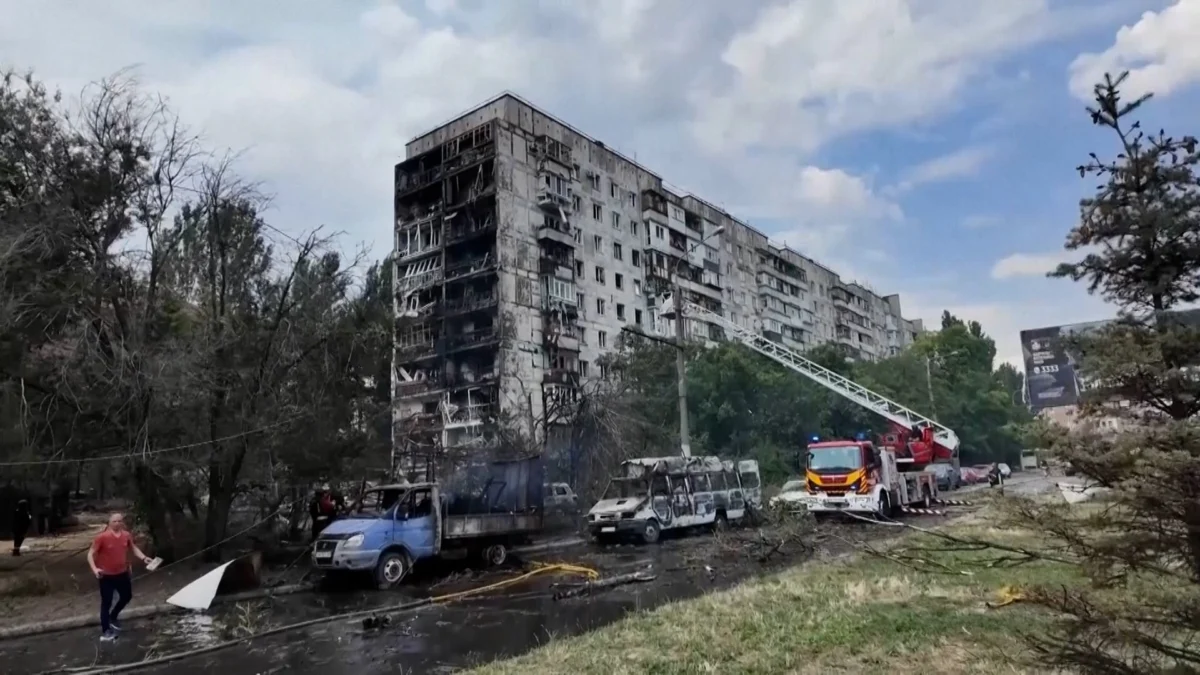
A Russian guided aerial bomb attack on the Ukrainian city of Zaporizhzhia on Tuesday, July 21, 2026, resulted in the deaths of at least three civilians and left 13 others injured, according to statements from local authorities. The strike, which impacted a nine-story residential building, was described by the regional military administration as a deliberate targeting of civilian infrastructure in the densely populated area.
Escalating Violence in Zaporizhzhia
The incident marks another grim chapter in the ongoing conflict in Ukraine, with Russian forces continuing to employ aerial bombardment tactics against Ukrainian cities. Zaporizhzhia, a major administrative center in southeastern Ukraine, has been a frequent target due to its strategic importance and proximity to the front lines. The city has endured numerous attacks since the full-scale invasion began in February 2022, testing the resilience of its population and the effectiveness of its air defense systems.
Details of the Tuesday Attack
Local officials confirmed that the attack occurred during daylight hours, a tactic that often heightens the risk to civilians as more people are likely to be outdoors or engaged in daily activities. The specific weapon used was identified as a guided aerial bomb, indicating a degree of precision in the targeting, though the outcome—the destruction of a residential building and civilian casualties—underscores the devastating impact of such munitions on urban environments.
The nine-story residential building, a common feature in Ukrainian cities, was severely damaged, with rescue operations immediately commencing to search for survivors and assess the extent of the destruction. Eyewitness accounts, though not yet fully corroborated by official sources, described scenes of chaos and devastation following the explosion.
The Human Toll of the Strike
The immediate aftermath of the attack saw emergency services working tirelessly amidst the rubble. The reported figures of three fatalities and 13 injuries represent individuals who were either caught in the direct impact zone or sustained severe wounds. These numbers, authorities cautioned, could potentially rise as search and recovery efforts continue and the full scope of the casualties becomes clearer.
The injured were promptly transported to local medical facilities, where medical personnel were working to provide them with critical care. The nature of the injuries, ranging from shrapnel wounds to trauma from the building’s collapse, posed significant challenges for the overwhelmed healthcare system in the region.
Broader Context of the Conflict
This attack in Zaporizhzhia occurs against a backdrop of intensified fighting across multiple fronts in Ukraine. For over two years, Russian forces have sought to gain control of key Ukrainian territories, leading to widespread destruction and a significant humanitarian crisis. The use of aerial bombardment, including guided missiles and bombs, has been a persistent feature of Russia’s military strategy, drawing international condemnation and accusations of war crimes.
Zaporizhzhia Oblast, in particular, has been a focal point of the conflict. The region encompasses the Zaporizhzhia Nuclear Power Plant, the largest in Europe, which has been under Russian occupation for extended periods, raising grave concerns about nuclear safety. The ongoing hostilities have also displaced millions of Ukrainians, creating a vast internal and external refugee crisis.
International Response and Condemnation
News of the strike in Zaporizhzhia is expected to draw further international condemnation of Russia’s military actions. Western allies and international organizations have consistently called for an end to the violence and for Russia to adhere to international humanitarian law. The targeting of civilian areas is a violation of the Geneva Conventions and other international treaties designed to protect non-combatants during armed conflict.
The United Nations and various human rights organizations have been meticulously documenting alleged war crimes committed by all parties involved in the conflict, with a particular focus on the impact of Russian strikes on civilian infrastructure. These documented instances often form the basis for potential future legal proceedings against those responsible.
Strategic Implications of the Attack
The repeated targeting of cities like Zaporizhzhia suggests a strategic intent by Russian forces to demoralize the Ukrainian population and degrade its infrastructure, thereby weakening its ability to resist. By striking residential areas, Russia aims to create fear and disrupt daily life, potentially impacting public morale and the government’s capacity to govern effectively.
Furthermore, such attacks can disrupt essential services, including power, water, and communication networks, which are vital for both civilian life and military operations. The destruction of residential buildings also contributes to the ongoing humanitarian crisis, forcing more people to flee their homes and exacerbating the strain on resources in safer regions.
Impact on Civilian Life in Zaporizhzhia
For the residents of Zaporizhzhia, Tuesday’s attack represents a stark reminder of the constant threat they face. Many civilians have already fled the city, but a significant portion of the population remains, often due to a lack of resources or a refusal to abandon their homes. These individuals live under the perpetual fear of air raids, with many seeking refuge in basements and bomb shelters during air raid alerts.
The psychological toll of living in a war zone is immense. The constant threat of violence, the loss of loved ones, and the destruction of familiar surroundings create an environment of pervasive anxiety and trauma. The strike on the residential building will undoubtedly deepen this sense of insecurity and despair among the city’s inhabitants.
Rescue Efforts and Ongoing Investigations
Following the initial impact, emergency crews, including firefighters and paramedics, were quickly deployed to the scene. Their immediate priority was to extinguish any fires, provide medical assistance to the injured, and search for individuals trapped within the collapsed structure. The scale of the damage to the nine-story building presented significant challenges for these rescue operations.
Ukrainian authorities have initiated investigations into the attack, aiming to gather evidence of potential war crimes. This process involves documenting the damage, collecting witness testimonies, and analyzing any recovered debris to determine the type of munitions used and their origin. Such investigations are crucial for holding perpetrators accountable and for informing international legal efforts.
The Role of Air Defense Systems
Ukraine has been heavily reliant on Western-supplied air defense systems to counter Russian aerial assaults. While these systems have proven effective in intercepting many incoming threats, they are not impenetrable, and Russia continues to adapt its tactics and employ a variety of weaponry. The success rate of air defense in Zaporizhzhia on Tuesday would be a key area of assessment by Ukrainian military officials.
The effectiveness and availability of these air defense capabilities are critical for protecting civilian populations and infrastructure. Continuous appeals for more advanced air defense systems from international partners remain a priority for the Ukrainian government.
Future Outlook and Potential Consequences
The attack on Zaporizhzhia is likely to intensify calls for increased international military and humanitarian aid to Ukraine. The humanitarian consequences are profound, with the injured requiring long-term medical care and those displaced needing shelter, food, and psychological support. The economic impact of such destruction also adds to the immense challenges Ukraine faces in rebuilding its infrastructure and economy.
The ongoing conflict, characterized by such devastating strikes, continues to shape the geopolitical landscape. It underscores the fragility of peace and the devastating human cost of protracted warfare. The international community faces ongoing pressure to find a sustainable resolution that prioritizes the protection of civilians and upholds international law.
The resilience of the Ukrainian people in the face of such relentless attacks remains a defining characteristic of the ongoing struggle. Despite the immense suffering, many continue to demonstrate a steadfast determination to defend their sovereignty and rebuild their lives amidst the ruins. The events of July 21, 2026, in Zaporizhzhia serve as a somber testament to the ongoing realities of the conflict.