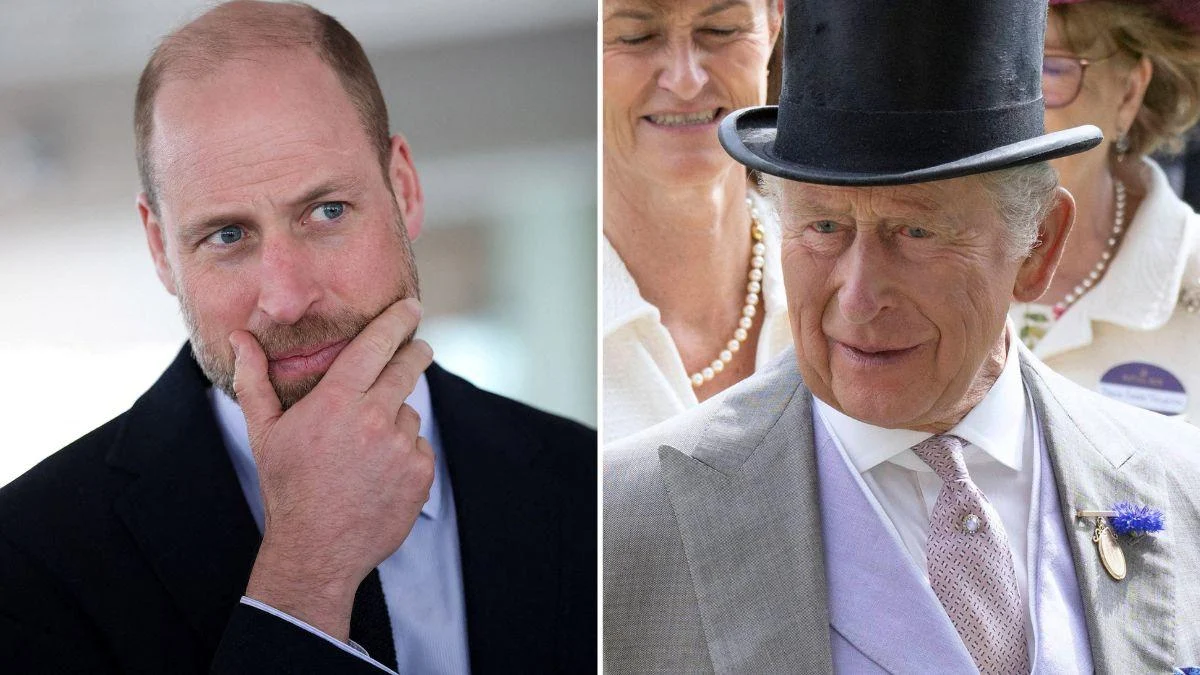
Tensions are reportedly escalating between King Charles III and his heir, Prince William, with royal insiders characterizing their dynamic as one of "eternal battles" stemming from differing perspectives on the future of the monarchy. Royal experts indicate that while a foundational respect and necessity for collaboration exist, underlying disagreements and a clash of wills persist between the current sovereign and the future king. This familial friction, though often kept from public view, is a recurring theme within the House of Windsor, reflecting the unique pressures and expectations placed upon those at the pinnacle of the British royal family.
The Weight of the Crown: A Generational Divide
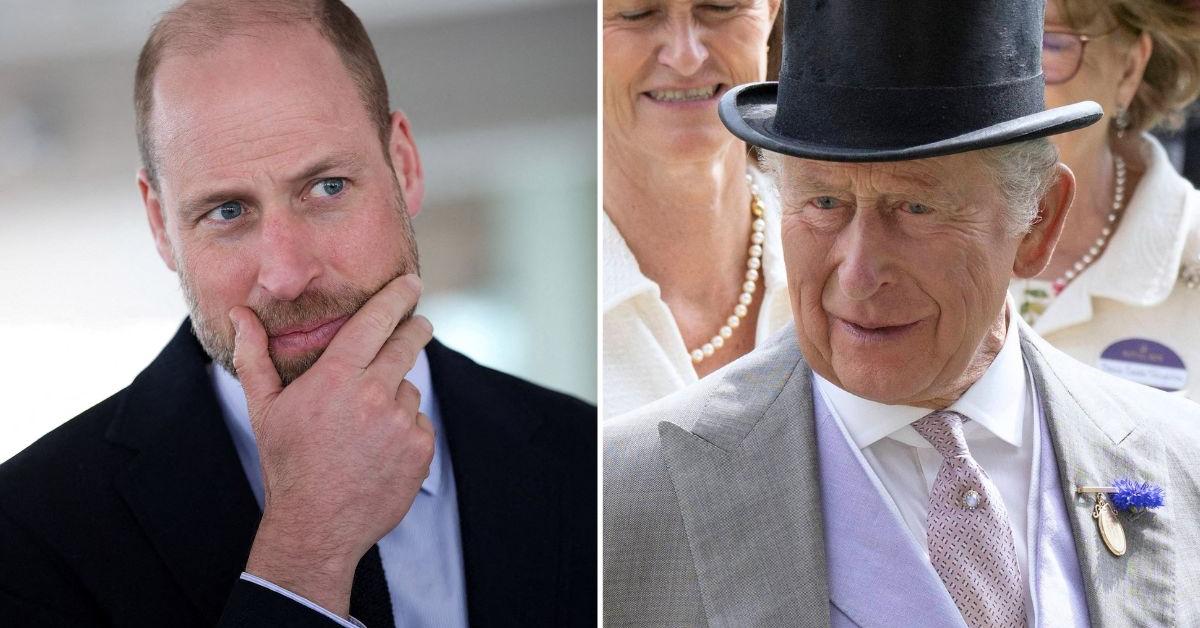
The relationship between a reigning monarch and their direct heir is inherently complex, marked by a delicate balance of deference and preparation for succession. King Charles, 77, having spent a record 70 years as heir apparent, ascended the throne with a clear vision for a streamlined, modernized monarchy. Prince William, 44, as the Prince of Wales, is now immersed in the practicalities of leadership, often with his own distinct ideas regarding the institution’s evolution and public engagement. This generational gap, coupled with the immense responsibility of their roles, naturally gives rise to "differences of opinion," as one royal expert, Robert Jobson, recently noted.
According to Hugo Vickers, another respected royal commentator, a core challenge lies in Prince William’s perceived self-assurance. "The problem with William is that he thinks he knows best," Vickers stated, highlighting a trait that could lead to friction when navigating critical decisions with his father. While such confidence is often seen as a virtue in a future leader, it can also create an intricate dynamic with a monarch who has dedicated his life to understanding and upholding the royal institution. The natural progression of power, from one generation to the next, is rarely without its internal struggles, particularly within an institution as steeped in tradition and public scrutiny as the British monarchy.
Navigating the Future of the Monarchy: The Imperative for Unity
Despite these reported "eternal battles," both King Charles and Prince William are acutely aware of the constitutional imperative to work in concert. The stability and continuity of the monarchy depend heavily on a united front, especially in an era of rapid societal change and ongoing debates about the institution’s relevance. Jobson emphasized this necessity, stating, "William has to rise above it all if he’s going to be king, and both he and Charles know they have to work together. There’s a lot of decisions that Charles will make that will affect William." These decisions range from the allocation of royal duties and patronages to the strategic direction of the Commonwealth and the public image projected by Buckingham Palace.
The "few problems" cited by Jobson as occurring "a couple of years back" likely refer to the early period of Charles’s reign and the evolving roles of the senior royals. As the King consolidates his vision for the monarchy, William, as the Prince of Wales, is increasingly expected to step into a more prominent and influential role. This transition involves not only learning from the monarch but also, at times, gently asserting his own perspectives and priorities. The delicate dance between tradition and innovation, guided by father and son, is crucial for the long-term viability of the Crown. While public appearances consistently portray a harmonious relationship, insiders suggest that private discussions are often more robust, reflecting the profound stakes involved in their shared destiny.
The Shadow of Megxit: Forging a Closer Bond

Paradoxically, the departure of Prince Harry and Meghan Markle from their senior royal duties in 2020, often dubbed "Megxit," appears to have inadvertently strengthened the bond between King Charles and Prince William. Royal expert Russell Myers, in his biography William and Catherine: The Monarchy’s New Era: The Inside Story, posits that the remaining core members of the family were forced to grow "closer together in recent years" to shoulder the increased workload and public expectations. With Harry no longer an active participant in royal life, the focus shifted more intently onto Charles and William as the primary architects of the monarchy’s future.
This unexpected consequence meant that while their personal opinions might still diverge, the necessity of presenting a united and functional front became paramount. The institutional burden that once rested on three key figures now primarily falls upon two, compelling a greater degree of collaboration, even if born out of external circumstances. The shared experience of navigating the aftermath of Harry’s departure and the intense media scrutiny that followed has undeniably shaped their working relationship, fostering a sense of shared purpose in preserving the institution.
Ongoing Estrangement: Prince Harry and Prince William’s Divergent Paths
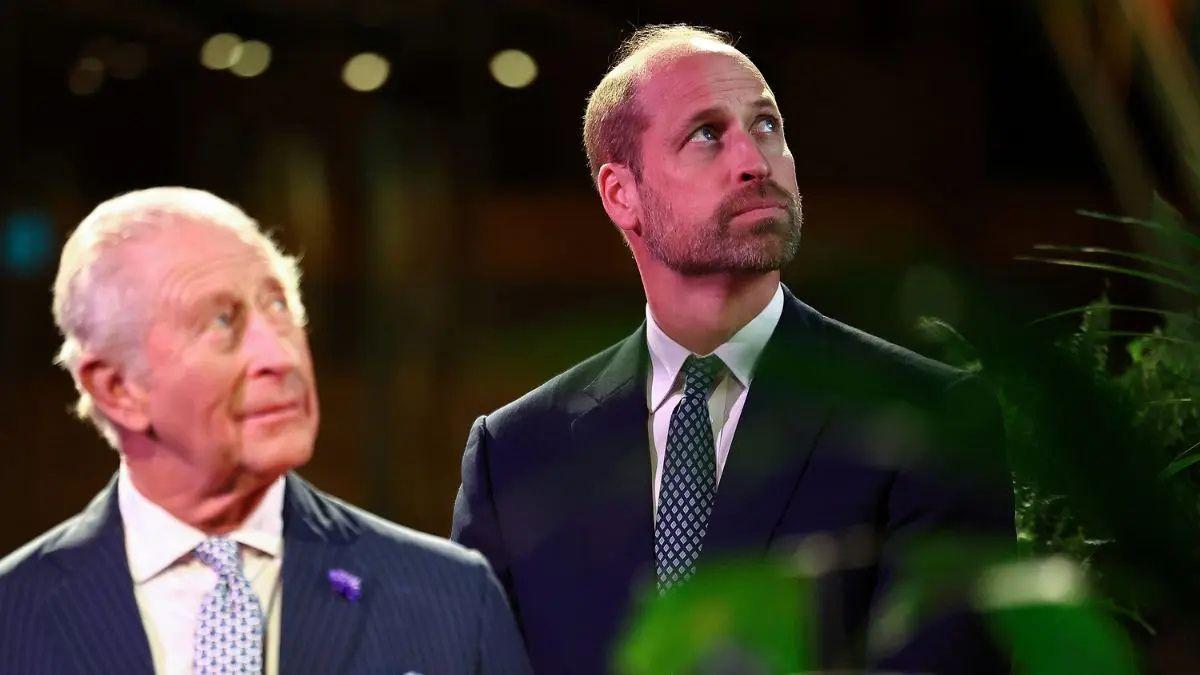
While the relationship between King Charles and Prince William has reportedly solidified in a professional sense, the chasm between Prince William and his younger brother, Prince Harry, remains wide. Recent reports detailed Harry’s visit to the U.K. earlier this month, where he reunited with King Charles and his children, Prince Archie and Princess Lilibet, for the first time in years. This meeting, while described as "energizing" for Harry, did not include a reconciliation with William. The children had not visited their father’s home country since Queen Elizabeth’s Platinum Jubilee celebrations in June 2022, underscoring the duration of the family rift.
Royal commentators largely predict that the brothers’ estrangement will persist. Jobson articulated this view, stating, "William understands he and his brother have different agendas and they have a different relationship with Charles." He further clarified William’s position: "I’m sure [William] is not in any way going to reconcile with Harry, he’s made his position pretty clear…they have different paths." The last time the brothers were known to have seen each other was at Queen Elizabeth’s funeral in September 2022, highlighting the deep-seated nature of their ongoing disagreement. The differing life choices and public narratives of the two brothers have created an almost insurmountable divide, leaving King Charles to manage relationships with both his eldest son and his estranged youngest.
The Public Eye: Managing Perception Amidst Private Discord
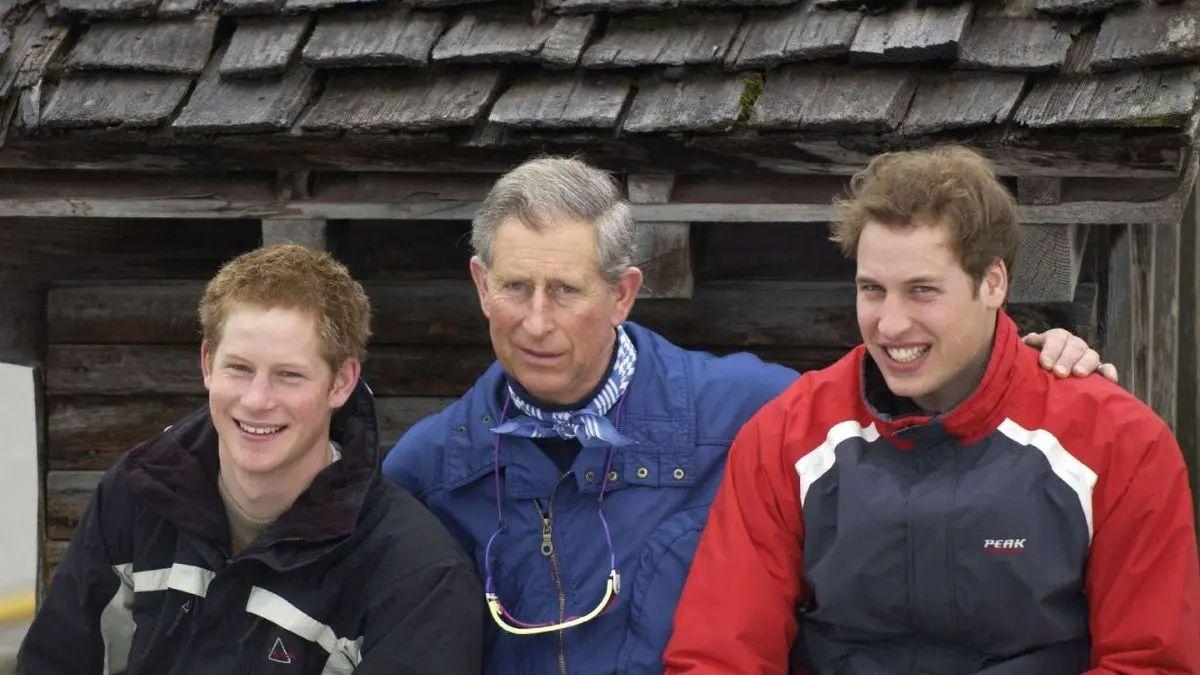
The narrative surrounding the royal family is meticulously managed, with Buckingham Palace consistently aiming to project an image of stability and unity. However, whispers of "eternal battles" between King Charles and Prince William serve as a reminder that even within the most structured institutions, personal dynamics and professional disagreements are inevitable. The public, particularly in the United States, often views the British monarchy through a lens of both fascination and scrutiny, eager for insights into the human elements behind the regal facade. Reports of tension, though downplayed as "civil, not warm," resonate with a broader understanding of father-son relationships and the challenges of inherited legacy.
For the institution, maintaining a harmonious public image is paramount. Any perceived cracks in the relationship between the monarch and his heir could fuel republican sentiment or diminish public confidence. Therefore, the ability of King Charles and Prince William to present a united front, despite their private "differences of opinion," is not merely a matter of family harmony but a strategic imperative for the future of the Crown. Their frequent meetings and ongoing conversations, as Jobson noted, are crucial for this outward presentation, even if the discussions behind closed doors are more fraught with the complexities of power and perspective.
Looking Ahead: The Enduring Challenge of Succession
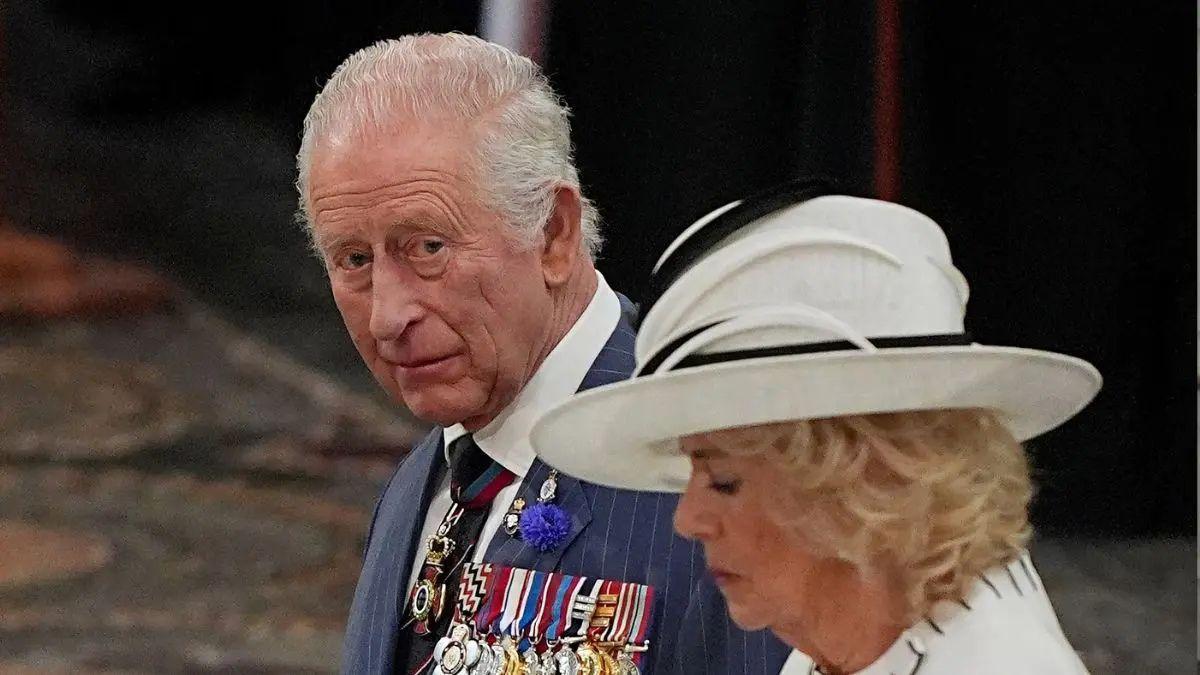
The "eternal battles" between King Charles and Prince William are more than just personal disagreements; they represent the enduring challenge of succession within a hereditary monarchy. Each generation brings new ideas, priorities, and a different understanding of how the institution should adapt to contemporary society. Charles’s long apprenticeship prepared him for the throne, and William is now undergoing his own, albeit truncated, preparation. The inherent tension between the established reign and the impending one is a historical constant, from medieval kings to modern constitutional monarchs.
As King Charles continues to shape his reign, the influence and input of Prince William will only grow. Their ability to navigate these "differences of opinion" and work collaboratively will be a defining feature of the monarchy’s immediate future. The necessity for a strong, unified leadership is underscored by the various challenges facing the United Kingdom and the Commonwealth. While the royal experts confirm that "there is no major problem" that threatens the institution itself, the ongoing dynamic between father and son will continue to be a subject of intense interest and analysis, shaping the course of the modern British monarchy for years to come.