Actor Jon Cryer recently offered a candid look into the challenging dynamics he experienced with co-star Andrew McCarthy during the 1986 filming of the iconic teen romance, Pretty in Pink. Cryer, who portrayed the beloved character Duckie Dale, characterized McCarthy as "aloof" and "a d—" during their time on set, shedding light on a strained professional relationship that simmered beneath the surface of the classic film. The revelations provide a deeper understanding of the personal complexities faced by young stars in Hollywood during the height of the 1980s "Brat Pack" era.
The Genesis of On-Set Friction
Pretty in Pink, a quintessential John Hughes production directed by Howard Deutch, captured the hearts of a generation with its poignant portrayal of high school love, class differences, and youthful angst. The film famously centers on Andie Walsh (Molly Ringwald), a working-class girl caught in a love triangle between her quirky, devoted best friend, Duckie (Cryer), and the charming, affluent Blane McDonough (McCarthy). Despite its enduring popularity and the seemingly effortless chemistry depicted on screen, Cryer’s recent statements to Page Six suggest that the reality behind the cameras was far from harmonious.
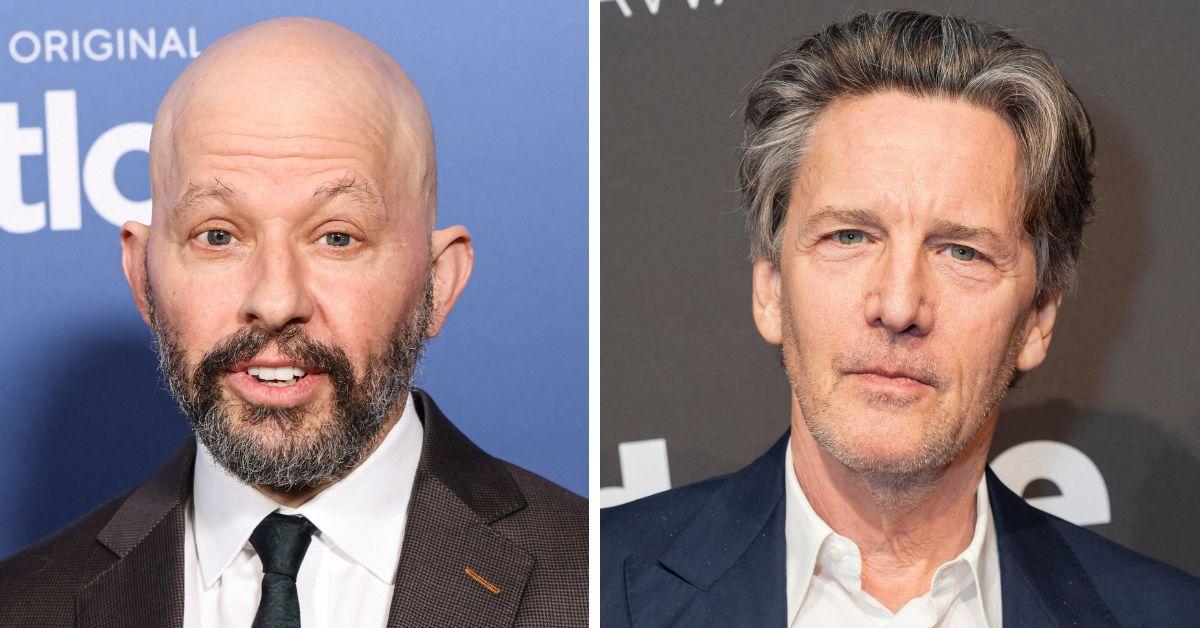
Cryer’s recollections paint a picture of significant personal distance between himself and McCarthy. The description of McCarthy as "aloof" implies a general detachment or unfriendliness, while the stronger term "a d—" indicates moments of overt unpleasantness or perceived disrespect. This candid assessment from Cryer highlights the often-unseen tensions that can arise during film production, particularly when young actors are thrust into intense working environments.
Jon Cryer’s Candid Recollections
Cryer recounted a specific incident during filming that underscored his frustration with McCarthy. During one of Cryer’s close-up shots, he observed Ringwald and McCarthy "playing around" off-camera, a distraction that evidently irked him. At the time, Cryer admitted to growing increasingly frustrated by their behavior. However, the actor later learned that this seemingly unprofessional conduct was, in fact, an intentional directorial choice. Director Howard Deutch had orchestrated the situation, deliberately encouraging the off-camera antics to provoke a more genuine, raw emotional response from Cryer for his character’s performance.
This directorial technique, while effective in achieving the desired on-screen emotion, inadvertently fostered real-world tension between the co-stars. Cryer’s initial irritation, born from a misunderstanding of Deutch’s methods, contributed to the perception of a difficult relationship with McCarthy. The actor’s reflections decades later offer a nuanced view, acknowledging the professional context that shaped his early impressions.
Andrew McCarthy’s Private Battles
Cryer’s recent openness extends beyond merely recounting on-set grievances; it includes a retrospective empathy for McCarthy’s personal circumstances during that period. Cryer admitted that he was unaware at the time that McCarthy was grappling with significant personal challenges, specifically "battling his own demons" and dealing with a "fractured family relationship." These private struggles, unknown to his co-stars, undoubtedly influenced McCarthy’s demeanor and contributed to the perceived "aloofness" Cryer observed.
McCarthy, now 63, has since publicly addressed his past struggles, revealing that he battled alcoholism and other personal issues during the production of Pretty in Pink. The pressures of burgeoning fame, coupled with pre-existing personal difficulties, can often lead young actors down challenging paths, a reality that was particularly pronounced during the intense scrutiny of the 1980s Hollywood scene. Cryer’s later understanding of these underlying issues offers a layer of mature reflection to their past professional friction.
A Memoir’s Unvarnished Truth
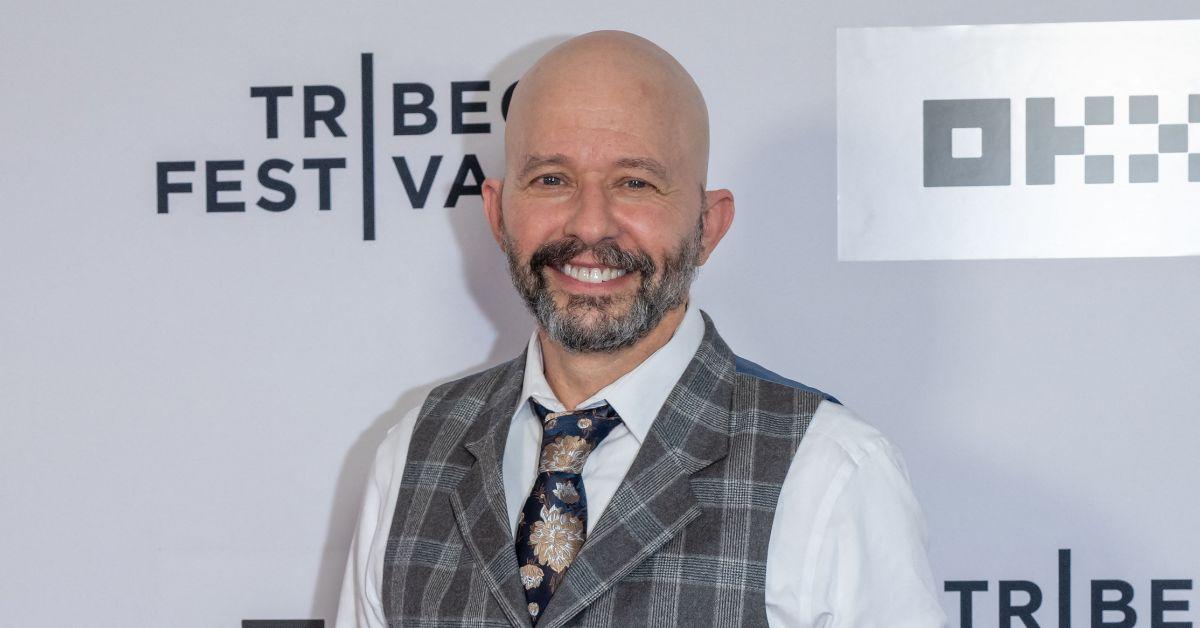
The mutual discontent between the two actors during the filming of Pretty in Pink was not a one-sided experience. Andrew McCarthy himself chronicled his frustrations with Cryer in his 2021 memoir, Brat: An ’80s Story. In the book, McCarthy candidly expressed his irritation with Cryer’s laugh, a seemingly minor detail that nonetheless underscored the personal animosity present on set. The memoir provided McCarthy’s perspective on the complexities of his youth in Hollywood and offered insight into the interpersonal dynamics that shaped one of his most iconic films.
McCarthy’s memoir delves deeply into his experiences as a prominent member of the "Brat Pack," a term coined by New York Magazine in 1985 to describe a group of young actors who frequently starred together in coming-of-age films throughout the decade. These films, often penned by John Hughes, captured the zeitgeist of youth culture and propelled actors like Ringwald, Cryer, and McCarthy to immense fame. However, the memoir also reveals the intense personal and professional pressures that accompanied this rapid ascent to stardom, often leading to substance abuse and strained relationships among the young cast members.
The Shadow of Addiction and its Aftermath
The challenges faced by McCarthy during the Pretty in Pink era were not isolated incidents but rather precursors to a more severe period of addiction. Following the film’s release and his continued rise in Hollywood, McCarthy’s substance abuse issues worsened considerably. He detailed in his memoir how he began "drinking to excess" and battled a significant cocaine addiction, particularly during the filming of another 1980s seminal film, Less Than Zero. This period marked a critical low point for the actor, with his struggles escalating to a dangerous degree.

McCarthy’s memoir recounts a harrowing incident during the production of Less Than Zero, where his addiction nearly led to a heart attack during a pool scene. This stark revelation underscores the severe physical and mental toll that substance abuse took on him during his peak years of fame. His candid account has served as a powerful testament to the hidden struggles many public figures face and the destructive potential of addiction within the high-pressure environment of the entertainment industry.
Mending Fences: A Path to Reconciliation
Despite the difficult professional relationship and personal animosities that characterized their early careers, Jon Cryer and Andrew McCarthy have seemingly found a path toward reconciliation in recent years. Cryer offered a positive update on their current dynamic, stating, "Andrew and I have had a lot of communication in the last couple of years." This indication of improved communication suggests a matured understanding and a willingness to address past tensions.
Such reconciliation is not uncommon among actors who shared intense experiences early in their careers. Decades of personal growth, self-reflection, and a greater understanding of the pressures and personal battles faced by others can often lead to a renewed perspective. The passage of time often allows for grievances to dissipate and for empathy to develop, transforming past conflicts into lessons learned rather than lingering resentments.
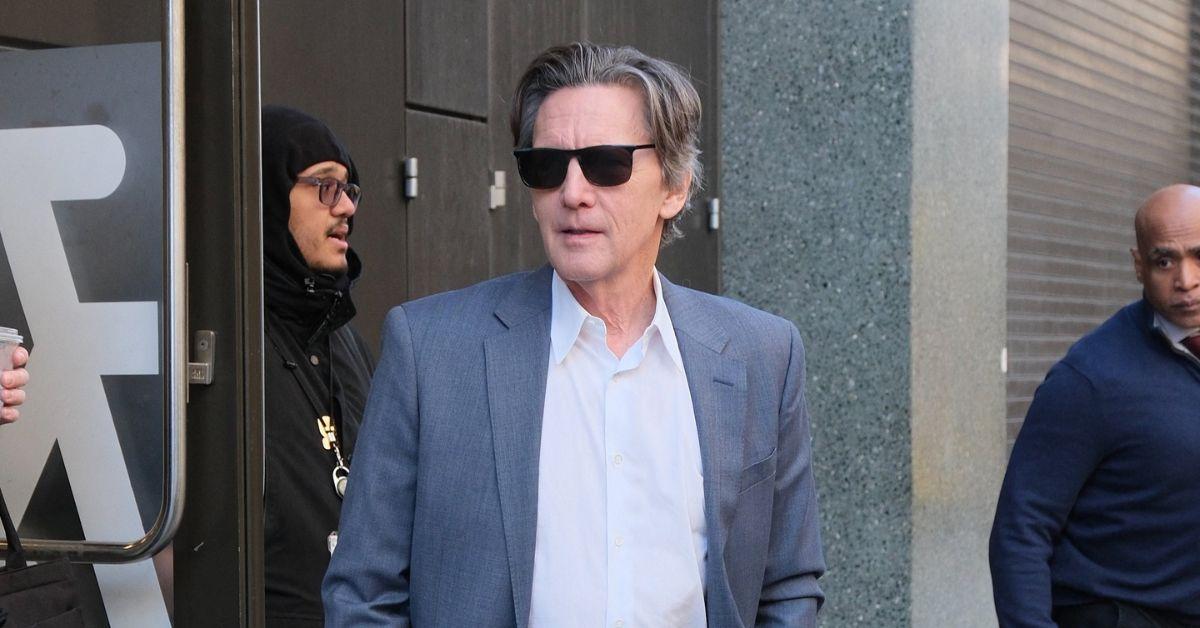
Legacy and Reflection
The revelations from Jon Cryer and Andrew McCarthy’s memoir add a complex layer to the enduring legacy of Pretty in Pink and the "Brat Pack" phenomenon. While the film remains a beloved cultural touchstone, these insights remind audiences that the magic of cinema often belies intricate human dynamics and personal struggles behind the scenes. The film’s themes of outsider status and emotional vulnerability resonated deeply with viewers, and it is now clear that some of those on-screen emotions were, in part, fueled by genuine off-screen tensions and personal challenges.
The candid discussions from both Cryer and McCarthy serve as important reminders of the immense pressures placed upon young actors in Hollywood, particularly during periods of intense fame. Their stories contribute to a broader narrative about mental health, addiction, and the often-unseen realities of celebrity life. Ultimately, their eventual communication and apparent reconciliation speak to the possibility of healing and understanding, even decades after the initial friction, offering a poignant epilogue to a storied chapter in cinematic history.