Former Honduran President Juan Orlando Hernandez has returned to his home country after nearly four years of extradition and a subsequent pardon from former U.S. President Donald Trump, a move that has ignited controversy and raised serious concerns about justice and accountability in Central America. The pardon, issued by Trump in the waning days of his presidency, effectively nullified federal charges against Hernandez in the United States, paving the way for his release from a U.S. prison and his return to Honduras, where he still faces a slate of corruption charges.
The dramatic turn of events has sparked widespread criticism from human rights activists and legal experts, who fear that Hernandez’s return will allow him to evade genuine justice in his homeland. His party currently holds the presidency in Honduras, leading to widespread apprehension that any trial on home soil would be compromised and ultimately a "sham." This development underscores a complex interplay between U.S. foreign policy, domestic political considerations, and the ongoing struggle against corruption and drug trafficking in the region.
The Path to Extradition and Conviction
Juan Orlando Hernandez, a figure who dominated Honduran politics for nearly a decade, serving as president from 2014 to 2022, was once a key U.S. ally in the war on drugs. However, this alliance began to fray as U.S. prosecutors built a case alleging his deep involvement in illicit activities. Shortly after leaving office in early 2022, Hernandez was extradited to the United States to face charges related to drug trafficking and the use of firearms.
The U.S. Department of Justice laid out a damning indictment, accusing Hernandez of facilitating the importation of over 400 tons of cocaine into the United States during his tenure. Prosecutors described his alleged involvement as part of "one of the largest and most violent drug trafficking conspiracies in the world." The evidence presented at trial painted a picture of a leader who, according to prosecutors, accepted millions of dollars in bribes from powerful drug cartels over an 18-year period, allegedly using these illicit funds to finance his political ascent and maintain his grip on power.

During his trial, Hernandez consistently denied the allegations, portraying himself as a victim of a politically motivated prosecution. He argued that his administration had actively worked to combat drug trafficking and had cooperated closely with U.S. law enforcement and military efforts. Despite his defense, a federal jury found him guilty on all counts. In March 2023, he was sentenced to 45 years in prison, a significant penalty reflecting the gravity of the charges.
Trump’s Controversial Pardon
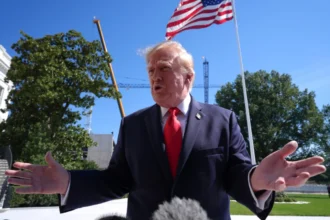
The unexpected pardon of Juan Orlando Hernandez by former President Donald Trump in December 2023 marked a sharp and controversial pivot in the case. Trump asserted that Hernandez had not received a fair trial and claimed the proceedings were a "set up" orchestrated by the administration of President Joe Biden. According to Trump, Hernandez was "treated very harshly and unfairly."
The U.S. Constitution grants the president broad clemency powers, allowing for pardons or commutations of federal sentences. A pardon absolves an individual of their federal crimes and restores their civil liberties, while a commutation reduces a sentence without necessarily clearing a conviction. In Hernandez’s case, the pardon effectively wiped away the federal convictions that led to his imprisonment in the United States.
Trump’s decision to pardon Hernandez has been widely scrutinized, particularly given the extensive evidence presented by U.S. prosecutors detailing Hernandez’s alleged criminal enterprise. Critics point to the potential for such pardons to undermine the justice system and embolden individuals accused of serious crimes. The timing of the pardon, shortly before Hernandez’s potential extradition to Honduras for domestic charges, further fueled speculation about political motivations.
The Return to Honduras and Lingering Questions
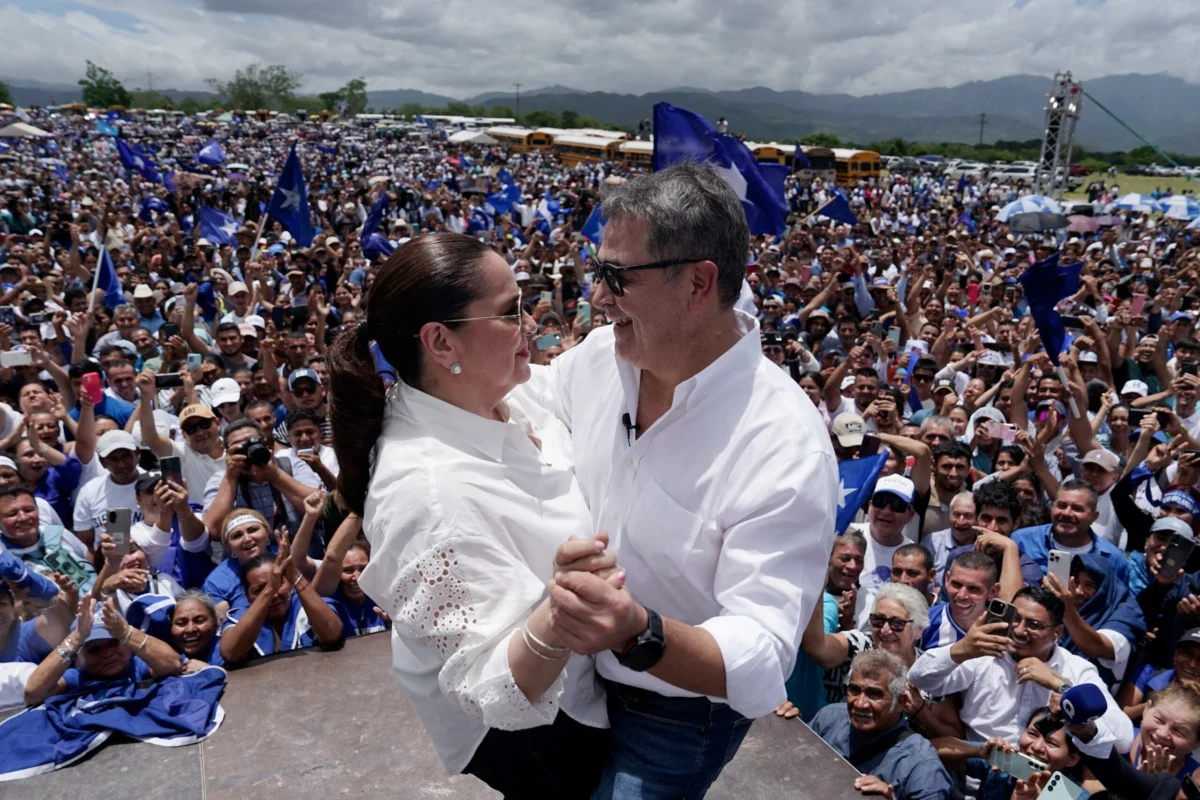
Following his pardon and release from U.S. custody, Hernandez’s immediate return to Honduras was facilitated by the suspension of an arrest warrant against him there. He arrived at Palmerola International Airport, where he was reportedly met by family members and supporters of his National Party, the political organization he once led. His return on Sunday, July 26, 2026, marked the end of his time in U.S. detention but the beginning of a new chapter fraught with legal uncertainty and public apprehension.

Hernandez is expected to appear in a Honduran court on August 3 to face the charges of corruption that have been pending against him. These charges stem from investigations into alleged financial improprieties during his time in office, including accusations detailed in the Pandora Papers investigation. This probe implicated Hernandez in the alleged diversion of nearly $11 million in state funds to political campaigns between 2010 and 2013.
The prospect of Hernandez facing justice in Honduras has been met with significant skepticism. Human rights organizations and legal advocates have voiced deep concerns that the current political climate, with his party in power, will prevent a fair and impartial trial. The fear is that his influence and connections within Honduras could allow him to manipulate the legal process, leading to an acquittal or a minimal sentence, thereby escaping true accountability for his alleged actions.
The Maduro Contrast: A Pattern of Clemency and Enforcement
The Trump administration’s approach to Hernandez stands in stark contrast to its actions concerning Venezuelan President Nicolás Maduro. In January 2026, U.S. forces controversially abducted Maduro and his wife, Cilia Flores, from Caracas, bringing them to New York to face federal charges including "narcoterrorism," conspiracy, drug trafficking, and money laundering. This operation highlighted a more assertive, enforcement-oriented strategy against leaders deemed adversaries, even if it involved unconventional methods like abduction.
The juxtaposition of pardoning a convicted drug trafficker like Hernandez while simultaneously arresting and prosecuting a head of state like Maduro on similar allegations has drawn sharp criticism. Critics argue that this selective application of justice and clemency reveals a pattern of political expediency rather than a consistent commitment to upholding the rule of law. The Trump administration’s actions in the Caribbean and eastern Pacific, including strikes against small boats suspected of drug trafficking that resulted in numerous deaths, have also been characterized as extrajudicial by many legal experts and activists.
Broader Implications and Concerns for Regional Stability
The pardon of Juan Orlando Hernandez and his subsequent return to Honduras have significant implications for regional stability and the fight against organized crime. It raises questions about the U.S. commitment to combating corruption and drug trafficking in Central America, particularly when political considerations appear to outweigh judicial outcomes. The potential for Hernandez to exert influence from within Honduras could further destabilize a region already grappling with poverty, violence, and migration.
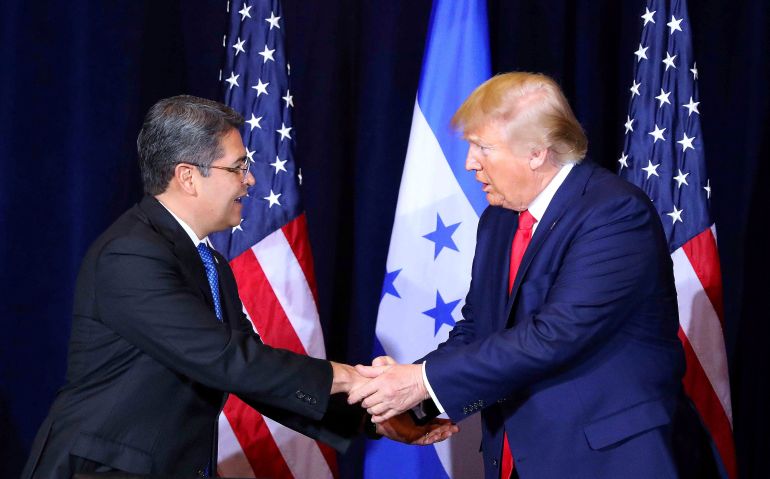
Furthermore, the actions of the Trump administration regarding clemency have come under intense scrutiny. Since taking office for a second term in January 2025, Trump has reportedly issued over 1,800 acts of clemency. This included pardons for prominent figures, political allies, and even individuals involved in the January 6, 2021, Capitol riot. Legal scholars and constitutional experts have warned that the use of pardon power for potentially corrupt purposes, such as shielding allies or obstructing justice, could form the basis for impeachment proceedings.
Bruce Fein, a U.S. constitutional expert, has argued that the framers of the U.S. Constitution understood the abuse of the pardon power to protect political or personal friends as a "high crime and misdemeanor" justifying presidential removal. The decision to pardon Hernandez, particularly in light of the evidence presented at his trial, has been cited as a prime example of such potential abuse.
The Road Ahead: Accountability and Justice
As Juan Orlando Hernandez prepares to face charges in Honduras, the international community and human rights advocates will be watching closely. The outcome of these domestic proceedings will be a critical test of Honduras’s judicial independence and its willingness to hold powerful figures accountable. The shadow of the U.S. pardon looms large, creating an uphill battle for those seeking justice.
The case of Juan Orlando Hernandez serves as a stark reminder of the complex and often politically charged nature of international justice. It highlights the challenges in prosecuting powerful individuals entangled in drug trafficking and corruption, and the profound impact that presidential clemency can have on these efforts. The coming weeks and months will reveal whether Honduras can deliver a fair trial and genuine accountability, or if the former president will indeed escape the full consequences of his alleged actions, a scenario that would send a troubling message throughout Latin America and beyond.