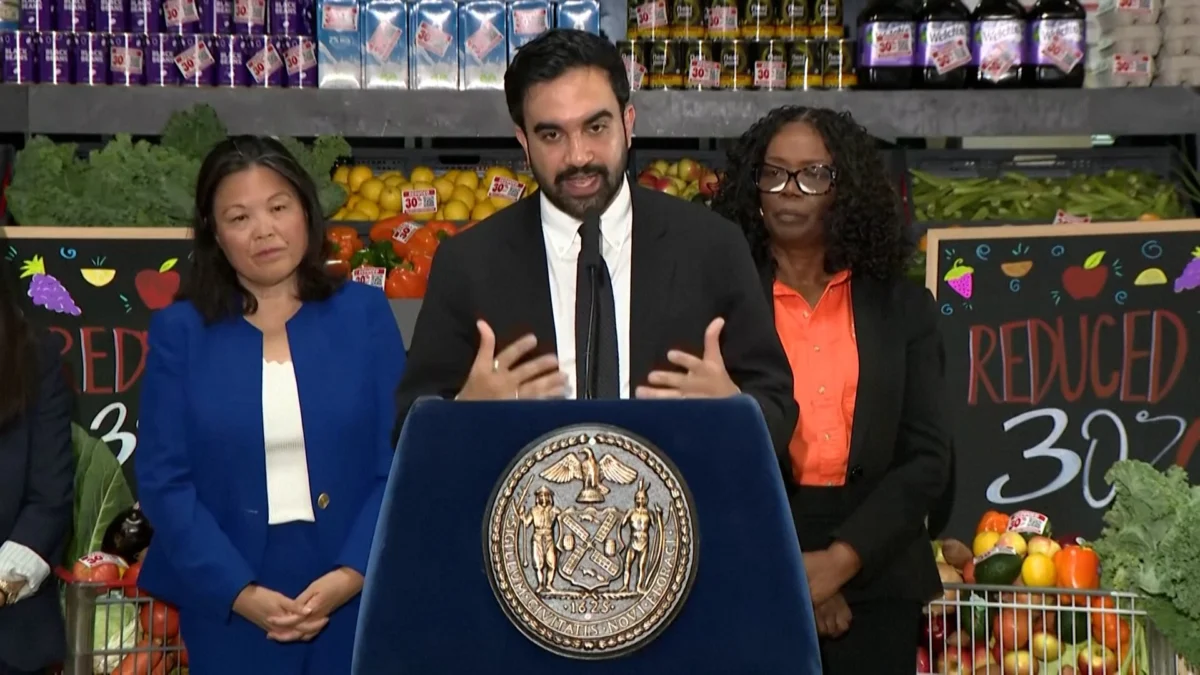
New York City Mayor Zohran Mamdani has unveiled a significant initiative to combat the escalating cost of living crisis gripping the metropolis, announcing a program that will offer pre-assembled grocery baskets at city-run stores for 30% less than prevailing retail prices. This bold move, aimed at providing immediate financial relief to struggling New Yorkers, marks the latest in a series of measures designed to ease the burden of rising expenses on city residents.
The program, set to launch at five strategically located city-run markets, represents a direct intervention by the municipal government into the food affordability landscape. The discounted grocery baskets are intended to provide a tangible and accessible source of savings for families and individuals grappling with inflation that has disproportionately affected essential goods. This proactive approach underscores Mayor Mamdani’s administration’s commitment to addressing the economic pressures faced by the city’s diverse population.
Addressing the Deepening Cost of Living Crisis
New York City, a global hub of commerce and culture, has for months been grappling with an acute cost of living crisis. Inflationary pressures, exacerbated by global supply chain disruptions and rising energy costs, have pushed the prices of everyday necessities, particularly groceries, to unprecedented levels. This economic strain has created significant hardship for a substantial portion of the city’s residents, including low-income families, essential workers, and seniors on fixed incomes.
The initiative to provide 30% discounted grocery baskets is a direct response to these pressing concerns. It acknowledges the reality that many New Yorkers are struggling to afford basic food staples, forcing difficult choices between essential purchases. The program’s design, offering pre-selected baskets, aims to streamline the process for consumers and ensure a consistent availability of affordable food options.
Background of Food Insecurity in the City
Food insecurity has long been a persistent challenge in New York City, but the current economic climate has amplified its severity. Pre-existing disparities in access to affordable and nutritious food have been widened, with the most vulnerable communities bearing the brunt of rising prices. Food banks and charitable organizations have reported increased demand, signaling a growing need that government intervention is now seeking to address more directly.
Mayor Mamdani’s administration has been under increasing pressure to implement concrete solutions beyond existing social programs. The 30% discount initiative is seen by many as a necessary step to provide immediate relief, complementing longer-term strategies aimed at economic stability and affordability.
The Mechanics of the Discounted Grocery Basket Program
The forthcoming program will feature five city-run grocery stores, which will serve as the distribution points for the discounted baskets. While the exact contents of the baskets are still being finalized, they are expected to contain a selection of staple food items, including produce, grains, dairy, and proteins, curated to offer a balanced and cost-effective dietary foundation. The 30% discount will be applied at the point of sale, providing an immediate and significant saving for purchasers.
The selection of these five stores is strategic, aiming to maximize accessibility for a broad range of residents across different boroughs. The city plans to monitor the program’s uptake and impact closely, with the potential for expansion to more locations should it prove successful. This phased approach allows for careful evaluation and refinement before wider implementation.
Ensuring Affordability and Accessibility
The success of the program hinges on its ability to genuinely alleviate financial burdens. By setting the prices at 30% below retail, the city aims to make these baskets significantly more affordable than purchasing comparable items individually at market rates. This deep discount is a deliberate strategy to make a noticeable difference in household budgets.
Furthermore, the city is exploring partnerships with local food suppliers and distributors to secure these goods at competitive wholesale prices, enabling the steep discount to be absorbed without compromising the quality or nutritional value of the food. The operational logistics of procuring, stocking, and selling these baskets are being meticulously planned to ensure a smooth and efficient rollout.
Broader Implications for New York’s Economy and Residents
The introduction of heavily subsidized grocery baskets has several potential implications for New York City’s economic landscape and its residents. On a micro-level, it offers immediate relief to households struggling with food costs. This can translate into more disposable income for other essential expenses, such as rent, utilities, and healthcare, thereby providing a much-needed financial cushion.
On a broader economic scale, the initiative could influence local food markets. By offering a significantly cheaper alternative, the program may put pressure on existing retailers to adjust their pricing strategies, potentially leading to wider cost reductions in the grocery sector over time. However, it also raises questions about the long-term sustainability of such a heavily subsidized program and its potential impact on private sector food businesses.
Impact on Food Deserts and Access to Nutritious Food
The program has the potential to particularly benefit residents in underserved communities, often referred to as "food deserts," where access to affordable and healthy food options is limited. By establishing distribution points in these areas, the city can improve food security and promote healthier eating habits. This direct intervention addresses systemic issues of food access that have plagued certain neighborhoods for years.
The availability of nutritious food at a reduced cost can have a ripple effect on public health, potentially leading to lower rates of diet-related illnesses and improved overall well-being within these communities. The focus on pre-assembled baskets also simplifies the shopping experience, making it easier for busy families and individuals to access healthy meals.
Public and Political Reactions to the Initiative
The announcement of the 30% discounted grocery baskets has been met with a mix of optimism and scrutiny from various stakeholders. Consumer advocacy groups and residents facing economic hardship have largely welcomed the initiative as a much-needed intervention. They view it as a positive step towards addressing the immediate crisis and demonstrating governmental commitment to supporting its citizens.
Conversely, some business groups and fiscal conservatives have raised concerns about the program’s financial implications for the city’s budget and its potential to disrupt the private food retail market. Questions have been posed regarding the long-term funding mechanisms for such subsidies and whether this represents a sustainable solution or a temporary measure. The political discourse surrounding the initiative is expected to intensify as its implementation nears.
Perspectives from Economists and Community Leaders
Economists are weighing in on the potential effects of such a program. Some argue that it could act as a targeted stimulus for lower-income households, boosting local spending and providing relief. Others caution that it could distort market prices and create dependency on government subsidies, potentially hindering long-term economic self-sufficiency.
Community leaders, particularly those representing areas with high rates of food insecurity, have expressed a strong desire for the program’s success. They emphasize the critical need for tangible support and see this initiative as a potential lifeline for many families on the brink of financial distress. Their involvement will be crucial in ensuring the program reaches those who need it most.
Next Steps and Future Outlook
Mayor Mamdani’s administration has indicated that the launch of the discounted grocery basket program is imminent, with detailed operational plans currently being finalized. The coming weeks will likely see further announcements regarding the specific locations of the five participating stores and the precise contents and pricing of the baskets.
The success of this initiative will be measured not only by the number of baskets sold but also by its demonstrable impact on reducing household food expenditures and alleviating food insecurity across the city. The administration has committed to ongoing evaluation and is open to adapting the program based on its real-world performance and community feedback. This forward-looking approach suggests a willingness to iterate and improve, ensuring the program remains effective in its mission.
The long-term outlook for tackling New York City’s cost of living crisis remains complex, but this latest initiative represents a significant, tangible effort by the city government to provide direct relief and address a critical need. The 30% discount on grocery baskets is more than just a price reduction; it is a signal of the administration’s intent to actively intervene and support its residents through challenging economic times, aiming to foster a more affordable and equitable urban environment for all New Yorkers.