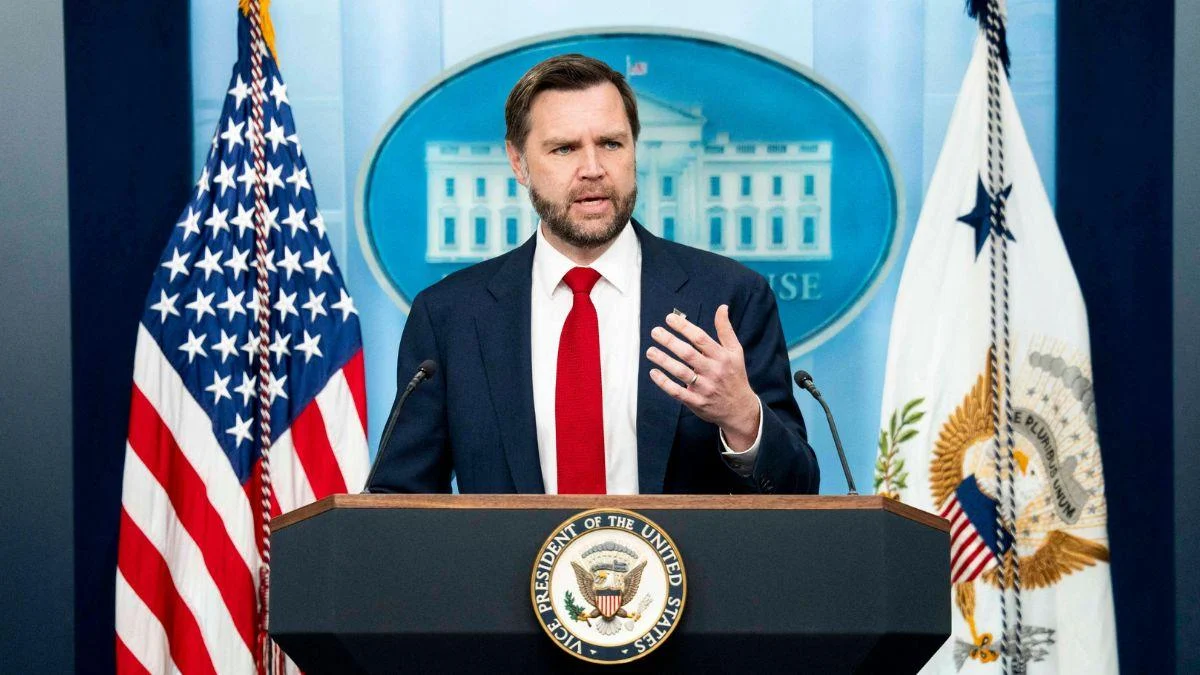
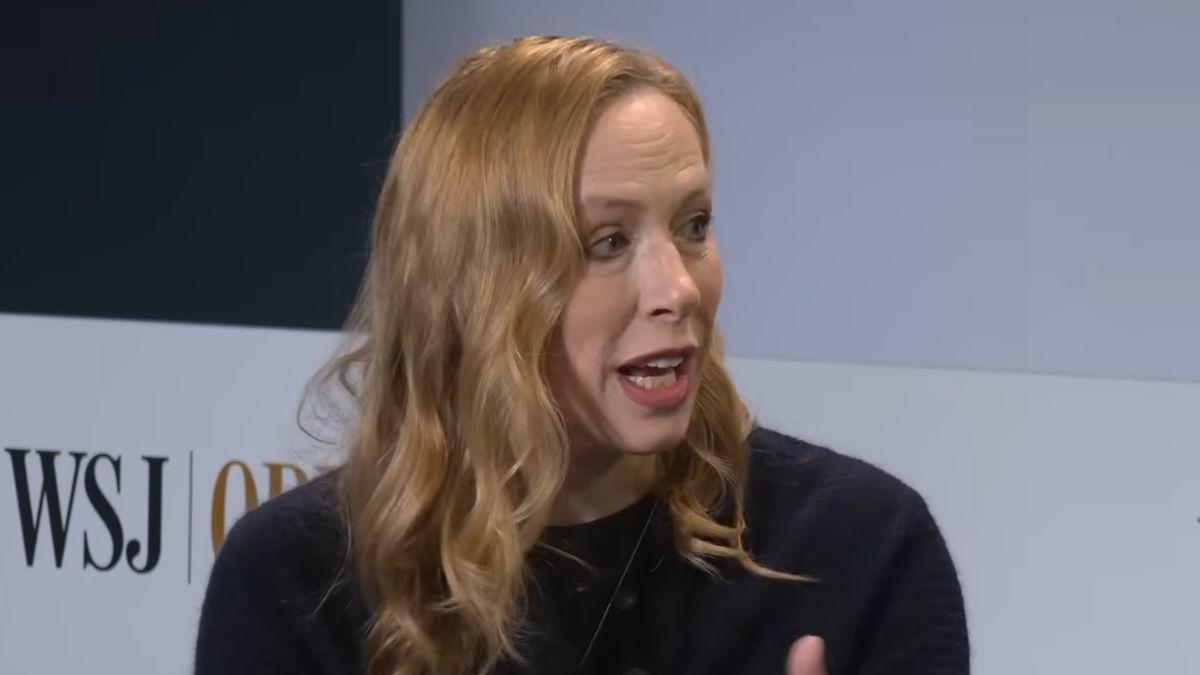
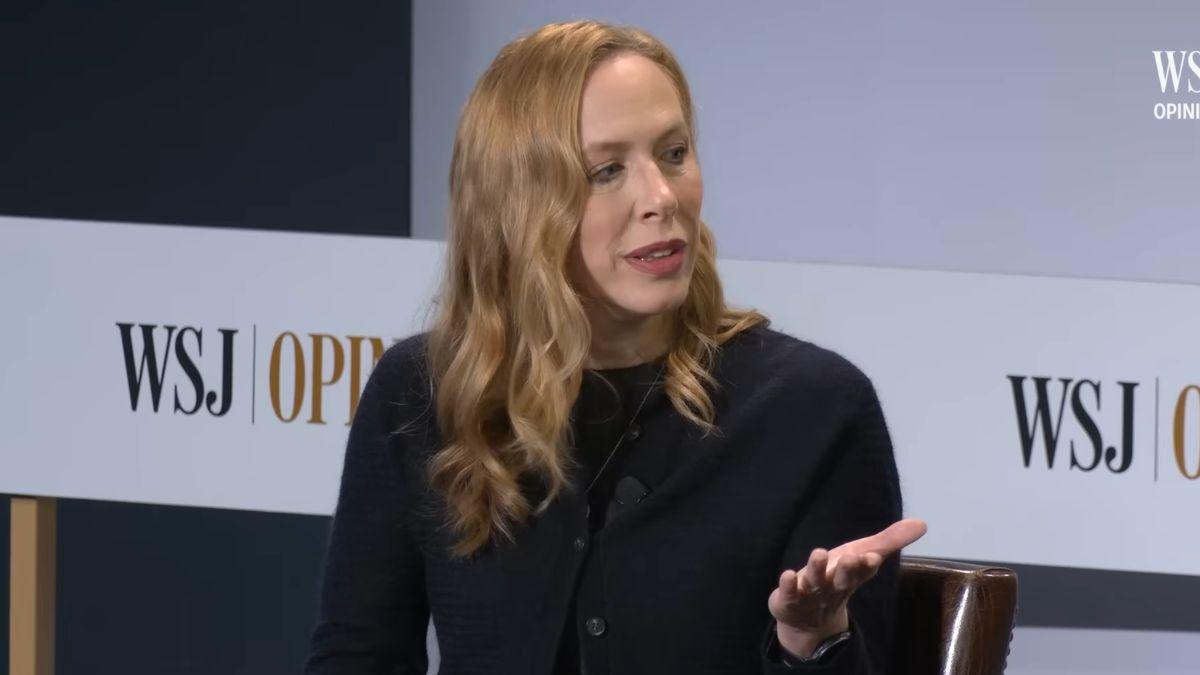
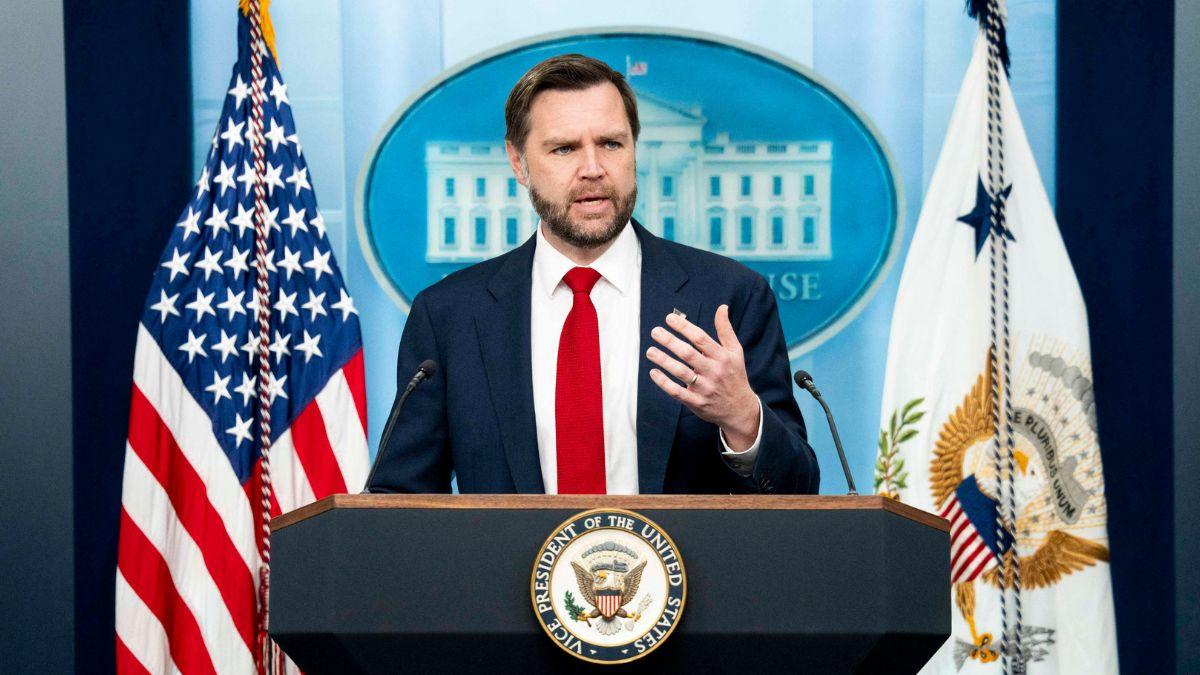
Vice President J.D. Vance’s recent book tour has ignited a sharp public dispute with a prominent conservative columnist, drawing significant backlash and offering an early glimpse into the intense scrutiny and internal party battles that could define his potential 2028 presidential ambitions. The clash, primarily with Wall Street Journal opinion writer Kimberley A. Strassel, has escalated into a broader debate over political priorities, media loyalty, and the evolving dynamics within the Republican Party, particularly concerning a sitting Vice President’s responsibilities during a period of critical national and international challenges.
A Vice President’s Disappearance: The Genesis of Criticism
The friction began with Strassel’s column, provocatively titled "President Vance Goes AWOL," published last week in the influential Wall Street Journal. In her piece, Strassel directly criticized Vice President Vance for prioritizing the promotion of his new memoir, Communion, over what she described as his essential duties to assist congressional Republicans during a tumultuous legislative session. Her core argument was that Vance’s absence left a critical void in White House-Capitol Hill liaison at a time when Republicans were grappling with a series of high-stakes issues.
The Washington Post Confirms "War on Iran" as a Key Issue
Among the pressing concerns highlighted by Strassel were "negotiations connected to Trump’s war on Iran." This reference points to a period of heightened geopolitical tension and complex diplomatic efforts surrounding the U.S. stance and actions regarding Iran. While details of specific negotiations remain sensitive, the context suggests ongoing discussions within the administration and Congress on military posture, sanctions, and potential conflict resolution strategies in the Middle East. Such foreign policy challenges typically demand the full engagement of the executive branch, including the Vice President, who often serves as a key envoy and negotiator.
The Vice President’s Mandate
Traditionally, the Vice President plays a crucial role as a bridge between the White House and Congress, serving as a trusted ambassador for the President’s agenda, rallying party members, and facilitating legislative progress. During periods of significant policy debate or international crisis, the Vice President’s presence and advocacy are often considered indispensable for marshaling support, conveying presidential directives, and mediating disagreements. Strassel’s critique underscored the perception that Vance’s focus on his book tour detracted from these critical responsibilities, raising questions about his commitment to the day-to-day governance demands of his office.
"Communion" and the Campaign Trail
Vice President Vance’s book tour for Communion has become an unexpected flashpoint in this conservative media feud. The tour included various media appearances, notably a nearly three-hour interview with podcast host Joe Rogan in Texas on July 14. This extensive media blitz occurred while legislative negotiations were reportedly underway in Washington and as the administration navigated the complexities of its foreign policy agenda, including the situation with Iran.
Strategic Media Choices
Vance’s decision to engage in a prolonged book tour, particularly his lengthy interview on the highly popular Joe Rogan Experience, reflects a modern political strategy aimed at reaching a broad, often non-traditional audience. Communion is widely understood to delve into Vance’s political philosophy, personal journey, and vision for the country, aligning with his public brand as a national conservative. While book tours are common for public figures, the timing and duration of Vance’s tour drew particular scrutiny, given his current position and the perceived urgency of congressional matters. His supporters argued that engaging directly with the public outside traditional media channels is a valid way to shape public opinion and build support for his political platform, which could ultimately serve the administration’s goals.
The Counter-Attack: Loyalty and Lashing Out
The immediate aftermath of Strassel’s initial column saw a swift and robust defense of Vice President Vance from his political allies and online supporters. This rapid retaliation transformed what began as a policy critique into a contentious debate about internal party loyalty and ideological allegiance. The intensity of the response prompted Strassel to pen a follow-up column, further detailing what she characterized as an aggressive pushback from Vance’s camp.
The "Parental Leave" Defense
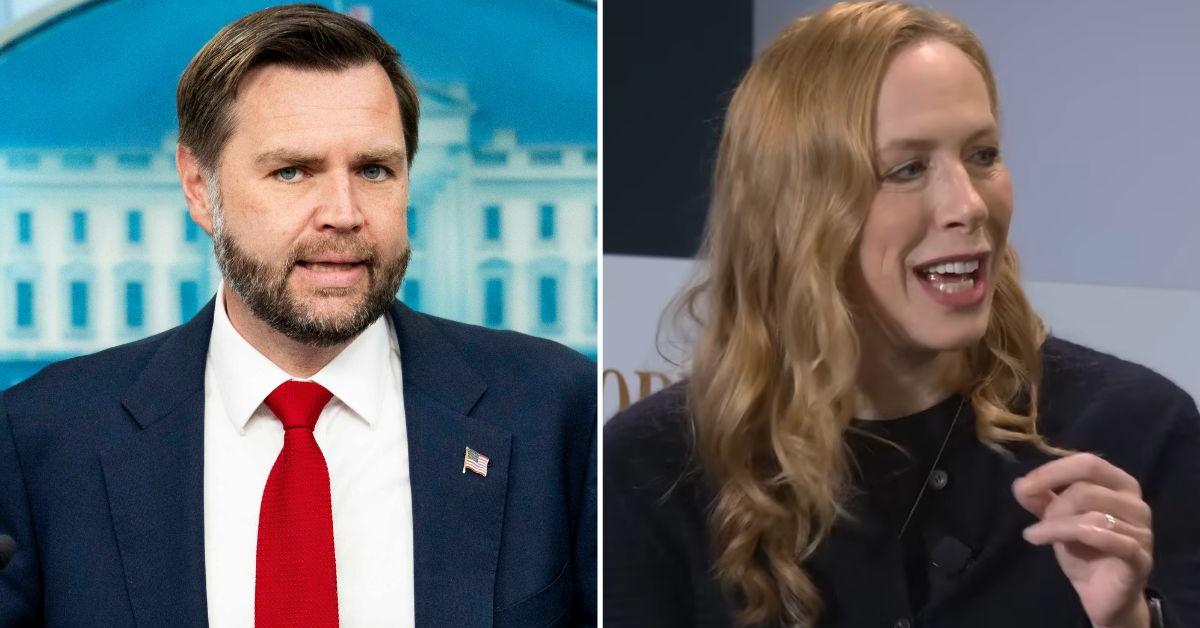
Among the defenses mounted for Vance’s absence, podcast host Katie Miller notably suggested it constituted "parental leave." This argument implied that Vance was taking time away from his official duties for family reasons, specifically the birth of his youngest son. However, Strassel quickly countered this defense, noting that her original column had been written before Vance’s son was born, thus invalidating the premise of the parental leave justification for his earlier absence during critical legislative periods. The discrepancy highlighted the reactive nature of the defense and further fueled the narrative of Vance’s camp being overly sensitive to criticism.
Strassel’s Stinging Retort: "Sensitive Bunny" and Media Tactics
In her follow-up Wall Street Journal column, titled "How to Lose Friends and Alienate People, by J.D. Vance," Kimberley Strassel escalated her critique, not only reaffirming her initial points but also directly addressing the nature of the backlash she received. Her piece portrayed Vance and his supporters as unusually thin-skinned, particularly in contrast to how other prominent Republicans she had criticized in the past had handled her commentary.

Demands for Correction
Strassel revealed that Vance’s press team had contacted her editors, demanding "corrections" to her initial column. This move, often seen as an attempt to control narrative and push back against unfavorable coverage, was interpreted by Strassel as a sign of insecurity rather than a legitimate factual dispute. Such direct engagement with editorial teams over opinion pieces is not uncommon in Washington but can sometimes backfire by drawing more attention to the original criticism and reinforcing a perception of vulnerability to scrutiny.
"Online Enforcers" and "Whataboutisms"
Beyond the official channels, Strassel pointed to Vance’s "dreary band of online enforcers" who, she claimed, responded to her critique with a barrage of "whataboutisms and falsehoods." This characterization highlights a prevalent tactic in modern political discourse, where online allies quickly mobilize to deflect criticism by shifting focus to other issues or figures, often distorting facts in the process. Strassel famously concluded that Vance was "a sensitive bunny," asserting that any individual aspiring to the presidency would need to develop "thicker skin" to withstand the inevitable media scrutiny and political attacks. This pointed remark underscored the high expectations for resilience and composure demanded of potential White House candidates.
Deepening Rifts: The MAGA Movement’s Internal Struggles
The ongoing feud between Vance and Strassel is more than a personal spat; it has exposed deeper ideological fissures and strategic disagreements within the broader conservative and MAGA movements. The dispute reflects an internal struggle for the direction of the Republican Party, particularly as it looks toward a post-Trump future. Vance’s specific comments on foreign policy, combined with the nature of the backlash, underscore the complexity of uniting disparate factions under a single banner.
Israel Policy and "Reasonable Moderate" Stance
A significant point of contention emerged from Vance’s Joe Rogan interview, where he described himself as a "reasonable moderate" on Israel policy. This self-characterization, particularly his nuanced stance on the ongoing conflict and U.S. involvement, triggered a separate wave of criticism from certain voices on the online right. Within the conservative movement, there are varying degrees of support for Israel, ranging from staunch, unconditional backing to more isolationist or "America First" positions that prioritize domestic issues and question extensive foreign entanglements. Vance’s description of himself as "moderate" potentially alienated elements of the pro-Israel conservative base who demand unwavering support, while perhaps appealing to others seeking a more measured foreign policy approach. This internal disagreement over Israel policy illustrates a growing divergence among different conservative constituencies.
Accusations of "Coordinated Ops"
In response to the amplified criticism surrounding his Iran and Israel comments, Vance dismissed the online backlash as "manufactured," accusing "paid influencers" of targeting him dishonestly. "Well, go to h—," Vance retorted on the podcast, signaling his disdain for what he perceived as inauthentic attacks. An unnamed Vance ally further echoed this sentiment, telling the Wall Street Journal that it was "obvious to anyone with an IQ above 70" that the "pile-on was totally inauthentic and probably coordinated to a certain extent." These accusations highlight a growing trend in digital politics where campaigns and political actors frequently allege organized disinformation or smear campaigns, often without concrete evidence, to discredit critics and control narratives. Such claims, whether true or not, contribute to a climate of distrust and further polarize political discourse.
The Shadow of 2028: Presidential Ambitions Under Fire
This very public conservative feud has immediate and significant implications for J.D. Vance’s potential 2028 presidential ambitions. The incident serves as an early, albeit intense, stress test of his ability to navigate internal party divisions, manage media scrutiny, and maintain a consistent political message under pressure. For any aspiring presidential candidate, how they handle such early skirmishes can profoundly shape their public image and electability in the long run.
Early Polling and Emerging Rivals
Despite the recent criticism, J.D. Vance reportedly continues to lead early Republican polling for the 2028 presidential nomination. However, the article notes that Secretary of State Marco Rubio, himself a former presidential candidate, is gaining ground. This suggests a fluid and competitive field, even at this nascent stage. Other potential candidates within the Republican Party are undoubtedly observing Vance’s handling of this controversy, looking for weaknesses or opportunities to differentiate themselves. The ability to unite disparate factions of the party, from traditional conservatives to the MAGA base, will be crucial for any candidate seeking the nomination.
The Test of Leadership
The incident offers a critical insight into Vance’s leadership style and political temperament. His and his allies’ reactions to Strassel’s critique — from demands for corrections to accusations of coordinated attacks — could be interpreted in various ways. Some might see it as a necessary defense against unfair criticism, demonstrating a willingness to fight for his agenda. Others might view it as a sign of immaturity or an inability to withstand the rigorous media scrutiny that is a prerequisite for a presidential campaign. The expectation for a potential commander-in-chief is to project strength, resilience, and a steady hand, particularly when faced with internal dissent or external challenges. How Vance processes and moves past this episode will undoubtedly be scrutinized by voters and political strategists alike.
Consequences and the Road Ahead
The fallout from J.D. Vance’s feud with Kimberley Strassel is likely to have lasting consequences, both for his individual political trajectory and for the broader Republican landscape as it looks toward the 2028 election cycle. This early internal conflict highlights the complex terrain that potential presidential candidates must navigate, particularly in an era of fractured media and intense ideological polarization.
Shaping Public Perception
The dispute will inevitably shape public perception of Vance. For his core supporters, the attacks may reinforce their belief that he is an outsider fighting against the establishment, a narrative that often resonates with the MAGA base. For more traditional conservatives, however, his perceived sensitivity and the aggressive response from his team might raise concerns about his temperament and ability to unite the party. Moderates and independents, observing from the sidelines, may see a politician embroiled in internal squabbles rather than focused on substantive policy debates.
A Precedent for Future Battles
This incident could also set a precedent for future internal Republican contests. As the party grapples with its post-Trump identity and searches for its next leader, similar ideological purity tests and loyalty battles are likely to emerge. The methods used by both sides in this feud – detailed media critiques, online counter-attacks, and accusations of orchestrated campaigns – are likely to become standard tactics in the run-up to 2028. The challenge for any Republican candidate will be to articulate a vision that can bridge the divides within the party while simultaneously fending off attacks from both internal critics and external political opponents. The path to the White House for J.D. Vance, or any other contender, appears fraught with these kinds of early, intense skirmishes.