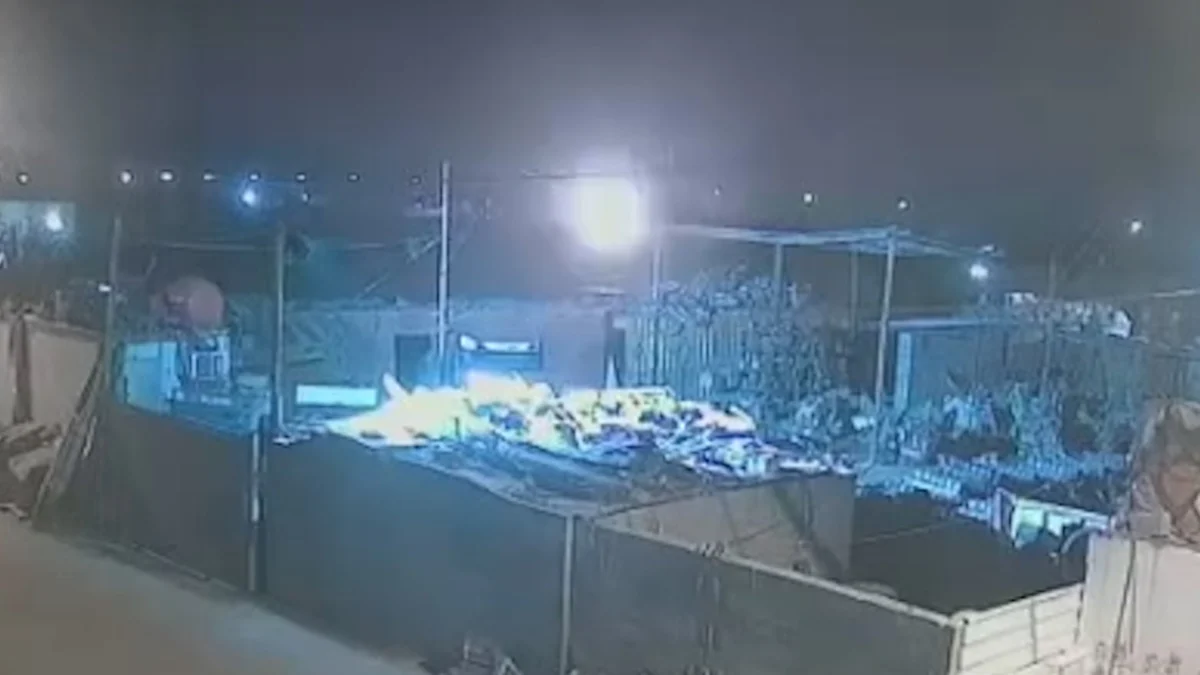
Joint air strikes by the United States and Saudi Arabia targeted Iran-aligned militias in Iraq, escalating regional tensions following a series of drone attacks that struck U.S. military installations and Saudi oil infrastructure. Riyadh stated its participation was an act of self-defense, while Iraqi security officials reported significant casualties among the Popular Mobilization Forces, a coalition of predominantly Shiite militias with close ties to Tehran.
Escalation in the Middle East
The coordinated strikes, which occurred in the early hours of July 29, 2026, represent a significant military escalation in a region already grappling with proxy conflicts and intermittent violence. U.S. officials confirmed the strikes were a direct response to recent provocations, including a sophisticated drone attack that penetrated Saudi airspace and damaged critical oil processing facilities, and a separate incident that targeted U.S. forces stationed at a base in western Iraq.
The U.S. Central Command (CENTCOM) issued a statement detailing the objectives of the operation, emphasizing the neutralization of capabilities used to launch the attacks. The statement also highlighted the defensive nature of the operation, underscoring the shared security interests between Washington and Riyadh in combating destabilizing regional actors.
Saudi Arabia’s Stance on Self-Defense
Saudi Arabia, a key U.S. ally in the Middle East, has long been a target of drone and missile attacks attributed to Iran and its proxies. The recent damage to its oil infrastructure, a cornerstone of the global energy market and the Saudi economy, served as a critical catalyst for its involvement in the joint military action.
A spokesperson for the Saudi Ministry of Defense stated that the kingdom had exhausted diplomatic avenues and was compelled to act to protect its sovereignty and vital national interests. The ministry further asserted that the strikes were precisely targeted to degrade the operational capacity of the groups responsible for the attacks, minimizing the risk of collateral damage.
The Popular Mobilization Forces: A Complex Network
The Popular Mobilization Forces (PMF), also known as Hashd al-Shaabi, is a state-sponsored umbrella organization of Iraqi Shiite militias. While officially integrated into Iraq’s security apparatus, many of its constituent groups maintain strong ideological and operational links with Iran’s Islamic Revolutionary Guard Corps (IRGC).
The PMF has played a significant role in combating the Islamic State (ISIS) in Iraq, but its increasing influence and alleged actions against regional adversaries have drawn scrutiny from the U.S. and its allies. The reported casualties among the PMF in the recent strikes are a stark reminder of the complex geopolitical landscape within Iraq and the delicate balance of power among various armed factions.
Previous Drone Attacks and Growing Tensions
The immediate precursor to the joint strikes was a series of escalating drone attacks. The most significant of these occurred just days prior, when unmanned aerial vehicles breached Saudi air defenses, causing a fire at a major oil processing plant. While initial reports suggested minimal impact on production, the symbolic and psychological implications were substantial, raising concerns about the vulnerability of Saudi energy assets.
Simultaneously, U.S. intelligence indicated a pattern of similar drone activity targeting U.S. military positions within Iraq. These attacks, though often attributed to unidentified groups, were consistently linked by U.S. authorities to Iran-aligned militias seeking to pressure the U.S. military presence in the region. The cumulative effect of these attacks created an undeniable impetus for a decisive response.
Geopolitical Implications and Regional Stability
The joint U.S.-Saudi operation injects a new layer of complexity into the already volatile Middle East. The action underscores the strategic alignment between Washington and Riyadh in confronting what they perceive as Iranian expansionism and its use of proxy forces to destabilize the region.
The strikes could have far-reaching consequences, potentially leading to retaliatory actions from Iran or its proxies, further escalating tensions across the Persian Gulf and beyond. Analysts are closely monitoring the situation for any signs of a wider conflict, particularly concerning the security of vital shipping lanes and global energy supplies.
The Role of Iran and its Proxies
Iran has consistently denied direct involvement in attacks carried out by groups operating under its influence, often framing them as independent actions by resistance movements. However, Western intelligence agencies and regional adversaries maintain that Tehran provides crucial funding, training, and weaponry to these militias, effectively directing their operations.
The PMF, in particular, has been a focal point of this debate. While praised by some in Iraq for its role in fighting ISIS, its alleged involvement in sectarian violence and its alignment with Iranian interests have made it a contentious issue in regional security discussions.
Public Impact and Economic Concerns
The immediate impact of the strikes on the Iraqi populace remains a critical concern. Reports of significant casualties among the PMF raise questions about civilian presence at targeted locations and the potential for unintended consequences. Humanitarian organizations are likely to be closely watching for any reports of civilian harm and will advocate for adherence to international humanitarian law.
On the global stage, the strikes have already sent ripples through financial markets. The vulnerability of Saudi oil facilities, as demonstrated by the recent drone attack, highlights the precariousness of global energy security. Any perception of escalating conflict in the region can lead to increased oil prices, impacting economies worldwide, particularly in import-dependent nations.
U.S. Strategy in the Middle East
The U.S. has maintained a significant military presence in Iraq and Syria, primarily aimed at preventing the resurgence of ISIS and countering Iranian influence. The decision to engage in joint strikes with Saudi Arabia signals a renewed commitment to a more assertive posture against Iran-aligned groups, potentially marking a shift in U.S. regional strategy.
This action could be interpreted as a message to Tehran that the U.S. and its partners are prepared to defend their interests and allies through direct military means when necessary. The long-term effectiveness of such a strategy in achieving regional stability, however, remains a subject of ongoing debate among foreign policy experts.
Historical Context of U.S.-Saudi Cooperation
The United States and Saudi Arabia have a long-standing strategic partnership, rooted in shared security interests and economic ties, particularly in the energy sector. While their relationship has faced periods of strain, joint military operations, especially those aimed at countering perceived threats to regional stability, have been a recurring feature.
This latest collaboration builds upon a history of coordinated efforts in counterterrorism and regional security. However, the specific targeting of Iran-aligned groups in Iraq introduces a new dimension to their alliance, one that directly confronts a major regional rival.
The Future of Regional Security
The coming days and weeks will be crucial in determining the trajectory of regional tensions following these strikes. All parties involved, including Iran, Iraq, the United States, and Saudi Arabia, will be closely assessing their next moves.
Diplomatic channels, though often strained, will likely be tested as international actors attempt to de-escalate the situation and prevent a wider conflagration. The effectiveness of these diplomatic efforts, coupled with the military and political responses from the involved nations, will shape the future security landscape of the Middle East. The commitment to maintaining stability in the vital energy-producing region remains a paramount concern for the international community.