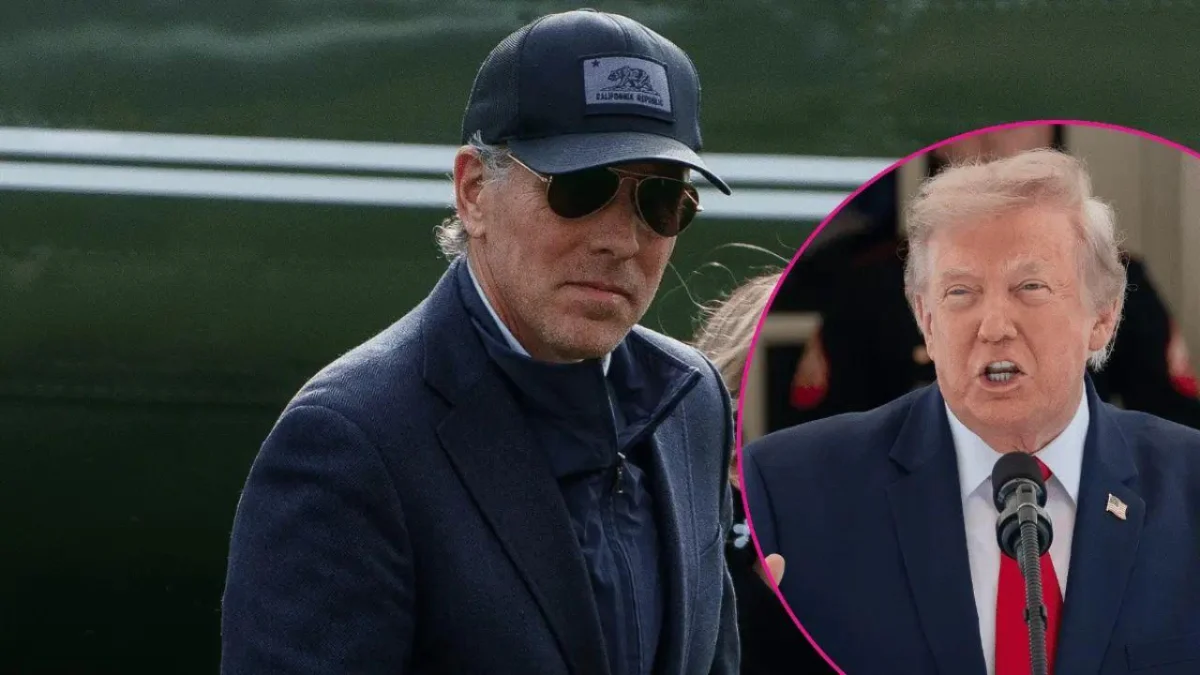
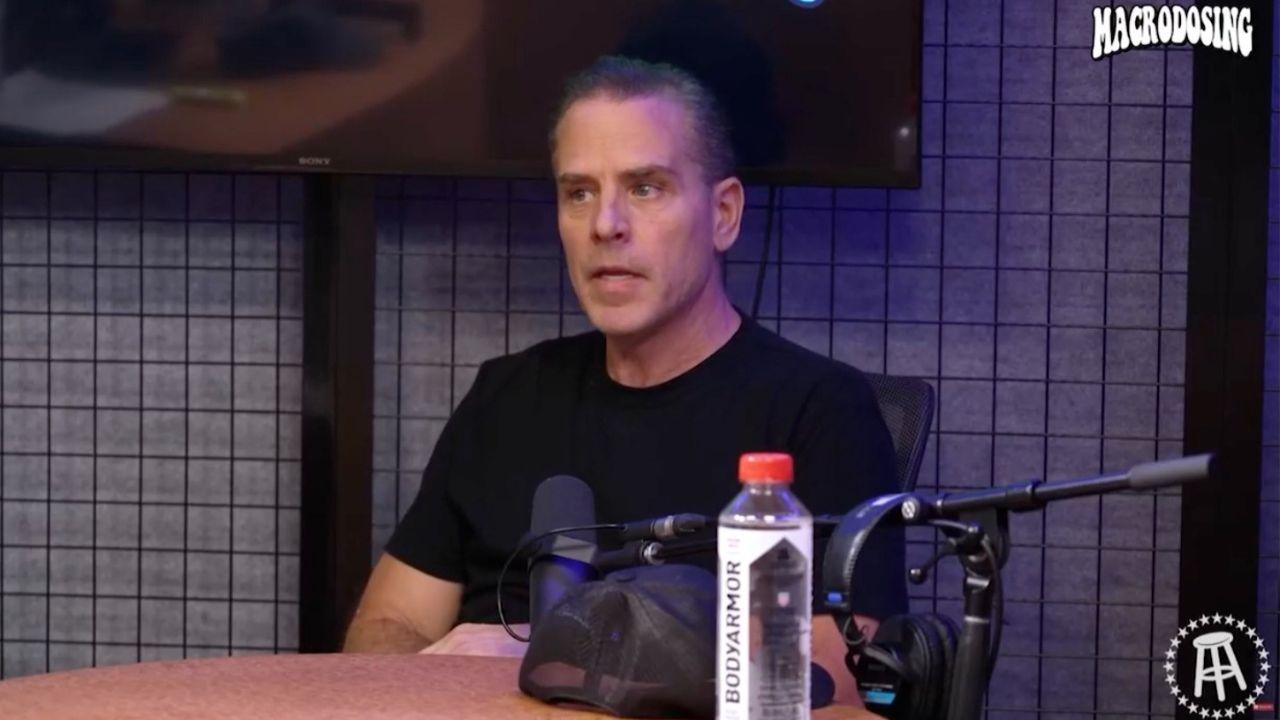
Hunter Biden launched an expletive-laden verbal assault against Donald Trump and his entire family, stating during a recent podcast appearance that he hopes their names will forever be associated with "ignominy." The remarks, delivered during a July 30 interview on Barstool’s "Macrodosing" podcast, underscore the escalating personal animosity between the nation’s two most prominent political families. Biden, 56, expressed a profound desire for the Trumps’ enduring disgrace, reflecting deep-seated resentment over years of public and political conflict.
The impassioned outburst saw President Joe Biden’s son specifically target Donald Trump, his sons, daughter, and even his grandchildren. "F— him. F— his sons. F— his daughter. I mean it, all of them, the whole family, down to the grandchildren," Hunter Biden declared. He further articulated his hope that "for the rest of time that I am on this Earth, that their names live in ignominy." This exceptionally strong language highlights the intense personal nature of the political rivalry that has defined American politics for nearly a decade.
Escalating Political and Personal Animosity
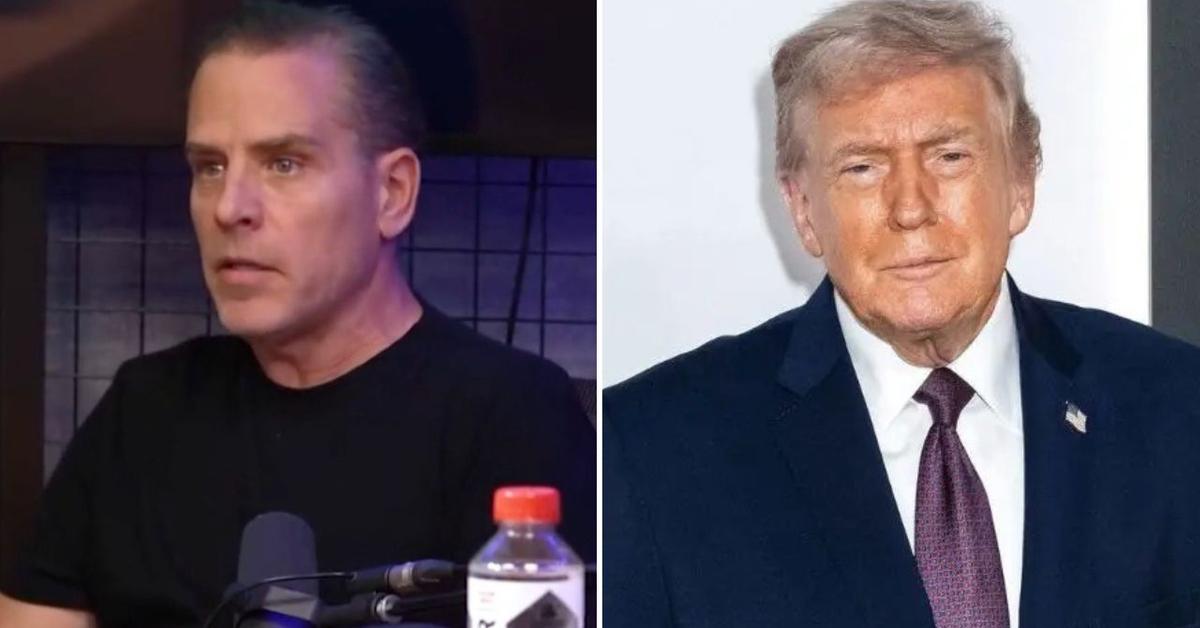
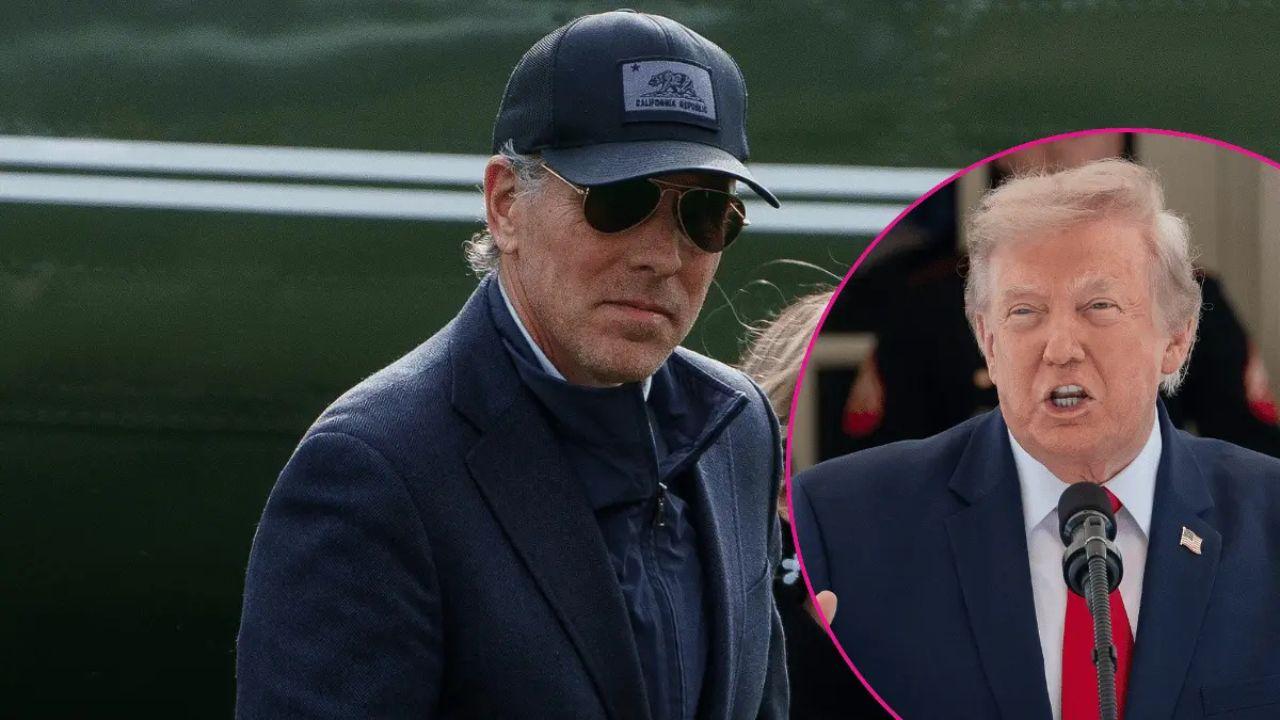
Hunter Biden’s scathing comments emerge from a protracted and often bitter feud between the Biden and Trump families, marked by relentless public attacks and legal skirmishes. The relationship between the two political dynasties has been characterized by mutual accusations and personal slights, escalating significantly since Donald Trump’s 2016 presidential campaign and continuing through his presidency and Joe Biden’s subsequent election. The Trumps frequently targeted Hunter Biden during the 2020 election cycle, focusing on his business dealings and personal struggles, which the Biden camp viewed as politically motivated attacks on a private citizen.
The "ignominy" remark, signifying public shame or dishonor, is a potent choice of words, reflecting a desire for lasting condemnation. In political discourse, such a wish often aims to delegitimize opponents not just politically but morally, seeking to tarnish their legacy indefinitely. This level of personal animosity, openly expressed by a direct family member of a sitting president, underscores the unprecedented polarization in contemporary American political culture. The public nature of these attacks, delivered on widely accessible media platforms, further amplifies their reach and impact on the political narrative.
The Genesis of Hunter Biden’s Outrage
Hunter Biden explicitly linked his vitriol to what he perceives as the Trump family’s relentless and disrespectful treatment of his own relatives. He questioned what kind of response would be expected from him given the public attacks leveled against his father, President Joe Biden, and his mother, First Lady Jill Biden. "What would you expect me to say about a man who treats my father that way, publicly? What would you expect me to say about a man that treats my mother this way? That treats my sister that way?" Biden asked, implying that his fury is a direct consequence of perceived provocations.
A significant point of contention alluded to by Hunter Biden was the alleged involvement of the Trump family in the theft and attempted dissemination of his sister Ashley Biden’s personal diary. This incident, which unfolded prior to the 2020 presidential election, remains a sensitive and legally fraught issue for the Biden family. The diary, reportedly containing deeply personal reflections on Ashley Biden’s struggles with addiction and other private matters, was stolen from a rental property in Florida. Its contents were subsequently allegedly shopped to various right-wing media outlets and to Donald Trump’s reelection campaign, though it was not widely published at the time.
The Ashley Biden Diary Controversy
The saga of Ashley Biden’s stolen diary became a focal point of controversy, illustrating the extreme lengths to which political operatives allegedly went to unearth potentially damaging information ahead of a critical election. Federal prosecutors later became involved, leading to charges against individuals accused of stealing the diary and attempting to sell it. Project Veritas, a conservative activist group known for its undercover operations, was implicated in attempts to acquire and publish the diary. Two individuals, Aimee Harris and Robert Kurlander, later pleaded guilty to conspiring to transport stolen property across state lines, admitting they sold the diary to Project Veritas for $40,000.
While the original article states it remains "unclear who viewed the diary," reports from The New York Times indicated that Donald Trump Jr. was approached with the material but reportedly showed no interest and advised that anyone in possession of such an item should turn it over to the FBI. This detail, if accurate, suggests a nuanced reaction from within the Trump orbit regarding potentially illicitly obtained information. However, the perception within the Biden family, as articulated by Hunter, is that the Trumps were implicitly or explicitly involved in or benefited from the attempt to weaponize his sister’s private struggles against their family. The incident underscored concerns about privacy, political espionage, and the ethical boundaries of campaign tactics.

Hunter Biden’s Unfiltered Public Stance
Hunter Biden’s willingness to express such raw, unvarnished anger is often attributed to his unique position. As he stated during the "Macrodosing" podcast, "I’m not running for anything. So I can say whatever the f— I want." This declaration highlights his perceived freedom from the political constraints that typically muzzle the family members of elected officials. Unlike his father, who must maintain a presidential demeanor, or his sister, who largely remains out of the public eye, Hunter Biden has often leveraged his public platform to address criticisms and defend his family with less inhibition.
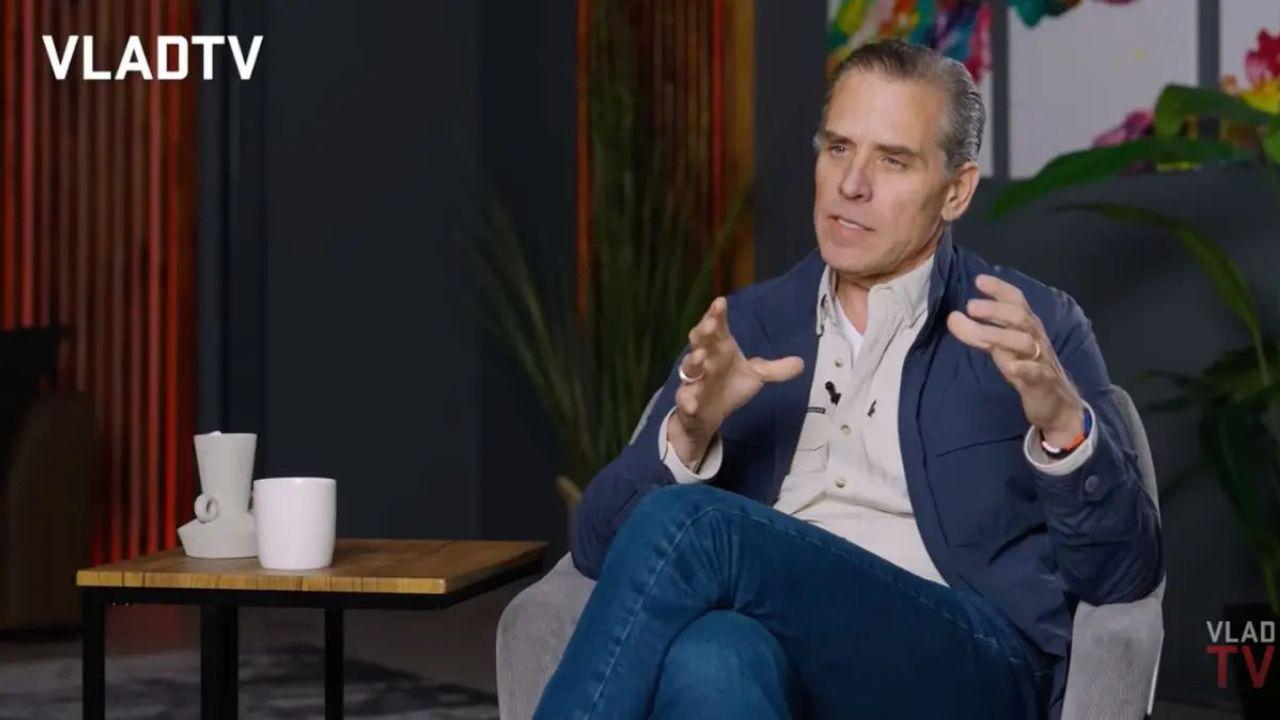
This recent tirade is not an isolated incident. Earlier in the month, in an interview with "Vlad TV" on July 15, Hunter Biden was asked what he would say directly to Donald Trump if given the opportunity. His response was equally blunt and defiant: "I would tell him to go f— his f—— self, that’s what I would tell him. And please leave." This earlier comment set a precedent for the intense, personal nature of his subsequent remarks, signaling his readiness to confront the former president with aggressive language. These public statements offer a rare glimpse into the personal toll that high-stakes political conflict takes on the families involved.
The Broader Context of Political Warfare
Hunter Biden’s aggressive rhetoric is deeply rooted in his belief that Donald Trump has subjected him and his family to a decade of relentless torment. During the "Vlad TV" interview, he asserted, "This man has tried to torture me for f—— ten years." He specifically referenced the former president’s sustained attacks on his father, including what he described as Trump’s "obsession with tormenting my dad" and demeaning gestures such as "Hanging a picture of an autopen on the colonnade." These perceived slights, combined with the continuous public scrutiny of his own life and legal challenges, have evidently fueled Hunter Biden’s profound resentment.
The son of the President further challenged the notion that he should remain "civil" with Trump, despite the former president’s status. "What the f— kind of man would I be if I didn’t tell him to go f— himself?" he demanded, emphasizing his sense of obligation to defend his family against what he views as unjust and prolonged attacks. This perspective frames his outbursts not as unprovoked aggression but as a protective reaction to years of what he considers personal and political persecution.
Analysis and Broader Implications
Hunter Biden’s explicit and uncensored attacks on the Trump family serve several functions within the current political landscape. Firstly, they act as a forceful counter-narrative to the years of criticism leveled against him and his father by Donald Trump and his allies. By directly engaging with and mirroring the aggressive rhetoric often employed by the former president, Hunter Biden positions himself as a defender of his family rather than a passive target. This approach, while controversial, resonates with some segments of the public who appreciate directness, particularly in an era of heightened political polarization.
Secondly, these remarks contribute to the ongoing narrative of a deeply personal and irreconcilable feud between the Biden and Trump families, which extends beyond policy differences into matters of personal conduct and perceived moral failings. This familial dimension adds an emotional layer to the political rivalry, transforming it into a saga that captures public attention and fuels media discourse. The timing of these comments, particularly in the run-up to future elections, ensures they will be analyzed for their potential impact on voter sentiment and the broader political climate.
Impact on Public Discourse and Political Culture
The use of such strong, expletive-laden language by a high-profile political figure’s family member inevitably sparks debate about the civility of public discourse. While some may condemn the language as inappropriate and further divisive, others might view it as an authentic expression of frustration in response to what they perceive as equally aggressive attacks from the opposing side. This dynamic reflects a broader trend in modern American politics where traditional decorum has often been abandoned in favor of more confrontational and emotionally charged rhetoric.
The public’s reaction to Hunter Biden’s statements will likely be split along partisan lines, with supporters viewing his remarks as justified defiance and critics seeing them as further evidence of personal instability or a lack of presidential gravitas. Regardless, the comments ensure that the personal antagonisms between the Biden and Trump families remain a significant feature of the political landscape. This perpetual sparring, often extending to family members, underscores the challenges of fostering unity and bipartisan cooperation in a political environment dominated by deeply entrenched personal grievances.
Reactions and Future Trajectories
The Trump camp has not yet issued an official response to Hunter Biden’s latest remarks, but it is highly probable that such a response will be forthcoming, likely mirroring the combative tone that has characterized their interactions. These exchanges perpetuate a cycle of attack and counter-attack, ensuring that the personal feud remains a relevant backdrop to policy debates and electoral contests. Media outlets will undoubtedly dissect the comments, analyzing their implications for the Biden administration, Hunter Biden’s ongoing legal issues, and Donald Trump’s political ambitions.
The persistent animosity between these two families serves as a potent symbol of the deep divisions within the United States. It highlights how personal grievances can become intertwined with national politics, influencing public perception and shaping the discourse surrounding major elections. As the nation moves closer to critical electoral cycles, such direct and incendiary rhetoric from family members of leading political figures is likely to intensify, continuing to blur the lines between personal conflict and public policy debates.