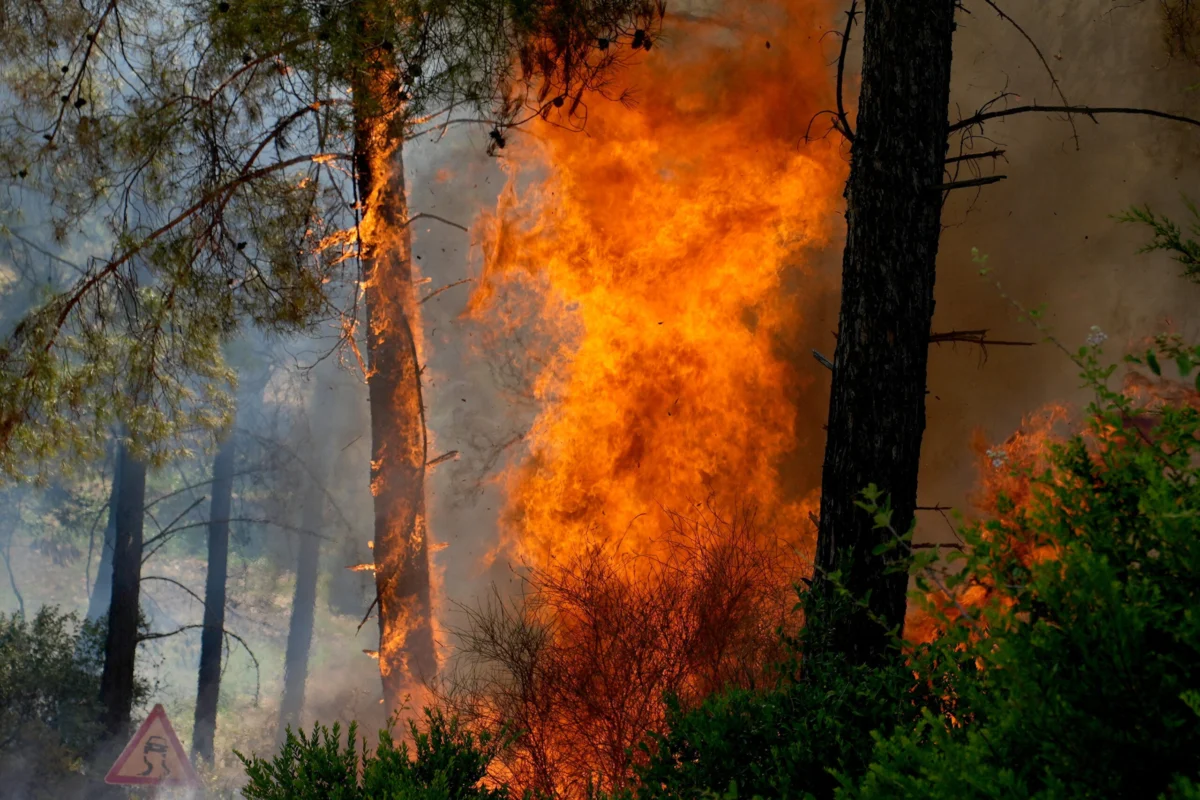
Southern Europe is experiencing a dramatic increase in wildfire risk, with the frequency of summer days conducive to fires more than doubling since 1981, according to new scientific findings. This "major intensification" of fire-prone weather is directly linked to climate change, researchers reported, with particularly acute impacts observed in France and Spain, regions currently grappling with some of the most extensive blazes in recorded history.
Escalating Fire Weather Conditions
The scientific study, published in Scientific Reports, meticulously details a concerning trend: the proliferation of days characterized by a dangerous trifecta of searing temperatures, critically low humidity, and strong winds. These atmospheric conditions create a tinderbox environment, significantly increasing the likelihood and ferocity of wildfires. Lead study co-author Raul Cordero unequivocally attributed this steep rise in fire weather frequency to global warming, emphasizing that natural climate variability alone cannot account for the observed escalation.
This year’s wildfire season across Europe has already surpassed the intensity of 2025, a year that itself set a record for destructive blazes. The prolonged heatwaves and dry spells have created a volatile landscape, challenging the capacity of firefighting resources across the continent. While recent cooling temperatures and rainfall have offered some respite in specific regions, the underlying threat remains, with high-pressure systems pushing the fire danger eastward.
France and Spain Battle Historic Blazes
France and Spain, long accustomed to seasonal wildfires, have faced unprecedented challenges this summer. In France, the southwest region experienced its largest wildfire since 1949, forcing the evacuation of over 84,000 residents. The sheer scale and intensity of this blaze tested the limits of emergency services, with the return of evacuees only possible after significant containment efforts.
Similarly, Spain battled a wildfire near its capital, Madrid, described as the most significant since records began in 1961. The proximity of this fire to a major urban center underscored the growing risk to populated areas. While national emergency measures were lifted as the fires came under control, the memory of the close call serves as a stark reminder of the changing threat landscape.
Eastward Spread of Wildfire Danger
As the heat dome shifted, the wildfire threat migrated eastward. Greece has been particularly hard-hit, with multiple fires igniting across the country, fanned by gale-force winds. The island of Crete saw two firefighters tragically lose their lives on Wednesday, and another fatality was reported in the Peloponnese region as blazes raged.
Greek Prime Minister Kyriakos Mitsotakis acknowledged the severity of the situation, stating, "We have difficult days ahead of us." The country’s fire department has been stretched thin, battling numerous incidents simultaneously. The combination of high temperatures, dry vegetation, and strong winds has created a highly combustible environment, making containment efforts arduous.
Turkiye has also been engaged in a large-scale response to wildfires, with firefighters tackling at least 115 incidents across the nation. While the majority of these blazes were brought under control, the sheer volume of fires highlights the widespread nature of the crisis. The Minister of Agriculture reported on the ongoing efforts to contain the remaining fires.
Biodiversity Under Threat in the UK
Even regions not typically associated with extensive wildfires have felt the impact. In eastern England, an enormous wildfire erupted at Dunwich Heath, a site of significant biodiversity. This blaze, one of the largest in the region’s recent history, necessitated evacuations and led to widespread road closures, disrupting local communities and threatening a fragile ecosystem. The incident underscores the expanding geographical reach of extreme fire conditions.
Underlying Causes and Broader Implications
The scientific consensus points to human-induced climate change as the primary driver of this intensification of fire weather. Rising global temperatures are leading to hotter, drier summers, creating conditions that are increasingly favorable for the ignition and rapid spread of wildfires. This phenomenon is not confined to Southern Europe; similar trends are being observed in other fire-prone regions around the world.
The consequences of these escalating wildfires are multifaceted. They pose immediate threats to human life and property, as evidenced by the tragic fatalities and extensive evacuations. Beyond the immediate emergency response, there are significant long-term impacts on ecosystems, with the destruction of natural habitats and the loss of biodiversity. The economic toll is also substantial, encompassing the costs of firefighting, property damage, and the disruption of tourism and agriculture.
The Future of Fire Management
The ongoing increase in wildfire activity necessitates a re-evaluation of fire management strategies. This includes not only enhancing immediate response capabilities but also investing in preventative measures such as forest management, controlled burns, and early warning systems. The role of climate change mitigation remains paramount; reducing greenhouse gas emissions is crucial to curbing the long-term trend of escalating fire risk.
Public awareness and preparedness are also critical components of a comprehensive approach. Educating communities about the risks associated with dry conditions, promoting responsible behavior during fire seasons, and ensuring adequate emergency planning can help mitigate the impact of future wildfires. The challenge is to adapt to a new reality where fire seasons are becoming longer, more intense, and more unpredictable.
A Continent Under Strain
The summer of intense wildfires across Europe serves as a stark illustration of the tangible effects of a warming planet. From the Mediterranean coast to the shores of the United Kingdom, the impact is undeniable and widespread. As scientists continue to monitor these trends, the urgency for decisive action on climate change mitigation and adaptation becomes increasingly apparent. The fight against these infernos is not just about extinguishing flames; it is about safeguarding lives, protecting vulnerable ecosystems, and building resilience against a changing climate. The interconnectedness of these challenges demands a coordinated and sustained global response.