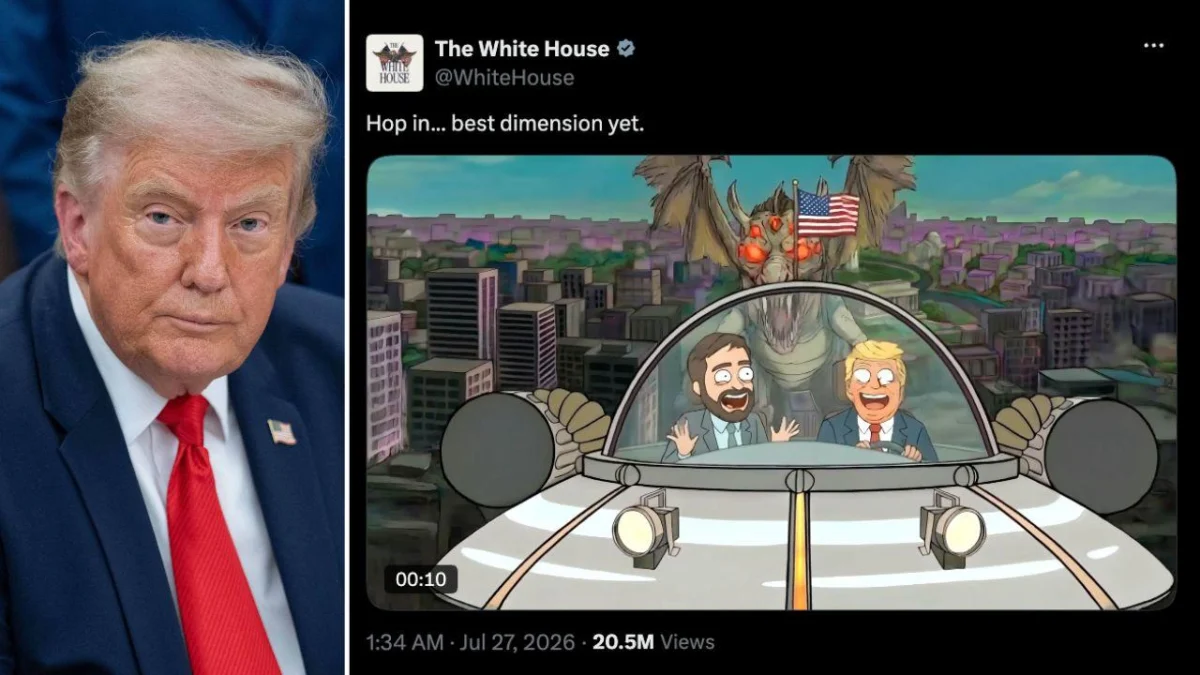
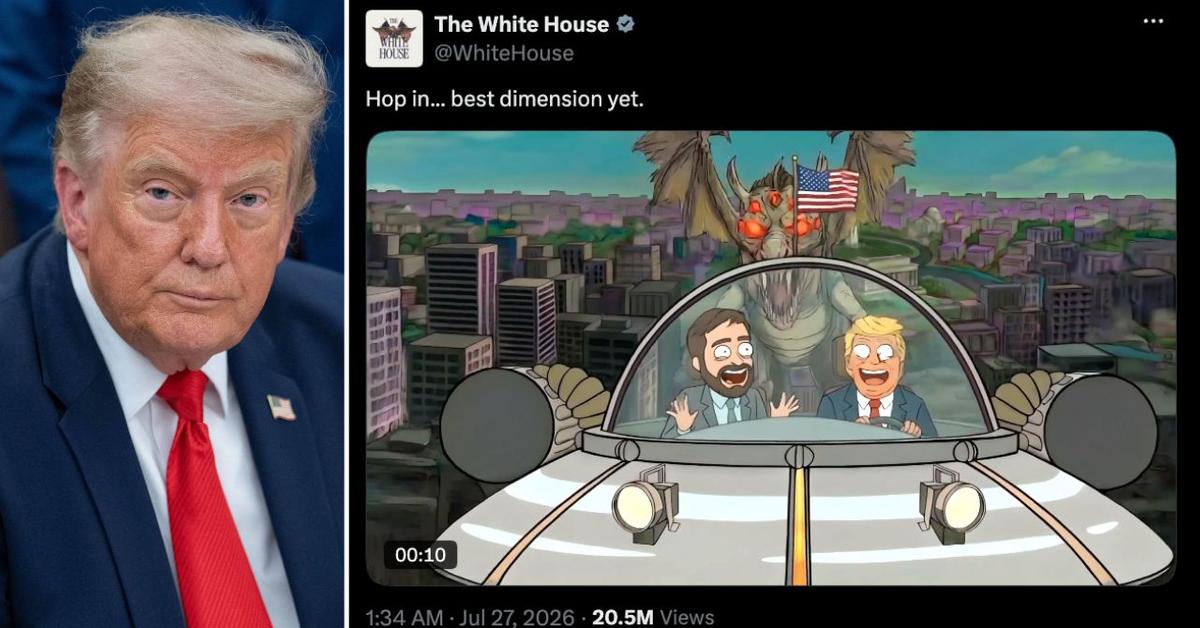
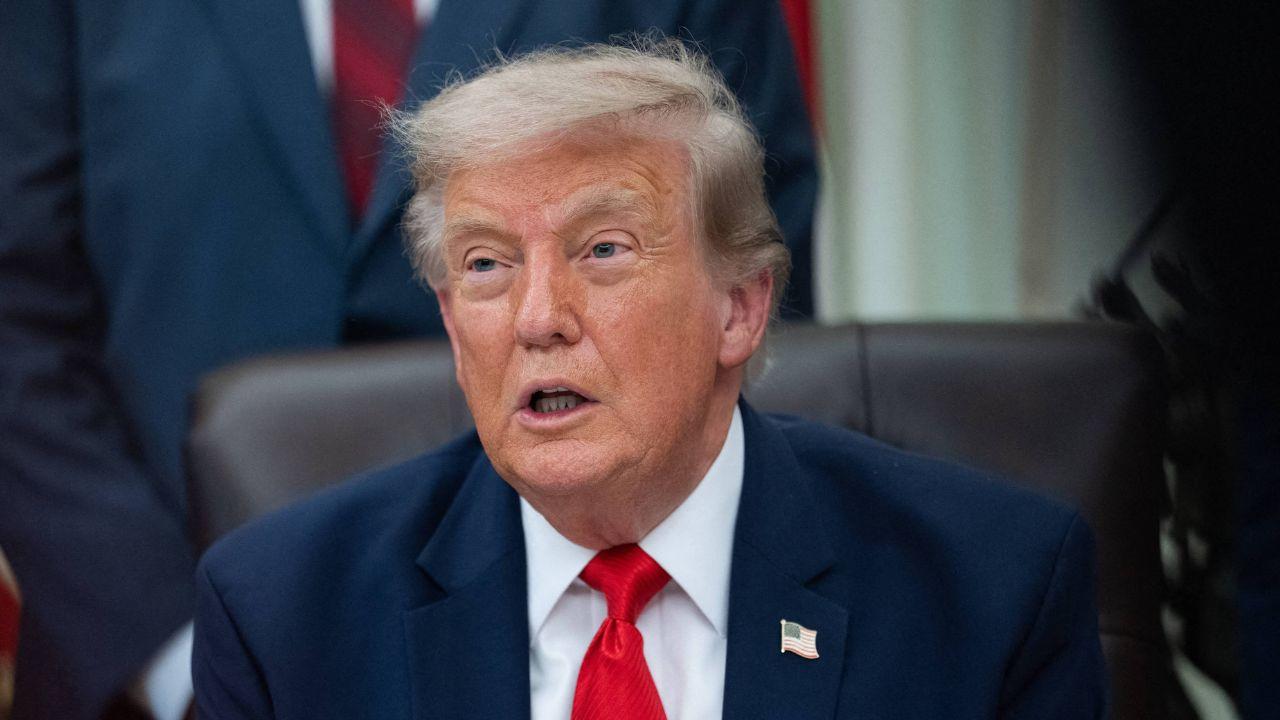
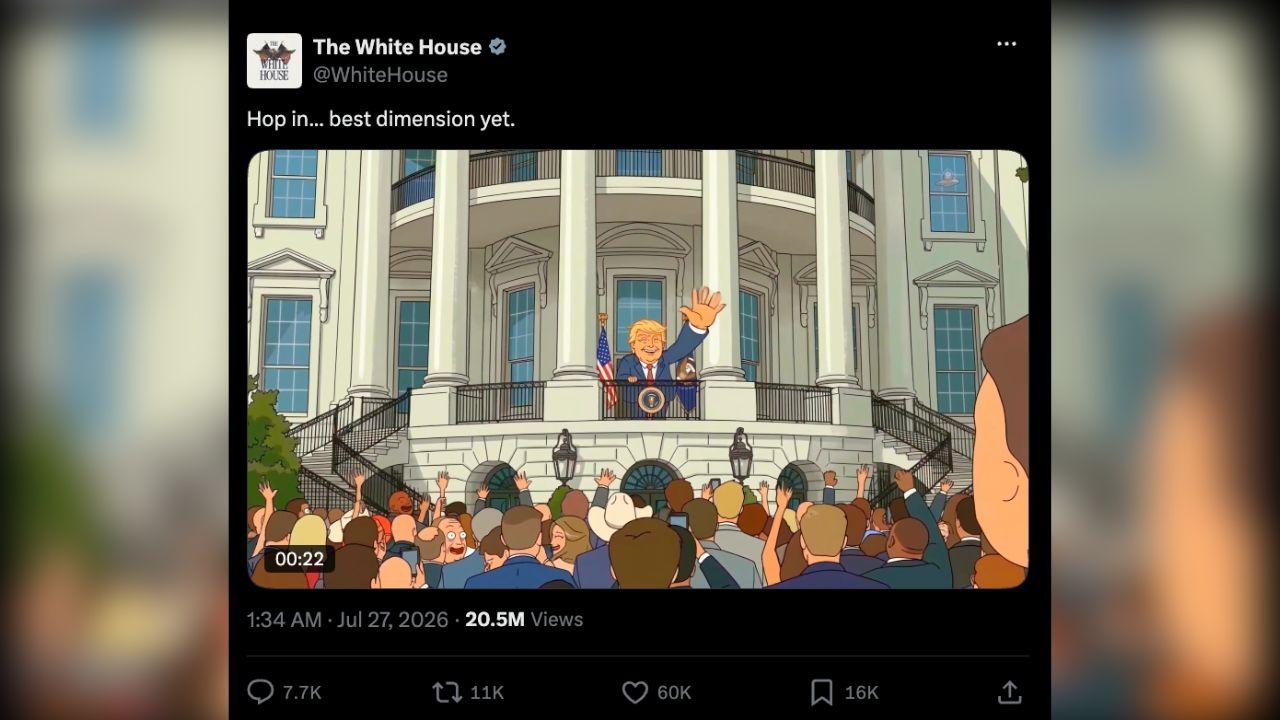
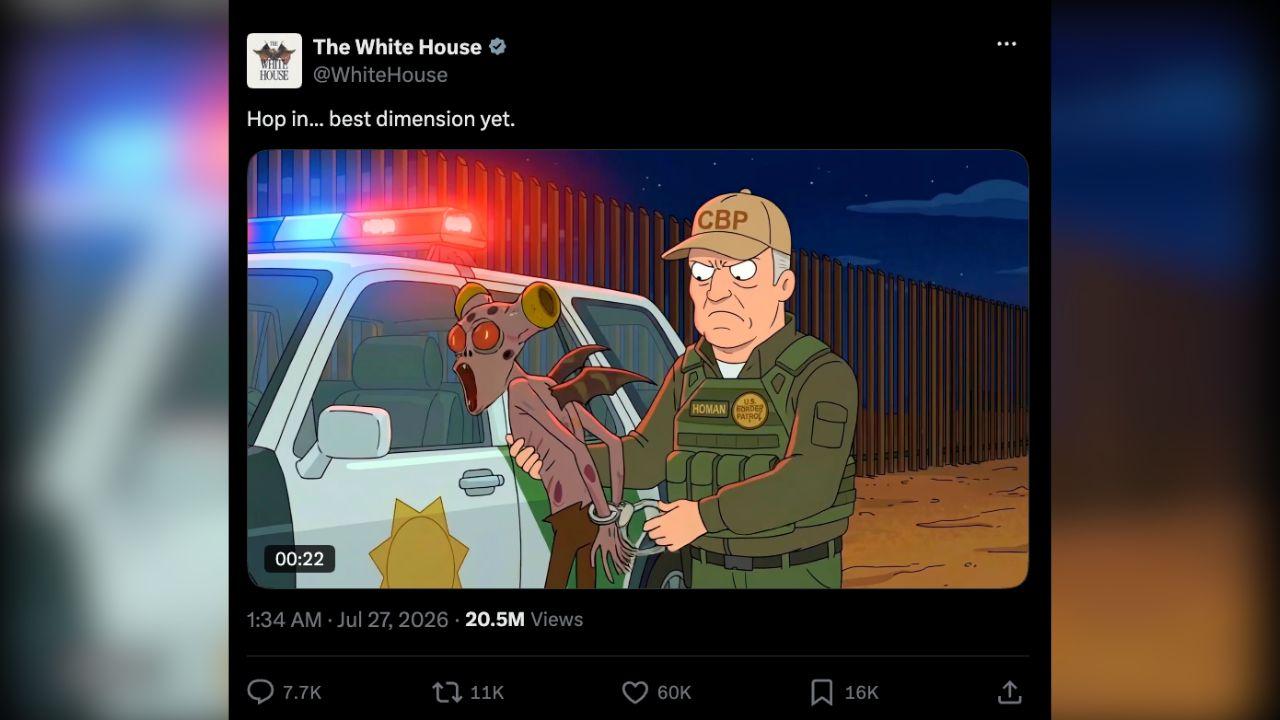
The White House’s increasingly unconventional social media strategy, which blurs the lines between official government communication and internet meme culture, is drawing significant criticism following the release of an AI-generated Rick and Morty-style video. This incident, published on the official White House X account on July 26, 2026, depicted prominent political figures as animated characters and concluded with a neon "MAGA" logo, prompting concerns about the integrity and appropriateness of presidential messaging in the digital age.
The Evolution of Digital Political Messaging
In an era defined by rapid information dissemination and pervasive social media, political campaigns and government administrations have consistently sought innovative ways to engage with the electorate. The shift from traditional media to digital platforms has spurred a continuous evolution in communication strategies, with an increasing emphasis on immediacy and virality. While early digital efforts focused on direct communication and grassroots organizing, the rise of meme culture and short-form video content has presented new avenues for engagement, particularly with younger demographics. This strategic pivot aims to make complex policy discussions or political stances more accessible and "relatable" to a broader, digitally native audience, often at the expense of traditional formality.
The White House’s Embrace of Pop Culture and AI
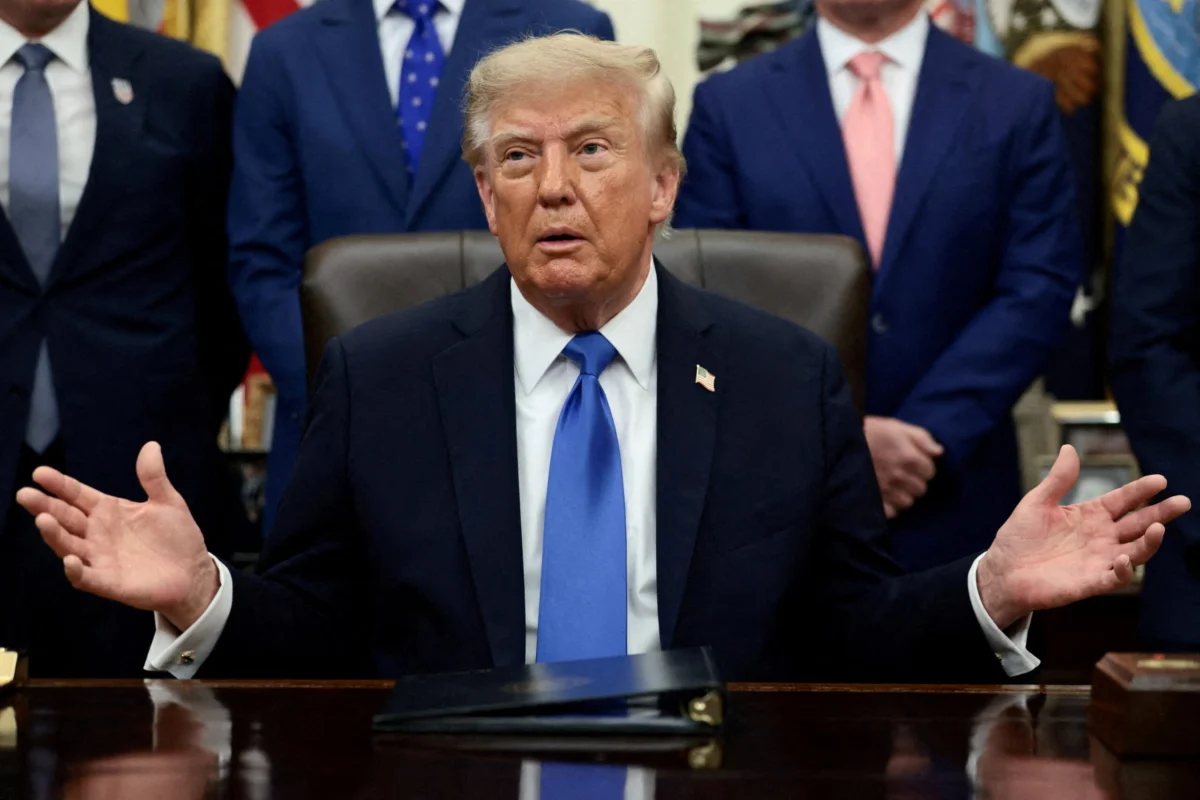
The Rick and Morty-inspired AI video is not an isolated experiment but rather a continuation of a broader trend within the current administration’s digital outreach. The controversial animation transformed Senate Minority Leader Chuck Schumer into a robot, featured cartoon versions of President Donald Trump and Vice President JD Vance, and was captioned "Hop in… best dimension yet." This content mirrors earlier posts this month where the White House’s official social feeds blended footage of Iran strike updates with explicit references to popular culture franchises such as Call of Duty, Iron Man, Top Gun: Maverick, John Wick, and Mortal Kombat. These instances collectively illustrate a deliberate effort to leverage widely recognized entertainment properties and advanced AI tools to frame political messages, policy updates, and even geopolitical events within a familiar, often humorous, pop culture context.
A Calculated Risk: Reaching Younger Audiences
Proponents of this aggressive digital strategy argue that it is a necessary adaptation to modern communication landscapes. They contend that traditional government bulletins and formal press releases often fail to capture the attention of younger voters, who primarily consume news and information through social media feeds populated by memes and viral content. By adopting a "meme account strategy," the White House aims to break through the noise, making political discourse more engaging and relatable to a demographic often disengaged from conventional politics. This approach, they believe, democratizes access to information and fosters a sense of connection between the government and its citizens by speaking their "language."
Backlash and Ethical Concerns Over AI-Generated Content
Despite the stated intentions, the White House’s meme-driven communication has ignited a significant backlash from various quarters. Critics argue that the use of AI to generate political content, especially that which caricatures political opponents or simplifies complex issues, risks eroding public trust and the credibility of official government channels. The artificial nature of the content, combined with its often satirical or lighthearted tone, raises questions about the appropriate solemnity required for presidential communications. There are concerns that such a strategy could inadvertently normalize the spread of misinformation or reduce serious political discourse to trivial entertainment, further polarizing an already divided public.

Christopher Lee, a partner at Foresight Strategic Advisors, articulated this tension, stating, "The line between ‘relatable’ and ‘cringe’ used to require a modicum of actual judgment. Now, it’s whoever posts first ‘wins’ the news cycle. And that way danger lies, as the old saying goes." His observation highlights a critical concern: the speed and ease of AI content generation may bypass traditional editorial scrutiny, leading to messages that are ill-conceived or detrimental to the administration’s long-term brand.
The "Speed vs. Right" Dilemma in Digital Comms
The rapid advancement of artificial intelligence has introduced a new dynamic into the world of communications: the ability to generate vast quantities of content almost instantaneously. While this offers unparalleled speed, it also presents a significant challenge to message discipline and accuracy. Lee emphasized that AI enables the creation of "a dozen jokes before anyone stops to ask if any of them are actually funny." This reflects a broader "speed versus right" dilemma that communications operations now face.
Choosing to prioritize speed means sacrificing the internal filters and careful judgment typically employed by human staff and advisors. The risk, as Lee points out, is not merely that a joke might fall flat, but that the rapid-fire production cycle can bypass crucial ethical and factual checks. This increases the potential for missteps, misrepresentations, or even the propagation of content that, while designed to be viral, ultimately harms an organization’s reputation or undermines its core message.
Eroding Trust and the Specter of Propaganda
The blending of government messaging with pop culture and AI has sparked accusations of propaganda, particularly when serious subjects like military actions are packaged with entertainment references. Critics argue that this approach trivializes important events and potentially manipulates public perception by making complex geopolitical issues seem less weighty or more aligned with fictional narratives. The concern is that by framing political content as entertainment, the administration risks desensitizing the public to critical issues and undermining the very foundations of informed civic engagement.
Furthermore, the reliance on AI tools introduces a layer of opacity. The algorithms and datasets used to generate these videos are often proprietary, making it difficult to ascertain potential biases or the exact intent behind the generated content. This lack of transparency can further erode public trust in official communications, particularly in an era already grappling with deepfake technology and widespread digital deception.
Long-Term Implications for Governance and Public Discourse
The White House’s ‘meme account’ strategy carries significant long-term implications for the future of governance and public discourse. If the highest office in the land increasingly communicates through viral, AI-generated content, it sets a precedent that could fundamentally alter how citizens interact with their government. This approach could normalize a form of political communication where emotional resonance and virality are prioritized over factual accuracy, detailed policy explanation, or nuanced discussion.
The challenge for public institutions is to find a balance between effective digital engagement and maintaining the gravitas and integrity expected of official communications. As Lee advised, media clients must choose between getting content "fast" or getting it "right." While both can utilize AI, the former risks "long-term risks for short-term gain," while the latter "requires a lot more patience but guarantees owning the narrative in the long term." The ongoing debate surrounding the White House’s meme strategy underscores a critical juncture in political communication, where technological capabilities push the boundaries of traditional decorum, leaving profound questions about the future of political messaging unanswered.