British broadcasting giant ITV announced a robust financial performance in the first half of the year, marked by a 2 percent increase in revenue and the initiation of a £100 million ($135 million) share buyback program. This move signals a strong commitment to shareholder returns, arriving in the immediate aftermath of the landmark £1.6 billion ($2.13 billion) acquisition of ITV’s networks and streaming businesses by Sky, itself a subsidiary of U.S. media conglomerate Comcast. CEO Carolyn McCall underscored the strategic importance of the Sky transaction, calling it a "defining moment" for the company, poised to redefine its future trajectory in the competitive global media landscape.
A Defining Moment for ITV: The Sky Acquisition
The recently confirmed mega-deal, which will see Sky take control of ITV’s Media & Entertainment (M&E) division, including its flagship channels and the burgeoning streaming platform ITVX, represents a profound strategic realignment for ITV. This divestment allows ITV to concentrate its resources and future growth on its highly successful content production arm, ITV Studios. The acquisition by Sky, a formidable player in subscription television, streaming, broadband, and mobile operations, creates a powerful new British media entity under Comcast’s extensive umbrella, aiming to combine ITV’s mass-reach advertising capabilities and public-service broadcasting obligations with Sky’s robust digital infrastructure.
The strategic rationale behind Sky’s acquisition of ITV’s M&E assets is multi-faceted. For Sky, it means consolidating a significant portion of the UK’s free-to-air broadcast market alongside its existing pay-TV dominance, strengthening its advertising ecosystem, and gaining direct access to ITVX’s rapidly growing digital audience. This integration is expected to create a more comprehensive and competitive offering against other streaming giants and traditional broadcasters. For ITV, the sale unlocks substantial capital, allowing for the aforementioned shareholder returns and a sharpened focus on content creation, which is increasingly valuable in a globalized streaming economy.
Unlocking Value: The Spin-off of ITV Studios
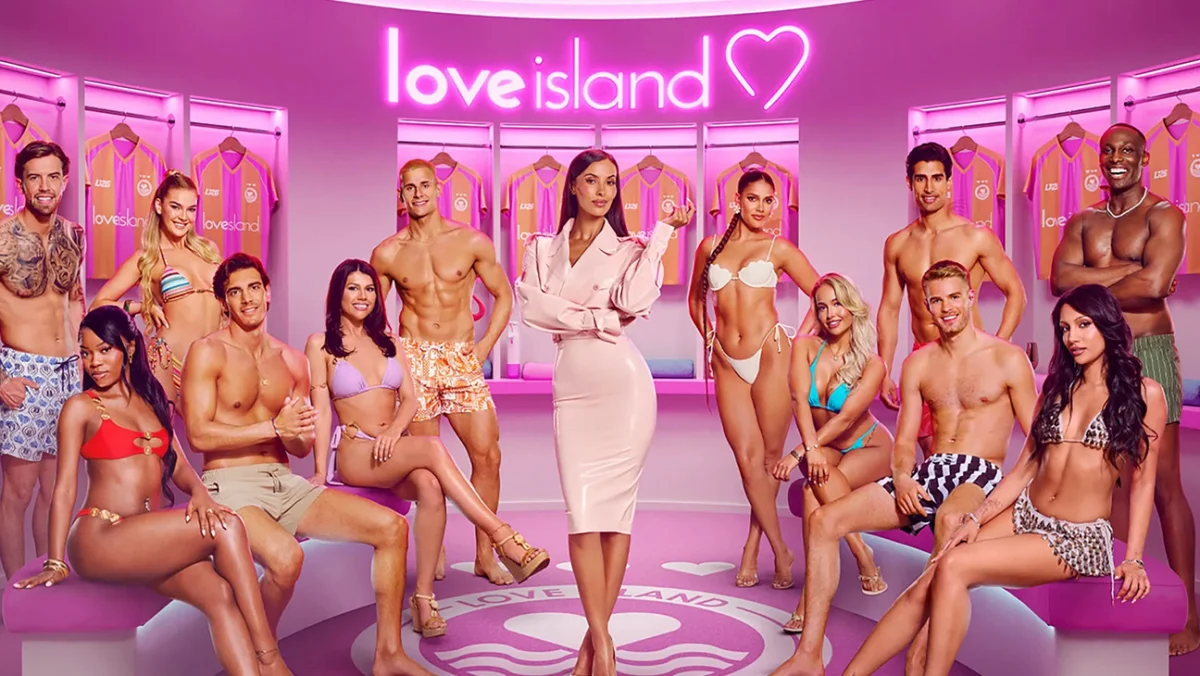
Crucially, the Sky deal does not include ITV Studios, the company’s prolific production powerhouse. Instead, ITV Studios is set to be spun off as a standalone, publicly listed company, a move reconfirmed by McCall. This strategic separation aims to unlock the full, often undervalued, potential of ITV Studios, positioning it as an independent content provider on the global stage. The studio is behind a string of international successes, including the reality phenomenon Love Island, the talent show Britain’s Got Talent, and the recent Netflix hit Fool Me Once.
As part of the broader transaction, Sky has committed to a significant content supply agreement, pledging to purchase £2.1 billion in ITV Studios content between 2028 and 2032. This long-term commitment provides ITV Studios with a stable revenue stream and a guaranteed major buyer for its productions, even as it seeks to expand its partnerships with other global streamers and broadcasters. The independence of ITV Studios is expected to make it a more agile and attractive partner for diverse commissioning entities, potentially fueling its growth and increasing its market valuation, possibly even making it a takeover target for larger media entities looking to bolster their intellectual property portfolios.
Financial Performance Amidst Strategic Transformation
Despite the seismic shift underway with the Sky deal, ITV’s Media & Entertainment division delivered a solid first-half performance. Total M&E revenue climbed by 2 percent, driven largely by a robust recovery in advertising. Total advertising revenue saw a 3 percent increase, with the second quarter alone registering an impressive 8 percent year-on-year growth. This surge was significantly boosted by the men’s World Cup, which generated strong advertising and sponsorship demand from both UK and international brands across various categories.
The company’s digital streaming platform, ITVX, played a pivotal role in this advertising success. The report highlighted that the World Cup "supercharged engagement on ITVX," leading to record first-half viewing figures, up 27 percent. This digital momentum translated directly into financial gains, with digital advertising revenue increasing by 13 percent year-on-year. The strong performance of ITVX underscores the strategic importance of the platform, even as it transitions under Sky’s ownership, demonstrating its potential to attract and retain viewers in the competitive streaming landscape.
While the M&E division showed resilience, ITV Studios presented a mixed bag of results. Revenue in the UK arm of ITV Studios demonstrated strong growth, up 17 percent in the first half. However, this domestic success was offset by declines in international markets, with revenue down 17 percent in the U.S. and 24 percent internationally. These figures suggest that while ITV Studios maintains a strong foothold in its home market, its ambitious U.S. expansion efforts may be encountering hurdles, pointing to the ongoing challenges of scaling content production and distribution globally amidst intense competition.
Shareholder Returns and Investor Confidence
The £100 million ($135 million) share buyback, coupled with an interim dividend of 1.7 pence per share totaling approximately £60 million ($80 million), represents an "early return" of a portion of the anticipated £950 million net cash return expected upon the completion of the Sky sale. This proactive approach to shareholder returns is a clear signal from ITV’s leadership, aiming to reassure investors of the financial benefits derived from the strategic divestment.
By returning capital to shareholders, ITV is demonstrating confidence in its post-deal financial health and its commitment to maximizing investor value. This move can help stabilize the share price and attract new investment, particularly from those who see the long-term potential of a pure-play content production company. The substantial cash injection from the Sky deal provides ITV with significant financial flexibility, enabling it to manage debt, invest in ITV Studios’ growth, and continue to reward shareholders, thereby reinforcing its attractiveness in the market during a period of significant corporate transformation.
Navigating Regulatory Hurdles
The transformative Sky-ITV transaction is not without its regulatory complexities. The deal is currently subject to scrutiny from the UK’s Competition and Markets Authority (CMA), which has launched its review to assess potential impacts on market competition. Given the scale and significance of this media merger, ITV anticipates that the UK Culture Secretary, Lisa Nandy, will issue a Public Interest Intervention Notice "in due course." This notice would trigger a more in-depth assessment, allowing the Secretary to consider broader public interest concerns beyond just competition, such as media plurality, journalistic standards, and public service broadcasting obligations.
McCall confirmed that ITV has not yet engaged directly with Secretary Nandy since the deal’s announcement. Despite the impending regulatory reviews, the company maintains its estimation that the merger will be completed approximately one year from now. The regulatory process is a critical phase for any major media consolidation, particularly in the UK, where public service broadcasting and media plurality are highly valued. The outcome of these reviews will shape the operational framework of the new combined entity and could potentially lead to conditions or remedies designed to mitigate any adverse impacts on the media landscape.
The Landscape of British Media Consolidation
The proposed combination of Comcast-owned Sky and ITV’s Media & Entertainment division is set to create a formidable new force in the British media landscape. This merger aligns with a broader trend of consolidation within the global media industry, driven by the intense competition for audience attention and advertising revenue in the age of streaming. For Comcast, which acquired Sky in 2018, this deal further strengthens its European footprint and integrates ITV’s extensive reach and advertising business with Sky’s robust subscription services and technological infrastructure.
The new combined operation is designed to sit alongside Comcast’s existing NBCUniversal assets, creating a diversified and powerful media conglomerate. This strategic alignment aims to leverage synergies across content creation, distribution, and advertising, enabling the combined entity to compete more effectively with global tech giants and streaming platforms. However, such consolidation inevitably raises questions about market dominance, consumer choice, and the future of independent broadcasting in the UK, which are precisely the concerns that the CMA and the Culture Secretary will address.
Strategic Repositioning and Future Outlook
Looking ahead, ITV has expressed "good visibility" over its full-year outlook, projecting that revenue, margin, and profit will be weighted towards the second half of the year, particularly the fourth quarter. This forecast is underpinned by a "really strong delivery schedule" from ITV Studios, featuring a pipeline of high-profile productions slated for release. This includes new series such as The Gentlemen, The Woods, and SuburraMaxima for Netflix, alongside returning hits like Line of Duty season seven and Vigil season three for the BBC.
This strategic shift towards a content-centric model positions ITV to capitalize on the insatiable global demand for premium programming. By focusing on its core strength in production, ITV aims to become a leading independent studio, supplying content to a diverse array of platforms worldwide. The company’s future success will increasingly hinge on its ability to consistently produce hit shows that resonate with international audiences and attract major commissioning partners.
Content as King: The Power of ITV Studios’ IP
ITV Studios’ impressive roster of intellectual property is arguably its greatest asset. Franchises like Love Island have become global phenomena, spawning numerous international adaptations and generating significant revenue through format sales and merchandising. Shows like Britain’s Got Talent continue to draw massive audiences, while dramas such as Line of Duty and Vigil demonstrate the studio’s prowess in producing critically acclaimed, high-quality scripted content. The recent success of Fool Me Once on Netflix further highlights ITV Studios’ capability to create content that can achieve massive global viewership through streaming platforms.
This focus on developing and owning valuable intellectual property is a shrewd move in the current media climate. As streaming services compete fiercely for subscribers, original and exclusive content has become the primary differentiator. By supplying content to various platforms rather than solely owning a distribution channel, ITV Studios can diversify its revenue streams and reduce its reliance on a single ecosystem, making it a resilient player in the evolving content landscape.
Broader Industry Implications and Public Interest
The implications of the ITV-Sky deal extend far beyond the immediate financial statements and corporate strategies. This consolidation will significantly reshape the British media industry, affecting everything from advertising spend to content commissioning and public service broadcasting. While the creation of a more robust, combined entity under Comcast could enhance its ability to compete globally, it also raises important questions about media plurality and the concentration of ownership.
The role of public service broadcasting, a cornerstone of ITV’s historical mandate, will be a key area of interest during regulatory reviews. Ensuring that the new entity continues to uphold these obligations, particularly in terms of news, current affairs, and diverse programming, will be crucial. For the public, the deal could lead to a more integrated viewing experience, with ITV’s popular channels and ITVX seamlessly aligning with Sky’s broader entertainment and connectivity offerings. However, concerns about potential price changes, content availability, and overall market competition will remain central to the public discourse surrounding this transformative media merger.
ITV’s strategic pivot, underlined by strong financial results and a significant share buyback, signals a company confidently navigating a period of profound change. By divesting its traditional broadcasting assets to Sky and focusing squarely on its content production powerhouse, ITV is repositioning itself as a pure-play content creator. This bold move, while subject to rigorous regulatory oversight, is designed to unlock substantial value for shareholders and secure ITV’s long-term future in a global media landscape increasingly defined by the power of original intellectual property. The coming year will be critical as the company completes its transformation and ITV Studios steps into the spotlight as an independent force.