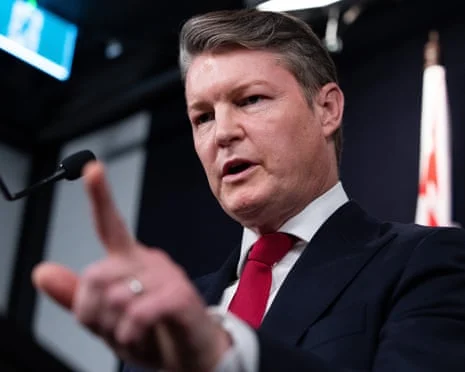
The Australian political landscape has been jolted by sharp criticism from the Deputy Opposition Leader, Jane Hume, who accused Prime Minister Anthony Albanese of an "extraordinary lack of curiosity" regarding allegations of deep-seated corruption within the nation’s construction industry. Speaking during a high-profile interview on ABC’s "Insiders" program, Hume called for immediate legislative scrutiny, suggesting that the federal government’s current approach ignores systemic issues that are driving up infrastructure costs and wasting billions in taxpayer funds. While Hume signaled her support for a Victorian state-based royal commission into the sector, she argued that the federal government must go further by initiating a comprehensive Senate inquiry to address the national scope of the problem.
Jane Hume Criticizes Anthony Albanese Over Construction Corruption
The allegations of corruption on construction sites have become a focal point of political debate as infrastructure costs continue to skyrocket across Australia. Hume’s critique centers on the Prime Minister’s perceived inaction despite mounting evidence of misconduct. According to Hume, the Prime Minister’s lack of curiosity is particularly troubling given the sheer volume of federal funding allocated to major projects where criminal elements are alleged to have influence.
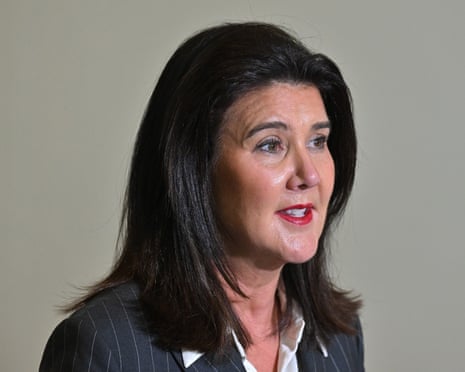
"If you are serious about stamping out corruption in construction—which is causing costs for construction to rise so fast and all Australians pay a price for that—why not start with a Senate inquiry?" Hume asked during her television appearance. She specifically pointed to the Suburban Rail Loop project in Victoria, a massive infrastructure undertaking that has received $3.8 billion in federal taxpayer commitments. Hume alleged that the Albanese administration proceeded with this funding even after being made aware of at least four specific allegations of corruption linked to the site.
The Opposition argues that the federal government’s reluctance to investigate these claims suggests a broader policy of avoidance. By labeling the Prime Minister’s stance as an "extraordinary lack of curiosity," the Liberal-National Coalition is attempting to frame the Labor government as being beholden to industrial interests or, at the very least, negligent in its duty to protect the public purse.
The Financial Stakes of Corruption on Construction Sites
The economic implications of corruption on construction sites extend far beyond the political arena, impacting the daily lives of Australians through inflated housing prices and delayed public works. Analysts suggest that when organized crime or corrupt practices infiltrate large-scale projects, the resulting inefficiencies and "protection" costs are invariably passed down to the consumer and the taxpayer.
Hume emphasized that the rising costs of construction are a primary driver of inflation in the current economy. By allowing alleged corruption to go unchecked, she argued, the government is effectively subsidizing criminal activity with public money. The call for a Senate inquiry is intended to provide a transparent platform where whistleblowers can come forward and the flow of federal funds can be audited against project milestones and ethical standards.
The focus on the Suburban Rail Loop serves as a case study for these concerns. As one of the most expensive infrastructure projects in Victorian history, any degree of financial mismanagement or corrupt influence could result in losses totaling hundreds of millions of dollars. The Opposition’s demand for accountability is framed as a necessary measure to ensure that future federal investments are not compromised by the same systemic failures.
Shifting Political Alliances and the Liberal-National Coalition
Beyond the immediate concerns of industrial corruption, the Deputy Opposition Leader also addressed the internal dynamics of the Liberal Party and its strategy for the next federal election. As Pauline Hanson’s One Nation party sees a resurgence in certain demographic pockets, questions have arisen regarding whether the Liberals would consider a formal governing arrangement with the right-wing minor party.
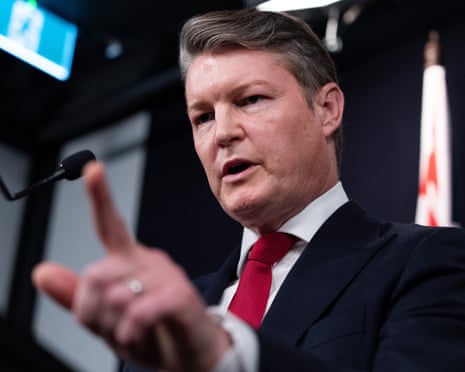
Hume was definitive in her response, stating that the Liberal Party would not govern in a coalition with One Nation. She reiterated that the existing partnership with the National Party remains the bedrock of their political strategy. "That coalition has been the foundation of very successful governments for 80 years now, and it will continue to be so," Hume said. She dismissed suggestions of a minority government deal, noting that the election is still approximately 18 months away and the Coalition’s primary objective is to win an outright majority.
This clarification comes at a time when the Liberal Party is undergoing a period of self-reflection following their 2022 election loss. Hume noted that the party is currently focused on presenting a "credible plan and a credible team," led by Angus Taylor. She stressed that the party’s constitution and membership must be "match-fit" to fight the upcoming election without relying on fringe political entities.
Economic Pressures and the End of Fuel Excise Relief
While the debate over corruption on construction sites dominates the headlines, Australians are facing immediate financial pressure as the federal government’s fuel excise relief comes to an end. Energy Minister Chris Bowen confirmed that the 16-cent per litre discount, which was implemented to combat the global spike in energy prices, will expire at midnight on August 3.

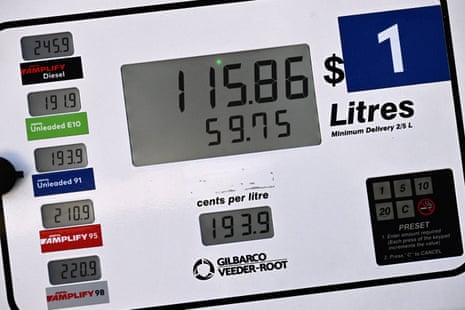
The return of the full excise tax is expected to push petrol prices above $2 per litre in many metropolitan areas, with diesel potentially reaching as high as $2.40 per litre. Minister Bowen defended the decision, stating that the government must balance cost-of-living relief with fiscal responsibility. However, the timing of the increase—coupled with high inflation and rising interest rates—has drawn criticism from consumer advocacy groups who fear it will further strain household budgets.
The end of the excise relief marks a significant transition in the government’s economic strategy, moving away from broad subsidies toward more targeted interventions. For the average commuter, however, the immediate impact will be a noticeable increase in the cost of daily life, adding weight to the Opposition’s claims that the government is failing to manage the national economy effectively.
Advancing Indigenous Self-Determination at the Garma Festival
In Northern Australia, the Garma Festival has served as the backdrop for a historic announcement regarding Aboriginal land rights. Yolngu leaders in north-east Arnhem Land have officially launched the Dilak Land Council, a new authority designed to return power directly to traditional landowners.
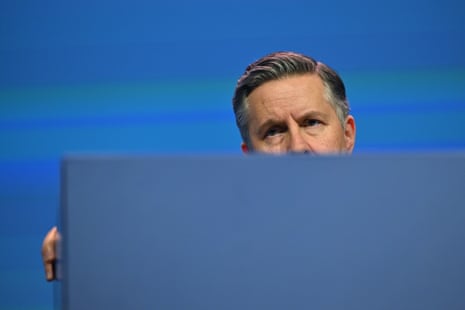
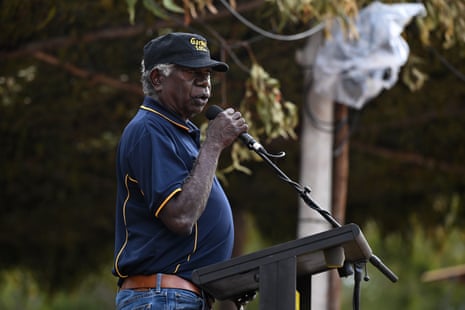
Djawa Yunupingu, a revered elder and leader of the Yothu Yindi Foundation, told attendees that the era of outside agencies controlling Yolngu land was coming to an end. "I announce today that land rights is coming home to north-east Arnhem Land," Yunupingu said to significant applause. The Dilak Land Council is intended to manage economic development, tourism, and environmental protection on Yolngu terms, including plans for a five-star resort and the establishment of the Garma Institute, a community-run university.
This move represents a shift toward genuine self-determination, moving away from the centralized control of the Northern Land Council. Yunupingu emphasized that while the new council would work alongside the government and the military to defend and develop the region, the final authority would remain with the traditional owners. This development is seen as a major step forward in the broader movement for Indigenous empowerment across the continent.
Ethical Standards and Legal Challenges in the Labor Government
The Albanese government is also navigating internal ethical challenges following the charging of Luke Gosling, a special envoy, with assault. The charges involve an alleged incident with the Northern Territory administrator. Despite calls from the Opposition for Gosling to be stood down, Health Minister Mark Butler has defended the decision to keep him in his role.

Minister Butler argued that because the position of special envoy is a ceremonial backbench role without executive authority, it does not carry the same requirements for resignation as a ministerial post. "It’s not a ministerial position. It doesn’t have any executive authority, any ability to make decisions that impact Australians," Butler explained. He pointed out the fundamental distinction between members of the executive and backbenchers in the separation of powers.
The Opposition, however, views this as a double standard, arguing that any official representative of the Prime Minister should be held to the highest possible conduct requirements. The debate over Gosling’s tenure adds to a growing list of integrity-related questions facing the government, including the ongoing investigation by the NSW Independent Commission Against Corruption (ICAC) into Liberal-linked figures, a matter Jane Hume declined to comment on to avoid "political interference."
Public Sector Wins and Environmental Alarms
Amidst the political sparring, there were significant updates for the healthcare sector and the environment. Aged-care nurses are set to receive a fifth increase to their award wages this year, a move the government claims will help retain the 35,000 additional workers needed to support Australia’s aging population. Registered nurses on the most common pay levels have seen their annual salaries increase by more than $36,000 under the Fair Work Commission’s recent decisions.
On the environmental front, authorities are investigating what is suspected to be Australia’s first mass mortality event linked to a deadly strain of bird flu. More than 80 dead and sick birds were discovered off the coast of South Australia, prompting fears that the virus is rapidly escalating among native avian populations. Biosecurity officials are on high alert, as a widespread outbreak could have devastating consequences for the nation’s biodiversity and poultry industries.
The week’s news concluded with a surprising turn in international sports, as Jamaica defeated the defending champion Australian netball team at the Commonwealth Games. The upset prevented Australia from reaching the finals, marking a rare moment of vulnerability for a team that has long dominated the global stage. As the nation grapples with these diverse issues—from political corruption to environmental threats and economic shifts—the "extraordinary lack of curiosity" attributed to the Prime Minister remains the central theme of a heated national discourse.