Israeli forces launched a series of strikes across the Gaza Strip on Sunday, killing at least five Palestinians, just two days after the United States unveiled a roadmap aimed at achieving Hamas disarmament and an Israeli withdrawal. The deadly raids underscore the persistent cycle of violence that has continued to plague the region, even as diplomatic efforts seek a path toward de-escalation.
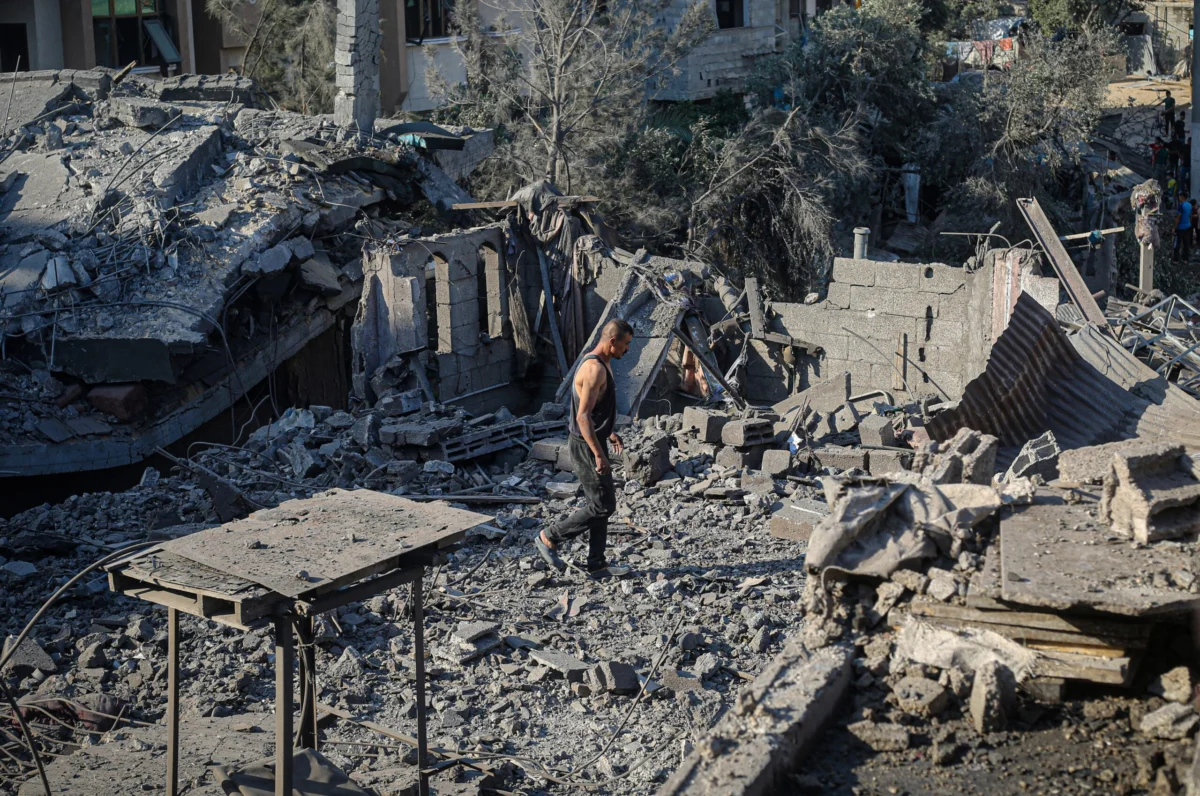
The deadliest of the Sunday strikes targeted a residential building in central Deir el-Balah, claiming the lives of at least two individuals and leaving several others wounded. In northern Gaza City, another strike on an apartment complex resulted in the deaths of three more Palestinians, according to local health officials. These fatalities bring the grim tally of Palestinian casualties to a stark reminder of the ongoing conflict.
The timing of these attacks is particularly noteworthy, occurring mere days after U.S. President Donald Trump’s "Board of Peace" released a detailed 15-point plan. This initiative aims to implement last year’s Gaza ceasefire agreement and includes provisions for Hamas to disarm. However, the roadmap has yet to translate into tangible changes on the ground, highlighting the deep-seated mistrust and complex demands from both sides.
Hamas has consistently stated that it will only surrender its weaponry for safekeeping once Israel ceases its military operations and withdraws its forces. This demand is in line with the terms of the previously agreed-upon ceasefire. An Israeli official, speaking anonymously to Reuters, conveyed that a withdrawal from current positions would not occur unless Hamas engaged in "genuine disarmament," indicating a significant impasse in the diplomatic process.
The political landscape within Israel also reflects division regarding the U.S. peace initiative. Prime Minister Benjamin Netanyahu has remained publicly silent on the details of the plan. However, National Security Minister Itamar Ben-Gvir, a prominent figure on the far-right of the Israeli political spectrum, has publicly denounced the initiative as "unacceptable." Ben-Gvir has advocated for Israel to continue its policy of targeting Hamas leaders, underscoring a hardline stance that contrasts with the diplomatic overtures.
Meanwhile, former senior Fatah official Mohammed Dahlan, who is based in the United Arab Emirates, revealed that he had been in communication with Jared Kushner, President Trump’s son-in-law and a key architect of the U.S. peace effort. Dahlan stated that Kushner informed him of ongoing efforts to halt the attacks on Gaza. He indicated that discussions with Washington were continuing, and that the success of the proposed agreement was now contingent upon Israel’s complete cessation of daily military strikes.
These recent strikes are part of a broader pattern of escalated Israeli military actions that have persisted despite efforts to broker a ceasefire. On Saturday, separate Israeli airstrikes reportedly destroyed a medical supply warehouse in central Gaza. The impact of this strike was substantial, leaving a crater measuring approximately 20 meters (66 feet) wide and 10 meters (33 feet) deep, a visual testament to the force of the attack.
The Road to Disarmament: A Fragile Proposition
The proposed U.S. plan seeks to break a long-standing cycle of conflict and mistrust between Israel and Hamas, the de facto governing authority in Gaza. The core of the initiative revolves around a phased approach to Hamas’s disarmament, coupled with an Israeli military withdrawal from Gaza. This delicate balancing act hinges on the willingness of both parties to make concessions and adhere to a mutually agreed-upon timeline.
The historical context of the Israeli-Palestinian conflict looms large over any proposed resolution. Decades of occupation, intermittent warfare, and failed peace talks have fostered deep skepticism on both sides. Hamas, designated as a terrorist organization by the United States and several other countries, views its armed resistance as a legitimate response to Israeli occupation and blockade. Israel, in turn, cites security concerns and the need to protect its citizens from rocket attacks and other hostilities emanating from Gaza.
The international community has largely supported the concept of a ceasefire and the need for humanitarian aid to reach the besieged Gaza Strip. However, the specifics of disarmament and withdrawal have always been the most contentious points. Previous attempts at brokering lasting peace have faltered on these critical issues, leading to renewed outbreaks of violence.
Examining the U.S. Peace Plan: Key Provisions and Challenges
The 15-point roadmap, as outlined by the U.S. administration, reportedly includes provisions for the gradual handover of Hamas’s military arsenal. This process is envisioned to occur in stages, with weapons being stored under international supervision. In parallel, the plan calls for a phased withdrawal of Israeli forces from Gaza, a move that has been a long-standing demand of Palestinian factions.
A critical element of the U.S. proposal is the emphasis on "genuine disarmament." This suggests that the United States and Israel are looking for concrete actions from Hamas that demonstrate a clear intent to abandon armed struggle. The specifics of what constitutes "genuine" disarmament are likely to be a subject of intense negotiation and scrutiny.
The plan also appears to address humanitarian concerns within Gaza, which has been under an Israeli-Egyptian blockade for over a decade. Economic development and improved living conditions are often seen as crucial components for fostering stability and reducing the appeal of militant ideologies. However, the extent to which the U.S. plan prioritizes these aspects remains a subject of ongoing analysis.
Hamas’s Stance: Demands and Reservations
Hamas has publicly expressed its willingness to engage in dialogue regarding disarmament, but with significant caveats. The group insists that any such process must be reciprocal, meaning Israel must also commit to ending its military operations and withdrawing its forces from Palestinian territories. This stance reflects Hamas’s position that its armed struggle is a response to Israeli aggression and occupation.
The group’s leadership has also voiced concerns about the potential for Israel to renege on its commitments, a fear rooted in past experiences with failed peace processes. The demand for weapons to be stored under international supervision, rather than simply handed over, suggests a desire for a degree of accountability and oversight to ensure Israel’s compliance.
The internal dynamics within Hamas also play a role. The organization encompasses a range of political and military factions, and any significant policy shift like disarmament would likely require broad consensus. The continued hardline rhetoric from some elements within Hamas, such as calls to continue targeting Israeli leaders, indicates the challenges in achieving a unified approach.
Israeli Reactions: Division and Security Concerns
Within Israel, reactions to the U.S. plan have been mixed, reflecting the diverse political landscape. While Prime Minister Netanyahu has not made public statements, the actions of his government, particularly the continued strikes in Gaza, suggest a degree of skepticism or a lack of full commitment to the U.S. initiative.
The outspoken opposition from National Security Minister Itamar Ben-Gvir highlights a segment of the Israeli political establishment that favors a more aggressive approach. Ben-Gvir’s call to continue targeting Hamas leaders underscores a belief that military pressure is the most effective means of dealing with the threat posed by the group. This perspective often prioritizes immediate security concerns over long-term diplomatic solutions.
Conversely, there are voices within Israel, and among its allies, who see the U.S. plan as a potential pathway to a more stable future. The hope is that a comprehensive agreement, including disarmament and withdrawal, could lead to a reduction in violence and an improvement in regional security. However, the perceived lack of progress on the ground, evidenced by the recent strikes, fuels concerns about the viability of the current diplomatic approach.
The Humanitarian Crisis in Gaza: A Pressing Concern
The ongoing conflict and blockade have had a devastating impact on the civilian population of Gaza. The densely populated enclave faces severe shortages of essential resources, including clean water, electricity, and medical supplies. The destruction of infrastructure, such as the medical supply warehouse hit on Saturday, further exacerbates the humanitarian crisis.
The cycle of violence directly affects the daily lives of Gazans, many of whom live in poverty and displacement. The constant threat of airstrikes and military incursions creates an environment of fear and uncertainty. International organizations have repeatedly called for unimpeded access for humanitarian aid and for an end to the blockade, highlighting the urgent need for a sustainable peace.
The impact of the ongoing conflict extends beyond the immediate casualties. The psychological toll on the population, particularly children, is significant and long-lasting. The lack of opportunity and the constant state of crisis contribute to a cycle of despair that makes lasting peace even more elusive.
Diplomatic Breakthroughs and Ground Realities: A Widening Gap
The disparity between diplomatic pronouncements and the reality on the ground in Gaza is a recurring theme in the Israeli-Palestinian conflict. While the U.S. administration has put forth a detailed plan, the continued Israeli strikes serve as a stark reminder of the persistent challenges to achieving de-escalation.
The success of any peace initiative, including the one proposed by the Trump administration, hinges on the willingness of both parties to translate words into actions. For Hamas, this means demonstrating a genuine commitment to disarmament. For Israel, it means ceasing military operations and withdrawing its forces in a manner that builds trust and creates space for dialogue.
The role of external actors, such as the United States and regional powers, is also critical. Their ability to mediate effectively, apply pressure where necessary, and provide assurances to both sides will be crucial in navigating the complex path towards a lasting resolution. The recent U.S. initiative represents another attempt to break the impasse, but its ultimate success remains uncertain in the face of deeply entrenched positions and ongoing violence. The coming weeks and months will reveal whether this latest diplomatic effort can overcome the formidable obstacles that have historically derailed peace in the region.