Apple Inc. is navigating its most transformative year in over a decade as the company balances a historic leadership transition with a radical overhaul of its core hardware lineup. Following the announcement that longtime CEO Tim Cook will step aside to make way for John Ternus, the tech giant has entered a period of intense public scrutiny regarding its ability to maintain innovation. This transition comes at a time when consumer expectations for the 2026 product cycle are reaching an all-time high, driven by advancements in artificial intelligence and long-rumored entries into new hardware categories.
The Silicon Valley landscape shifted significantly during the first half of the year, marked by the debut of Siri AI at the Worldwide Developers Conference (WWDC) 2026. While the initial beta release focused on refining user interactions and predictive task management, the broader market is now looking toward the fall hardware cycle to see how these software advancements will be integrated into the physical ecosystem. Investors and consumers alike are closely monitoring the development of the iPhone 18, a potential foldable device, and the next generation of Mac silicon.
Public sentiment data suggests that the consumer base remains highly optimistic about Apple’s roadmap despite recent fluctuations in pricing strategies. Earlier this year, the company introduced a new budget-tier MacBook aimed at capturing the education and entry-level markets, only to implement a price increase across the lineup months later. This volatility has not dampened the anticipation for flagship releases, as indicated by recent market sentiment surveys conducted across major technology publications.
The Rise of the Foldable iPhone and the iPhone 18 Series
The most anticipated development for the latter half of the year is the potential unveiling of the first folding iPhone, a device frequently referred to in supply chain leaks as the iPhone Ultra. For years, Apple has remained on the sidelines of the foldable market, watching competitors like Samsung and Google iterate on flexible display technology. However, internal reports and patent filings suggest that 2026 is the year Apple will finally enter the fray with a device that prioritizes durability and a crease-free viewing experience.
Consumer data indicates a strong belief that this device will manifest before the end of the year. In recent polling, approximately 68 percent of participants expressed confidence that Apple will announce a foldable release date during its September keynote. The introduction of a foldable model would represent the most significant design shift for the iPhone since the removal of the home button in 2017, potentially creating a new ultra-premium tier in the smartphone market.
Parallel to the foldable rumors is the standard iPhone 18 cycle. Following the iPhone 17 Pro, which faced criticism over "Scratchgate"—a controversy involving the durability of the device’s finish—the iPhone 18 Pro and Pro Max are expected to return to more traditional, robust materials. A primary point of interest for enthusiasts is the return of a true black color option. After its absence in the previous generation, nearly 70 percent of surveyed consumers expect the "Space Black" or a similar deep-toned aesthetic to return to the Pro lineup this fall.
Evolution of Apple Products Readers Still Expect in 2026: The MacBook Transition
The Macintosh division is also on the precipice of a major hardware shift. While Apple has historically resisted the urge to add touch capabilities to its laptop line, citing ergonomic concerns and the strength of the iPad Pro, rumors of a touchscreen MacBook Pro have gained significant traction. These devices are expected to feature OLED displays, providing higher contrast ratios and better power efficiency than the current mini-LED technology.
Market analysts are currently divided on whether 2026 will be the definitive year for the touch-enabled Mac. Survey data shows a narrow majority—55 percent—of the tech-focused public believes Apple will break its long-standing tradition and introduce a hybrid input model for the MacBook Pro. Such a move would likely require a significant update to macOS to accommodate touch targets, further blurring the lines between the company’s desktop and mobile operating systems.
The underlying power of these machines remains a focal point for professional users. The transition to Apple Silicon has followed a predictable cadence, and the industry is now bracing for the announcement of the M6 series chip. Based on the 2-nanometer or refined 3-nanometer process, the M6 is expected to offer substantial gains in neural engine performance to support the increasingly demanding Siri AI features. Roughly 65 percent of market watchers expect the M6 chip to be unveiled this autumn, likely powering a refreshed iPad Pro or a high-end MacBook Pro.
Wearables and the Integration of Spatial Intelligence
Apple’s wearable segment is also poised for a reconfiguration. The AirPods lineup, which has seen incremental updates in recent years, may be heading toward a more radical redesign. Reports from industry insiders suggest that Apple is testing AirPods equipped with low-resolution cameras. These sensors would not be intended for traditional photography but would instead act as "eyes" for Siri AI, allowing the device to perceive the user’s environment and provide contextual information through audio.
This development aligns with Apple’s broader push into spatial computing and augmented reality. By allowing AirPods to "see" the world, the company can offer real-time translation, navigation assistance, and object identification without the need for a headset like the Vision Pro. Consumer surveys show high confidence in this category, with 74 percent of respondents expecting new AirPods hardware to debut before the end of the year.
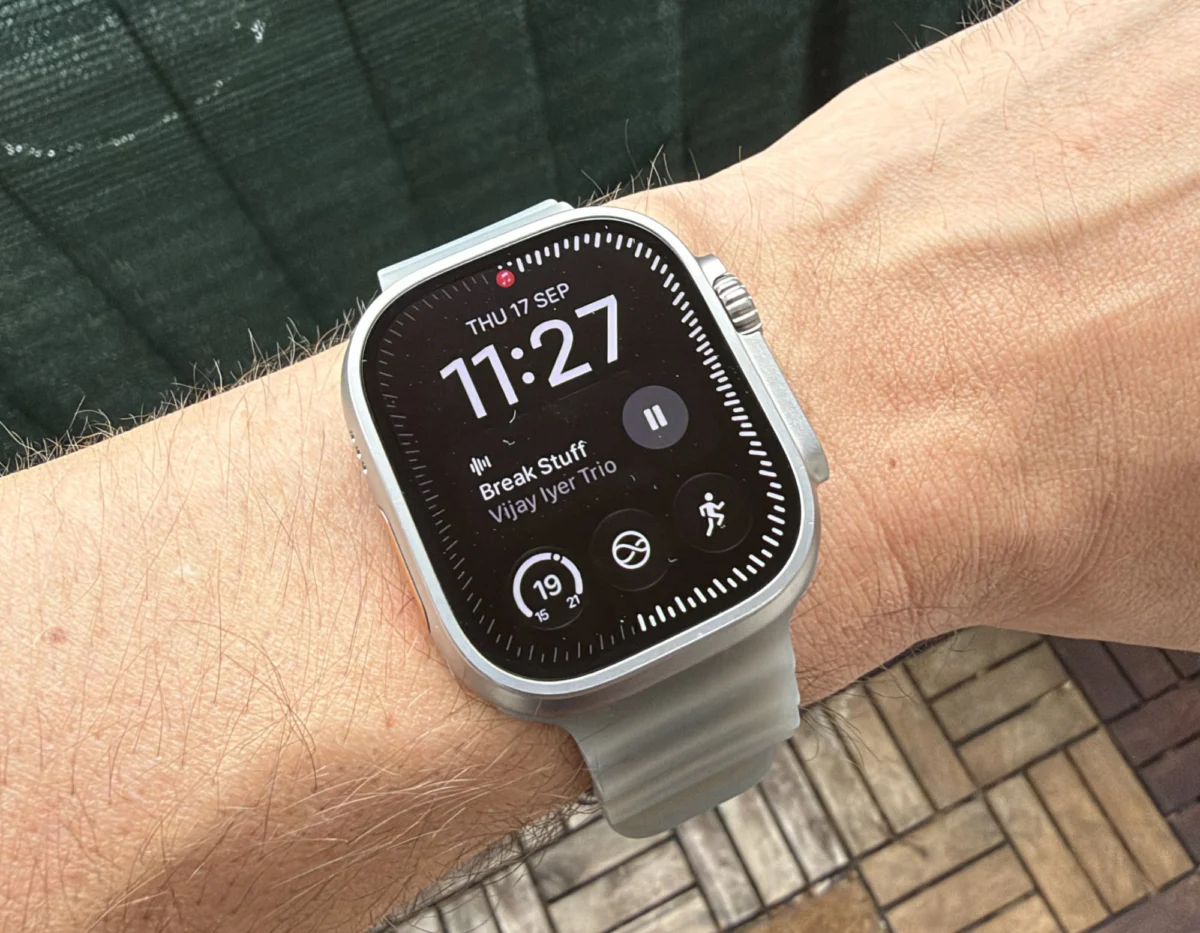
Furthermore, the Apple Watch continues to be a cornerstone of the company’s health-focused strategy. With the September event approaching, expectations are mounting for a "Series 12" or a second-generation "Ultra" redesign that could include non-invasive glucose monitoring or other advanced biometric sensors. The consistent release schedule of the Apple Watch has made it a predictable yet essential part of the annual hardware refresh.
Leadership Under John Ternus and the New Corporate Direction
The transition from Tim Cook to John Ternus marks a pivotal moment in corporate history. Cook, known for his operational genius and supply chain mastery, led Apple to unprecedented financial heights. Ternus, who previously served as the Senior Vice President of Hardware Engineering, is viewed as a "product-first" leader. This shift suggests that Apple may move away from the incrementalism that characterized the later Cook years in favor of more ambitious hardware experiments.
The 2026 product lineup will be the first true test of Ternus’s vision. The integration of AI into every facet of the ecosystem is not merely a software update but a fundamental change in how users interact with their devices. The "Apple Intelligence" branding, which began as a beta experiment at WWDC, is expected to become the primary selling point for the iPhone 18 and the M6-powered Macs. This requires a seamless marriage of hardware and software that has been the hallmark of Apple’s most successful eras.
The economic implications of these releases are substantial. As Apple continues to raise prices on its premium tiers, it must justify the cost through "must-have" features like the foldable screen or advanced AI capabilities. The success of the 2026 launches will determine whether Apple can maintain its dominant margins in an increasingly competitive global market, particularly as domestic manufacturers in China continue to innovate in the foldable and AI spaces.
Market Impact and Consumer Sentiment Analysis
As the September launch event nears, the "Big Guessing Game" among consumers reflects a broader trend of high-stakes anticipation. The data derived from reader polls indicates that the public is no longer satisfied with minor spec bumps. There is a palpable demand for "next-step" technology—foldables, touchscreens, and AI-integrated peripherals.
The skepticism surrounding some products, such as the M6 chip timing or the touchscreen MacBook, highlights a sophisticated consumer base that understands the complexities of supply chain cycles. However, the overwhelming consensus on the arrival of new AirPods and the iPhone 18 suggests that Apple’s core ecosystem remains its strongest asset. Even as leadership changes, the brand loyalty built over the last two decades provides a stable foundation for these new ventures.
The coming months will clarify which of these Apple products readers still expect in 2026 will actually hit the shelves. If the company delivers on even half of the rumored innovations—specifically the foldable iPhone and the camera-equipped AirPods—it will signal that the Ternus era is one of bold hardware evolution. If the updates remain incremental, the company may face increased pressure from investors to prove that its best days of innovation are not in the rearview mirror.
Regardless of the outcome, the 2026 cycle stands as a landmark period. It represents the intersection of a new generation of leadership, the maturation of silicon technology, and the dawn of consumer-grade artificial intelligence. The decisions made in the Apple Park boardrooms today will define the trajectory of personal technology for the next decade.