In a significant dual development for Australian consumers and taxpayers, low-cost carrier Jetstar has announced a fundamental shift in its cabin policies that will see Jetstar to charge passengers for overhead baggage, while the federal Labor government has simultaneously moved to drop the so-called ‘widow tax’ following intense political pressure. The airline’s decision to unbundle locker access from standard fares marks a major departure from traditional Australian aviation norms, effectively moving toward a "pay-for-what-you-use" model common among ultra-low-cost carriers in Europe and North America. Meanwhile, the Albanese government’s legislative pivot on tax reform aims to protect vulnerable individuals from unintended financial penalties during property transfers following death or divorce.
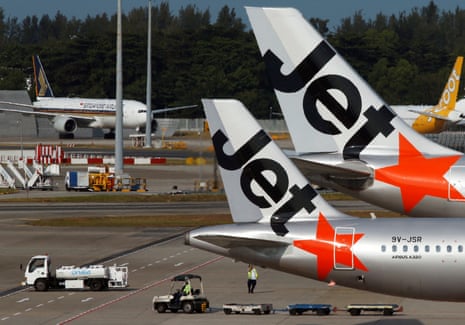
The decision by Jetstar to charge passengers for overhead baggage is slated to take effect in February 2027, representing a long-term strategic overhaul of the airline’s boarding process. Under the new guidelines, the current 7kg (15lb) weight limit for carry-on bags will be abolished in favor of a size-based restriction. Standard ticket holders will be permitted only one small item that must fit entirely under the seat in front of them, such as a handbag, laptop case, or small backpack. Travelers who require the use of overhead compartments will be required to purchase a "Priority Carry-on" package, which includes access to the lockers and a second, larger bag.

Fees for this priority service are expected to start at $25 for short-haul domestic flights, though the airline warned that costs could exceed $52 for long-haul international routes. Jetstar CEO Steph Tully defended the move as a necessary step to address persistent boarding delays and cabin congestion. According to airline leadership, the struggle for bin space has become a primary source of frustration for both flight crews and passengers, often resulting in "gate-checking" bags at the last minute and causing subsequent flight delays.
Jetstar to Charge Passengers for Overhead Baggage to Streamline Boarding
The move to charge for overhead space is part of a broader trend in the global aviation industry where airlines seek to maximize ancillary revenue while attempting to shorten aircraft turnaround times. Jetstar executives argue that by incentivizing passengers to travel with less or to pre-pay for locker space, the airline can ensure more predictable boarding sequences. "By giving customers an underseat bag with the option to add Priority Carry-on, we can make better use of overhead locker space, streamline boarding and help more flights depart on time," the CEO stated in a release.
Industry analysts suggest that this shift could fundamentally change how Australians pack for short-haul travel. For decades, the 7kg limit was a staple of the domestic flying experience, often leading to a "cat and mouse" game between passengers and gate agents with weighing scales. By removing the weight limit for those who pay for priority, Jetstar is pivoting the value proposition from weight to volume and convenience. However, consumer advocacy groups have expressed concern that this represents another layer of "nickel-and-diming" that complicates the true cost of travel for families and budget-conscious flyers.
Labor Drops So-Called ‘Widow Tax’ Following Widespread Political Backlash
While the aviation sector grapples with baggage fees, the federal government is managing a significant policy retreat in the halls of Parliament. The Labor party has confirmed it will drop the so-called ‘widow tax’ from its upcoming tranche of tax reforms. This controversial provision was an unintended consequence of broader changes to negative gearing and capital gains tax (CGT) discount rules originally outlined in the May budget. The "widow tax" would have effectively stripped tax concessions from individuals who inherited property or received it as part of a divorce settlement.
Under the initial reform proposal, properties that were "grandfathered" under older, more generous tax rules would lose those exemptions if the title was transferred due to the death of a spouse or a legal separation. This meant that a widow inheriting a family investment property could suddenly face a massive increase in tax liability, as the property would be treated as a "new" acquisition under the more restrictive current laws. The opposition and several key crossbench senators labeled the move as heartless and a direct hit on Australians during their most vulnerable moments.
Reforming Capital Gains and Negative Gearing Exemptions
The decision to drop the so-called ‘widow tax’ comes after a sustained campaign by the Coalition and independent lawmakers who argued that the policy unfairly targeted women and grieving families. In response to the backlash, the Treasurer has now expanded exemptions to ensure that beneficiaries of "genuine testamentary trusts, deceased estates, and special disability trusts" are protected from the new minimum tax on capital gains. This adjustment ensures that the transfer of assets within a family unit following a life-altering event does not trigger a punitive tax event.

The government has indicated it will now enter a period of consultation to refine the legislation. The goal remains to curb the use of negative gearing by high-wealth investors while ensuring that middle-class families are not caught in the crossfire of technicalities. This retreat is seen as a tactical necessity for the Labor party as it seeks to pass its broader housing and tax agenda through a divided Senate.
Expanding the Renewable Energy Scheme for Mid-Scale Solar
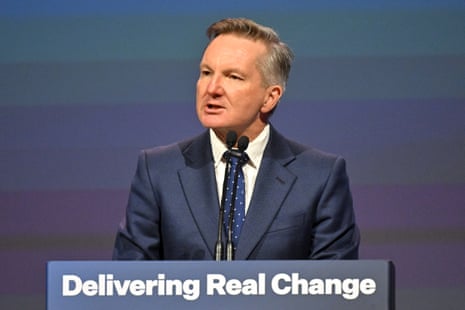
In another significant policy move, Energy and Climate Change Minister Chris Bowen is expected to announce a massive expansion of the Small-Scale Renewable Energy Scheme (SRES). During an address to the National Press Club, Bowen will detail plans to increase the limit for solar discounts from the current 100kW to 1MW. This tenfold increase is designed to address the "missing middle" of Australia’s energy transition—commercial, industrial, and agricultural buildings that are too large for residential schemes but too small for utility-scale investment.
According to government projections, this expansion will slash installation costs for mid-scale solar projects by approximately 20%. While Australia leads the world in per capita residential solar, with over 22GW installed, the business sector has lagged behind significantly. Data from June indicates that businesses have only installed about 5.6GW, despite being the largest consumers of electricity. The new rule change would also require network providers to expedite approvals for these mid-scale installations, removing the bureaucratic hurdles that have previously stifled commercial adoption of renewable technology.
David Pocock Calls for Housing Correction and Gambling Reform
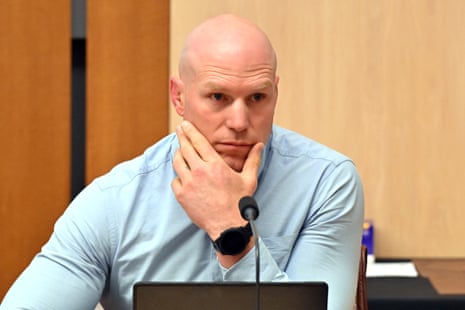
The legislative environment remains charged, with Independent Senator David Pocock making headlines for his blunt assessment of the nation’s economic priorities. Speaking on the housing crisis, Pocock suggested that a "housing correction" would be a net positive for the country. He argued that the rapid appreciation of property prices over the last twenty years has outpaced wage growth to an unsustainable degree, turning a basic human necessity into a speculative asset.
Pocock’s comments align with his support for Labor’s decision to drop the so-called ‘widow tax,’ though he continues to push for more aggressive reforms to negative gearing to level the playing field for first-home buyers. Beyond housing, the Senator also took aim at the gambling industry following revelations in a parliamentary inquiry. Pocock described the industry as "predatory," noting that Australians remain the world’s biggest losers per capita when it comes to gambling. He accused major political parties of being under the "stranglehold" of vested interests, preventing the implementation of popular reforms like a total ban on gambling advertisements.
Broader Economic and Social Consequences
The intersection of these developments—Jetstar’s baggage fees, the government’s tax pivot, and the expansion of renewable energy—paints a picture of an Australian economy in a state of rapid recalibration. As Jetstar to charge passengers for overhead baggage, the travel industry is watching closely to see if Qantas or Virgin Australia will follow suit or use the move to differentiate themselves as "full-service" alternatives. The outcome will likely dictate the future of domestic travel affordability.
Simultaneously, the political resolution to drop the so-called ‘widow tax’ demonstrates the power of the crossbench in the current Parliament. It serves as a reminder that while the government may seek broad fiscal reforms, the specific details of how those taxes impact the average citizen can lead to significant political volatility. As the nation moves toward the next election cycle, the management of cost-of-living pressures—from the price of a flight to the tax on an inherited home—will remain the central battleground of Australian politics.