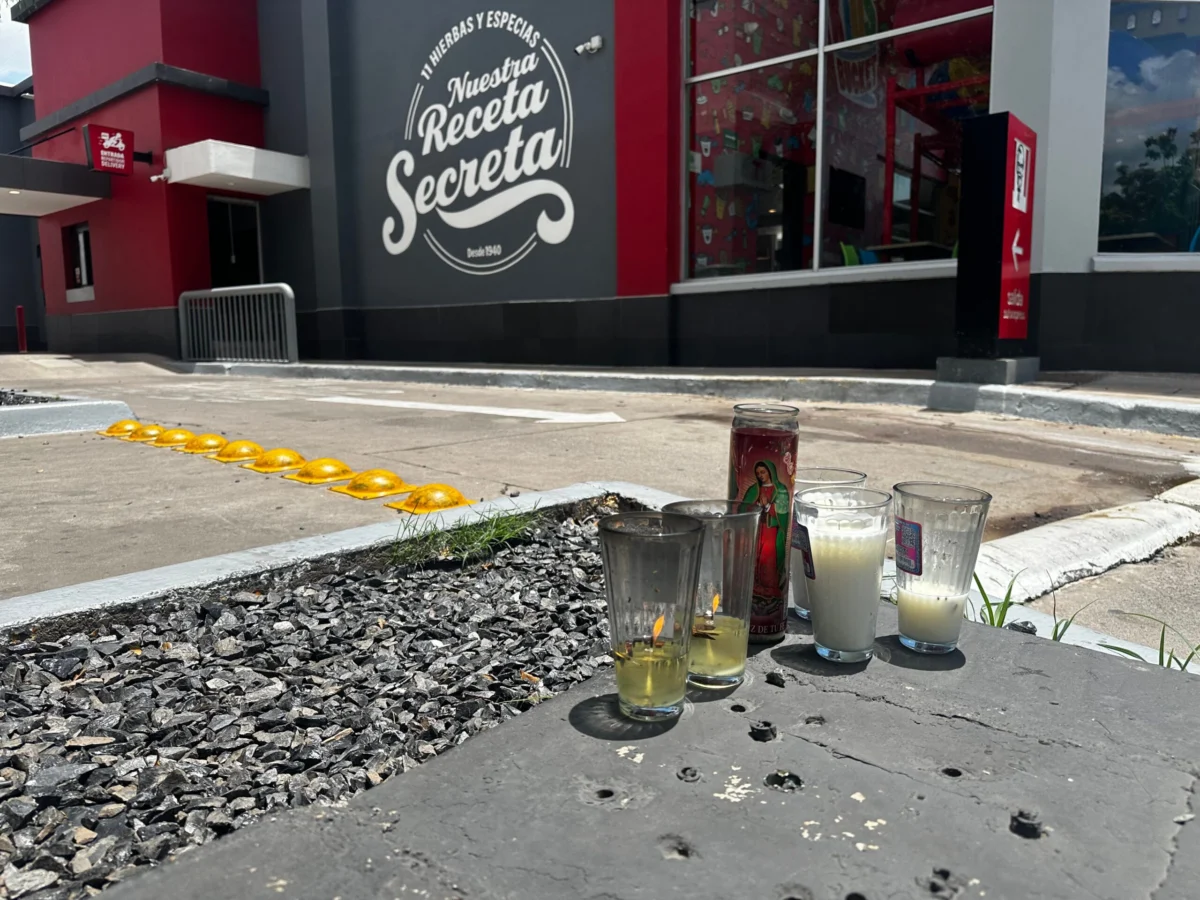
Cesar Gastelum, a Mexican social media influencer with a substantial following of 650,000 on TikTok, was fatally shot on Tuesday while broadcasting a live video, according to authorities. The incident occurred in Culiacan, the capital of the notoriously volatile Sinaloa state, in a location perilously close to the local prosecutor’s office.
The chilling moment of Gastelum’s death was captured on video and has since circulated, showing the influencer in a parking lot, seemingly engaged in conversation with two other men. The footage depicts two assailants arriving on a motorcycle. One of the attackers then brandishes a firearm and fires at Gastelum, resulting in his immediate death. The perpetrators swiftly fled the scene following the attack.
Sinaloa, a state historically synonymous with drug cartel activity, has been gripped by escalating violence in recent years, largely attributed to brutal territorial disputes between warring factions within the Sinaloa Cartel. These internal conflicts, notably between groups identified as Los Mayos and Los Chapitos, have led to an increase in public displays of violence, with bodies often left bearing the insignia of one faction or the other.
The gravity of the situation prompted a response from Mexico’s President Claudia Sheinbaum, who addressed the incident during a news conference on Wednesday morning. "We must find out why this deplorable homicide occurred," she stated, emphasizing the urgency of the investigation. "Perpetrators must be arrested," she added, underscoring the government’s commitment to bringing those responsible to justice.
Gastelum himself was known for content that often alluded to a lifestyle associated with organized crime. He frequently used the term "belico," a colloquial Spanish term often used in certain Mexican subcultures to signify a connection or admiration for cartel culture. This self-identification has become a focal point for investigators examining the motives behind the fatal shooting.
Mexico’s security cabinet and local prosecutors have confirmed that an active investigation is underway. Early findings suggest that Gastelum may have released videos in which he "alluded to a faction of a criminal group," potentially providing a motive for the targeted assassination. The proximity of the shooting to the prosecutor’s office adds a layer of audacity and concern to the brazen act.
Echoes of Violence: A Pattern of Livestreamed Murders
The assassination of Cesar Gastelum is not an isolated incident, raising alarming parallels to previous acts of violence targeting social media personalities. In May 2025, a similar tragedy unfolded in the central state of Jalisco, where 23-year-old beauty influencer Valeria Marquez was also shot and killed while livestreaming on TikTok.
The murder of Marquez sent shockwaves through the digital influencer community and prompted a significant response from international authorities. In the aftermath of her death, the U.S. Department of the Treasury imposed sanctions against five leaders of a prominent Mexican drug cartel. These sanctions specifically targeted members of the Jalisco New Generation Cartel (CJNG), a powerful organization implicated in a substantial portion of fentanyl and other illicit drugs trafficked into the United States.
The CJNG is led by Nemesio Ruben "El Mencho" Oseguera Cervantes, a figure who remains on the U.S. Treasury’s list of sanctioned individuals. U.S. authorities have placed a $15 million reward on information leading to his capture, highlighting his status as a high-priority target in the ongoing war on drugs.
Among those sanctioned was Ricardo Ruiz Velasco, described as a cartel commander closely linked to "El Mencho." The U.S. Treasury Department identified Velasco as the prime suspect in the murder of Valeria Marquez, further suggesting a disturbing connection between cartel leadership and the targeted killings of influencers. Reports indicated that Marquez was allegedly his romantic partner, adding a layer of personal tragedy to the cartel violence.
The U.S. government’s proactive stance against the CJNG has continued, with further actions taken to disrupt its operations. On Wednesday, the Trump administration announced substantial rewards, totaling over $102 million, for information leading to the arrest or conviction of eight CJNG leaders. These measures underscore the international concern surrounding the cartel’s influence and its role in fueling violence within Mexico and drug trafficking into the United States.
The "Belico" Phenomenon and its Deadly Consequences
The term "belico" has gained prominence in certain online circles within Mexico, serving as a descriptor for individuals who project an image of association with the narco-culture. This subculture often glorifies aspects of cartel life, including wealth, power, and a perceived defiance of authority. Influencers like Gastelum have capitalized on this trend, cultivating an audience drawn to such imagery and themes.
However, this embrace of "belico" culture carries significant risks in regions where cartel influence is pervasive and lethal. The violent realities of the drug trade often spill over into public life, and individuals who are perceived as aligning with or glorifying these criminal enterprises can become targets. Investigators are meticulously examining Gastelum’s online activities and any potential real-world connections that may have made him a target.
The investigation into Gastelum’s murder will likely delve into his recent online interactions, financial dealings, and any known associates or rivals within the complex and dangerous landscape of Sinaloa. The explicit mention of him alluding to a criminal faction by the security cabinet suggests that his digital footprint may hold crucial clues for law enforcement.
Broader Implications for Influencer Culture and Public Safety
The repeated instances of influencers being targeted and killed while engaging in online activities highlight a growing concern for the safety of content creators in regions grappling with organized crime. The allure of viral fame and the monetization of certain subcultures, even those associated with illicit activities, can have devastating and fatal consequences.
The digital space, while offering opportunities for connection and influence, also presents unique vulnerabilities. The livestreaming of events, intended to capture authentic moments, can inadvertently expose individuals to real-time danger. This has led to calls for increased awareness and safety protocols among social media personalities operating in high-risk environments.
The involvement of U.S. authorities in sanctioning cartel leaders and offering rewards underscores the transnational nature of the drug trade and its impact on regional stability. The connection between cartel violence and the targeting of influencers suggests a broader strategy by criminal organizations to control narratives, eliminate perceived threats, or even use such incidents as a form of intimidation.
The Mexican government faces a formidable challenge in addressing the pervasive influence of cartels and ensuring public safety. The killing of Cesar Gastelum, particularly in such a public and brazen manner, serves as a stark reminder of the ongoing struggle against organized crime and the devastating human cost of this conflict. The investigation’s outcome is keenly awaited, not only for justice in this specific case but also for insights into the evolving tactics of criminal groups and the broader implications for digital culture in affected regions.