The United Nations Children’s Fund (UNICEF) has reported a devastating toll on children in the Gaza Strip, stating that an average of one child has been killed each day since a so-called "ceasefire" was announced on October 10, 2025. This grim statistic equates to at least 300 children lost in the approximately 300 days following the agreement between Israel and Hamas.
Escalating Child Casualties Amidst Prolonged Conflict
The ongoing violence has inflicted immense suffering on Gaza’s youngest population. Beyond the fatalities, hundreds more children have sustained severe injuries, leaving them with life-altering disabilities. UNICEF’s statement underscored the urgent need for parties involved in a proposed U.S.-led peace plan to move beyond rhetoric and translate their commitments into tangible actions that protect civilian lives, particularly those of children.
Edouard Beigbeder, UNICEF’s regional director for the Middle East and North Africa, expressed profound dismay at the persistent bloodshed. "A ceasefire that leaves an average of one child dead each and every day is failing children," Beigbeder stated. He emphasized that children in Gaza are still awaiting the cessation of violence that they were promised.
Humanitarian Crisis Deepens for Gaza’s Children
The already precarious living conditions for families in Gaza have worsened considerably. Many are now confined to approximately one-third of the enclave, forced to seek shelter amidst the ruins of destroyed buildings, piles of rubble, and uncleared waste. This displacement exacerbates existing vulnerabilities, leaving children exposed to a multitude of dangers.
The humanitarian situation is characterized by widespread acute malnutrition, the prevalence of preventable diseases, and a critical lack of access to safe drinking water and functional sanitation systems. The strain on medical infrastructure is immense, with reports indicating a severe shortage of incubators, forcing premature newborns to share vital equipment. This dire situation highlights the catastrophic impact of the protracted conflict on the most vulnerable segment of the population.
The Scale of Loss and Trauma
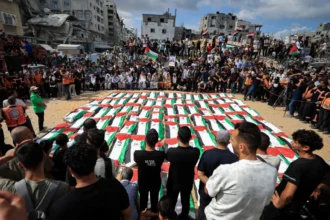
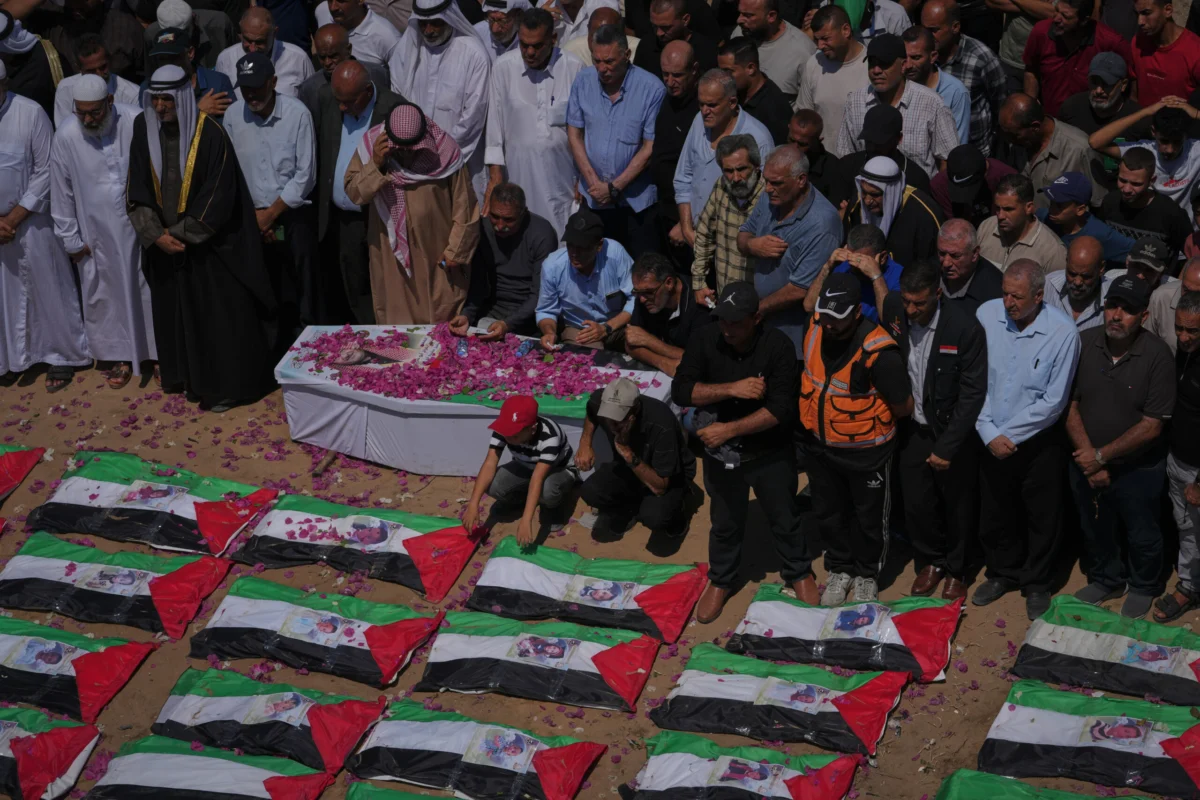
Since October 2023, health authorities in Gaza have reported that Israel’s military operations have resulted in the deaths of over 73,300 Palestinians. UNICEF’s data paints a particularly harrowing picture of the impact on children, revealing that more than 58,000 children have lost one or both parents. This staggering number represents an entire generation grappling with profound grief and displacement.
Furthermore, the agency estimates that over a million children require critical protection and psychosocial support to cope with the immense trauma they have endured. UNICEF has previously estimated that approximately 17,000 children are unaccompanied or separated from their families, signifying one of the largest child protection crises globally. Families are repeatedly displaced, facing loss of income and severely limited access to essential services like healthcare, education, and protection.
Tragic Incidents Underscoring the Human Cost
The human cost of the conflict is tragically illustrated by specific incidents. In a devastating strike on August 2 in western Gaza City, residents recovered the remains of an unborn baby from the rubble. The attack claimed the lives of a pregnant woman, her husband, and their five-year-old son, a stark reminder of the indiscriminate nature of the violence.
Childhood Lost: A Generation Denied Basic Rights
Beyond the immediate physical dangers, aid workers describe a generation being systematically stripped of its childhood. As Gaza enters its third summer of conflict, the daily lives of many children are consumed by the arduous tasks of fetching water, queuing for food, and gathering firewood. The simple joys of play, summer camps, and access to basic educational materials like art supplies, paper, and pens are largely out of reach in the overcrowded displacement camps.
A UNICEF assessment conducted in May revealed a critical lack of safe and stimulating environments necessary for early childhood development. School-aged children are facing prolonged disruptions to their education, with little prospect of recovery without targeted interventions. The loss of formative experiences and opportunities for learning is creating a deep deficit in their development.
The Psychological Scars of War
The psychological impact on children is profound and long-lasting. Aid organizations consistently highlight the mental toll of constant fear, loss, and displacement. The lack of opportunities for play and normalcy means that children are unable to process their experiences in healthy ways, leading to increased rates of anxiety, depression, and post-traumatic stress.
Jonathan Crickx, UNICEF’s Palestine communications chief, previously emphasized the vital role of play in healing. "Play is how children reclaim what war stole from them," he stated, underscoring its essential nature rather than a mere luxury. The denial of this fundamental aspect of childhood development has far-reaching consequences for the mental well-being of an entire generation.
Hope for Change Amidst Lingering Uncertainty
Despite the grim realities, Beigbeder acknowledged recent announcements signaling steps toward ending hostilities and increasing humanitarian aid. He articulated the critical litmus test for the children of Gaza: "For children in Gaza, the test is simple. Does the killing stop? Does aid reach them at scale? Do hospitals reopen and water flow?" These questions encapsulate the urgent needs and the profound impact of international efforts on the ground.
In a tangible effort to support the resumption of education, UNICEF delivered over 600 pallets of school supplies and soap this week, in anticipation of the school year beginning within the next two weeks. This initiative aims to provide some semblance of normalcy and educational continuity for children facing immense adversity. However, the effectiveness of such measures is directly contingent on a lasting cessation of hostilities and unimpeded access for humanitarian aid.
The Path Forward: A Call for Sustained Action
The ongoing child casualties in Gaza serve as a stark indictment of the international community’s failure to fully protect vulnerable populations during conflict. The statistics released by UNICEF are not merely numbers; they represent individual lives, shattered futures, and a generation struggling to survive. The international community faces immense pressure to ensure that promises of peace and aid translate into concrete actions that prioritize the well-being and safety of every child in the region. The long-term implications for Gaza’s society and its children are immense, underscoring the urgent need for a comprehensive and sustained commitment to peace and reconstruction.