The United States Senate has overwhelmingly approved a significant sanctions package designed to cripple Russia’s energy revenue streams, a move intended to intensify pressure on Moscow amid its protracted invasion of Ukraine. The legislation, passed on Friday with broad bipartisan support, introduces substantial economic penalties, including a proposed 100 percent tariff on Russian oil and gas imports by major nations and measures to counter clandestine maritime networks used to circumvent existing Western embargoes.
Intensifying Economic Pressure on Moscow
The "Lindsey O. Graham Sanctioning Russia and Iran Act of 2026," as it is formally known, represents a forceful escalation of economic warfare against Russia. The Senate’s decisive vote of 86-11 underscores a unified stance among a significant majority of lawmakers to leverage financial instruments as a critical component of the international response to Russia’s aggression. This robust legislative action now propels the bill to the House of Representatives, where its future passage remains a subject of anticipation, particularly given the upcoming congressional summer recess which will delay further consideration until at least early September.
Bipartisan Push for Decisive Action
The impetus behind this aggressive sanctions bill stems from a deep-seated belief among its proponents that economic leverage can achieve what battlefield maneuvers alone may not. Republican Senator Jim Risch, the ranking member of the Senate Foreign Relations Committee, articulated this sentiment on the Senate floor, stating that the legislation "could finally bring Russia to the negotiating table and end this conflict between Russia and Ukraine." He emphasized that the sanctions would deliver a "decisive impact that goes beyond what can be achieved on the battlefield," directly aiming to "cut off the flow of cash that powers Putin’s war machine."
This sentiment was echoed by Ukrainian President Volodymyr Zelenskyy, who has consistently advocated for robust international sanctions. Zelenskyy welcomed the Senate’s action, asserting that "real, strong American pressure and sanctions against Russia are what will help the most" in bringing "this insane Russian war against our independence and our people to an end." In a public statement on the social media platform X, President Zelenskyy extended his gratitude across the political spectrum, acknowledging and appreciating the "continuous support from both parties and the entire American people."
A Legacy of Advocacy and a Named Tribute
The legislation bears the name of the late Republican Senator Lindsey Graham, a staunch advocate for increased sanctions against Moscow. Senator Graham, who passed away on July 11, had been a driving force behind efforts to tighten economic restrictions on Russia in response to its ongoing military operations. His sister, Darline Graham Nordone, who has since been appointed to fill his vacant Senate seat, commented on the bill’s passage, stating that it "hits Putin where it hurts."
This initiative was not without its preceding challenges. Just one day before his passing, Senator Graham, alongside a bipartisan coalition of senators, had reportedly secured the White House’s preliminary approval for new sanctions targeting Russian hydrocarbons. These measures had previously faced significant opposition and had been stalled, reportedly by former President Donald Trump.
Unambiguous Message to the Kremlin
Democratic Senator Jeanne Shaheen, also a member of the Foreign Relations Committee, underscored the bill’s clear messaging, stating that it sends "Vladimir Putin an unambiguous and bipartisan message in the only language he understands: pressure." This sentiment of a unified international front against Russian aggression was also voiced by Ursula von der Leyen, President of the European Commission. She expressed her support, tweeting, "Together, let us drain Russia’s means to continue a war it cannot win."
Navigating Potential Hurdles in the House
Despite the overwhelming Senate vote, the path forward in the House of Representatives is not without potential complications. Several House members have voiced reservations, suggesting that the lower chamber might present a more challenging legislative environment for the bill’s approval.
Democratic Representatives Gregory Meeks and Don Beyer, in a joint press release, raised concerns about the broad discretionary powers granted by the tariff provisions. They described the adopted version as "unacceptable," arguing that these powers could be wielded "without restraint by Trump." This indicates a potential for debate over the scope and application of the sanctions within the House.
Russian Opposition and Economic Realities
The Russian Embassy in Washington, D.C., has previously condemned the proposed legislation. In a statement issued last month, the embassy pointed to existing energy market disruptions, particularly those stemming from the protracted US-Israel war on Iran. The embassy argued that imposing further sanctions on Russia and its trading partners, especially "with an impending energy crisis and rising gas prices on the eve of the [US] midterm elections, would be extremely counterproductive for the United States." This highlights Russia’s perspective that such measures could backfire on the U.S. economy.
Broader Implications and the Global Energy Landscape
The passage of the "Lindsey O. Graham Sanctioning Russia and Iran Act of 2026" signifies a significant strategic shift in how the United States and its allies are confronting Russia’s economic capabilities. By targeting the nation’s primary export revenue source, the legislation aims to sever the financial lifelines that sustain the Kremlin’s military operations. This comprehensive approach acknowledges the interconnectedness of global energy markets and the profound impact of energy exports on geopolitical power dynamics.
The potential for a 100 percent tariff on Russian oil and gas imports, if fully implemented, could dramatically reshape global energy trade flows. Such a move would necessitate rapid adjustments by major importing nations, potentially leading to increased demand for energy from other producers and a significant shift in supply chains. This could result in price volatility and necessitate strategic energy reserves management by countries reliant on Russian energy.
The Shadow of Past Policies and Future Recourse
The reference to former President Trump’s previous obstruction of similar measures underscores the ongoing political debate surrounding foreign policy and economic sanctions within the United States. The bill’s naming after Senator Graham, who championed these sanctions, also serves as a powerful symbolic gesture, memorializing his commitment to confronting Russian aggression. The inclusion of his sister in the Senate, now positioned to uphold his legislative legacy, adds another layer of personal and political resonance to this significant piece of legislation.
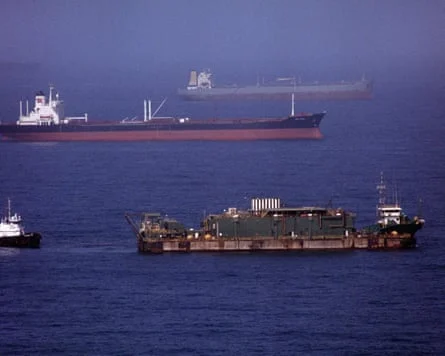
The bill’s provisions targeting clandestine maritime networks are designed to close loopholes that Russia has exploited to circumvent existing sanctions. These networks, often operating in the shadows, facilitate the illicit sale and transport of Russian oil, thereby undermining international efforts to isolate Moscow economically. By strengthening enforcement mechanisms and increasing transparency in maritime trade, the legislation aims to make these evasive tactics significantly more difficult and costly for Russia to employ.
The Road Ahead: House Consideration and Global Coordination
As the bill moves to the House of Representatives, its proponents will be working to garner sufficient support to ensure its passage. The upcoming recess provides a period for further deliberation, negotiation, and coalition-building. The effectiveness of these sanctions, however, will also depend on the extent of international cooperation. While the Senate has acted decisively, sustained pressure on Russia requires a coordinated effort among major global economies.
The European Union, for instance, has been a significant importer of Russian energy and has its own complex internal debates regarding the pace and scope of sanctions. The U.S. legislation, by proposing such aggressive measures, could serve as a catalyst for further alignment and increased pressure on Russia from a broader international coalition. The ultimate success of these sanctions in compelling Russia to alter its course in Ukraine will hinge on their sustained implementation, their economic impact on Moscow, and the broader geopolitical landscape they help to shape.