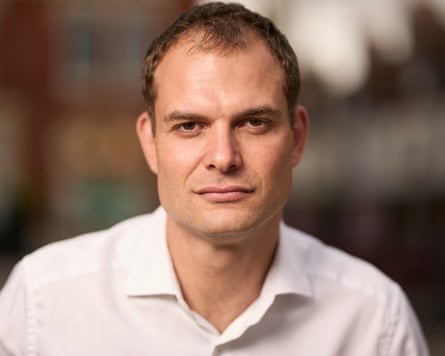
The United Kingdom is preparing to accelerate its diplomatic efforts to establish a deeper relationship with the European Union, signaling a departure from the more cautious approach of the previous administration. Hamish Falconer, the newly appointed cabinet minister in charge of post-Brexit negotiations, stated that the government under Prime Minister Andy Burnham intends to move with "renewed pace" to resolve long-standing frictions with Brussels. While the administration maintains strict "red lines" regarding the single market and the customs union, Falconer emphasized that there remains significant room for ambition within those boundaries.
The shift in tone comes as the Burnham government seeks to distinguish itself from the tenure of Keir Starmer, who resigned in June. Under Starmer, a planned "reset summit" with EU leaders was repeatedly postponed, leading to concerns among European diplomats that the momentum for a closer partnership had stalled. Falconer, a former Foreign Office negotiator with experience in high-stakes environments, including talks with the Taliban, is now tasked with revitalizing these bilateral discussions.
Strategic Shifts in Post-Brexit Diplomacy
The pursuit of a deeper relationship with the EU is framed by the Burnham administration as a pragmatic necessity rather than a reversal of the 2016 referendum. Falconer told reporters that his primary objective is to explore the "art of the possible" to enhance economic and social cooperation. This approach focuses on sectors where the UK and the EU share mutual interests but have yet to codify them into formal agreements.
A central component of this strategy is the liberalization of the service sector. Services account for approximately 80% of the UK economy, yet post-Brexit arrangements have left many professionals facing significant bureaucratic hurdles when working across borders. Falconer indicated that the government is seeking progress on visa-free travel for British professionals and the mutual recognition of professional qualifications, which would allow architects, consultants, and legal experts to operate more freely within the bloc.
"I would want a deeper relationship, a more ambitious relationship with the EU," Falconer stated, noting that services remain an area where the EU itself is seeking to improve internal integration and productivity. By aligning UK interests with the EU’s own productivity challenges, the Burnham government hopes to find a collaborative path forward that benefits both economies.
Prioritizing the Service Sector and Professional Mobility
The emphasis on services marks a tactical pivot in British foreign policy. Previous negotiations often focused heavily on the movement of goods and agricultural standards, areas where regulatory alignment is notoriously difficult. By shifting the focus to services, Falconer aims to address a sector where the UK maintains a competitive advantage and where the EU is currently debating its own future regulatory framework.
The proposed changes would ideally include provisions for short-term business travel, reducing the need for expensive and time-consuming work permits for UK citizens performing contracts in EU member states. Additionally, the mutual recognition of qualifications is seen as a vital step in restoring the UK’s status as a global hub for professional services. Without such an agreement, many British firms have found themselves at a disadvantage compared to their European counterparts, often being forced to establish costly subsidiaries within the EU to continue operations.

However, achieving this deeper relationship requires navigating the EU’s insistence on "level playing field" provisions. Brussels has historically been wary of granting market access without corresponding commitments to regulatory standards. Falconer acknowledged these complexities but suggested that the shared values and solidarity between the UK and the EU provide a stronger foundation for compromise than existed under previous Conservative governments.
Overcoming the Youth Mobility Standoff
One of the most immediate hurdles facing the new negotiator is the deadlock over a proposed youth mobility scheme. The European Commission has pushed for an agreement that would allow citizens aged 18 to 30 to live, study, and work in each other’s territories for a set period. While such a deal is popular among young voters and businesses seeking seasonal labor, it has faced domestic opposition due to concerns over its impact on net migration figures.
A specific sticking point involves university tuition fees. The EU has requested that European students in the UK be granted "home fee" status, which would significantly lower the cost of their education. This proposal has been met with resistance from the UK’s cash-strapped higher education sector, which relies heavily on the higher fees paid by international students to remain financially viable.
Falconer, who represents the constituency of Lincoln, noted that he is acutely aware of the financial pressures facing universities. "In my constituency, there are two universities. I’ve got those issues very much at the forefront of my mind," he said. He emphasized that any deal must "work for both sides" and respect the domestic constraints of each party. Resolving this issue is seen as a prerequisite for the next major summit, which is tentatively expected to take place in October.
Security, Defense, and the Safe Fund Challenge
Beyond trade and mobility, the Burnham government is seeking a deeper relationship through enhanced security and defense cooperation. The ongoing conflict in Ukraine and the broader threat posed by Russian aggression have underscored the importance of European solidarity. Falconer argued that the UK’s role in European security is indispensable and that formalizing this partnership is a top priority.
A significant test of this intent will be the UK’s potential participation in the €150 billion Safe fund, an EU initiative designed to boost defense investment and innovation. Previous attempts to join the fund collapsed last year, with analysts blaming a "failure of statecraft" on both sides. Reports suggested that France, in particular, had set conditions for British involvement that the UK found unacceptable.
Falconer aims to move past these historical grievances by emphasizing the shared challenges that transcend borders. He pointed to the climate crisis and the increasing frequency of wildfires across the continent as areas where European nations must coordinate their resources. By framing the relationship through the lens of "European solidarity," the government hopes to build the political capital necessary to secure participation in high-level defense and technology projects.
Applying the "Makerfield Test" to Foreign Policy
A unique element of the Burnham administration’s approach is the application of the "Makerfield test" to international negotiations. This concept, championed by the Prime Minister, posits that any diplomatic or economic agreement must deliver tangible benefits to ordinary citizens in working-class communities, such as those in the Makerfield constituency.
Falconer stated that his negotiations would be guided by the need to address the cost-of-living crisis and economic stagnation in the UK’s "left-behind" regions. For a deeper relationship with the EU to be politically sustainable, it must be seen as a tool for domestic renewal rather than a project for the metropolitan elite. This means ensuring that trade deals translate into local jobs and that regulatory changes do not disadvantage domestic industries.
"We are part of Europe and we feel the threats to Europe," Falconer said, linking international stability directly to domestic security. By focusing on practical outcomes—such as lowering the barriers for food and drink exports or securing energy cooperation—the government seeks to build a broad coalition of support for its European agenda, even in heavily Leave-voting areas.
The Path to the October Summit
The road to a deeper relationship with the EU will require a delicate balancing act. While EU trade commissioner Maroš Šefčovič and other senior figures in Brussels have welcomed the "new energy" brought by Falconer, they remain cautious. Previous UK negotiators were often criticized for trying to "cherry-pick" benefits without accepting the responsibilities that come with them.
The delay of the July summit to October provides the Burnham administration with a window to flesh out its foreign policy and for Falconer to master the technical details of the various dossiers. This period is also crucial for Downing Street to provide the "political space" necessary for Falconer to make concessions where required.
The success of this reset will likely be measured by the government’s ability to bank early wins, such as the deal to ease barriers for food and drink exports, which is currently slated for 2027. If Falconer can demonstrate that a more ambitious approach yields results, the Burnham administration may succeed in moving the UK-EU relationship into a more stable and productive era.
As the October summit approaches, the international community will be watching closely to see if the UK can finally move past the friction of the Brexit years. For Falconer and the Burnham government, the goal is clear: a relationship that is not just functional, but deep enough to meet the geopolitical and economic challenges of the 21st century.