The United States is engaged in what it describes as "semi-negotiations" with Iran, a delicate diplomatic dance occurring against a backdrop of heightened regional instability, while Israel has formally rebuffed a proposed 15-point peace plan for Gaza. President Trump indicated a strategy of sustained economic pressure, suggesting a deliberate waiting game as Tehran maintains its conditions regarding the strategic Strait of Hormuz. This dual-pronged development injects significant uncertainty into the volatile Middle East, with potential ramifications for global oil markets and the long-sought prospects for Israeli-Palestinian peace.
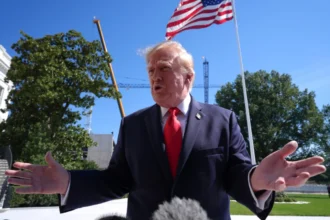
The Trump administration’s approach to Iran has been characterized by a policy of "maximum pressure," aiming to curb Tehran’s nuclear ambitions and its regional influence. However, the recent acknowledgement of "semi-negotiations" suggests a nuanced shift, or at least a parallel track, to direct confrontation. This subtle diplomatic engagement, described by the President as "low-keying it," implies a desire to keep channels of communication open, even as the economic squeeze intensifies. The ultimate goal, according to administration officials, is to compel Iran to alter its behavior without resorting to direct military conflict.
Navigating the Hormuz Strait: A Strategic Chokepoint
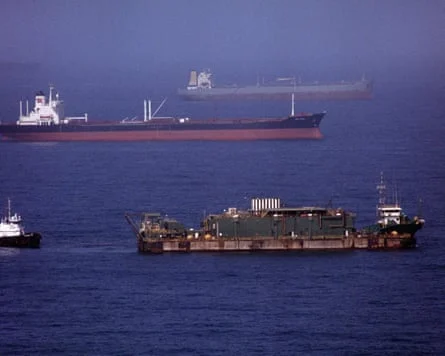
The Strait of Hormuz, a vital waterway through which a significant portion of the world’s oil supply transits, remains a critical point of contention. Iran has repeatedly threatened to disrupt shipping in the strait, a move that would have immediate and severe consequences for global energy markets. Tehran’s firm stance on conditions related to the Hormuz underscores its leverage in the region and its willingness to use this strategic chokepoint as a bargaining chip. The US, in turn, has maintained a strong naval presence in the Persian Gulf to ensure freedom of navigation, a posture that has contributed to the ongoing tensions.
The economic pressure campaign has seen the re-imposition of stringent sanctions on Iran, targeting its oil exports, financial institutions, and other key sectors of its economy. The administration’s stated intention is to deplete Iran’s financial resources, thereby limiting its ability to fund its regional proxy activities and its ballistic missile program. The effectiveness and long-term consequences of this strategy remain a subject of debate, with some analysts arguing that it may further entrench hardline elements within the Iranian government and potentially provoke more aggressive actions.
Israel’s Rejection of the Gaza Peace Plan
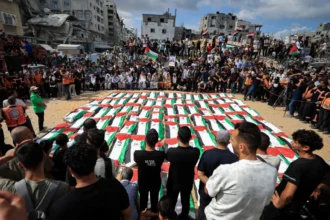
In parallel to the developments concerning Iran, a separate but equally significant diplomatic hurdle has emerged with Israel’s formal rejection of a 15-point peace plan for Gaza. Details of the plan have not been widely disseminated, but it is understood to address critical issues related to Palestinian governance, security, and humanitarian aid within the Gaza Strip. The rejection by Israeli leadership signals a significant setback for any immediate prospects of de-escalation or a renewed peace process in the Palestinian territories.
The political landscape in Israel is complex, with a coalition government often navigating internal divisions on matters of national security and peace negotiations. The current government’s stance on the Gaza plan likely reflects a combination of security concerns, political considerations, and a deep-seated skepticism regarding the feasibility of a comprehensive agreement with Palestinian factions. The humanitarian situation in Gaza, already dire, is expected to be further exacerbated by the continued lack of a viable political solution.
Background to the Current Tensions
The current geopolitical climate is a culmination of years of simmering conflict and shifting alliances. The Trump administration’s withdrawal from the Joint Comprehensive Plan of Action (JCPOA), commonly known as the Iran nuclear deal, in 2018 marked a significant turning point. This decision, coupled with the re-imposition of sanctions, dramatically altered the diplomatic calculus and led to a period of increased confrontation. Iran has since announced its intention to enrich uranium beyond the limits set by the original agreement, further fueling international concern.
The ongoing conflict between Israel and Palestinian groups, particularly Hamas in Gaza, has been a persistent source of instability in the region. Cycles of violence, punctuated by periods of fragile truce, have characterized the relationship. The absence of a sustained and effective peace process has allowed extremist ideologies to flourish and has contributed to the humanitarian crisis in Gaza, where civilian populations bear the brunt of the conflict.
US Strategy: Economic Pressure and Diplomatic Engagement
President Trump’s public statements indicate a belief that continued economic pressure will eventually force Iran to the negotiating table with more favorable terms for the United States. This strategy relies on the assumption that Iran’s economy will continue to deteriorate under sanctions, leading to internal pressure on the government to seek relief. The "semi-negotiations" aspect suggests that while the US is applying maximum pressure, it is also maintaining an avenue for dialogue, perhaps to test the waters for potential future discussions or to manage de-escalation if necessary.
The specifics of these "semi-negotiations" remain opaque, a common tactic in sensitive diplomatic endeavors. It is unclear whether these discussions involve direct, high-level exchanges or are being conducted through intermediaries. The emphasis on "low-keying it" suggests a desire to avoid public pronouncements that could be exploited by hardliners in either country or that could derail delicate progress.
Implications for Global Security and Economy
The developments in the Middle East have far-reaching implications for global security and the world economy. Any escalation of tensions involving Iran, particularly concerning the Strait of Hormuz, could lead to significant disruptions in oil supply, triggering price spikes and impacting economies worldwide. The ongoing conflict in Gaza also contributes to regional instability and poses a constant risk of wider conflagration.
The US policy towards Iran, balancing economic pressure with limited diplomatic engagement, is a high-stakes gamble. Success could lead to a more stable region and a more secure global energy market. However, missteps or miscalculations could result in unintended consequences, including further regional conflict or a more entrenched Iranian regime.
The Future of Israeli-Palestinian Peace Prospects
Israel’s rejection of the Gaza peace plan casts a long shadow over the prospects for a lasting resolution to the Israeli-Palestinian conflict. The plan’s failure to gain traction suggests that the fundamental obstacles to peace – including issues of borders, security, refugees, and mutual recognition – remain deeply entrenched. Without a viable political framework and a willingness from all parties to compromise, the cycle of violence and humanitarian suffering in Gaza is likely to continue.
The international community, including the United States, has a vested interest in promoting peace and stability in the Middle East. However, the efficacy of external mediation is often dependent on the willingness of the principal parties to engage in good-faith negotiations. The current political climate in both Israel and the Palestinian territories presents significant challenges to such engagement.
Broader Regional Dynamics and the Role of Other Actors
The dynamics between the US and Iran, and the ongoing conflict in Gaza, are intricately linked to broader regional power struggles. Countries like Saudi Arabia, the United Arab Emirates, and other Gulf states are closely watching these developments, as they have their own complex relationships with both Iran and the Palestinian issue. The involvement of other international actors, such as Russia and China, also adds layers of complexity to the geopolitical chessboard.
The effectiveness of US strategy will also depend on its ability to coordinate with its allies and to foster a unified international approach to regional security challenges. A fractured international front could provide opportunities for adversaries to exploit divisions and undermine diplomatic efforts.
Public Reaction and Perceptions
News of "semi-negotiations" and peace plan rejections inevitably sparks varied reactions from the public, both domestically and internationally. For those directly affected by the conflict, such as the civilian populations in Gaza and Iran, these developments can bring a mixture of cautious hope and deep skepticism. For international observers, there is a constant concern about the potential for escalation and its global repercussions.
The use of economic sanctions as a primary tool of foreign policy is also a subject of ongoing debate. Proponents argue that it is a non-violent means of achieving strategic objectives, while critics point to the humanitarian costs and the potential for unintended consequences. The effectiveness of "maximum pressure" versus more diplomatic approaches remains a central theme in discussions about US foreign policy.
Next Steps and Potential Trajectories
The immediate future will likely see a continuation of the current US strategy, with sustained economic pressure on Iran and a watchful eye on its regional activities. The "semi-negotiations" may continue behind the scenes, with the administration hoping to leverage the economic squeeze to achieve diplomatic breakthroughs. The success of this approach will depend on Iran’s internal political dynamics and its assessment of its own interests.
In the Israeli-Palestinian arena, the rejection of the Gaza plan suggests a period of continued stalemate and potential for further unrest. Without a renewed push for a political solution, the humanitarian situation is likely to remain a pressing concern. International efforts to broker peace will face significant headwinds, requiring creative diplomacy and a renewed commitment from all parties involved. The coming months will be critical in determining whether the region moves towards de-escalation or further entrenchment of existing conflicts.