The United Kingdom is bracing for its fifth major heatwave of the summer as temperatures are forecast to surge to a blistering 38 degrees Celsius, prompting the Met Office to issue an amber weather warning for extreme heat across large swaths of the country. This latest spike in temperature has forced the British government to convene an emergency Cobra meeting to coordinate a national response to what officials are describing as a growing environmental and public health crisis. The meeting, which will be chaired by Prime Minister Andy Burnham, aims to address the multi-front threat posed by record-breaking heat, including a surge in wildfires, critical water shortages, and severe pressure on the National Health Service.
Forecasters at the Met Office indicated that the mercury could hit 33C on Wednesday before peaking at 38C on Thursday, a temperature range that is roughly 100 degrees Fahrenheit. The amber weather warning is scheduled to take effect at 9 a.m. Thursday and remain in place until midnight, covering high-population centers including London, Birmingham, Leicester, and Sheffield. This summer is currently on a trajectory to become the hottest in the United Kingdom since record-keeping began, a trend that climate scientists say is a direct consequence of human-caused global heating and the continued burning of fossil fuels.
Emergency Cobra Meeting and the National Response
The decision to trigger a Cobra meeting—an acronym for Cabinet Office Briefing Room A—signals the gravity of the situation. This marks the second time this year that the government has utilized the emergency committee to handle heat-related threats. A spokesperson for Downing Street emphasized the difficulty of the current season, noting that the administration is focused on supporting the front-line workers currently bearing the brunt of the weather. This includes firefighters tackling a historic number of blazes, farmers struggling with parched crops, and hospital staff managing a spike in heat-related admissions to emergency departments.

Prime Minister Andy Burnham is expected to review contingency plans for infrastructure protection and water security during the afternoon session. The government has pledged to take necessary steps to safeguard communities and protect the environment, though political opponents argue the response has been reactive rather than preventative. Environment Secretary Angela Eagle is also under pressure to approve rare drought orders that would significantly restrict water usage for both residents and businesses in the hardest-hit regions.
Wildfires and the Met Office Extreme Heat Warning
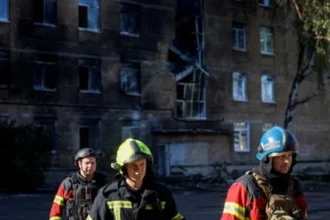
The "tinderbox" conditions across the British countryside have led to a staggering increase in wildfires. According to the National Fire Chiefs Council (NFCC), firefighters have already responded to 966 wildfires across England and Wales this year. The severity of the situation has escalated rapidly in August, with 185 fires reported in just the first 10 days of the month. Steve Wright, the general secretary of the Fire Brigades Union, warned that the country is currently facing a "national emergency," with fire crews being stretched to their absolute limits as blazes erupt simultaneously across various regions.
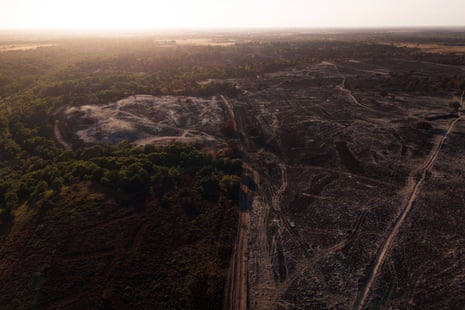
One of the most devastating incidents occurred at Dunwich Heath in Suffolk, where a massive wildfire incinerated more than 371 acres of protected heathland. The response to that single event required more than 600 firefighters to prevent the flames from spreading to nearby residential areas. The Met Office extreme heat warning highlights that such incidents are likely to become more frequent as temperatures rise, creating a feedback loop where dry vegetation provides ready fuel for even the smallest spark.
Critical Water Shortages and Drought Declarations
The environmental impact of the UK heatwave extends beneath the surface, with nearly three-quarters of England and the entirety of Wales now officially in drought conditions. This has led to exceptionally low water levels in reservoirs and rivers, threatening both the domestic supply and the agricultural sector. Southern Water has already moved to apply for a rare drought order for Hampshire and the Isle of Wight. If granted, this would be the first such ban since May 2006, allowing the utility to prohibit non-essential water use, such as filling swimming pools or washing cars.
The lack of rainfall has also triggered concerns regarding the long-term health of British waterways. Low water levels often lead to higher concentrations of pollutants and lower oxygen levels, which can be fatal for fish and other aquatic life. Agriculture is similarly imperiled, with farmers reporting significant crop failures and a lack of fodder for livestock. The government’s upcoming decisions on water management will likely determine the extent of the economic damage to the rural economy for the remainder of the year.
Economic Fallout and Productivity Losses
The financial toll of the repeated heatwaves is becoming increasingly apparent. New analysis from the green think tank Verdant suggests that the UK economy has already lost approximately £4.4 billion (roughly $5.6 billion) in economic output since the start of June. The study found that unseasonably hot weather in June alone cost the country £2.36 billion, with the remainder of the losses occurring during the high temperatures of July. These figures are expected to climb significantly following the current August heatwave.
James Meadway, the director of Verdant, noted that the economic costs of the climate crisis are no longer a future projection but a present reality. He pointed out that extreme heat leads to direct productivity losses as workers in construction, manufacturing, and outdoor industries are forced to slow down or stop entirely. Furthermore, heat-sensitive infrastructure, including data centers and rail networks, often requires expensive shutdowns to prevent permanent damage. Verdant is currently lobbying the government to implement a legal maximum working temperature and to provide compensation for workers whose hours are cut due to climate-related emergencies.
Political Friction Over Climate Strategy
While the government convenes its emergency meeting, opposition parties are calling for a more robust, long-term strategy to deal with the changing climate. Pippa Heylings, the environment spokesperson for the Liberal Democrats, criticized the administration for moving at a "snail’s pace" and waiting until the fifth heatwave of the summer to take decisive action. She argued that while emergency meetings are necessary, they do not replace the need for a comprehensive national strategy to make the UK "climate-ready."

The Green Party has echoed these sentiments, with leader Zack Polanski calling the Cobra meeting a mere "first step." Polanski suggested that the government should implement a tax on fossil fuel giants to fund emergency equipment, such as firefighting helicopters, and to create "cool spaces" in every community for vulnerable citizens. He also urged the Prime Minister to halt all new oil and gas extraction in the North Sea, stating that the government "cannot negotiate with the science" of global warming.
Infrastructure Vulnerability and Public Health
The Met Office has warned that the extreme temperatures pose a significant risk to the UK’s infrastructure, much of which was not designed to withstand sustained heat above 35C. Rail networks are particularly vulnerable, as steel tracks can expand and buckle in direct sunlight, leading to speed restrictions and widespread cancellations. Power grids also face strain as the demand for cooling increases while the efficiency of transmission lines drops in high temperatures. The Met Office cautioned that "heat-sensitive systems and equipment may fail," potentially leading to localized power outages for homes and businesses.
From a public health perspective, the amber warning indicates a high risk of adverse health effects, particularly for the elderly, young children, and those with pre-existing respiratory or cardiovascular conditions. The NHS has reported a steady increase in heat-related illnesses, including heat exhaustion and heatstroke. Chief forecaster Chris Bulmer noted that while this specific peak in heat may be more short-lived than the record-breaking events of previous months, the intensity of the 38C forecast still carries a significant potential for "impacts for some," justifying the high-level warning.
The Broader Climate Context in Europe
The current crisis in the UK is part of a broader, more alarming trend across the continent. Recent data indicates that Europe is warming about twice as fast as the global average. This accelerated heating is attributed to several factors, including the rapid melting of Arctic ice, declining snow cover in the Alps, and changes in the jet stream that allow hot air from Africa to settle over the European landmass for extended periods.
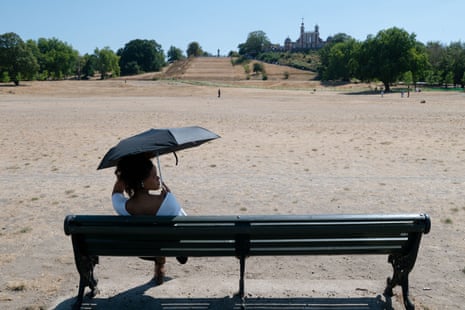
Environmental experts highlight that the heatwave at the end of June was the most severe ever recorded in Europe, a phenomenon that scientists say would have been virtually impossible without the influence of human-caused global heating. As the UK government prepares to meet in the Cabinet Office, the pressure to transition away from fossil fuels and invest in climate adaptation has never been higher. The outcome of the Cobra meeting will likely serve as a litmus test for the country’s ability to manage the increasingly frequent and intense weather extremes of the 21st century.