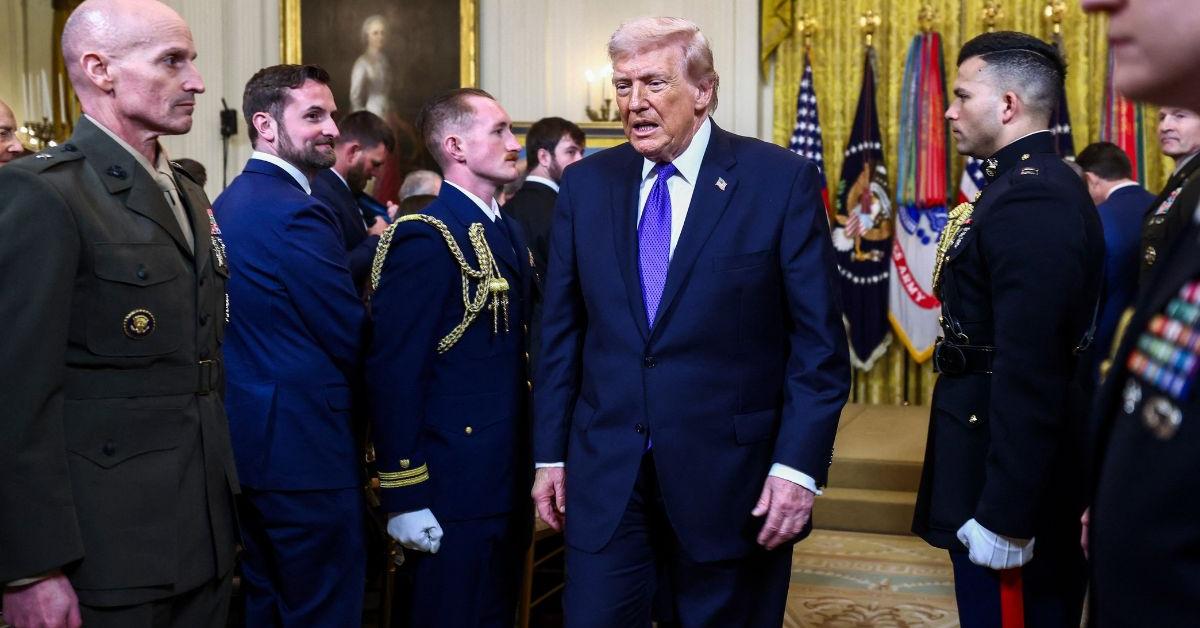
On March 2, 2026, former President Donald Trump was observed with a prominent, scabby rash on his neck during a Medal of Honor ceremony at the White House, an appearance that immediately reignited widespread public and media speculation regarding his health. The visible skin condition, coupled with previous reports of recurring hand bruises and other medical concerns, intensified existing questions about the former president’s physical well-being as he potentially contemplates future political endeavors. Observers noted that the former commander-in-chief appeared to make efforts to obscure the mark, drawing further attention to its presence.
Intensifying Scrutiny on Presidential Health
The health of presidential candidates and former presidents remains a subject of intense public and media scrutiny, particularly for individuals in their late 70s or early 80s. Donald Trump, whose exact age at the time of this incident would place him squarely in this demographic, has faced persistent questions about his fitness for office. The political landscape frequently sees opponents and commentators analyzing every public appearance for signs of physical or cognitive decline, making visible ailments like a neck rash highly significant. Historically, the health of U.S. leaders, from Franklin D. Roosevelt’s polio to John F. Kennedy’s Addison’s disease, has often been managed with varying degrees of transparency, setting a precedent for public interest and sometimes, concern.
The White House Ceremony Incident
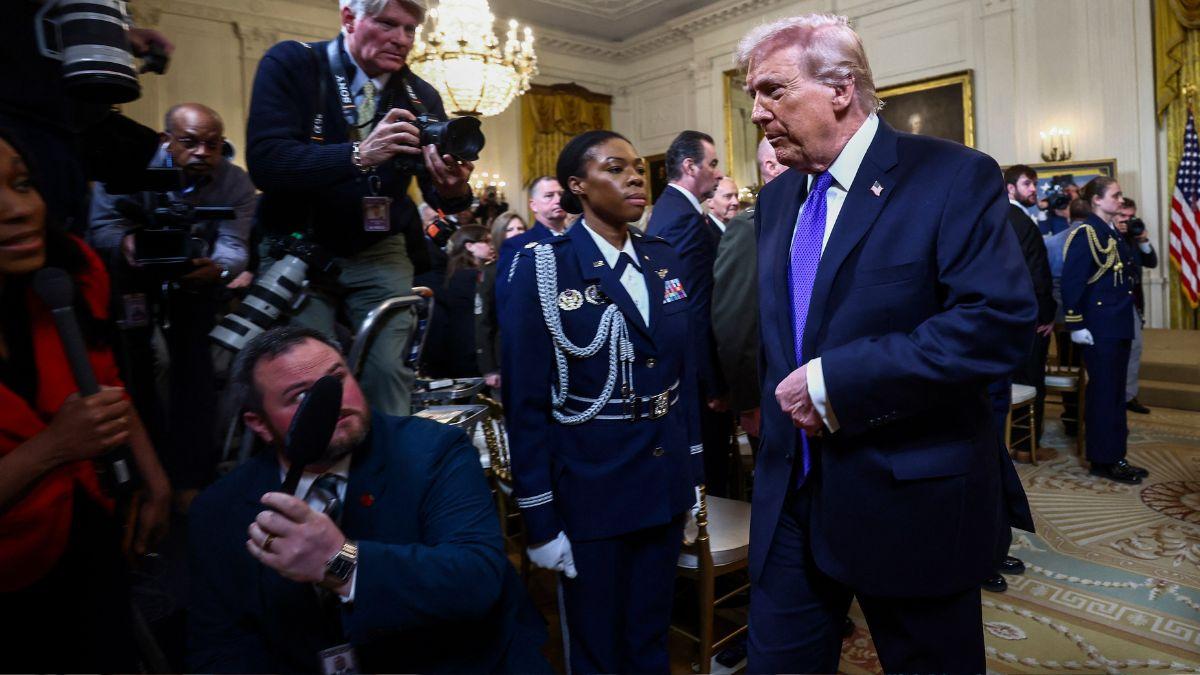
During the solemn Medal of Honor ceremony, photographs and video footage captured a distinct red and scabby area on Donald Trump’s neck. The rash appeared to originate from behind his right ear and extend towards the back of his head, noticeable even from a distance. Social media platforms quickly buzzed with images and commentary, as the public dissected the visual evidence, fueling immediate discussions about its cause and implications. The timing, at a high-profile White House event, ensured maximum visibility and prompt media attention.
Official Response to the Neck Rash
In response to the burgeoning speculation, White House physician Dr. Sean Barbabella issued a statement to People magazine, addressing the visible skin condition. Dr. Barbabella clarified that the former President was utilizing "a very common cream on the right side of his neck," describing it as a "preventative skin treatment" prescribed by a White House Doctor. He further indicated that "the president is using this treatment for one week, and the redness is expected to last for a few weeks." While intended to quell concerns, the statement itself acknowledged a medical intervention, albeit a routine one.

Recurring Hand Bruises and Official Explanations
The neck rash incident occurred against a backdrop of ongoing concerns about Donald Trump’s physical appearance, particularly the frequent observation of dark markings and bruises on his hands. During the same White House ceremony, a bruise on his right hand was also visible, reportedly covered with a layer of makeup, suggesting an attempt at concealment. This was not an isolated occurrence; in recent months, numerous public appearances had drawn attention to similar hand lesions, prompting repeated inquiries from the press.
White House Press Secretary Karoline Leavitt had previously addressed these recurring hand bruises. In earlier statements, Leavitt attributed the marks to the former President’s demanding schedule and constant public engagement, explaining, "President Trump has bruises on his hand because he’s constantly working and shaking hands all day every day." She emphasized his dedication, adding, "President Trump is a man of the people. His commitment is unwavering, and he proves that every single day." While these explanations aimed to normalize the observations, the persistent nature of the bruising continued to fuel public discourse.
Broader Health Concerns and Previous Diagnoses

The neck rash incident and the ongoing hand bruising are not the only health-related issues that have contributed to the mounting health rumors surrounding Donald Trump. In July 2025, it was reported that the former President had been diagnosed with chronic venous insufficiency (CVI). This diagnosis followed observations of swollen legs, a common symptom of CVI, a condition where veins have difficulty sending blood from the legs back to the heart. CVI can lead to discomfort, skin changes, and, in severe cases, ulcers. For an individual of Trump’s age, a diagnosis of a circulatory condition like CVI adds another layer to public health assessments.
Aspirin Regimen and Cardiovascular Health
Further insight into Trump’s health regimen emerged in January when he discussed his use of aspirin during an interview with The Wall Street Journal. He stated that he takes aspirin as a preventative measure for his heart, remarking, "They say aspirin is good for thinning out the blood, and I don’t want thick blood pouring through my heart. I want nice, thin blood pouring through my heart. Does that make sense?"
The Wall Street Journal profile noted that Trump reported taking 325mg of aspirin daily. This dosage stands in contrast to the 81mg (low-dose) aspirin typically recommended by many medical professionals for daily cardiovascular health in individuals without a history of heart attack or stroke, due to concerns about increased bleeding risk at higher doses. The revelation of his self-prescribed regimen, and its departure from standard medical guidelines, added to the ongoing public conversation about his health management.

Cognitive Health and "Dementia Concerns"
Beyond physical ailments, Donald Trump has also faced "dementia concerns" in recent times. Reports have surfaced detailing instances where he reportedly appeared to fall asleep repeatedly during official meetings. While such observations can be subjective and open to interpretation, for a high-profile political figure, they inevitably contribute to a broader narrative about cognitive fitness and overall mental acuity, particularly given the rigorous demands of the presidency. These concerns, whether rooted in fact or speculation, become part of the public’s perception of a candidate’s readiness for leadership.
The Cumulative Effect on Public Perception
The accumulation of these health-related incidents—the neck rash, the recurring hand bruises, the chronic venous insufficiency diagnosis, the unusual aspirin dosage, and the cognitive health concerns—has created a persistent narrative around Donald Trump’s health. Each event, whether officially explained or left to public conjecture, feeds into a larger public dialogue about his age, vitality, and overall suitability for a demanding public role. This ongoing scrutiny is a natural consequence for any prominent political figure, particularly one who has held, or seeks to hold, the nation’s highest office.
Looking Ahead: Continued Scrutiny
As the political calendar progresses, it is highly probable that questions surrounding Donald Trump’s health will continue to be a significant feature of public discourse. The visible neck rash, despite the White House physician’s explanation, serves as a fresh reminder of the intense scrutiny faced by presidential figures. Political opponents and media outlets alike are likely to continue pressing for greater transparency regarding his medical records and overall health status. The public’s demand for comprehensive information about the health of those who lead them remains a steadfast element of democratic accountability, ensuring that such observations, however minor, will not escape rigorous examination.