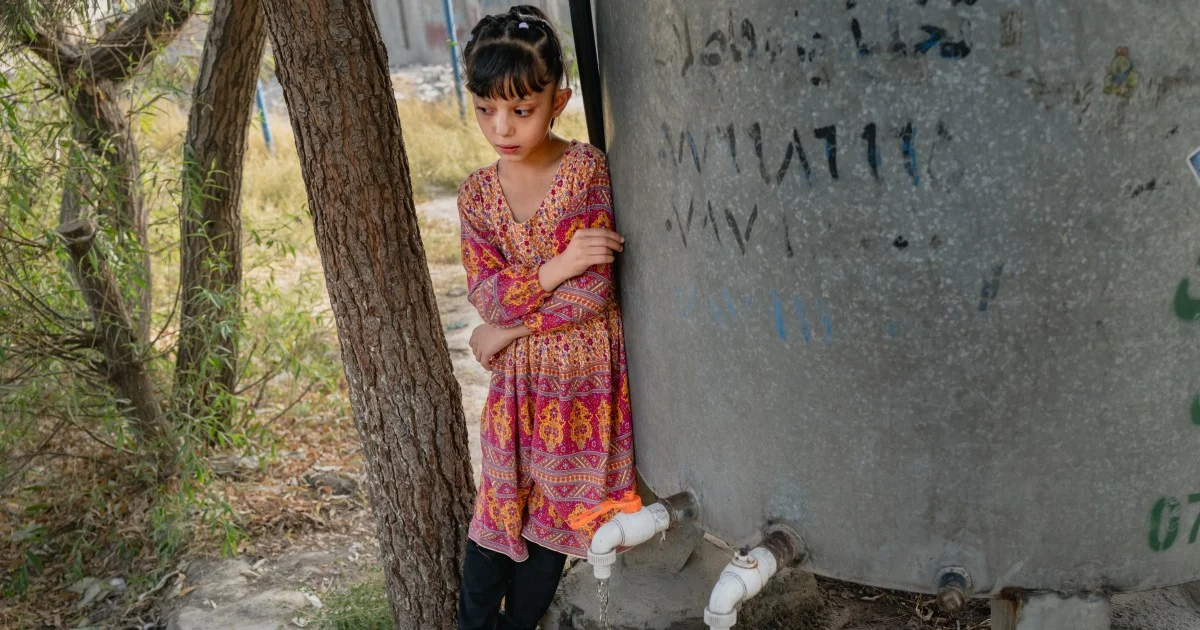
A devastating crisis is unfolding across Afghanistan, with Save the Children reporting that 3.7 million children under the age of five are now suffering from acute malnutrition, a condition that threatens their lives and futures. This alarming figure represents a significant increase, underscoring the dire consequences of the ongoing collapse of essential healthcare services in the war-torn nation. The aid agency’s research paints a grim picture of a public health emergency exacerbated by a dramatic decline in humanitarian funding and the closure of hundreds of critical medical facilities.
The surge in acute malnutrition among Afghanistan’s youngest and most vulnerable population is a direct result of a severe funding shortfall that has crippled the country’s already fragile healthcare system. Save the Children’s latest analysis indicates that nearly one in every ten infants and very young children in Afghanistan is now facing this life-threatening condition. The situation is not stabilizing; instead, the proportion of children affected is on a steep upward trajectory.
Scale of the Crisis: A Worsening National Emergency
New research compiled by the United Kingdom-based humanitarian organization Save the Children reveals the staggering depth of the malnutrition crisis affecting Afghan children. United Nations data, analyzed by the agency, shows a disturbing trend of increasing malnutrition rates among young children. The figures indicate that the situation has deteriorated significantly, with acute malnutrition levels worsening in two-thirds of Afghanistan’s provinces during the second quarter of 2026 when compared to the same period in the previous year.
Over the past four years, the incidence of acute malnutrition in children under five has surged by a staggering 14 percent. This alarming increase has brought the total number of affected children to 3.7 million in 2026. This substantial rise paints a grim picture of the escalating health emergency facing the nation’s children, pushing an already vulnerable population to the brink.
Understanding Acute Malnutrition: A Life-Threatening Condition
Acute malnutrition, often referred to as wasting, is a critical and life-threatening medical condition characterized by a dangerously low weight for a child’s height. This severe depletion of body mass occurs rapidly, typically over a short period, and is a stark indicator of an immediate health crisis. It stems from either a sudden and drastic reduction in food intake or from the debilitating effects of severe illness, which force the body to rapidly consume its own fat and muscle reserves.
The physical manifestation of acute malnutrition is a visible emaciation, where children appear alarmingly thin and frail. This condition significantly weakens a child’s immune system, making them highly susceptible to common infections that can quickly become fatal. Without prompt and appropriate medical intervention, including therapeutic feeding and treatment for underlying illnesses, acute malnutrition can lead to severe developmental delays, chronic health problems, and tragically, death.
The Root Causes: Funding Collapse and Clinic Closures
The alarming rise in malnutrition among Afghan children is inextricably linked to a drastic reduction in humanitarian aid, which has forced approximately 600 essential healthcare facilities across the country to shutter their doors. Prior to these closures, an estimated 4 million people, half of whom were children, relied on these vital services for their basic healthcare needs. The cessation of these facilities has created vast "healthcare deserts," leaving millions without access to life-saving treatment and preventive care.
The decline in humanitarian assistance is a stark reality. Over the past four years, aid for Afghanistan has plummeted by nearly 70 percent, falling from $3.27 billion in 2022 to a mere $1 billion in 2025. This sharp contraction in funding followed the Taliban’s takeover of Afghanistan in August 2021, which coincided with the withdrawal of U.S. forces and allied nations. Since that pivotal moment, international engagement and subsequent aid flows have been severely restricted, creating a persistent funding deficit.
As of mid-2026, the situation remains dire, with only $438 million secured in humanitarian aid, according to Save the Children. This represents a staggering 74 percent funding gap, illustrating the immense chasm between the needs on the ground and the resources available. Save the Children itself has been a critical lifeline, managing to keep 14 health clinics operational. In some remote areas, such as the mountainous regions of northern Afghanistan, the organization is the sole provider of healthcare for approximately 10,000 people, highlighting the critical role of remaining aid organizations in the absence of a functional national health system.
Compounding Factors: Population Surge and Displacement
Adding to the immense pressure on dwindling resources is a significant population increase in Afghanistan. The country’s population has grown by 12 percent since September 2023, largely driven by the return of over six million Afghans from Pakistan and Iran. Both neighboring countries have intensified efforts to expel Afghan refugees, tightening conditions for their stay and ramping up deportations. This influx of returnees places an immense strain on already scarce resources, including food, shelter, and crucially, healthcare services.
Ashish Damle, the country director for Save the Children in Afghanistan, issued a stark warning about the escalating crisis. "The world cannot look away," Damle stated, emphasizing the interconnected nature of the challenges. "Severe hunger, the staggering number of returnees and mass internal displacement due to disasters, recent conflict and four years of drought are stretching limited humanitarian resources to the brink."
Damle underscored the critical juncture at which the international community now finds itself. "The international community now faces a choice: Continue responding only after families reach breaking point, or act early enough to protect children’s lives, rights and futures," he urged, calling for proactive intervention rather than reactive crisis management.
The Decline of Humanitarian Aid: A Post-2021 Landscape
The precipitous drop in humanitarian aid to Afghanistan over the past five years can be largely attributed to the international community’s reticence following the Taliban’s return to power in August 2021. The subsequent withdrawal of U.S. troops and the collapse of the internationally recognized Afghan government led many major aid donors to significantly limit, redirect, or altogether halt their funding streams. Furthermore, the imposition of sanctions and stricter conditions on aid operations complicated the delivery of essential assistance.
A significant impediment to aid delivery has been the Taliban’s ban on female humanitarian staff. This policy severely curtails the ability of international organizations to reach and provide services to women and children, who constitute a substantial portion of the population in need. The lack of access, coupled with insufficient funding, has compelled many humanitarian organizations to cease operations or suspend their programs entirely, leaving critical gaps in essential services.
Before 2021, the United States was Afghanistan’s largest donor, supporting extensive development, reconstruction, and humanitarian initiatives. However, since the Taliban’s ascension, most U.S. aid has been channeled through indirect mechanisms, such as the United Nations and non-governmental organizations, and now represents only a fraction of its former scale. This shift reflects a broader re-evaluation of foreign policy and aid strategies by the U.S. government in the wake of the withdrawal.
Additionally, under the Trump administration’s second term, there were significant cuts to foreign aid globally, impacting the scale of humanitarian assistance available to countries like Afghanistan. The U.S. also imposed expanded sanctions on key Taliban figures and froze Afghan state assets held in the U.S. following the 2021 withdrawal, further complicating financial flows and aid disbursement.
Similarly, the European Union and the World Bank have halted large-scale reconstruction funding schemes that were in place prior to 2021. While they have gradually resumed smaller-scale, emergency-focused programs, the bulk of humanitarian aid continues to be delivered through NGOs, reflecting a cautious and limited approach to engagement. This diminished financial commitment from major global players has created a severe funding crisis, directly contributing to the tragic increase in child malnutrition.
Broader Implications: A Generation at Risk
The escalating child malnutrition crisis in Afghanistan has profound and long-lasting implications for the country’s future. Children who survive severe acute malnutrition often face lifelong challenges, including impaired cognitive development, stunted physical growth, and increased susceptibility to chronic diseases. This not only affects individual well-being but also hinders the nation’s potential for economic recovery and social progress.
The collapse of the healthcare system, driven by funding shortfalls, means that preventable diseases are becoming deadly once more. Basic immunizations, maternal healthcare, and treatment for common childhood illnesses are becoming inaccessible for millions, creating a public health catastrophe that extends beyond malnutrition. The cycle of poverty and vulnerability is being perpetuated, threatening to rob an entire generation of their fundamental right to health and a chance at a normal life.
The international community’s reduced engagement and funding have created a vacuum that humanitarian organizations are struggling to fill. The reliance on a few key players, like Save the Children, highlights the precarious nature of aid delivery and the urgent need for sustained, predictable support. Without a significant and immediate increase in humanitarian assistance, the crisis is likely to deepen, with devastating consequences for Afghanistan’s children and its long-term stability. The urgent call for action from aid agencies underscores the critical need for a global response that prioritizes the lives and futures of the most vulnerable.