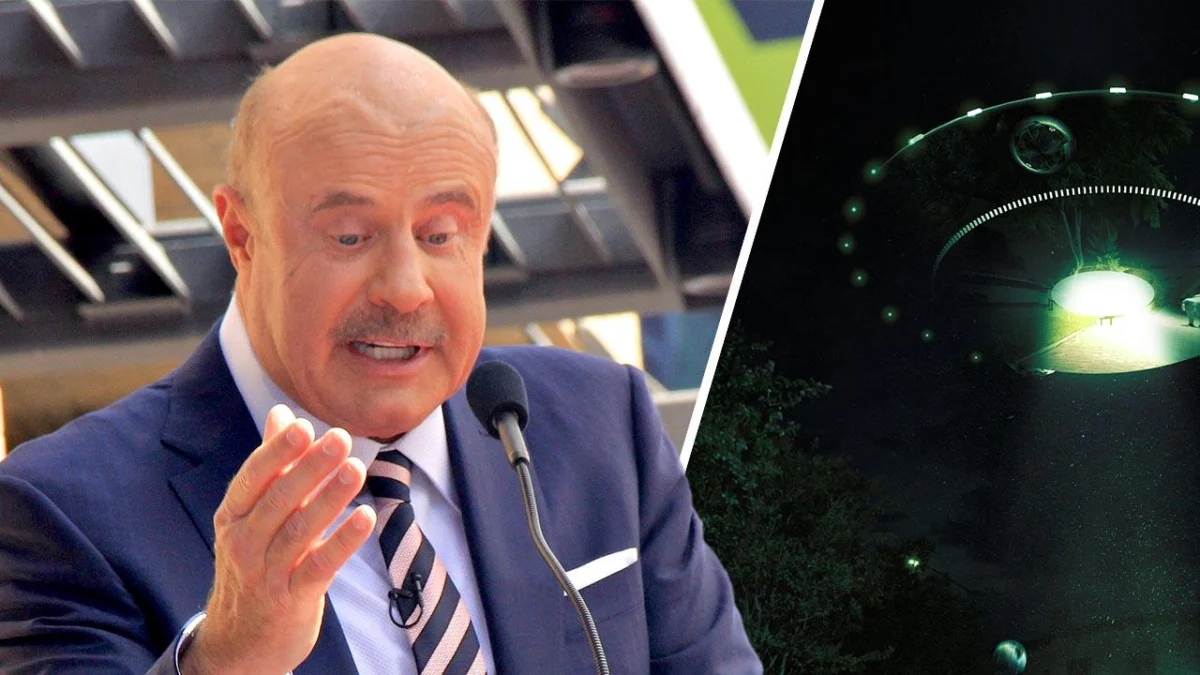
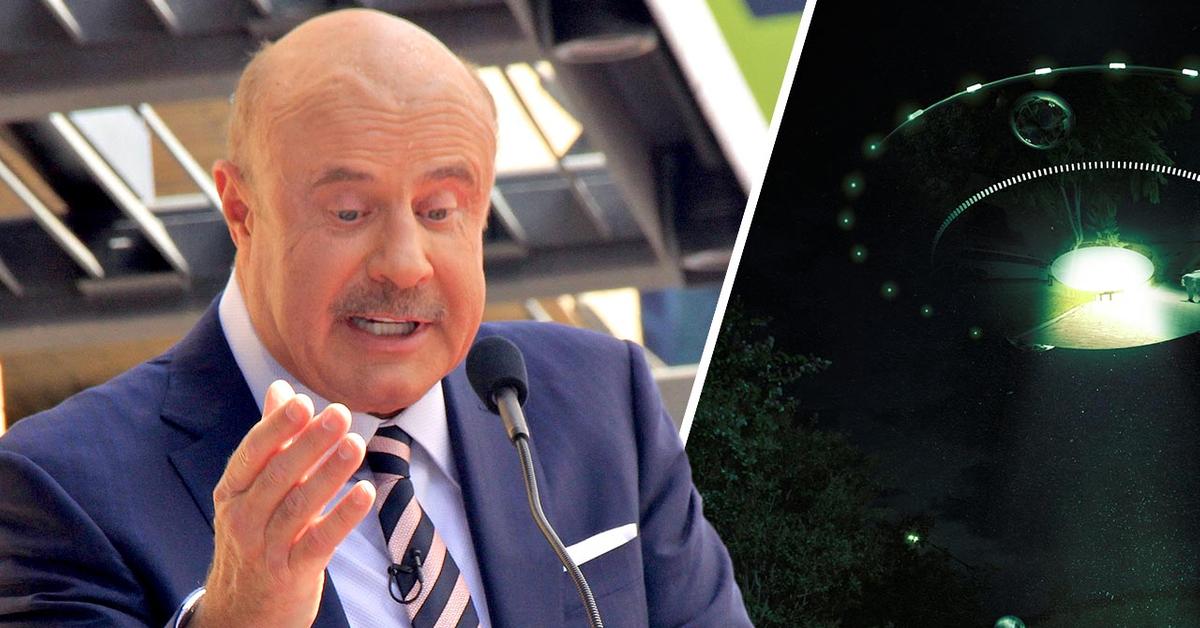
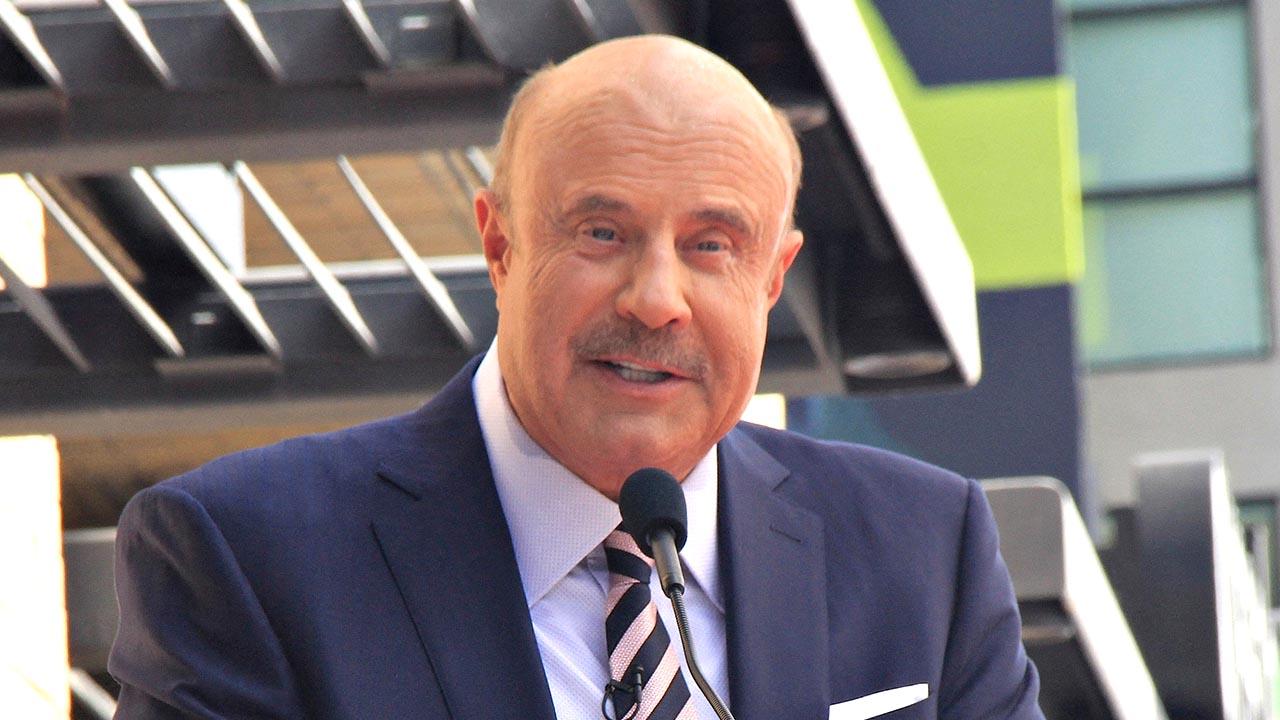
Dr. Phil McGraw, the prominent television personality and former psychologist, has publicly alleged a "massive cover-up" concerning classified Unidentified Flying Object (UFO) files, asserting that he was left "infuriated" by his findings. McGraw, who reportedly reviewed sensitive government documents during the Trump administration, questioned the rationale behind officials allegedly withholding critical information from the American public and even from then-President Donald Trump himself.
The revelations emerged during McGraw’s July 21 appearance on NewsNation’s "Reality Check" podcast, hosted by investigative journalist Ross Coulthart. McGraw disclosed that the White House had extended an invitation for him to examine a recently declassified tranche of UFO files prior to their public release. His involvement, he explained, stemmed from officials seeking his expert perspective on how Americans might psychologically process potentially groundbreaking information suggesting humanity’s position "somewhere different in the food chain" of the universe.
Decades of Secrecy and a Shifting Paradigm
Government secrecy surrounding unexplained aerial phenomena has fueled public fascination and speculation for decades. From the Roswell incident in 1947 to numerous military encounters, the topic of UFOs—now more commonly referred to as Unidentified Anomalous Phenomena (UAP) by official channels—has been a persistent subject of debate. For many years, official responses ranged from outright denial to attributing sightings to conventional explanations or misidentification.
However, recent years have marked a significant shift in the government’s approach. Driven by congressional pressure, whistleblower testimonies, and an increasing number of documented military encounters, there has been a notable push for greater transparency. The establishment of entities like the UAP Task Force and subsequent congressional hearings reflect a growing acknowledgment that these phenomena warrant serious investigation, moving them from the fringe to a matter of national security and scientific inquiry. This backdrop of evolving disclosure efforts provides crucial context for McGraw’s impassioned claims.
Dr. Phil’s Role and Independent Review of UFO Files
McGraw, known for his direct communication style and extensive media platform, revealed that his invitation to review the classified UFO files was not entirely out of the blue. He confirmed his affiliation with the Trump administration’s religious liberty committee, suggesting a pre-existing connection to White House circles. Despite this, he emphasized his "independence" during the review process, stating that he was not "scripted" or instructed on what to say or not say.

His role was unique: to serve as an assessor of public reaction, bridging the gap between highly sensitive intelligence and the potential societal impact of its revelation. This particular assignment highlights the government’s perceived need to understand the psychological preparedness of the populace for information that could fundamentally alter humanity’s understanding of its place in the cosmos. McGraw’s subsequent outrage indicates that what he encountered went far beyond mere psychological preparedness considerations.
Allegations of a ‘Massive Cover-Up’
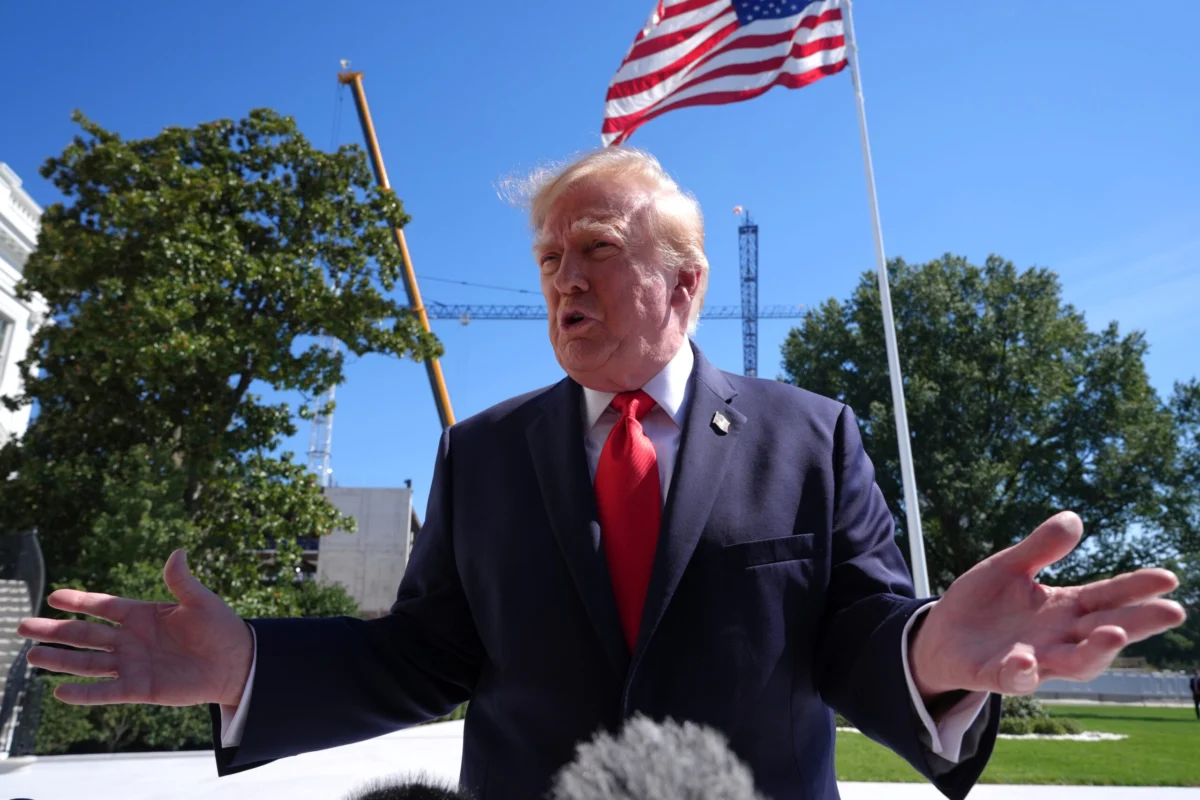
After his review of the classified materials, Dr. Phil McGraw became a vocal critic of the government’s handling of UAP information, declaring his conviction that a significant "massive cover-up" had been perpetrated. His indignation was palpable as he articulated his belief that not only the American public but even the sitting President, Donald Trump, had been deliberately kept in the dark. He likened the treatment of the President to that of a "temp employee," implying a systemic withholding of critical intelligence from the highest office.
"That infuriates me," McGraw stated emphatically on the podcast. "How dare they do that? I don’t think that’s right and I think we deserve better." His strong language underscored his frustration, suggesting that the alleged concealment was not merely an oversight but a calculated act of deception. He reiterated that there was "no question" in his mind that Americans had not received the full, unvarnished truth regarding UFO sightings and related phenomena.

Societal Readiness for UFO Disclosure
While deeply critical of the alleged secrecy, McGraw expressed confidence in the public’s ability to cope with potentially profound revelations about UFOs. He argued that the American populace is resilient and capable of processing even the most shocking information. However, he also stressed that the government must be adequately prepared to manage the ensuing public reaction.
McGraw warned of potential psychological and spiritual ramifications for some individuals, anticipating that such disclosures could trigger existential crises or reshape personal belief systems. He further cautioned against the potential for doomsday fears to proliferate and for unscrupulous individuals to exploit frightened citizens through scams. Consequently, he advocated for a responsible and contextualized approach to disclosure, asserting, "I think it needs to be provided with context and I think that the American public is prepared to handle that. I think we as a government need to be prepared to help those that have a difficult time with it." This perspective highlights the complex interplay between government transparency, public mental health, and societal stability in the face of potentially world-altering information.
Past Disclosures and Ongoing Criticisms
Under the Trump administration, the government initiated the release of four distinct tranches of materials pertaining to UAP. These releases compiled records from various federal agencies, including the Pentagon, NASA, and the CIA, detailing years of reported incidents. One example cited from these files described a 2025 encounter where a military sensor reportedly tracked a six-pointed star-shaped area of contrast over the Yellow Sea near China.
Despite these efforts, the disclosures have not been without their critics. Many UFO researchers and transparency advocates, including Donald R. Schmitt, a prominent researcher at the International U.F.O. Museum and Research Center in Roswell, New Mexico, have voiced disappointment. Schmitt, quoted in The New York Times, argued that the releases largely contained information already in the public domain or offered minimal new insights, calling it "the same game that they have played all these years." This sentiment suggests a persistent skepticism among dedicated UAP investigators regarding the government’s true commitment to full transparency.
Broader Patterns of Secrecy
The criticisms surrounding the UAP files are not isolated. The Trump administration previously faced scrutiny over its handling of other historically sensitive records, including documents related to the assassinations of John F. Kennedy and Martin Luther King Jr., as well as files concerning the late financier and convicted sex offender Jeffrey Epstein. In each instance, calls for complete and unredacted release clashed with government decisions, leading to accusations of continued secrecy and a lack of full accountability.
Dr. Phil McGraw’s impassioned claims about a "massive cover-up" in the UFO files add a high-profile voice to this ongoing national debate. His unique position as a public figure granted access to classified information, coupled with his background in psychology, lends a distinct weight to his allegations. The controversy underscores the persistent tension between government imperatives for national security and the public’s fundamental right to information, particularly on matters that could profoundly impact human understanding and societal structures. As the discourse around UAP continues to evolve, the demand for comprehensive transparency and government accountability remains a central theme.