TEHRAN, Iran – A deepening economic crisis, fueled by a protracted war with the United States and a naval blockade of its ports, has left many Iranians with severely limited employment prospects and struggling to afford basic necessities, forcing individuals to accept substandard working conditions or face persistent hardship. The conflict, now in its sixth month, coupled with existing systemic economic challenges, has exacerbated inflation to near-record levels, pushing the cost of living beyond the reach of a growing segment of the population.
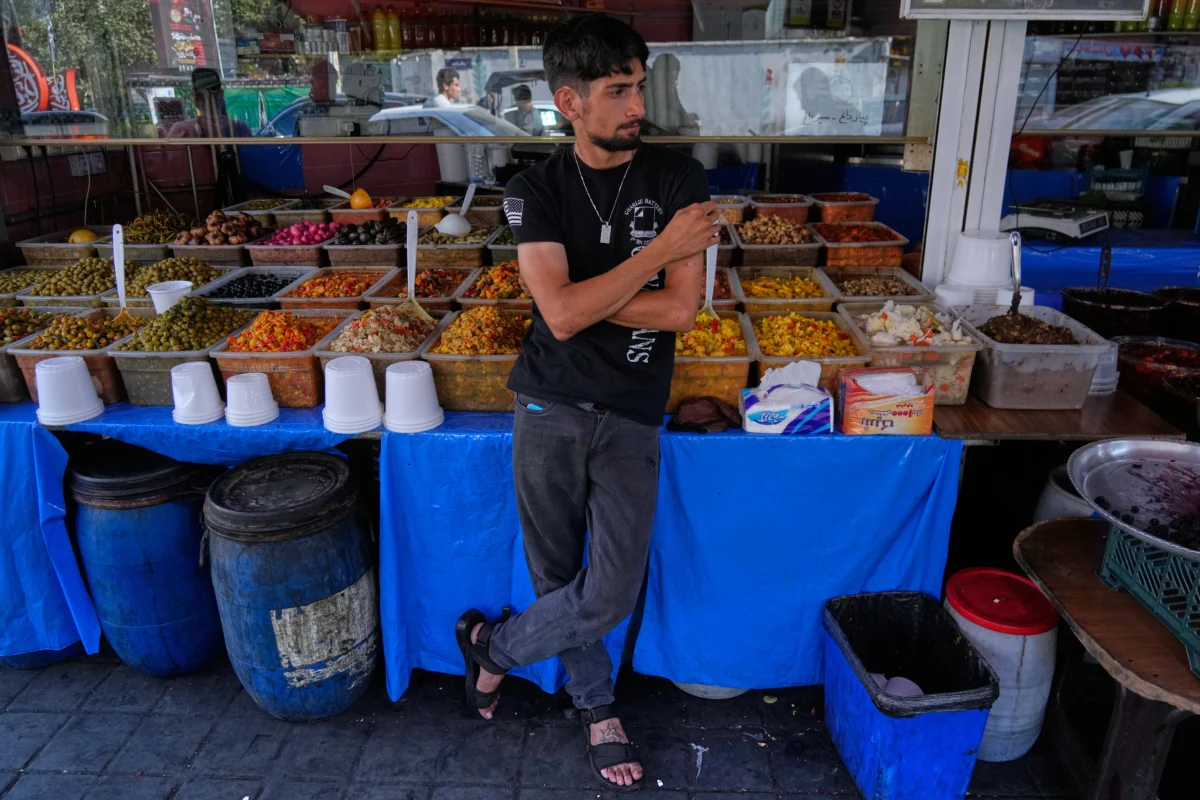
Saeed, a 26-year-old elementary school teacher in Tehran, expressed his dismay at the scarcity of well-paying jobs, a sentiment echoed by many young Iranians. "You take one look at the condition of job postings you can find online or in person, and you will understand why some young people feel like it’s not even worth it going out for work," Saeed told Al Jazeera. "But the expenses don’t go away." His current teaching salary, like those of many cashiers and salespeople, falls below 200 million rials monthly, which translates to approximately $107 USD at the current exchange rate. Some positions even offer less than the official monthly minimum wage of about 166 million rials ($88).
Economic Strain and Precarious Employment
The bleak job market is characterized by exploitative conditions. Employers frequently forgo crucial benefits like insurance and demand grueling 12-hour workdays, often six days a week. "They also come up with all sorts of excuses to deduct pay whenever they can, knowing you have limited options," Saeed explained. Despite holding a master’s degree in Persian literature, Saeed, like countless other Iranians, is now compelled to search for any available employment, irrespective of his qualifications or prior experience, as the struggle to provide for his family intensifies.
The financial strain is palpable. For an individual earning minimum wage and receiving government assistance, a mere kilogram of lamb can consume as much as 10 percent of their entire monthly income. Similarly, 10 kilograms of Iranian rice can absorb over a fifth of their wages. These food costs are compounded by rapidly escalating housing expenses, utilities, transportation, and healthcare, creating a relentless cycle of financial pressure.
In March, the Iranian government approved a substantial 60 percent increase in the basic minimum wage, a move undertaken at the risk of further inflation through increased money printing. However, even with this adjustment, the estimated cost of a subsistence package for an average household of 3.3 people reached 430 million rials ($230) – a figure that dwarfs the revised minimum wage.
Compounding Crises: War, Sanctions, and Domestic Woes
The current economic distress is not solely attributable to the ongoing war with the United States and its allies. It is a complex interplay of factors, including two state-imposed internet shutdowns in 2026. One such shutdown occurred during nationwide protests in January, which resulted in thousands of fatalities. These events, combined with decades of systemic corruption, mismanagement, and prolonged U.S. and United Nations sanctions, have created a deeply entrenched economic vulnerability.

Despite the severe economic shocks, the Iranian economy, a nation of over 92 million people, has demonstrated a degree of resilience, showing it is still far from complete collapse after more than five months of conflict. The country’s resource-rich nature and a strategic pivot towards self-sufficiency over the decades, in response to economic embargoes and geopolitical confrontations with the U.S., Israel, and Western nations, have fostered a relatively diversified economy for a major oil exporter.
Soaring Inflation and Job Losses
However, the immediate impact of the current sanctions and the ongoing war is being acutely felt by the populace. Data from the Statistical Center of Iran at the end of July revealed a staggering year-on-year inflation rate of approximately 88 percent. Food inflation proved particularly devastating, surging by over 128 percent compared to the previous year. This means that a standard food basket now costs roughly 2.28 times more than it did in July 2025.
Within major food categories, the price hikes have been astronomical: inflation reached 261 percent for oils and fats, 147 percent for milk, cheese, and eggs, and 145 percent for meat and poultry. These price increases, unseen in Iran for over eight decades, have coincided with widespread job losses across most industries in 2026.
Youth Unemployment and the Informal Economy
Youth unemployment in the spring stood at 23.4 percent, a notable increase of 3.7 percent year-on-year, according to the Statistical Center. While overall unemployment was reported at 9.1 percent during the same period, the labor participation rate was a mere 40 percent. This indicates that a significant majority of working-age individuals are operating outside the formal labor force, often engaging in irregular and informal work arrangements to survive.
The economic downturn is not sparing even those who appear to be more financially secure, such as asset owners and business proprietors. Yashar, a 38-year-old co-owner of a grocery shop in Lahijan, northern Iran, shared his struggles. Despite owning his home and a rental property, he finds it increasingly difficult to make ends meet. "From the outside it might seem like we’re well-off, but to us, it feels the opposite because the rent and my mother’s pension can barely keep up with the basic costs, let alone any extra purchases or savings," he stated. "Business at the shop is terribly slow. We’re always falling short of the money we need for the next purchase of goods to sell."
Government Response and Public Discontent
President Masoud Pezeshkian acknowledged the severe economic repercussions of the war and the U.S. naval blockade on Iran’s southern ports, stating that it has significantly increased costs for his administration. "We could sell oil, and now we can’t. They have also struck and destroyed some of our factories, so we can’t levy taxes in the same way either," Pezeshkian explained. "We must also pay them so they can stay up and running and the wheels of the economy can spin."
The government is reportedly considering substantial increases in petrol prices, following a hike in December, and further tightening restrictions on monthly fuel quotas for private vehicles. This move is fraught with political risk, as previous fuel price increases have historically triggered widespread public protests, as seen in past instances of nationwide demonstrations.

President Pezeshkian and other senior officials have publicly endorsed a diplomatic resolution to the conflict with Washington. However, no immediate agreement with the U.S. appears imminent, despite ongoing mediation efforts with Oman concerning maritime passage through the Strait of Hormuz.
The Human Cost of Conflict
As tensions persist and the specter of further conflict looms over the strategically vital waterway, the people of Iran continue to bear the brunt of the economic fallout. Ladan, a 28-year-old Tehran resident with an office job, supplements her income by running an online business selling jewelry on Instagram. However, even this entrepreneurial endeavor offers little prospect of sustained growth. "I’m so sick and tired of everything," she confided. "But even though I live with my parents and don’t have to pay rent, I can’t even buy myself a Pride because, at the end of the day, I’m earning in rials." The Pride, Iran’s cheapest domestic vehicle, is colloquially known as the "chariot of death" due to its poor safety standards, and its cost can reach up to 10 billion rials ($5,350), a sum far beyond Ladan’s current earning capacity.
Future Outlook: Uncertainty and Hardship
The economic outlook for Iran remains deeply uncertain, with projections suggesting further hardship for its citizens. The combination of international sanctions, the ongoing military conflict, and internal economic mismanagement has created a formidable challenge for the government and a precarious existence for the majority of the population. The nation’s reliance on self-sufficiency, while a long-standing strategy, is being severely tested by the current circumstances.
The extended duration of the conflict and the U.S. naval blockade are likely to continue disrupting critical trade routes and hindering oil exports, the country’s primary source of revenue. This will further strain government finances, limiting its ability to implement effective economic relief measures or invest in crucial sectors. The ripple effects of these economic pressures are expected to fuel social discontent and potentially lead to increased calls for political and economic reform.
The limited options available to ordinary Iranians underscore the profound human cost of geopolitical conflict. As prices continue to soar and job opportunities dwindle, families are forced to make increasingly difficult choices, prioritizing survival over any semblance of comfort or future planning. The path to economic recovery for Iran appears long and arduous, contingent on de-escalation of regional tensions, a potential easing of international sanctions, and fundamental reforms to address the deep-seated structural issues within its economy.