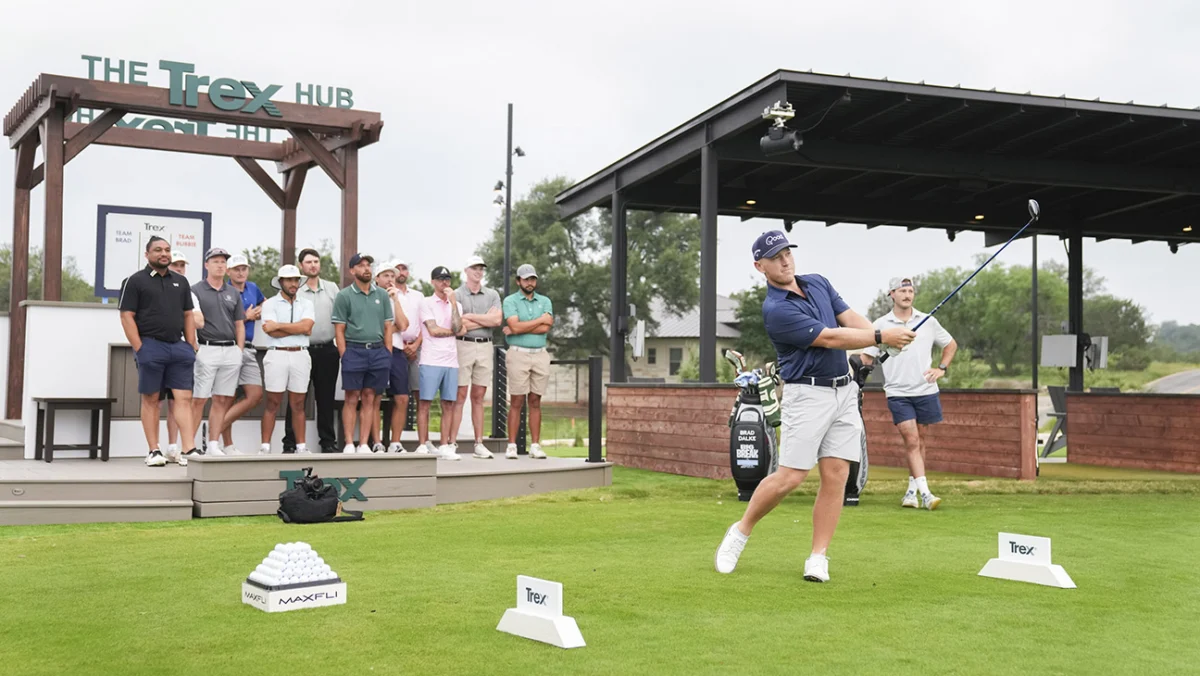
The highly anticipated return of Golf Channel’s iconic competition series, Big Break, has been abruptly postponed after its title sponsor, Golf Galaxy, withdrew its endorsement just hours before the scheduled premiere, citing concerns over a controversial advertisement featuring digital golf collective Good Good Golf. The unforeseen development has plunged the program, rebranded as Big Break x Good Good, into immediate uncertainty and triggered a broader reckoning within the golf industry regarding influencer partnerships and brand responsibility.
An Abrupt Halt to a Highly Anticipated Return
Golf Channel confirmed the postponement of Big Break x Good Good from its original Tuesday, August 27 slot to the following Tuesday, September 1. In a statement released to The Hollywood Reporter, the Versant-owned cable network explained the delay was necessary to "allow for necessary production updates following a request from one of the show’s sponsors to remove its branding from the series." This sudden shift left Golf Channel scrambling to fill the prime-time slot, opting instead to air encore presentations of Payne Stewart Award coverage.
For Tom Knapp, a senior executive at Golf Channel who had recently discussed the series’ return in an interview, the timing was particularly difficult. He found himself navigating a significant corporate challenge as the revival of a beloved franchise faced an immediate, unforeseen hurdle. The original Big Break, which ran from 2003 to 2015, was a staple for golf enthusiasts, offering aspiring professionals a shot at PGA or LPGA Tour exemptions. Its return, incorporating the popular Good Good Golf collective, was intended to bridge traditional golf broadcasting with contemporary digital content creation.
The Heart of the Controversy: A Viral Ad Gone Wrong
The catalyst for Golf Galaxy’s withdrawal was a Callaway x Good Good commercial that went viral for all the wrong reasons just days before the Big Break premiere. The advertisement featured Good Good golfer Alexis Miestowski reaching for a Callaway driver co-branded with Good Good, belonging to Good Good co-founder Garrett Clark. In the ad, Clark aggressively rushes Miestowski, knocks her down, stands over her, and issues a stern warning: “Do not touch my new driver.”
The ad was met with immediate and widespread condemnation across social media platforms and within the golf community. Critics swiftly labeled the content as idiotic, irresponsible, and potentially promoting violence, particularly against women. The imagery of a man physically accosting a woman over a material possession resonated poorly, clashing starkly with the inclusive and sportsmanlike values often promoted by the golf industry. The PGA Tour itself swiftly condemned the advertisement, highlighting the severity of the backlash and the broad consensus that Good Good Golf had severely misjudged its content.
Good Good Golf: From YouTube Phenoms to Corporate Crisis
Good Good Golf emerged as a significant force in the digital golf landscape, cultivating a massive following through YouTube videos showcasing entertaining golf challenges, course vlogs, and instructional content. Their appeal lies in their accessible, often comedic approach to the sport, attracting a younger demographic that traditional golf media has sought to engage. This popularity made them an attractive partner for Golf Channel’s Big Break revival, aiming to inject fresh energy and expand viewership.
The partnership with Golf Channel and the PGA Tour represented a major leap for the collective, signaling their transition from digital influencers to mainstream sports entities. Beyond Big Break x Good Good, the PGA Tour had also partnered with the group to host the Good Good Championship, a PGA Tour-sanctioned event scheduled for November 12-15 at the Omni Barton Creek Resort & Spa, boasting a $6 million purse. Crucially, the winner of Big Break x Good Good was slated to receive a sponsor’s exemption into this prestigious tournament, intertwining the fates of the series, the collective, and the tour. The controversial ad, however, placed all these high-profile collaborations in jeopardy, casting a shadow over Good Good’s carefully built brand.
Sponsor’s Swift Exit: Golf Galaxy’s Stance
Golf Galaxy, a prominent retailer of golf equipment, apparel, and accessories, owned by Dick’s Sporting Goods, served as the crucial title sponsor for Big Break x Good Good. The decision by Golf Galaxy to pull its endorsement hours before the premiere underscores the acute sensitivity of major brands to reputational risks, especially in the current media climate. As the title sponsor, Golf Galaxy’s branding would have been extensively integrated into the series, making continued association with the controversy untenable.
Sources indicated that Golf Galaxy’s withdrawal was not a reflection of any dispute with Golf Channel directly. Instead, the retailer’s parent company, Dick’s Sporting Goods, likely prioritized protecting its broader corporate image and values from being tainted by the contentious advertisement. For a brand deeply embedded in a family-friendly sport, aligning with content perceived as promoting violence or sexism carries significant commercial and public relations risks. The immediate financial implications for Golf Channel, losing a title sponsor, are substantial, complicating an already complex production schedule.

Industry-Wide Repercussions and Responses
The fallout from the controversial ad extended far beyond Golf Channel and Good Good Golf, prompting responses from major stakeholders across the golf industry.
PGA Tour’s Dilemma and Monitoring
PGA Tour CEO Brian Rolapp acknowledged the “fluid situation” surrounding Good Good Golf, particularly concerning their involvement with the Good Good Championship. The Tour, which prides itself on promoting integrity and respect, found itself in a difficult position, balancing existing commitments with the need to uphold its brand standards. The potential removal of Good Good as the title sponsor for the November tournament, and the subsequent impact on the Big Break winner’s exemption, represents a significant logistical and ethical challenge for the Tour. Rolapp indicated that while initial responses from Good Good were disappointing, recent communication showed "some progress," suggesting ongoing dialogue and a cautious monitoring of the situation.
Callaway’s Apology and Brand Scrutiny
The controversial ad was a collaboration between Callaway and Good Good, featuring Callaway-manufactured drivers. Despite being independently produced by Good Good, it received Callaway’s approval. Following the widespread backlash, Callaway also issued an apology, acknowledging its role in the ad’s release. This incident highlights the critical importance of robust oversight and ethical guidelines for established brands when partnering with digital content creators, especially when creative control is shared or delegated. The incident served as a stark reminder that brand reputation can be quickly jeopardized by the actions of partners, even in seemingly minor collaborations.
Good Good’s Evolving Narrative
Good Good Golf’s initial response to the backlash was criticized for being brief and vague. The company first stated, "We posted a video to our channels that ultimately depicted actions that are not aligned with our values as a brand." This generalized statement did little to appease critics. However, CEO Matt Kendrick later issued a more detailed internal email, obtained by The Hollywood Reporter, offering a mea culpa. Kendrick stated, "We fully understand and own the mistake that was made. The advertisement was intended to be a parody of the movie Obsession, but the execution missed the mark and included content that should not have been published on our channels. In no way were we trying to make light of or support violence of any kind, but we recognize that intent does not erase impact."
This explanation, particularly the claim of parodying Obsession, was met with skepticism, as few, if any, observers recognized the alleged parallel. Good Good Golf has not provided further clarification on this specific defense, leaving questions about the creative rationale behind the ad unanswered and fueling further debate about the sincerity and effectiveness of their apology.
The Broader Landscape: Influencers, Brands, and Ethics
This incident serves as a critical case study in the rapidly evolving landscape of sports marketing, where traditional media and established brands are increasingly integrating with digital influencers. While such partnerships offer access to new, often younger, audiences and dynamic content, they also introduce significant risks. Influencers, by nature, often cultivate a direct and unvarnished style, which can sometimes lead to content that pushes boundaries or fails to align with corporate brand safety standards.
The Big Break x Good Good controversy underscores the necessity for comprehensive due diligence, clear contractual guidelines, and continuous content review processes when brands collaborate with digital creators. The rapid amplification of controversies in the digital age means that missteps can go viral instantly, causing immediate and widespread damage to reputations and partnerships that took years to build. The incident has prompted broader discussions within the golf industry about the ethical responsibilities of content creators and the brands that support them, particularly concerning portrayals of gender dynamics and acceptable behavior.
Uncertainty Lingers for Golf Channel and the Series
The immediate future of Big Break x Good Good remains highly uncertain. Golf Channel faces the daunting logistical challenge of scrubbing Golf Galaxy’s title sponsorship branding from a potentially completed season of television. While removing branding from key art is feasible, editing it out of an entire series—which would involve reshooting segments, digitally altering visuals, and re-editing — is an expensive and time-consuming undertaking. The initial one-week delay may prove insufficient, raising the possibility that Big Break‘s highly anticipated return might not make it to air at all in its current form. The financial implications for Golf Channel and its parent company, Versant, could be substantial, extending beyond lost sponsorship revenue to significant production costs.
A Future on the Brink for Good Good and Key Partnerships
For Good Good Golf, the repercussions could be profound and long-lasting. The controversy has already damaged their brand reputation, raising questions about their judgment and alignment with industry values. The potential loss of the PGA Tour’s title sponsorship for the Good Good Championship would be a major blow, significantly impacting their credibility and future opportunities within professional golf. Their ability to secure future partnerships with major brands and maintain their existing fan base will depend heavily on how they navigate the ongoing fallout and rebuild trust.
The entire situation highlights the intricate web of relationships within the modern sports industry, where one misstep can trigger a cascade of consequences for multiple stakeholders. The unfolding developments will be closely watched as a bellwether for how the golf world, and indeed the broader entertainment and sports marketing landscape, adapts to the challenges and opportunities presented by the dynamic world of digital content creation and influencer collaborations. The stakes are high for all involved, from the careers of aspiring golfers to the reputations of established brands and media outlets.