The catastrophic flash flood triggered by a glacier collapse along the Himalayan border has claimed at least 469 lives in Nepal, as emergency operations on the Chinese side of the frontier were abruptly suspended Friday due to the imminent risk of a secondary disaster. Chinese state media confirmed that rescue teams at the epicenter in Tibet were ordered to retreat as a massive debris-formed lake began to overflow, threatening to send a new wall of water and mud into downstream communities. In Nepal, the crisis remains acute as military helicopters attempt to reach nearly 100 workers trapped inside a hydropower tunnel while search teams continue to recover bodies from the thick silt and wreckage left behind by Wednesday’s initial torrent.

Escalating Toll of the Nepal-Tibet Flash Flood
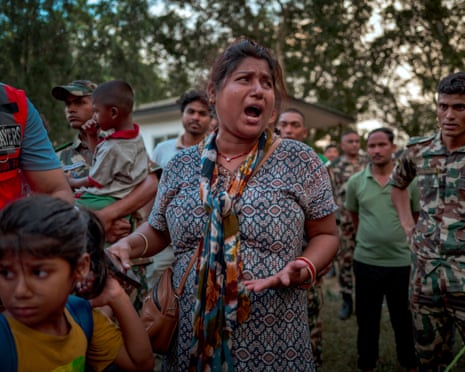
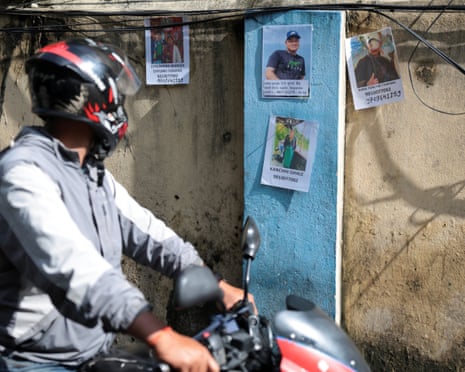
The confirmed death toll in Nepal saw a significant spike on Friday, jumping by 80 to reach a total of 469, according to data released by the Nepali police. This number is expected to rise further as search and recovery teams gain access to remote villages that were previously cut off by the destruction of critical infrastructure. Authorities estimate that more than 1,300 people remain missing across the region, a figure that includes a substantial number of foreign nationals who were in the area for trekking or religious pilgrimages.
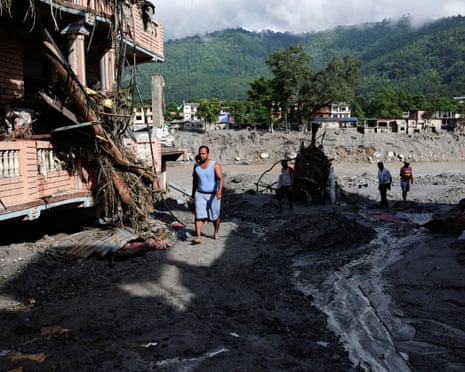
The disaster was precipitated by the collapse of a glacier on Wednesday, which sent millions of cubic meters of water, ice, and rock hurtling down narrow mountain valleys. The speed and volume of the flow were so immense that entire buildings were reportedly pulverized in seconds. Survivors have described a roar like a jet engine followed by a tide of black mud that swallowed everything in its path.
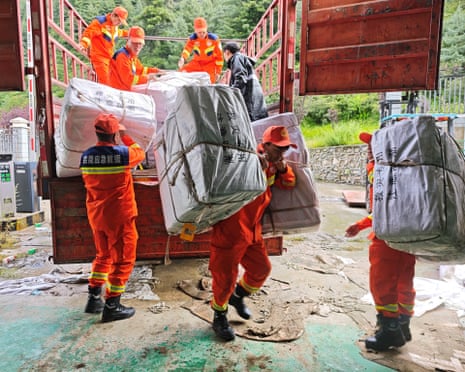
China Suspends Operations Amid Secondary Flood Threat
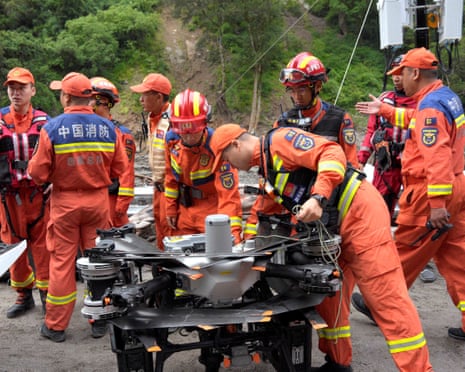
In the Tibet Autonomous Region, the rescue mission has faced a major setback. State broadcaster CCTV reported Friday that all emergency personnel at the disaster’s epicenter have been ordered to stand down. The decision was made after experts identified a high risk of a breach in an artificial lake formed by the debris of the original mudslide.
The "barrier lake," created when the massive landslide choked the river’s natural flow, has begun to overflow toward the very areas where rescue teams were operating. According to Xinhua, the state news agency, inflows into the lake are projected to reach approximately 3 million cubic meters over the next three days due to persistent rainfall. This volume poses a "high risk of breaching," which would send a catastrophic surge downstream toward Gyirong Port and other populated areas.
Emergency teams that had successfully accessed the hardest-hit zones were ordered to withdraw at least one kilometer for their own safety. "All rescue teams have been ordered to stand by in place and wait for further instructions," CCTV stated, citing the volatile conditions on the ground.
The Race Against Time at Trishuli 3A Hydropower Project
South of the border, the Nepali Army is spearheading a high-stakes operation to save approximately 100 people trapped within the tunnel of the Trishuli 3A hydropower project. The facility was swamped during the initial surge on Wednesday, leaving workers stranded in the darkness as water and mud blocked the entrances.
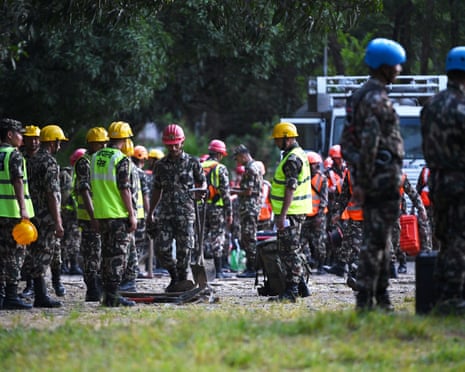
Raja Ram Basnet, a spokesperson for the Nepali Army, confirmed that the search and rescue of these individuals is currently a top priority. While the Prime Minister’s office announced that 350 people had already been successfully extracted from the vicinity of the project, the fate of the remaining 100 hangs in the balance. Heavy siltation and the threat of further collapses within the tunnel network have made the rescue attempt both slow and dangerous.
The vulnerability of hydropower infrastructure in the Himalayas has been a point of concern for environmentalists for years. This latest event underscores the risks inherent in large-scale engineering projects located in geologically unstable and climate-sensitive regions.
International Tourist Crisis: Hundreds Unaccounted For
The timing of the Nepal-Tibet flash flood coincides with a period of high activity for trekkers and pilgrims, leading to a massive international search effort. Police and tourism officials in Nepal report that over 500 foreign citizens are among the 826 people missing within the country’s borders. The missing include 177 citizens from India, 90 from the United States, 39 from Australia, 33 from Britain, and 25 from Canada.
Among the missing is a family of four from Sydney, Australia, who were on a pilgrimage when the disaster struck. Relatives in Australia have expressed desperate hope that the family—including two young boys—might still be found. They were last heard from after breakfast on Wednesday morning, shortly before they were scheduled to head toward a border checkpoint.
The Chinese side of the border reports similar figures, with at least 558 people missing in Tibet, 260 of whom are foreign nationals. While 555 stranded tourists have been successfully evacuated from Tibet as of Friday morning, the nationalities of those rescued have not yet been disclosed by Chinese authorities.
Logistical Nightmares and Infrastructure Collapse
The scale of the destruction has paralyzed traditional rescue methods. Officials in Nepal have confirmed the destruction of dozens of bridges and the loss of at least 40 kilometers (25 miles) of mountain roads. In a terrain defined by steep cliffs and deep gorges, the loss of these transit points has rendered many areas accessible only by air.
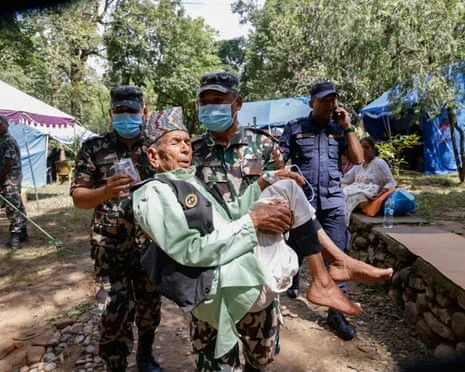
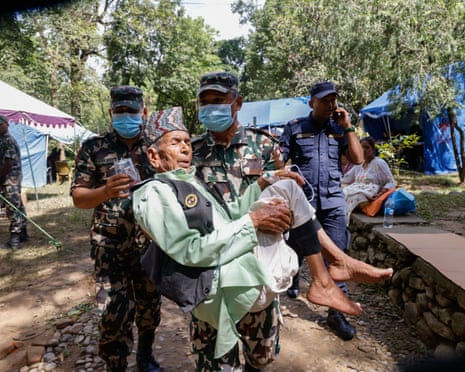
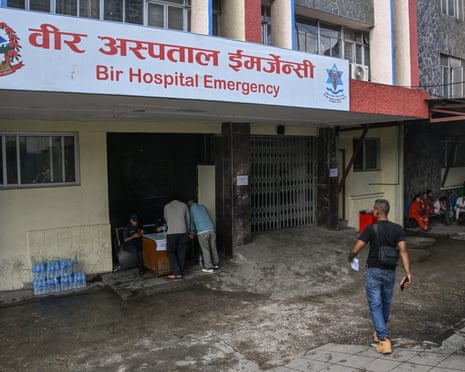
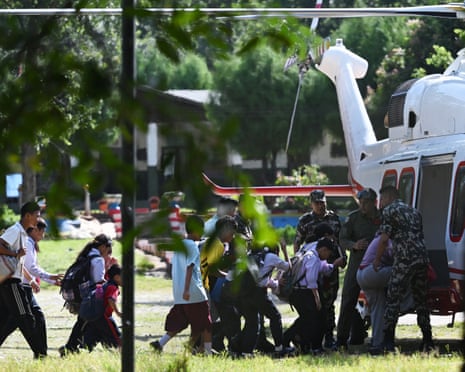
The Nepali Army has deployed every available helicopter to ferry survivors to safety and transport the injured to medical centers in Kathmandu. However, the mountainous weather remains unpredictable, often grounding flights and delaying the delivery of essential supplies.
The Red Cross has estimated that approximately 93,000 people have been affected by the floods and landslides. The agency has launched a $31 million emergency appeal to fund its response, which is shifting from immediate rescue to large-scale relief operations. This includes providing temporary shelter, clean water, and medical care to those whose homes and livelihoods were swept away.
Global Humanitarian Response and Environmental Warnings
International aid has begun to mobilize in response to the devastation. United Nations humanitarian chief Tom Fletcher has authorized the release of $2 million from the UN’s central emergency response fund. These funds are intended to provide life-saving assistance, including emergency medical care and water purification systems, to prevent the outbreak of waterborne diseases in the disaster zone.
U.S. President Donald Trump commented on the disaster, describing the footage of the destruction as "terrible to see." He noted the power of the surge, remarking on how "strong, well-built buildings were wiped out like they were toothpicks."
Environmental scientists are pointing to the event as a grim reminder of the impact of climate change on the "Third Pole"—the Hindu Kush Himalaya region. As global temperatures rise, glaciers in the area are melting at an accelerated rate, increasing the frequency of glacial lake outburst floods (GLOFs). These events are often sudden and carry enough force to reshape the landscape, making them one of the most significant natural threats to the millions of people living downstream in South and Central Asia.
Recovery and Long-Term Impact
As the search for survivors continues, the long-term economic and social consequences for the region are becoming clear. The destruction of the Trishuli hydropower project and the damage to the Gyirong Port trade route will have lasting effects on the economies of both Nepal and Tibet.
For now, the focus remains on the immediate threat of the barrier lakes. Engineers are monitoring the debris dams with drones and satellite imagery, hoping to find a way to drain the water safely before another breach occurs. Until the water levels stabilize, thousands of people in the path of the potential flood remain in temporary shelters, waiting for news of missing loved ones and wondering when it will be safe to return to what remains of their homes.
The road to recovery will likely take years, requiring international cooperation and a massive investment in resilient infrastructure. But for the families of the 469 confirmed dead and the 1,300 still missing, the immediate priority is simply finding answers in the mud and wreckage of the Himalayas.