The Democratic Republic of Congo (DRC) has initiated a critical vaccination campaign targeting its front-line healthcare workers and other essential personnel in a determined effort to combat the escalating Ebola epidemic. This crucial step comes as authorities grapple with an outbreak that has proven to be the deadliest in the nation’s history, demanding urgent and comprehensive public health interventions.
Urgent Vaccination Drive Targets High-Risk Individuals
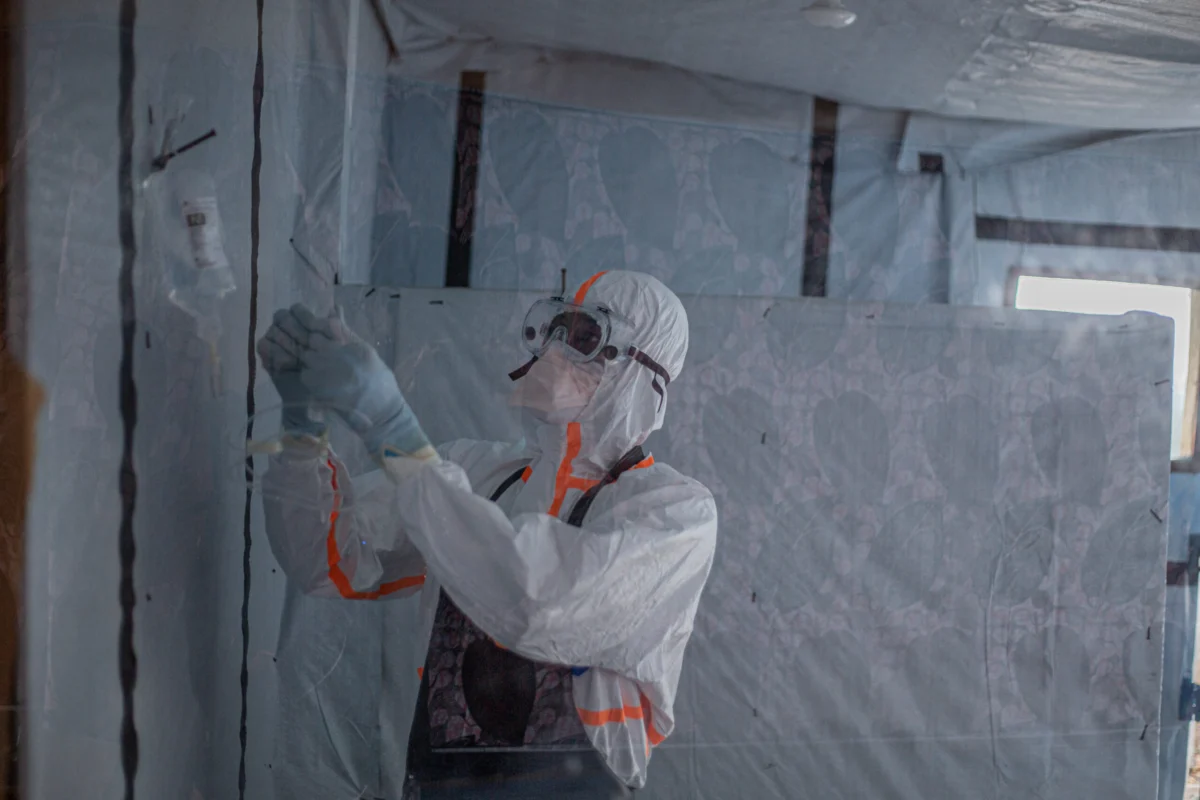
The immediate priority of the vaccination program is to shield those most exposed to the virus, including doctors, nurses, and community health volunteers who are at the forefront of patient care and contact tracing. By inoculating these individuals, the DRC aims to prevent further transmission within healthcare settings and bolster the capacity of the medical response teams. This strategic deployment of vaccines is a cornerstone of the current strategy to regain control over the rapidly spreading disease.
However, a significant challenge complicates this vital initiative: the vaccine currently being administered is licensed for a different strain of Ebola and its efficacy against the specific Bundibugyo strain driving the current epidemic has not yet been definitively established. This reality underscores the complex and evolving nature of the fight against Ebola, where resources and scientific understanding must constantly adapt to new threats.
The Shadow of the Bundibugyo Strain
The Bundibugyo strain of Ebola presents a formidable challenge, as there is currently no officially approved vaccine or treatment specifically designed to combat it. This void necessitates a parallel and urgent scientific endeavor: clinical trials are actively underway to develop and validate a suitable vaccine that can effectively neutralize this particular strain. The success of these trials is paramount to long-term control efforts.
The initial doses of the vaccine were administered in the Congolese city of Kisangani, a strategic location chosen to protect a significant segment of the healthcare workforce. The DRC’s Minister of Health, Samuel Roger Kamba, announced that over 50,000 doses of the vaccine have been received, providing a crucial initial supply for the vaccination drive.
Geographical Hotspots and Containment Strategies
The epicenter of the current outbreak is geographically concentrated in the Ituri province, a region that shares a border with neighboring Uganda. This proximity raises concerns about potential cross-border transmission and necessitates robust surveillance and containment measures along the frontier. Minister Kamba articulated a clear strategy for vaccine deployment, stating, "We will cover all the provinces that are around Ituri, moving in the ring towards the centre of the outbreak." This concentric approach aims to create a protective buffer around the most affected areas.
The World Health Organization (WHO) has played a pivotal role in facilitating the response, confirming last week that 70,000 doses of the Ervebo vaccine had been approved for deployment in the DRC. Ervebo, a well-established Ebola vaccine, offers a degree of protection, though its direct effectiveness against the Bundibugyo strain remains under investigation.
Clinical Trials and the Plea for More Doses
A substantial portion of the allocated vaccine doses, approximately 20,000, will be dedicated to a clinical trial specifically designed to assess the Ervebo vaccine’s effectiveness against the latest strain. This scientific undertaking is critical for informing future vaccination strategies and potentially adapting existing vaccines. Despite the influx of doses, healthcare professionals on the ground are voicing urgent calls for additional supplies, highlighting the immense scale of the vaccination effort required.
A Grim Toll: Statistics of the Deadliest Outbreak
As of Tuesday, official figures from the DRC government revealed a stark and devastating toll: 5,713 confirmed cases of Ebola have been recorded, resulting in 2,744 deaths. This grim statistic confirms the current outbreak as the deadliest in the DRC’s history, surpassing previous epidemics in both case numbers and fatalities. The sheer scale of the human cost underscores the urgency and gravity of the situation.
Adversarial Conditions Hampering Control Efforts
The battle against Ebola in the DRC is being waged under exceptionally challenging circumstances, significantly hindering containment efforts. A complex interplay of factors, including pervasive insecurity, widespread displacement of populations, a recent strike by healthcare workers, and intense population movements, has created a fertile ground for the virus to spread. These deeply entrenched socio-economic and political issues create formidable obstacles to implementing effective public health interventions.
The World Health Organization has sounded a grave alarm, stating that the outbreak "remains out of control" and is on a trajectory to potentially surpass the 2014-2016 West Africa Ebola outbreak. That epidemic, the deadliest on record, claimed over 11,000 lives, primarily in Guinea, Liberia, and Sierra Leone. The prospect of exceeding this historical benchmark underscores the critical need for intensified international cooperation and sustained resource allocation.
The Broader Implications: A Global Health Security Concern
The ongoing Ebola epidemic in the DRC transcends national borders, posing a significant threat to regional and global health security. The virus’s ability to spread rapidly in densely populated areas and across international borders, particularly given the proximity to Uganda, necessitates constant vigilance and preparedness from neighboring countries and international health organizations. The economic and social disruption caused by such a prolonged and severe outbreak can have far-reaching consequences, impacting trade, travel, and humanitarian aid efforts.
The international community’s response, while critical, must be sustained and adaptable. The logistical complexities of delivering vaccines, treatments, and essential supplies to remote and insecure regions are immense. Furthermore, building trust and engaging with local communities, who may harbor suspicion or fear, is crucial for the success of any public health intervention. Education campaigns, community outreach, and the involvement of local leaders are vital components of an effective response.
Ethical Considerations in Vaccine Deployment
The prioritization of healthcare workers and front-line responders in the initial vaccination phase reflects a globally accepted ethical framework for managing outbreaks. This approach aims to protect those who are essential for managing the crisis and preventing further spread. However, as more vaccine doses become available, difficult decisions regarding equitable distribution to vulnerable populations, including those in remote areas and at higher risk of exposure, will need to be made. The ethical dilemmas surrounding resource allocation in a pandemic are profound and require careful consideration and transparency.
The Road Ahead: Challenges and Hope
The path forward in confronting the DRC’s Ebola outbreak is fraught with challenges. The ongoing clinical trials for a Bundibugyo-specific vaccine offer a beacon of hope, but their outcome remains uncertain. The persistent insecurity and displacement of populations will continue to complicate contact tracing, treatment, and vaccination efforts. The sustained commitment of the DRC government, coupled with robust international support, will be essential in navigating this crisis.
The effectiveness of the current vaccination campaign, even with the caveat of its suitability for the Bundibugyo strain, will be closely monitored. Its success in protecting healthcare workers and its potential to slow transmission will provide valuable insights. Moreover, the scientific community’s ongoing efforts to develop new treatments and vaccines are critical for eradicating the virus and preventing future outbreaks. The lessons learned from this devastating epidemic will undoubtedly shape global preparedness strategies for years to come, emphasizing the interconnectedness of public health and the imperative of collective action in the face of emerging infectious diseases.