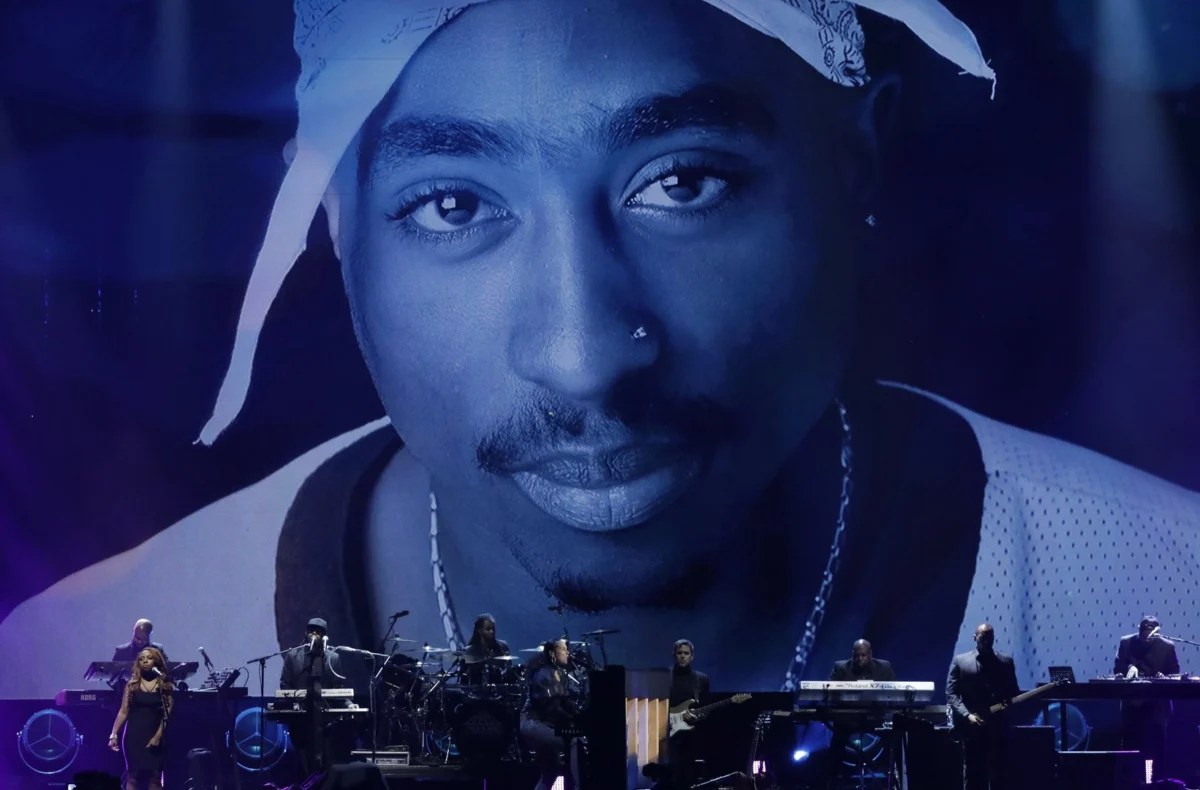
A Las Vegas jury has convicted Duane "Keffe D" Davis of murder in connection with the 1996 assassination of iconic rapper Tupac Shakur, bringing a nearly three-decade-long pursuit of justice to a pivotal moment. Prosecutors successfully argued that Davis, a former leader of the Southside Compton Crips, orchestrated the fatal shooting that occurred on the Las Vegas Strip. His own admissions and accounts of the event, shared over years in interviews and a memoir, ultimately became crucial evidence in the case, allowing law enforcement to finally bring charges.
Decades in the Making: The Investigation into Tupac Shakur’s Murder
The conviction of Duane "Keffe D" Davis marks a significant, albeit delayed, resolution to one of the most notorious unsolved homicides in music history. Tupac Shakur, a towering figure in hip-hop whose lyrical prowess and influential career were cut tragically short, was gunned down on September 7, 1996, following a highly publicized boxing match at the MGM Grand. He died six days later from his injuries at the age of 25.
The shooting occurred just hours after Shakur had been involved in a physical altercation with a rival gang member inside the hotel. Investigators believe the shooting was a retaliatory act stemming from ongoing tensions between the Bloods and Crips gangs, and specifically from a dispute involving Shakur and his associate, Death Row Records founder Suge Knight.
Davis’s Role and the Path to Conviction
Prosecutors presented evidence and testimony indicating that Davis, as a high-ranking member of the Crips, conceived and planned the revenge attack. They contended that Davis provided the firearm used in the shooting and directed the individuals who carried out the act. While Davis himself was not the shooter, his alleged role as the mastermind and facilitator was central to the prosecution’s case.
The investigation into Tupac Shakur’s murder had long been fraught with challenges, including a lack of cooperation from witnesses and the complexities of gang-related violence. However, Davis’s own repeated public acknowledgments of his involvement, particularly in a 2019 Netflix documentary and his memoir "Death of a President: The True Story of Tupac Shakur’s Murder," provided law enforcement with a renewed avenue of investigation. These admissions, while seemingly designed to solidify his notoriety, ultimately became the threads that unraveled his defense.
Key Evidence and Trial Proceedings
During the trial, prosecutors meticulously laid out their case, presenting Davis’s own words as compelling evidence. They highlighted his statements where he detailed the events leading up to and following the shooting, including his alleged role in obtaining the weapon and his proximity to the crime. The prosecution argued that these statements, coupled with other corroborating evidence, established his guilt beyond a reasonable doubt.
Defense attorneys for Davis sought to cast doubt on the prosecution’s narrative, questioning the reliability of witness testimonies and the interpretation of Davis’s admissions. They may have argued that his statements were boastful or exaggerated, or that he was not directly involved in the planning or execution of the shooting. However, the jury ultimately found the prosecution’s evidence persuasive.
The Broader Context: Gang Warfare and Hip-Hop’s Darkest Hour
The murder of Tupac Shakur was not an isolated incident but occurred during a period of intense rivalry and violence within the hip-hop community, particularly between East Coast and West Coast artists, and the gangs associated with them. Shakur himself was a central figure in this volatile landscape, his music often reflecting themes of street life, conflict, and social commentary.
The East Coast-West Coast hip-hop rivalry, fueled by media sensationalism and personal animosities, reached a fever pitch in the mid-1990s. The death of Shakur, following closely on the heels of the murder of East Coast rapper Christopher "The Notorious B.I.G." Wallace in March 1997, cast a dark shadow over the genre and led to widespread calls for an end to the violence. The conviction of Davis offers a measure of closure for many who have followed this tragic chapter in music history.
Impact on the Music Industry and Public Perception
The assassination of Tupac Shakur sent shockwaves through the music industry and beyond. He was more than just a rapper; he was a poet, an actor, and a cultural icon whose influence extended far beyond the charts. His death was mourned by millions worldwide and is often cited as a pivotal moment that signaled a loss of innocence for hip-hop.
The prolonged nature of the investigation and the eventual conviction of Davis underscore the challenges of solving complex, gang-related crimes. It also highlights the power of confession and the unintended consequences of public pronouncements. For fans and followers of Tupac Shakur, this verdict represents a long-awaited, albeit somber, acknowledgment of the truth behind his untimely demise.
The Road Ahead: Sentencing and Future Implications
Following the guilty verdict, Duane "Keffe D" Davis faces sentencing for his role in the murder of Tupac Shakur. The specifics of his sentence will depend on Nevada state law and the judge’s discretion, but it is expected to involve a significant prison term. This conviction could also have implications for other individuals who may have been involved in the events of that night.
The resolution of this case may also bring a sense of finality to a painful period for many. It serves as a stark reminder of the destructive consequences of gang violence and the profound impact such events can have on individuals, communities, and cultural legacies. The story of Tupac Shakur’s murder and the subsequent pursuit of justice for nearly three decades will undoubtedly continue to be a subject of discussion and analysis for years to come.