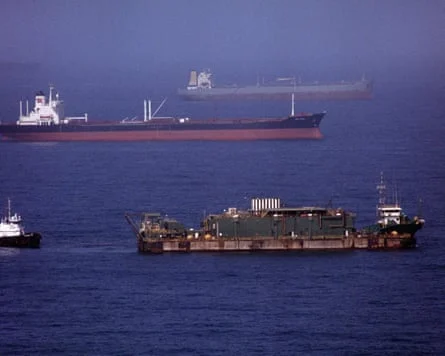
The U.S. military’s covert campaign, dubbed Operation Southern Spear, has resulted in over 60 strikes against suspected drug-trafficking vessels in the Caribbean and Eastern Pacific since September 2025, claiming the lives of more than 220 individuals. The Trump administration has framed this operation as a critical offensive against "narcoterrorism," yet details regarding the identities of those killed, the evidence used to justify lethal force, and the precise methods of target selection have been conspicuously absent from public records. This lack of transparency has fueled an investigation into the operation’s claims and the human cost of its actions.
Operation Southern Spear: The Shadow War on Narcoterrorism
Operation Southern Spear represents a significant escalation in the United States’ long-standing efforts to combat international drug trafficking. The operation’s stated objective is to dismantle sophisticated networks that fuel the illicit drug trade and pose a threat to national security and global stability. By targeting vessels believed to be involved in the transportation of narcotics, the administration aims to disrupt the flow of drugs and cut off financial resources for criminal organizations.
The designation of "narcoterrorism" suggests a perceived link between drug cartels and terrorist groups, a classification that has been employed to justify more aggressive and less constrained military actions. This strategic framing allows for the application of broader legal authorities and a reduced burden of proof in identifying and neutralizing threats. The administration contends that these swift and decisive actions are necessary to prevent the infiltration of dangerous substances into the United States and to counter the influence of powerful criminal syndicates operating beyond national borders.
Uncovering Lives Lost: The Human Toll of Strikes at Sea
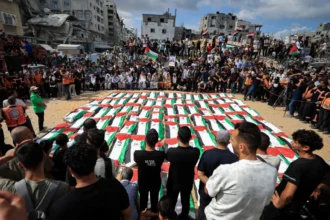
Despite the administration’s assertions of targeting illicit activities, the veil of secrecy surrounding Operation Southern Spear has left families in a state of agonizing uncertainty. In communities from the Caribbean to the Pacific coast, the absence of loved ones has been accompanied by a profound lack of information. The strikes, often occurring in international waters, have made it difficult for grieving families to obtain official confirmation of deaths, let alone understand the circumstances that led to them.
Fault Lines’ investigation seeks to illuminate these obscured narratives by delving into the lives of individuals who have been targeted. By piecing together witness accounts, examining available physical evidence, and consulting with legal experts, the inquiry aims to provide a clearer picture of the human impact of Operation Southern Spear. This effort is crucial in understanding who is being subjected to lethal force and whether the justifications for these actions hold up under scrutiny.
The Legal and Ethical Quandaries of Maritime Warfare
A central concern raised by Operation Southern Spear is the legality and ethical implications of the conducted strikes. International law and U.S. military doctrine dictate strict rules of engagement, particularly concerning the use of lethal force. The lack of transparency surrounding target selection processes raises questions about due process and the potential for misidentification.
Legal experts have pointed to the challenges in ensuring accountability when operations are conducted in remote maritime environments with limited oversight. The burden of proof in demonstrating that targets were indeed engaged in illicit activities, and that all reasonable precautions were taken to avoid civilian casualties, is a critical legal standard. The absence of readily available information makes it difficult to assess whether these standards are being met, potentially leading to violations of international humanitarian law.
Examining the Efficacy of Operation Southern Spear
Beyond the human and legal dimensions, the effectiveness of Operation Southern Spear in achieving its stated goals is also under examination. The administration claims the operation is disrupting the drug trade, but the long-term impact on the supply and demand of narcotics remains a complex question. Critics argue that focusing solely on interdiction at sea may not address the root causes of drug production and trafficking, such as economic instability, corruption, and demand within consuming nations.
The vastness of the ocean and the adaptability of drug trafficking organizations present significant challenges to any interdiction effort. Seizures of individual shipments, while significant, may represent only a fraction of the total volume of drugs transported. The economic incentives driving the illicit trade are substantial, and as long as demand persists, criminal enterprises are likely to find new methods and routes to circumvent law enforcement efforts.
Communities Under Threat: The Impact on Coastal Populations
The impact of Operation Southern Spear extends beyond the immediate targets of the strikes, rippling through coastal communities that rely on maritime activities. In many regions, fishing is a vital source of livelihood, and the increased military presence and the risks associated with being caught in the crossfire can have devastating economic and social consequences. Fishermen may face increased scrutiny, harassment, or even become collateral damage in the broader campaign.
The fear of being wrongly accused or caught in the path of military action can disrupt traditional ways of life and undermine the economic stability of these communities. The psychological toll of living under the shadow of a covert war, where the threat of lethal force is ever-present, can be profound. This can lead to increased distrust of authorities and a sense of vulnerability among populations that are often already marginalized.
The Challenge of Accountability in a Globalized Drug War
Ensuring accountability for actions taken during Operation Southern Spear presents a formidable challenge. The decentralized nature of drug trafficking networks, often operating across multiple jurisdictions, complicates efforts to identify responsible parties and establish clear lines of command and control. Furthermore, the secrecy surrounding the operation makes it difficult for independent bodies to conduct thorough investigations.
Without robust oversight mechanisms and access to relevant information, the potential for impunity increases. Families seeking justice for those killed may face significant legal and logistical hurdles in pursuing their claims. The lack of a clear and accessible path for redress raises concerns about the fairness and legitimacy of the entire operation.
The Broader Implications: A New Era of Maritime Conflict
Operation Southern Spear signals a potentially new era in the United States’ approach to combating transnational crime and terrorism. The willingness to employ lethal military force in maritime environments against suspected non-state actors represents a significant shift in strategy. This approach, while framed as necessary for national security, carries substantial risks and raises fundamental questions about the balance between security imperatives and the protection of human rights.
The long-term consequences of such operations could include increased regional instability, erosion of international trust, and the potential for retaliatory actions. As the United States continues to engage in operations like Southern Spear, the need for greater transparency, robust oversight, and a comprehensive understanding of the human and geopolitical implications becomes increasingly critical. The administration’s claims of success must be weighed against the verifiable human cost and the potential for unintended, far-reaching consequences. The ongoing investigation seeks to provide a more complete understanding of this complex and controversial campaign.