The Missouri Supreme Court has unanimously halted a controversial congressional map, heavily influenced by former President Donald Trump, from being implemented in the upcoming November midterm elections, effectively reinstating the state’s previous district boundaries. This significant judicial decision marks a rare setback for Trump’s redistricting strategy and underscores the contentious nature of political map-drawing nationwide.
A Rebuke to Partisan Gerrymandering
At the heart of the legal battle was a newly drawn congressional map, enacted in September 2025, which was widely seen as a strategic move by Republicans to gain an additional seat in the U.S. House of Representatives. The map was designed to consolidate Republican-leaning voters and dilute the influence of Democratic strongholds, a practice commonly known as gerrymandering.
This partisan redistricting effort, however, ignited considerable public opposition within Missouri. Nearly 300,000 residents of the state signed a referendum petition, demanding that the new map be put to a statewide vote for public approval. This grassroots movement aimed to give voters a direct say in how their congressional districts are shaped, challenging the traditional power of state legislatures to unilaterally redraw electoral maps.
Secretary of State’s Rejection Sparks Legal Fight
Missouri’s Secretary of State, Denny Hoskins, a Republican, subsequently declared the petition legally insufficient, thereby rejecting the public’s demand for a vote. This decision set the stage for the legal confrontation that culminated in the Missouri Supreme Court’s intervention.
In its ruling, the state’s highest court found the referendum petition to be "legal, sufficient, and timely," directly contradicting Hoskins’s assessment. The court’s written opinion stated, "The secretary incorrectly concluded otherwise." This unequivocal statement underscored the legal standing of the citizens’ petition.
The court further elaborated that the Missouri Constitution explicitly permits such petitions, and "no exception applies" in this instance. The panel of seven judges, a majority of whom were appointed by Republican governors, delivered a unanimous verdict, highlighting the broad consensus against the Secretary of State’s actions.
Navigating Electoral Chaos with Midterms Looming
The Missouri Supreme Court’s decision, while a victory for proponents of public voting on redistricting, plunges the state into a complex electoral landscape with the midterm elections just two months away. The printing of ballots is imminent, and the sudden shift in district boundaries creates logistical and legal uncertainties.
A significant outstanding question is whether the state’s general election can proceed with different congressional districts than those used during the recent primary elections. This potential discrepancy could lead to confusion among voters and challenges to election results.
Missouri Attorney General Vows Appeal to Supreme Court
Missouri Attorney General Catherine Hanaway, a Republican, wasted no time in signaling her intent to contest the ruling. She announced an immediate appeal to the U.S. Supreme Court, labeling the state court’s decision a "full-fledged constitutional crisis."
Hanaway emphasized the unprecedented nature of the court’s intervention, stating, "Never before in American history has a court overturned a congressional map after a primary and before a general election." This assertion points to the potential national implications of the case, particularly regarding the timing of judicial review in redistricting disputes.
Trump Denounces Ruling as "Unconstitutional"
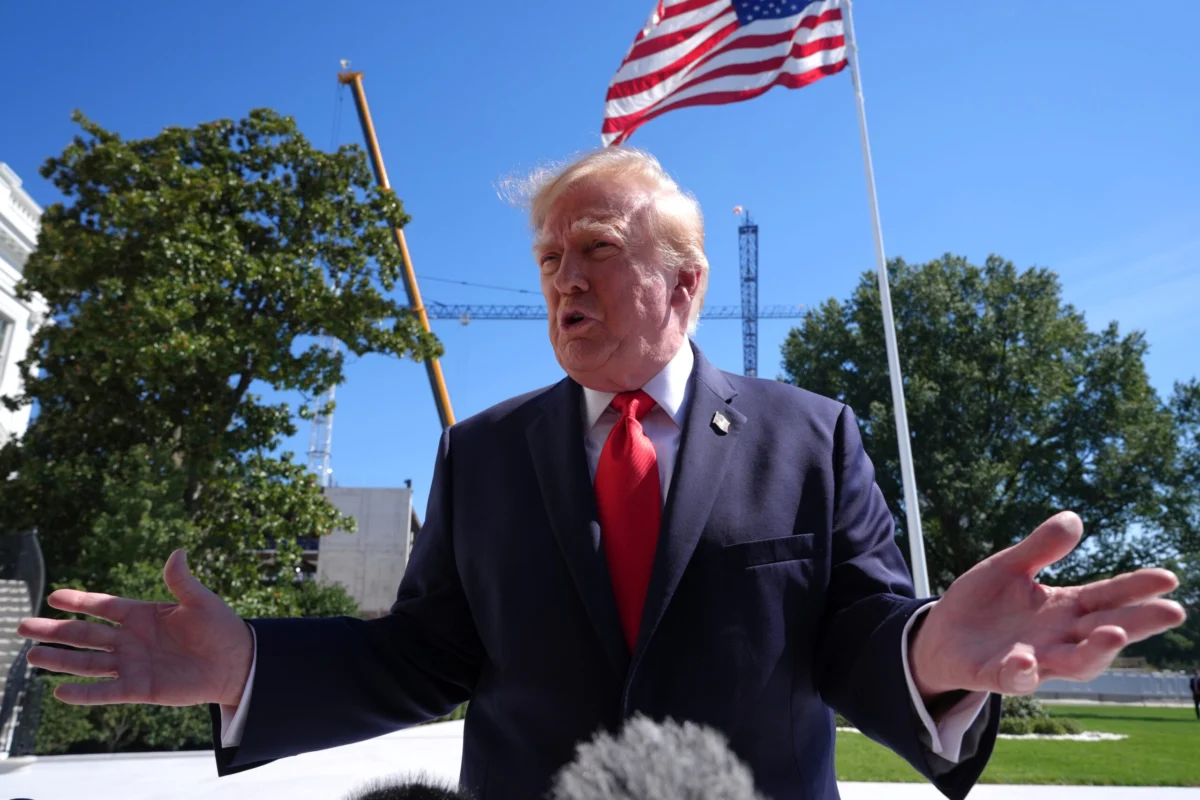
Former President Donald Trump, a key figure behind the push for more favorable Republican congressional maps, also voiced strong disapproval of the Missouri Supreme Court’s decision. He lambasted the ruling on his social media platform as "horrible, ridiculous, and unConstitutional."
Trump characterized the court’s action as an attempt to revert to outdated district lines, sarcastically referring to them as "Ancient History." His public denouncement reflects his broader strategy to leverage redistricting as a tool to bolster Republican electoral prospects.
The National Context of Mid-Decade Redistricting
Trump’s involvement in Missouri’s redistricting dispute is part of a larger national effort he initiated to influence electoral maps. Last year, he reportedly urged Republican-led states to redraw their congressional districts mid-decade, a departure from the traditional practice of adjusting maps only after decennial census data becomes available.
This strategy aimed to capitalize on demographic shifts and create more Republican-friendly districts, thereby helping the party maintain or expand its majority in the U.S. House of Representatives. Several states, including Missouri, followed this playbook, with most resulting maps favoring Republicans. California, however, redrew its map to be more advantageous for Democrats.
Legal Precedent and the Power of the Petition
While federal law does not prohibit partisan redistricting, the Missouri Supreme Court’s ruling hinged on the legality of the referendum petition process. Previously, the state’s Supreme Court had affirmed the validity of the legislative action that changed the congressional map. However, Thursday’s decision specifically upheld the right of citizens to challenge such maps through popular vote initiatives.
The court’s order bars the use of the 2025 congressional map in the November midterm elections and any future elections unless it is first approved by Missouri voters. This ensures that the existing district lines will remain in place for the upcoming contest.
"People Not Politicians" Hails Victory
The group "People Not Politicians," which spearheaded the referendum petition drive, celebrated the Missouri Supreme Court’s decision. In a statement posted on social media, the organization declared, "Supreme Court of Missouri has ruled: Missourians will vote on politicians’ rigged map."
The group also placed blame on Secretary of State Hoskins for the confusion and delays, stating, "Hoskins had the power to prevent all this confusion months ago – and he chose not to." Their sentiment reflects a broader frustration with the perceived manipulation of electoral maps by political insiders.
Public Demonstrations for the Right to Vote
The intensity of public sentiment surrounding the redistricting issue was evident in the days leading up to the court’s ruling. Hundreds of Missouri residents rallied outside the state Supreme Court, chanting "Let us vote!" This demonstration underscored the deep-seated desire among many citizens to have a direct voice in shaping their political representation.
Grant Christensen, a resident of Jefferson City and a supporter of the referendum, articulated this sentiment, comparing gerrymandering to voter suppression. He argued that "Cutting up districts in order to steer them to vote one way or the other is not fair," highlighting the perceived inequity of strategically manipulated electoral boundaries.
Impact on Key Districts and Future Elections
The ramifications of the legal battle are particularly significant for Missouri’s 5th congressional district, currently represented by Democrat Emanuel Cleaver. This district, which encompasses parts of Kansas City, was a focal point of the redistricting efforts, with the new map drawn to disadvantage the incumbent.
The legal uncertainty surrounding the map’s implementation also raises questions about the timing of Hoskins’s rejection of the referendum petition. Critics point out that Hoskins waited until August 4, the very day of the party primaries, to declare the petition insufficient, potentially complicating efforts to restore the old map.
The Missouri Supreme Court’s decision to reinstate the previous congressional map, at least until voters have had their say, represents a critical moment in the ongoing national debate over redistricting. It underscores the power of citizen initiatives and the potential for judicial review to check partisan gerrymandering, even in a landscape where such practices are legally permissible. The ultimate resolution of this contentious issue will likely have lasting implications for the balance of power in Missouri and potentially across the nation.