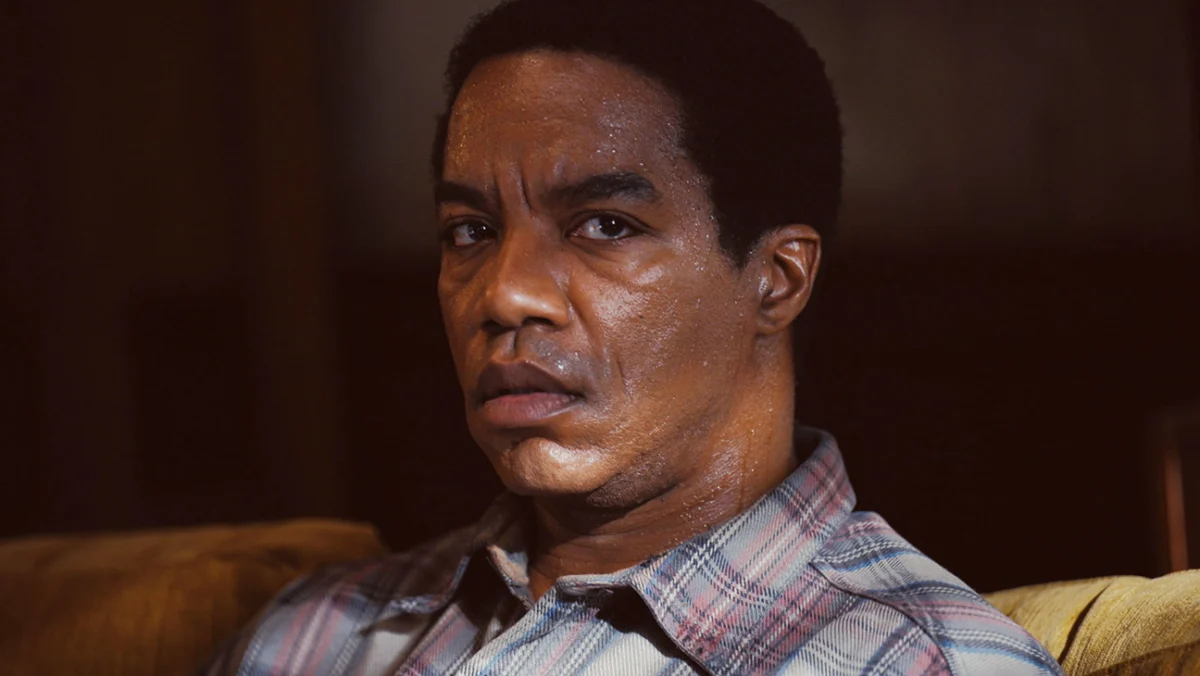
Shinya Tsukamoto’s latest cinematic offering, Mr. Nelson, Did You Kill People?, plunges audiences into the harrowing psychological aftermath of the Vietnam War, focusing on the profound and lasting impact of post-traumatic stress disorder (PTSD) on a U.S. Marine. The film, which premiered in competition at the Venice Film Festival, navigates the brutal realities of combat and the equally devastating struggles of reintegration into civilian life, drawing directly from the true story of Allen Nelson, a veteran who found a unique path to healing through public speaking. While critically acknowledged for its raw intensity in depicting wartime atrocities, the drama has also drawn criticism for its occasionally overwrought and unsubtle approach to a complex subject.
A Japanese Director’s Unexpected Lens on American Trauma
The decision by Shinya Tsukamoto, a Japanese filmmaker predominantly known for his distinctive cult genre films such as Tetsuo: The Iron Man and Tokyo Fist, to direct a film centered on an African American Vietnam veteran’s experience with PTSD has been a point of considerable discussion among international audiences. Tsukamoto’s previous works typically explore themes of body horror, cyberpunk, and urban alienation, often employing a frenetic, visceral style. This latest project marks a significant thematic departure, raising questions about the filmmaker’s motivation for tackling such a specific piece of American history and psychological trauma.
Tsukamoto, who also served as the film’s cinematographer and editor, revealed in his director’s statement that the inspiration for the project stemmed from attending one of Allen Nelson’s lectures in Japan. Nelson, a former U.S. Marine, became a prominent figure in Japan, delivering over 1,200 talks detailing the brutalities he committed and witnessed during his tours of duty in Vietnam. This exposure to Nelson’s firsthand account of war’s horrors profoundly impacted Tsukamoto, leading him to re-evaluate his own understanding of violence and ultimately motivating him to adapt Nelson’s story for the screen. The filmmaker’s deep personal connection to the subject underscores the sincerity driving the project, despite its stylistic challenges.
Unveiling Allen Nelson’s Life and Legacy
The narrative core of Mr. Nelson, Did You Kill People? is rooted in the nonfiction account of Allen Nelson, a Vietnam veteran whose journey from profound trauma to eventual recovery and public advocacy forms the backbone of the film. Nelson’s experience in Vietnam left him with severe PTSD, a condition that profoundly disrupted his life and family relationships. His subsequent path involved intensive therapy and, notably, a career as a public speaker in Japan, where he shared his harrowing experiences and the long-term psychological toll of war. His lectures offered a unique perspective on the Vietnam conflict, particularly for a Japanese audience, shedding light on the human cost of war beyond geopolitical narratives.
Nelson’s decision to openly discuss the atrocities he committed, alongside those he witnessed, was a critical component of his healing process and an act of profound courage. His talks provided a platform for him to confront his past and for others to understand the complex moral injuries inflicted by combat. The film endeavors to capture this arduous journey, from the depths of his despair to a hard-won sense of self-awareness and peace, highlighting the transformative power of confronting one’s darkest memories.
The Narrative Structure: A Dual Perspective on Trauma
The film employs a deliberate flashbacking structure, weaving between two distinct periods in Nelson’s life. Veteran stage actor Rodney Hicks portrays Nelson as a father grappling with severe shell shock in his post-war civilian life. These scenes vividly depict the daily struggles of a veteran haunted by his past, characterized by emotional outbursts and an inability to connect with his family. The narrative frequently cuts to Nelson’s horrific experiences as a young Marine in Vietnam, portrayed by promising newcomer Mark Merphy, detailing his transformation from a new recruit to a participant in acts of extreme violence against enemy combatants and civilians alike.
Central to Nelson’s arduous path to recovery is the role of Dr. Neil Daniels, played by Academy Award-winner Geoffrey Rush. Their therapy sessions form a significant portion of the film’s dramatic core, as Dr. Daniels pushes Nelson to delve into the deepest recesses of his combat experiences. These sessions are depicted as sometimes punishing, forcing Nelson to confront not only the jungle horrors but also his own challenging childhood marked by poverty and abuse. The film explicitly suggests that intensive psychotherapy is presented as the primary, if not sole, pathway out of such profound psychological quagmire.
Depicting the Horrors of War: Visceral and Unflinching
The initial half of the film meticulously details Nelson’s journey, from his decision to join the Marines, through the rigors of basic training, to his deployment in a war he knew little about. As part of a platoon predominantly composed of Black soldiers, Nelson experiences a brutal baptism of fire when several comrades are killed in a Viet Cong ambush. This event marks a turning point, leading the squad to embark on a campaign of vicious revenge against any village they encounter. These retaliatory acts escalate into massacres of farmers, women, and children, ostensibly to thwart the enemy, though the film also suggests moments driven by pure sadism.
Tsukamoto does not shy away from making these war sequences intensely difficult to watch. He maintains a close focus on Nelson as the new recruit first witnesses, then reluctantly participates in, and finally eagerly embraces acts that progressively shatter his soul. The war sequences are deliberately excessive, heavy on gore and human suffering, aiming to convey the dehumanizing impact of combat. Critics have noted that Mr. Nelson stands out as one of the more gruesome depictions of the Vietnam War since Brian De Palma’s Casualties of War, which similarly utilized a flashbacking narrative to portray rape and other war crimes committed by U.S. military personnel, highlighting a shared thematic lineage of exploring moral degradation in conflict.
The Home Front Struggle: A Contrast in Subtlety
Interspersed with the visceral combat scenes are passages depicting Nelson’s ceaseless struggles back on the home front. Unable to cope with his terrifying memories, he frequently lashes out at his wife, played by Tatyana Ali, known for her role in The Fresh Prince of Bel-Air, and his children. While these moments are crucial for illustrating the pervasive and destructive nature of PTSD on domestic life, Tsukamoto’s direction in these scenes has been critically assessed as less assured.
These domestic dramas are described as having a stagy, heavy-handed quality, lacking the raw, visceral immediacy that characterizes the Vietnam-set sequences. This disparity in execution creates an uneven viewing experience, even as these scenes serve the vital purpose of demonstrating the immense distance Nelson had to travel in his journey toward recovery. The contrast underscores the film’s challenge in reconciling the extreme violence of war with the more nuanced, often internal, battles fought by veterans in their own homes.
A Critical Examination of Trauma and Recovery
The overarching arc of Mr. Nelson, Did You Kill People? is one of a gradual bending toward greater self-awareness and healing. The film’s title itself is evoked during a poignant scene where the emotionally battered Nelson participates in a Q&A session with an elementary school class, a moment designed to highlight his vulnerability and the questions that haunt him. Dr. Daniels’s relentless therapeutic pressure eventually forces Nelson to confront not only his duties as a Marine but also deeper traumas from his past, suggesting a comprehensive approach to healing.
However, a recurring criticism levied against the film is its pervasive lack of subtlety, both in its overt message and in its execution. The film’s earnestness is undeniable, yet its didactic approach to trauma and recovery can, at times, undermine the profound impact of Allen Nelson’s inspirational true story. This perceived heavy-handedness risks diminishing the staying power of its central themes, positioning the film precariously between what some have described as a "war-sploitation flick" and an "on-the-nose afterschool special," without fully integrating the two genres effectively.
The Broader Context of PTSD and Moral Injury
The film’s exploration of Nelson’s PTSD offers a timely reminder of the enduring psychological wounds inflicted by combat. Historically, the understanding and recognition of PTSD, particularly among Vietnam veterans, evolved significantly in the decades following the war. Early assessments often misdiagnosed or dismissed symptoms, leading to widespread suffering. The film sheds light on the crucial role of dedicated therapeutic intervention in helping veterans process their experiences, particularly when those experiences involve participation in acts that violate their moral compass, a phenomenon increasingly termed "moral injury."
Moral injury refers to the psychological distress that results from actions, or lack of them, that violate one’s own moral beliefs and expectations. Nelson’s story, as depicted, powerfully illustrates this concept, showcasing the burden of guilt and shame that can persist long after the physical wounds have healed. The film, despite its stylistic shortcomings, contributes to the ongoing public discourse surrounding veteran mental health, underscoring the societal responsibility to support those who have served and to understand the complex, often invisible, scars of war.
Cultural Exchange and Universal Themes
The decision of a Japanese director to tell the story of an African American Vietnam veteran highlights a compelling instance of cultural exchange and the universality of human suffering and resilience. While the specific socio-political context of the Vietnam War is distinctly American, the psychological toll of combat, the struggle with trauma, and the quest for healing transcend national borders. Tsukamoto’s empathetic engagement with Nelson’s narrative bridges cultural divides, emphasizing shared human experiences in the face of extreme adversity.
This cross-cultural collaboration underscores the global impact of war and the potential for artistic expression to foster understanding and empathy across diverse audiences. The film serves as a testament to the power of personal narratives to illuminate broader historical and psychological truths, making Nelson’s story resonant far beyond its immediate context.
Festival Debut and Industry Reception
Mr. Nelson, Did You Kill People? made its debut in the competitive section of the Venice Film Festival, a prestigious platform that often showcases works of significant artistic merit or controversial themes. Its selection signals an acknowledgment of Tsukamoto’s established reputation and the film’s ambitious subject matter. Early critical responses, while acknowledging the film’s powerful moments and the director’s sincerity, have consistently pointed to its uneven tone and directness as areas of concern.
The film’s critical reception suggests a challenging journey for wider distribution, as its unflinching portrayal of violence and its sometimes didactic approach may polarize audiences. Nevertheless, its presence at a major international festival indicates its potential to spark important conversations about the long-term consequences of war and the complex processes of psychological healing.
Ultimately, Mr. Nelson, Did You Kill People? stands as a challenging and often uncomfortable cinematic experience. While its earnestness and the sheer power of its combat sequences are undeniable, its more heavy-handed moments in depicting domestic strife and the nuances of psychological recovery prevent it from achieving a consistently profound impact. Nevertheless, it serves as a potent, albeit imperfect, reminder of the enduring legacy of the Vietnam War and the courageous, often silent, battles fought by its veterans in their quest for peace.