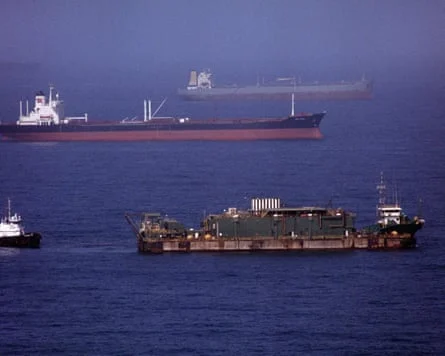
Tehran is poised to unveil a new maritime route traversing the critical Strait of Hormuz within the coming days, a move that signals a significant escalation in regional tensions and a direct challenge to international shipping lanes. This announcement comes on the heels of stark warnings from Iran’s top negotiator, who vowed a more robust response to any future attacks, particularly following recent U.S. military actions targeting Iranian oil tankers in the Gulf of Oman. The strategic waterway, a vital chokepoint for global oil supplies, has become a focal point for escalating confrontation between Iran and the United States, raising concerns about potential disruptions to energy markets and broader geopolitical stability.
Iran’s Strategic Maneuver in the Strait of Hormuz
The impending declaration of a new shipping route by Iran is widely interpreted as a calculated response to perceived provocations and an assertion of control over a vital maritime passage. The Strait of Hormuz, a narrow channel connecting the Persian Gulf to the Gulf of Oman, is the conduit for approximately 20% of global oil consumption. Any significant disruption to traffic through this chokepoint carries profound implications for the global economy, particularly for energy-importing nations heavily reliant on Middle Eastern crude.
The Iranian government has framed this initiative as a necessary measure to ensure the safety and security of its maritime interests and potentially those of allied nations. However, international observers and analysts view it as a direct challenge to the established international norms governing freedom of navigation and a potential precursor to further assertive actions by Tehran. The specifics of this new route remain undisclosed, but its announcement is expected to be closely scrutinized for its intended impact on existing shipping patterns and the potential for increased friction with naval forces patrolling the region.
Escalating Tensions and the U.S. Response
The decision to announce a new shipping route follows a period of heightened animosity and direct military engagement. Recent U.S. strikes on Iranian oil tankers in the Gulf of Oman have been met with fierce condemnation from Tehran, with its lead negotiator issuing a stern warning of significantly escalated retaliatory measures. This exchange underscores the volatile nature of the current standoff, where any miscalculation could lead to a wider conflict.
The U.S. military has, in turn, released footage purportedly showing an Iranian tanker sinking in the Gulf of Oman, a visual confirmation of the aggressive posture being adopted by both sides. These incidents are not isolated events but rather part of a broader pattern of confrontation that has intensified over the past several years, fueled by sanctions, regional proxy conflicts, and a deep-seated distrust between the two nations. The Strait of Hormuz and its adjacent waters have repeatedly served as the stage for such dangerous encounters.
Background of the Hormuz Standoff
The Strait of Hormuz has long been a flashpoint in the complex geopolitical landscape of the Middle East. Iran, controlling much of the northern coastline, has historically viewed the waterway as an integral part of its territorial waters and a strategic asset that can be leveraged in times of political and economic pressure. Conversely, the United States and its allies have consistently advocated for unimpeded passage through the strait, recognizing its paramount importance to global energy security and the free flow of commerce.
Past incidents, including alleged mine attacks on tankers and the seizure of commercial vessels, have punctuated the history of this strategic waterway. Iran has often been implicated, though it has typically denied direct responsibility, instead pointing to rogue elements or other regional actors. The presence of a significant U.S. naval fleet in the region, tasked with ensuring the safety of shipping, further complicates the situation, creating a constant risk of confrontation.
The Economic Ramifications of a New Route
The potential implications of Iran establishing a new shipping route are far-reaching, particularly for the global economy. If this new route circumvents or significantly alters established international shipping lanes, it could lead to increased insurance costs for vessels, longer transit times, and a general rise in the price of oil. The delicate balance of global energy markets is acutely sensitive to any perceived threat to supply, and this move by Iran is likely to trigger immediate market volatility.
Major oil-producing nations in the Persian Gulf, whose economies are heavily dependent on exports through the Strait of Hormuz, will be closely monitoring the situation. Any disruption to their export capabilities would have severe economic consequences, potentially impacting their domestic stability and their ability to fund critical infrastructure projects and social programs.
Geopolitical Ripples and Regional Stability
Beyond the economic sphere, the announcement of a new shipping route carries significant geopolitical weight. It represents a clear assertion of Iranian sovereignty and a challenge to the existing international maritime order. This could embolden other nations seeking to assert greater control over their maritime territories and potentially lead to a proliferation of similar initiatives, further fragmenting global shipping.
The broader implications for regional stability are also a major concern. The ongoing tensions between Iran and the U.S. have fueled proxy conflicts across the Middle East, from Yemen to Syria. An escalation in the Strait of Hormuz could exacerbate these existing conflicts and potentially draw other regional powers into a direct confrontation, further destabilizing an already volatile region.
International Reactions and Diplomatic Fallout
The international community is expected to react with a mixture of concern and condemnation to Iran’s impending announcement. Major maritime powers, including the United States, European nations, and East Asian countries heavily reliant on oil imports, will likely voice strong opposition to any move that jeopardizes freedom of navigation. Diplomatic channels are expected to be buzzing with urgent consultations as nations seek to understand the full scope of Iran’s intentions and to coordinate a unified response.
The United Nations Security Council could become a venue for intense debate, with member states likely divided along geopolitical lines. The effectiveness of any international condemnation or sanctions will depend on the level of consensus and the willingness of key global players to exert diplomatic and economic pressure on Tehran.
The Public Impact and the Specter of Conflict
For the average citizen around the world, the unfolding events in the Strait of Hormuz translate into tangible concerns about the cost of living. Fluctuations in global oil prices directly impact everything from gasoline at the pump to the cost of goods transported by sea. A significant disruption in this vital waterway could lead to inflationary pressures, affecting household budgets globally.
Furthermore, the constant specter of military conflict in such a critical region casts a long shadow. The potential for a wider war, even if initiated by miscalculation, carries immense human and economic costs. The ongoing media coverage, including the release of videos depicting military actions, keeps the public acutely aware of the escalating risks.
The Road Ahead: Uncertainty and Vigilance
As Iran prepares to unveil its new shipping route, the path forward remains fraught with uncertainty. The specifics of the route and its intended implementation will be critical in determining the immediate repercussions. However, the underlying tensions driving this maneuver are deeply entrenched and unlikely to dissipate quickly.
The coming days and weeks will be crucial in assessing the trajectory of this escalating crisis. Continued vigilance from international naval forces, robust diplomatic engagement, and a clear understanding of the economic and geopolitical stakes will be paramount in navigating this precarious situation and preventing a wider conflagration in one of the world’s most vital maritime arteries. The world watches the Strait of Hormuz with bated breath, keenly aware of its pivotal role in global stability.