Philippine Defense Secretary Gilberto Teodoro Jr. has issued a stark warning that China may exploit the recent scaling back of joint U.S.-South Korea military exercises as an opportunity to increase its assertiveness in the strategically vital Asia-Pacific region. The remarks, delivered on the sidelines of the Seoul Defense Dialogue, underscore escalating regional anxieties surrounding China’s growing military power and its territorial ambitions, particularly in the South China Sea.
Teodoro articulated a clear concern that Beijing is acutely attuned to perceived shifts in the regional security landscape. He stated, "China is very quick to exploit gaps," directly responding to questions about the potential for Beijing to capitalize on the reduced scale of allied military readiness. This sentiment highlights a prevailing apprehension among U.S. allies in the Indo-Pacific that any perceived weakening of the U.S. security commitment, or a reduction in visible deterrence, could embolden China’s actions.
Despite these concerns, Teodoro assured that Washington had provided Manila with "definite assurances" that its treaty obligations and security commitments to the Philippines remain steadfast. These assurances are crucial for the Philippines, which has been a frontline state in asserting its maritime rights against China’s expansive claims in the South China Sea. The Philippines has frequently been the target of Chinese coast guard actions and maritime militia activities, making robust security partnerships essential.
The Philippine defense chief also broadened his critique of China’s regional strategy, accusing Beijing of actively employing "distortive narratives" to undermine democratic systems across the region. This accusation points to China’s sophisticated influence operations, which often seek to sow discord, erode trust in democratic institutions, and shape public opinion to align with Beijing’s geopolitical objectives. Such tactics are seen as a subtle but potent form of power projection, complementing its more overt military build-up.
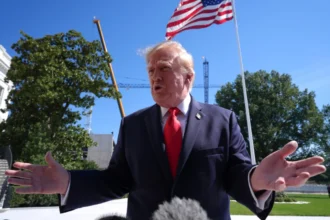
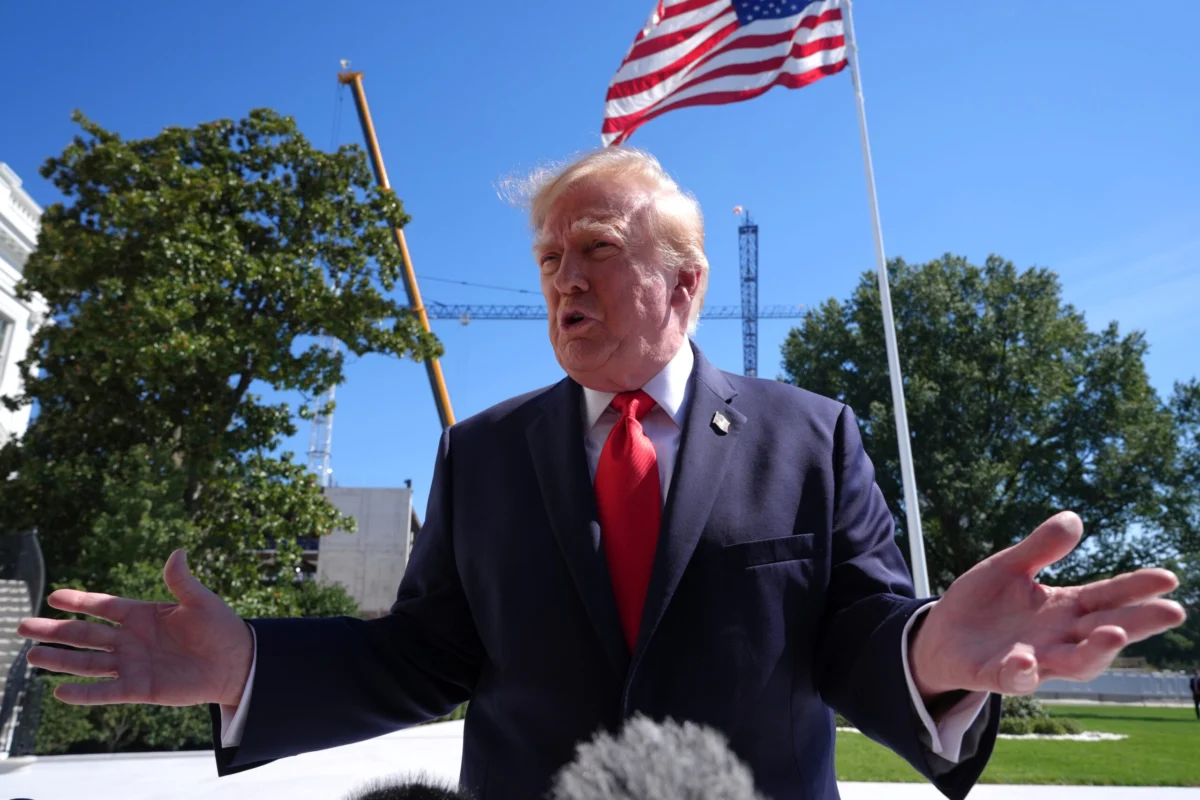
The context for Teodoro’s remarks lies in the recent adjustments to the annual joint military drills between the United States and South Korea. These exercises, designed to enhance interoperability and deter aggression, particularly from North Korea, were notably shortened and had their field training components scaled back. This decision was reportedly influenced by directives from then-U.S. President Donald Trump, who cited his "very good relationship" with North Korean leader Kim Jong Un as a factor in seeking a "substantial reduction" in the scale of the war games.
The Ulchi Freedom Shield, a cornerstone of U.S.-South Korea joint military training, concluded six days ahead of its originally scheduled end date. This reduction in the intensity and duration of the drills has been a subject of considerable debate among security analysts and regional partners, raising questions about the long-term implications for deterrence against North Korea and broader regional stability.
The rationale provided for the drill reductions also touched upon broader geopolitical considerations. Trump had linked the decision to South Korea’s stance at the time regarding an initiative in the Strait of Hormuz, indicating a transactional approach to security alliances. While South Korea’s presidential office later clarified that no decisions had been made regarding contributions to freedom of navigation operations in the Strait of Hormuz, the initial discussions highlighted a potential divergence in strategic priorities.
The situation was further complicated by the ongoing diplomatic dance between the U.S. and North Korea. Following Trump’s assertion that he planned to meet with Kim Jong Un later that year, Kim Yo Jong, the North Korean leader’s sister, issued a statement denying any ongoing high-level communication and reiterating Pyongyang’s perception of a "hostile" U.S. policy. This complex interplay of signals and counter-signals underscores the volatile nature of the Korean Peninsula’s security environment.

Amidst these developments, a significant trilateral military exercise involving the United States, South Korea, and Japan is scheduled to commence. The five-day "Freedom Edge" drills will take place in waters east and south of South Korea’s Jeju Island. This exercise is explicitly designed to bolster collective defense capabilities and respond to the persistent nuclear and missile threats posed by North Korea, while also aiming to promote regional peace and stability.
South Korea’s military has emphasized the defensive nature of the Freedom Edge exercise, framing it as a necessary measure to counter Pyongyang’s provocations and enhance regional security. However, North Korea has historically reacted with strong condemnation to such joint drills, labeling them a "reckless show of strength" that reflects the "confrontational stance" of its adversaries. Pyongyang has also interpreted these exercises as part of a broader U.S. strategy to encircle China and exert pressure on Russia.
The increased assertiveness of China in the Indo-Pacific region, coupled with evolving U.S. military posture and the persistent threat from North Korea, creates a complex and dynamic security environment. The Philippines, as a key U.S. ally with a direct stake in maritime security, is keenly observing these developments. Secretary Teodoro’s warning serves as a critical reminder of the interconnectedness of regional security dynamics and the potential for China to capitalize on any perceived wavering of allied resolve.
The implications of China potentially reasserting itself are far-reaching. In the South China Sea, this could translate to intensified reclamation activities, increased naval and coast guard presence, and further harassment of fishing and energy exploration activities by other claimant states. Such actions would not only violate international law and the UN Convention on the Law of the Sea (UNCLOS) but also threaten freedom of navigation and overflight, critical for global trade and commerce.
For the United States, the perceived reduction in joint drills with South Korea could be interpreted by China as a signal of diminished U.S. commitment to regional security. This could embolden Beijing to pursue its objectives more aggressively, potentially leading to miscalculations and increased risk of conflict. Maintaining a credible deterrent presence and demonstrating unwavering support for allies are therefore paramount in preventing such escalations.
The impact on regional stability cannot be overstated. A more assertive China could further destabilize maritime routes, disrupt economic activities, and potentially trigger a regional arms race as nations scramble to bolster their defenses. The delicate balance of power in the Indo-Pacific is a crucial factor in maintaining global economic prosperity and political stability, and any significant shift could have ripple effects worldwide.
The public impact of these geopolitical maneuvers is often indirect but significant. Increased regional tensions can affect investor confidence, disrupt supply chains, and potentially lead to higher defense spending, which can divert resources from other critical areas such as social welfare and economic development. For citizens in countries like the Philippines, the constant threat of territorial incursions and the need for robust national defense are a daily reality.
The current geopolitical climate necessitates clear communication and coordinated action among allies. While the U.S. has provided assurances to the Philippines, the actual implementation of security cooperation and the visible projection of deterrence capabilities will be crucial in shaping China’s calculus. The upcoming trilateral drills with Japan are a positive step, signaling a united front against regional threats.
However, the underlying concerns articulated by Secretary Teodoro highlight the need for a sustained and comprehensive strategy to address China’s growing influence. This strategy must encompass not only military deterrence but also diplomatic engagement, economic cooperation, and efforts to counter disinformation campaigns. The Asia-Pacific region remains a critical theater for global security, and any misstep in managing these complex dynamics could have profound and lasting consequences. The strategic adjustments in joint military exercises, while potentially aimed at specific diplomatic objectives, carry inherent risks that regional players like the Philippines are keenly aware of.