Havana, Cuba – Cuban Foreign Minister Bruno Rodríguez declared Monday that the island nation is not engaged in any negotiations with the United States, a stance reiterated as the Trump administration continues its intensified campaign of economic pressure. The announcement came as Cuba released its latest grim assessment of the economic toll exacted by the enduring U.S. embargo, reporting record losses and describing the ongoing impact of sanctions as "genocidal."
Mounting Economic Devastation Under U.S. Sanctions
The U.S. embargo, a comprehensive economic, commercial, and financial blockade first imposed following Fidel Castro’s communist revolution in 1959, has inflicted an estimated $8 billion in damages on Cuba’s economy between March 2025 and February 2026. This figure represents the highest annual loss yet recorded, a stark seven percent increase compared to the preceding reporting period. Foreign Minister Rodríguez emphasized that this substantial sum does not even account for the most recent punitive measures implemented by Washington.
These newer sanctions, which include significant restrictions on the island’s energy supply introduced in January and secondary sanctions enacted in May, have exacerbated Cuba’s already precarious economic situation. Rodríguez described the U.S. policy as one of "economic asphyxiation," a deliberate strategy aimed at crippling the Cuban economy and undermining its sovereignty.
The Human Cost of an "Energy Siege"
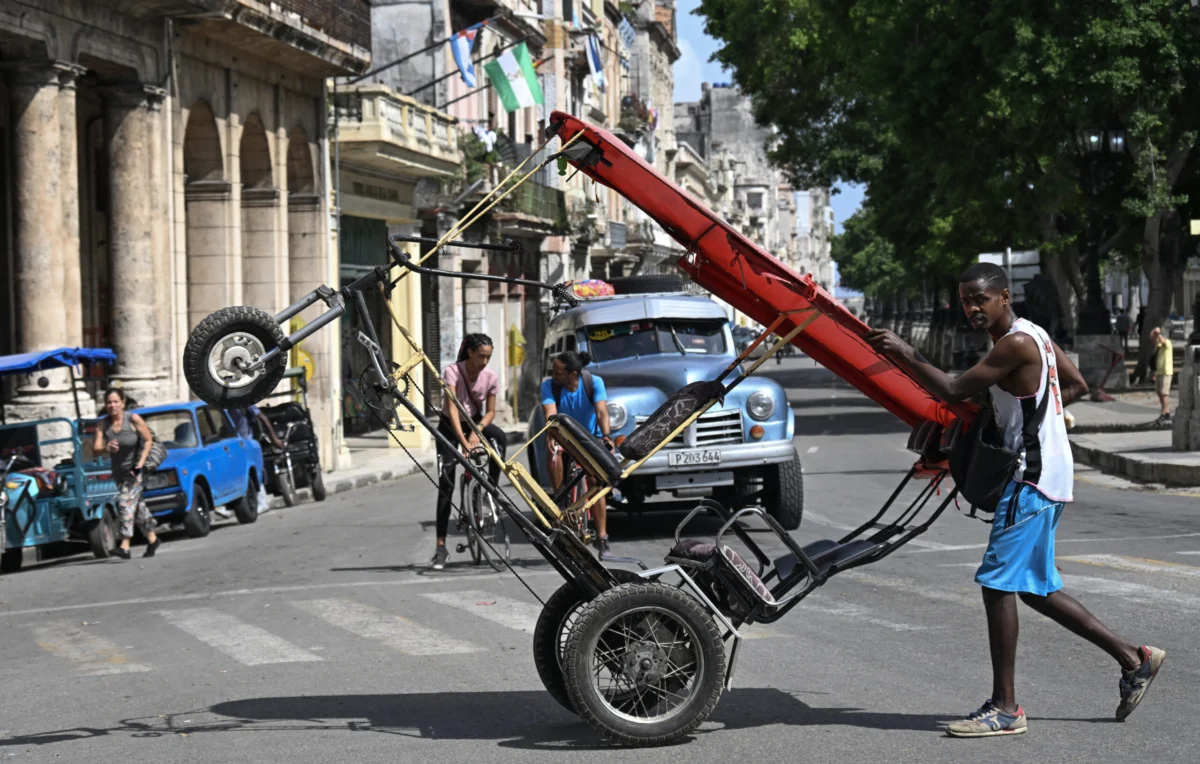
The repercussions of these economic sanctions are felt acutely by ordinary Cubans, particularly in the form of relentless and punishing blackouts. Rodríguez painted a vivid and distressing picture of daily life under these conditions, reporting that many households are experiencing only two to three hours of electricity per day, if that. This chronic lack of power has a cascading effect, leading to widespread food spoilage due to the inability to use refrigeration.
Families are struggling to cope with the oppressive heat, with parents fanning infants in sweltering homes. Children are attempting to complete their schoolwork in darkness, a significant impediment to their education and future prospects. Young people are also facing restricted access to the internet, a vital tool for communication, information, and economic opportunity in the 21st century.
"All family life [is] damaged," Rodríguez stated, underscoring the pervasive disruption to the fabric of Cuban society. He asserted that Cuba poses no threat to the United States, but rather the ongoing blockade itself constitutes the true danger. This situation, he argued, amounts to "collective punishment," a direct consequence of what he termed a U.S. "energy siege" and an "extreme tightening of the blockade."
A History of Sanctions and Strained Relations
The current intensification of U.S. pressure marks a significant escalation in the long-standing diplomatic and economic antagonism between the two nations. While there were brief periods of détente and official talks earlier in the current administration, these channels of communication have since been severed. The Trump administration’s approach has been characterized by a sustained effort to isolate Cuba and exert maximum pressure, reversing some of the policy shifts enacted by previous U.S. administrations.
The decades-old U.S. embargo remains one of the most comprehensive and long-standing economic sanctions regimes in modern history. It has consistently been cited by successive Cuban governments as the primary obstacle to the island’s economic development and a major contributor to the shortages and hardships experienced by its population. U.S. administrations have historically justified the embargo as a tool to promote democracy and human rights on the island, a rationale consistently rejected by Havana.
International Arena: The UN Vote Looms
The ongoing diplomatic struggle is set to play out once again on the international stage. Foreign Minister Rodríguez confirmed that the United Nations General Assembly will convene on October 27 and 28 to consider its annual resolution calling for an end to the U.S. embargo. This resolution has historically garnered overwhelming support from the vast majority of UN member states, with only the United States and, in recent years, Israel, voting against it.
Cuba anticipates "overwhelming support" for its resolution once again, despite accusations that Washington is employing "extraordinary pressure and intimidation" on other member states to influence their vote. This annual vote serves as a significant barometer of international opinion on the U.S. embargo and Cuba’s isolation.
Broader Implications of the Blockade
The economic ramifications of the U.S. blockade extend beyond direct financial losses. It creates significant hurdles for Cuba in accessing international markets, securing financing, and attracting foreign investment. The fear of secondary sanctions discourages third-country businesses from engaging in trade or investment with Cuba, further limiting its economic options.
The consistent U.S. pressure also impacts Cuba’s ability to procure essential goods, including medicines and medical supplies, although the U.S. government often argues that humanitarian goods are exempt. However, the complexities of financial transactions and the broad scope of sanctions can still create de facto barriers.
The chronic energy shortages, a direct consequence of the intensified blockade, also have profound implications for Cuba’s productive capacity across various sectors, including agriculture, tourism, and industry. Without reliable power, manufacturing processes are disrupted, agricultural yields can be affected, and the crucial tourism sector, a key source of foreign exchange, can suffer from inadequate infrastructure and service disruptions.
Public Impact and Resilience
The human cost of the "genocidal" blockade, as described by Rodríguez, is immeasurable. The daily struggles for basic necessities like electricity and food create a pervasive sense of uncertainty and hardship for the Cuban people. The emotional and psychological toll of living under such constant strain is significant, impacting family life and community well-being.
Despite these immense challenges, the Cuban government and its people have demonstrated remarkable resilience and adaptability. Over decades, Cuba has developed strategies to cope with scarcity and has sought to foster self-sufficiency in various sectors. However, the current level of U.S. pressure, particularly the targeting of the energy sector, presents an unprecedented challenge to these coping mechanisms.
The government’s firm stance against negotiation under duress reflects a long-held principle of defending national sovereignty and rejecting external pressure. This approach, while potentially prolonging the economic hardship, is rooted in a deep-seated commitment to self-determination. The upcoming UN vote will once again highlight the international community’s perspective on this enduring geopolitical standoff.