During a recent broadcast, veteran co-host Whoopi Goldberg sternly addressed The View‘s live audience, admonishing them for their audible groans and boos directed at Senator Ted Cruz. The incident occurred on the Wednesday, September 9, episode as Goldberg announced the Texas Senator’s upcoming appearance, momentarily halting the show to reassert the program’s long-standing commitment to respectful dialogue, regardless of political differences.
Background of The View‘s Enduring Platform
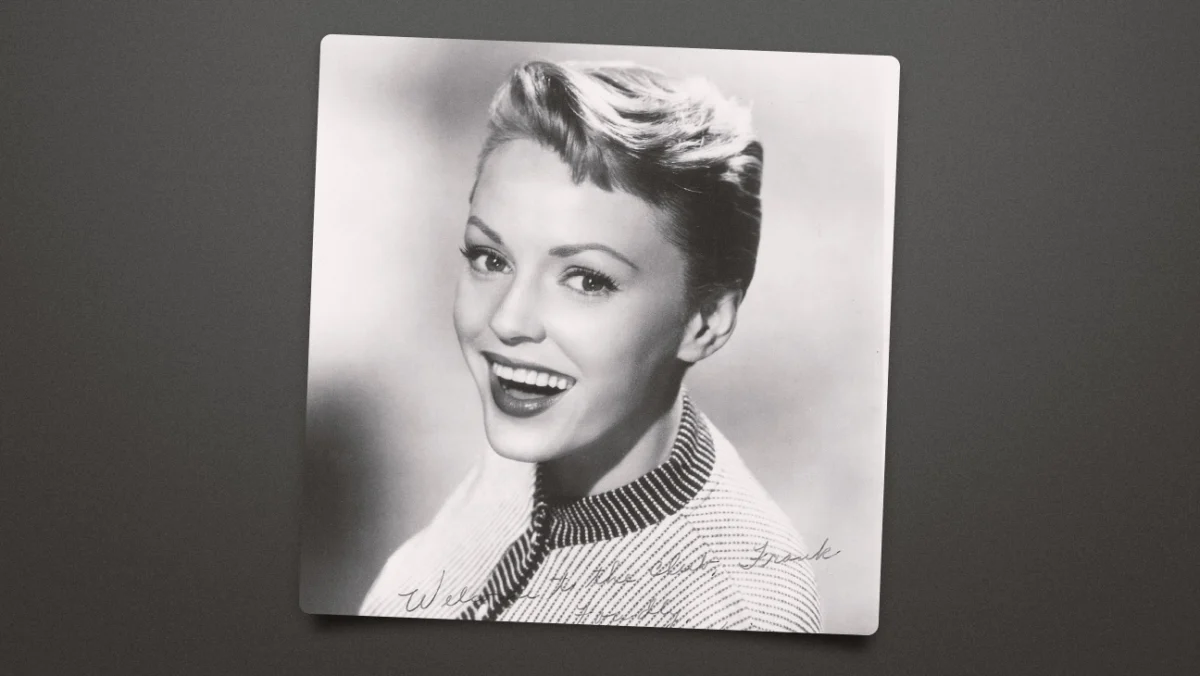
The View, now in its 30th season, has long served as a prominent platform for discussions spanning politics, pop culture, and social issues, often featuring spirited debates among its diverse panel of co-hosts. Created by broadcast legend Barbara Walters, the show was conceptualized as a forum where women from different generations and backgrounds could share their perspectives. A core tenet of Walters’ vision was to foster an environment where guests, particularly political figures, could engage in substantive conversations, even when their viewpoints diverged sharply from those of the hosts or the audience. This principle has occasionally put the show’s hosts in the position of mediating audience reactions, particularly during segments involving controversial political personalities.

In an increasingly polarized media landscape, The View‘s live format frequently captures the raw emotions of its audience. The show often invites politicians from across the political spectrum, recognizing the importance of providing a diverse array of voices to its predominantly liberal viewership. This approach, while fostering robust debate, inevitably leads to moments of tension, where audience sentiment clashes with the on-air expectations of decorum. The September 9 incident involving Whoopi Goldberg and The View‘s audience reactions to Ted Cruz underscored this delicate balance, highlighting the challenges of maintaining a space for dialogue amidst deeply entrenched political divides.
The Incident: Whoopi Goldberg Scolds The View’s Live Audience
The episode in question began with Whoopi Goldberg announcing Senator Ted Cruz’s impending appearance. Cruz was scheduled to join the show as a guest before heading to the Republican National Convention later that same day. As his name was uttered, a distinct wave of boos and groans rippled through the studio audience. Goldberg, known for her candid and direct approach, immediately recognized the need to intervene. Without hesitation, she raised her hand, silencing the crowd and asserting her authority.
"Nuh-uh, no, no, no. You know what? Look…" Goldberg stated firmly, her voice cutting through the lingering dissent. She then invoked the legacy of the show’s late creator, Barbara Walters, reminding the audience of the foundational principles that govern the program. "This is a place where Barbara Walters made sure that anybody who wanted to come and have a good conversation could come. So we want people to come, and we want to engage them." Her remarks served as a clear directive, emphasizing that while disagreements are expected and even encouraged, disrespect is not.

Goldberg continued, "We don’t agree with them always. We don’t jell with them always, but we are respectful and I know you will be too. I know you will." She concluded her impromptu lesson in audience etiquette with a characteristic touch of humor, quipping, "Sometimes you know stuff… it’s like a burp. It comes up and so just swallow it back down." This lighthearted yet firm admonition served to underscore the seriousness of her message while defusing potential further tension, allowing the show to proceed.
Ted Cruz and Co-Hosts Engage in Economic Debate
Despite the initial audience friction, the segment featuring Senator Ted Cruz and The View co-hosts proceeded with a generally amicable, albeit predictably spirited, discussion. The exchange, however, clearly highlighted the stark ideological differences often present on the show. A particularly illustrative moment occurred when Cruz was asked to evaluate former President Donald Trump’s economic performance. His response, "I would give him an A," immediately drew a reaction from the panel.
Co-host Joy Behar, a vocal critic of Trump, playfully interjected, "No. No, come on. Come on, it’s us. It’s just us." Her remark highlighted the informal yet often confrontational dynamic between the hosts and their conservative guests, acknowledging the perceived partisan leanings of the show. Cruz, accustomed to such exchanges, responded by acknowledging the panel’s differing views. "I recognize that the day he came in, you guys didn’t like him, and you still don’t like him," he said. "That’s okay. That’s the beauty of democracy. You can have different views." This exchange, while tense, remained within the bounds of civil discourse, illustrating the very principle Whoopi Goldberg had just reinforced with the audience.

Broader Implications: Civility in Polarized Times
Whoopi Goldberg’s intervention during The View‘s live broadcast transcended a simple reprimand; it served as a poignant reminder of the dwindling civility in contemporary political discourse. Her insistence on respect, even for figures with whom one profoundly disagrees, echoed Barbara Walters’ original intent for the show: to be a space for genuine conversation, not just partisan cheerleading or jeering. In an era marked by deep ideological divides and the rapid spread of often inflammatory rhetoric across media platforms, maintaining decorum in a public forum like The View becomes a significant challenge.
The incident underscores the tension inherent in live television, particularly when dealing with political figures. Audiences, often comprised of individuals with strong opinions, naturally react to stimuli. However, Goldberg’s actions highlighted the responsibility of hosts to manage these reactions and uphold a standard of conduct that facilitates dialogue rather than shuts it down. This episode can be seen as a microcosm of the broader societal struggle to engage with opposing viewpoints constructively, reflecting a growing sentiment that mutual respect is a necessary precursor to any meaningful political exchange. Her message resonated beyond the studio walls, prompting discussions about the role of media in modeling appropriate behavior for public engagement.
FCC Scrutiny and the "Equal Time Rule"
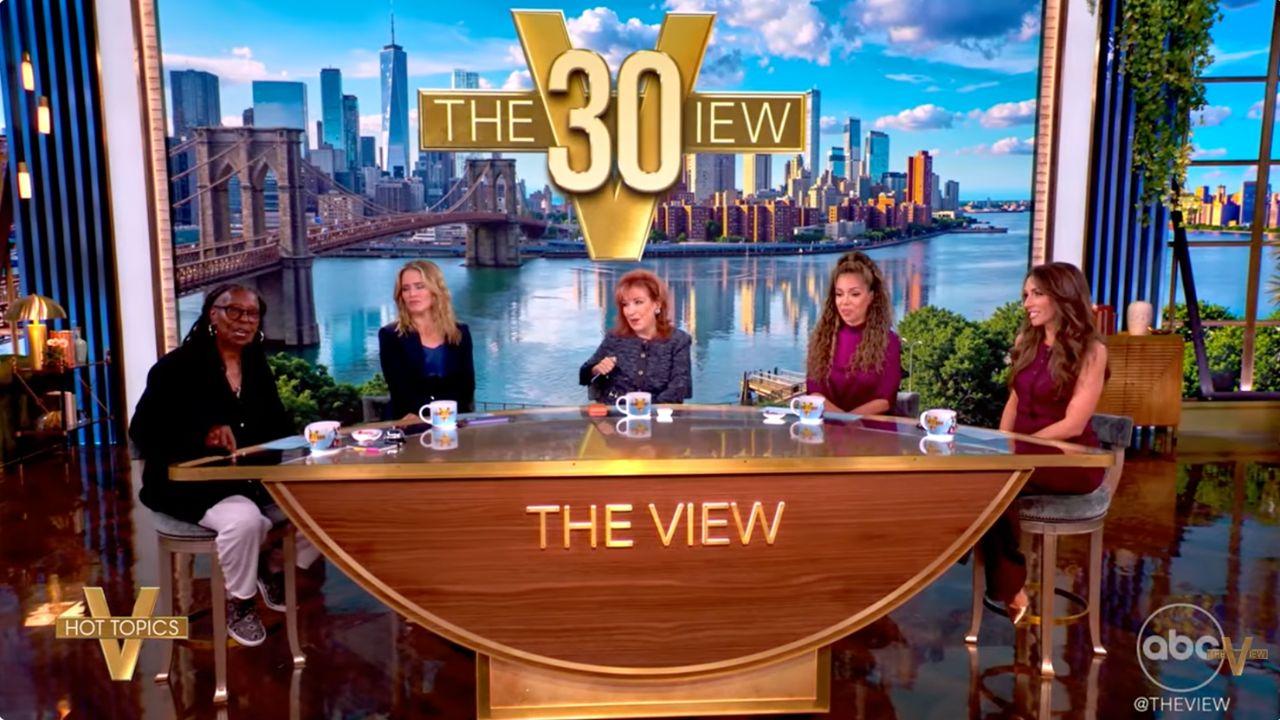
Adding another layer of complexity to The View‘s operational environment, the show has recently been under investigation by the Federal Communications Commission (FCC) regarding its adherence to the "equal time rule." This long-standing broadcast regulation generally requires that if a broadcasting station permits a legally qualified candidate for public office to use its facilities, it must afford equal opportunities to all other such candidates for that office. The investigation, which drew significant media attention, raised questions about The View‘s status as a bona fide news program and its obligations under federal law.
However, Disney, the parent company of ABC, which airs The View, has robustly defended the show’s practices, asserting that it received a "bona fide news exemption" more than two decades ago. This exemption, if valid and applicable, would significantly alleviate the strictures of the equal time rule, allowing the program greater latitude in its choice of political guests and the frequency of their appearances. Disney’s statement emphasized that The View‘s exemption "remains valid, and the constitutional infirmities in the equal time doctrine are even more pronounced today, when the broadcast airwaves account for a slice of the numerous media options through which Americans get their political information."
The company further argued for the rule’s diminished relevance in the modern media landscape: "Indeed, the marketplace of ideas has never been more robust, and people can hear virtually any brand of political commentary by listening to a podcast, watching cable, scrolling social media, or streaming on a phone, computer, or connected TV. The free flow of ideas flourishes on these non-broadcast platforms, even though the equal opportunities rule does not apply there." This defense highlights a critical debate about how traditional broadcast regulations apply to contemporary media, particularly in an age where digital platforms offer an unprecedented array of political information and commentary. The FCC’s investigation into The View thus extends beyond a single show, touching upon the evolving nature of media regulation in the 21st century.
Navigating a Complex Media Landscape
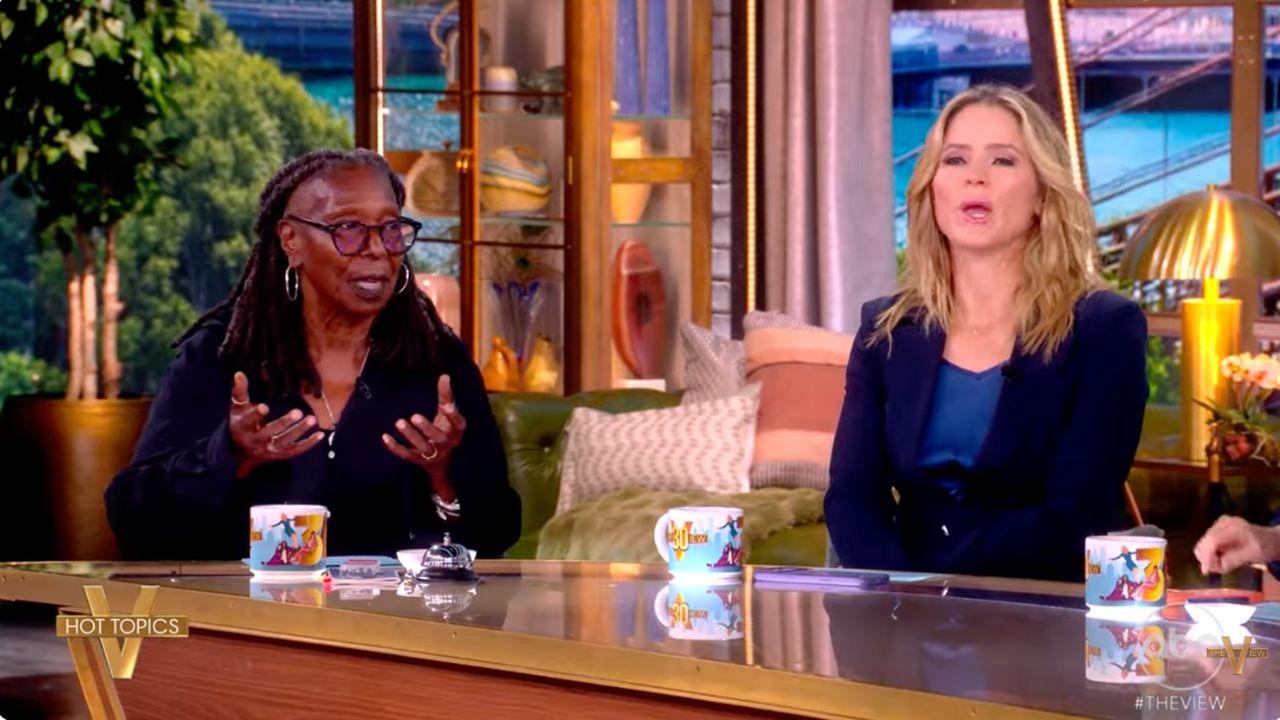
As The View navigates its 30th season, the incident involving Whoopi Goldberg scolding the live audience for booing Ted Cruz, coupled with the ongoing FCC investigation, underscores the multifaceted challenges facing broadcast journalism and political commentary today. Goldberg’s decisive action to uphold the show’s foundational principle of respect for guests, even those with polarizing views, reaffirms the program’s commitment to facilitating dialogue. This stance becomes particularly critical in an environment where partisan divisions frequently spill over into public discourse, often eroding the very foundations of civil engagement.
The confluence of maintaining live audience decorum and adhering to evolving broadcast regulations places The View at a fascinating intersection of media, politics, and public responsibility. The show continues to serve as a high-profile arena where diverse viewpoints clash, often reflecting the broader national conversation. As the media landscape continues its rapid transformation, the balance between fostering robust, uninhibited debate and ensuring a baseline of mutual respect will remain a defining challenge for programs like The View, solidifying its role as a significant barometer of American public discourse.