Filmmaker Reed Van Dyk premiered his latest feature, an Iraq War drama titled Atonement, at the prestigious Toronto Film Festival, drawing immediate and stark parallels between the 2003 conflict depicted in his film and the escalating Iran-U.S. conflict currently unfolding in the Middle East. Van Dyk’s comments, delivered during a post-screening Q&A session at Roy Thomson Hall following the North American premiere, underscored a somber reflection on the cyclical nature of geopolitical tensions and the enduring human cost of warfare. The director articulated a profound sense of dismay, observing how the "ripple effect" of singular, devastating incidents during conflict continues to multiply across subsequent international engagements.
A Timely Premiere at TIFF
The Toronto International Film Festival (TIFF), renowned globally as a launchpad for Oscar contenders and significant independent cinema, provided a prominent platform for Atonement. Van Dyk’s film, a harrowing narrative centered on a U.S. Marine’s quest for forgiveness, resonated deeply with an audience grappling with contemporary headlines. The director expressed that the continuous stream of news concerning Middle Eastern instability, particularly the burgeoning tensions between Iran and the United States, infused his film with an unexpected and unsettling timeliness during its editing phase. "So many years later, I felt these incidents are just multiplying over and over and over again, in every new conflict," Van Dyk stated, his voice heavy with emotion. "That’s left me heavy-hearted. And while the world has changed since I started writing, history repeats. And as we were editing, I was reading headlines that brought new context to the movie." This sentiment echoed a growing public anxiety about the persistent specter of conflict in a region perpetually on edge.
The Genesis of ‘Atonement’: From Reportage to Screen
Atonement is a cinematic adaptation of a compelling 2012 New Yorker article penned by veteran war correspondent Dexter Filkins. Filkins, celebrated for his incisive and empathetic reporting from conflict zones, brought to light the true story that forms the backbone of Van Dyk’s Iraq War drama. His original article detailed the profound moral and psychological aftermath of a specific incident during the chaotic early days of the 2003 U.S. invasion of Iraq, focusing on the journey of Second Lieutenant Lou D’Alessandro. Filkins’ meticulous journalism, characterized by its unflinching portrayal of war’s complexities and its human toll, provided a powerful foundation for a film seeking to explore themes of guilt, trauma, and the elusive nature of reconciliation. The adaptation process from long-form journalism to the big screen demanded a delicate balance, preserving the factual integrity of Filkins’ reportage while crafting a compelling visual narrative that could convey the emotional weight of the real-life events.
The 2003 Iraq War Context
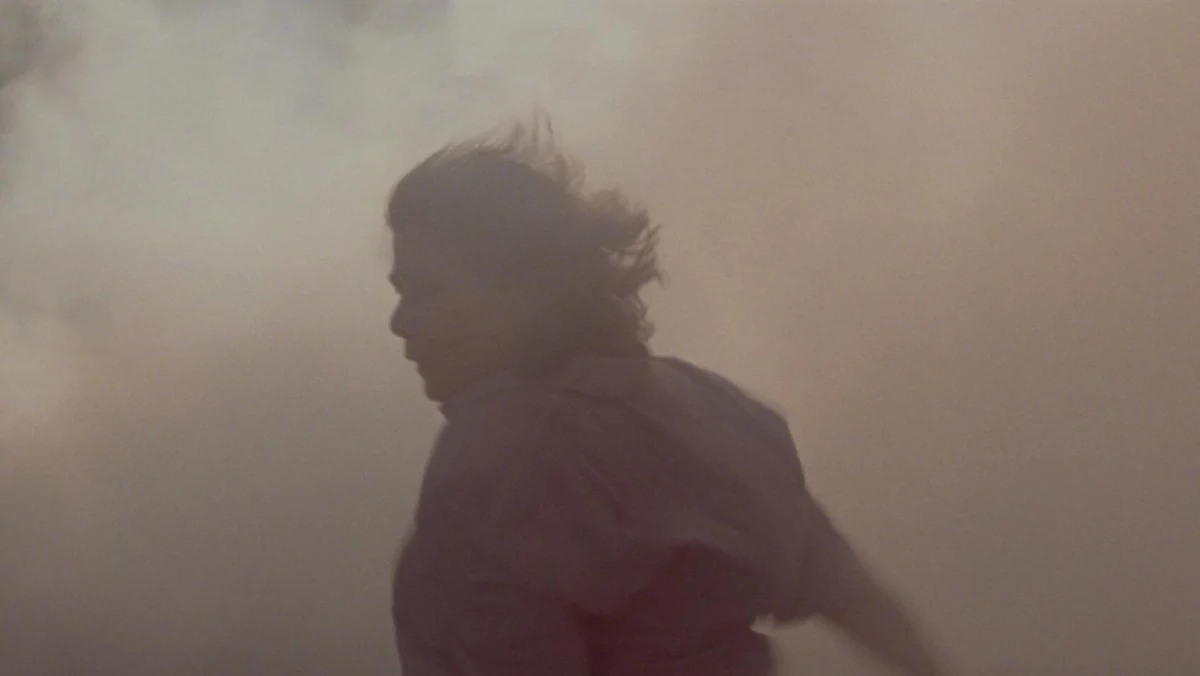
The incident at the heart of Atonement is set against the backdrop of the initial "shock and awe" phase of the Iraq War, a period marked by rapid military advances, widespread destruction, and immense civilian suffering. In 2003, as U.S. forces pushed deeper into Iraq, the line between combatants and non-combatants often blurred, creating a volatile and morally ambiguous environment for soldiers. Second Lieutenant Lou D’Alessandro, portrayed in the film by Boyd Holbrook, found himself in just such a situation. During an intense firefight, in the confusion and sensory overload characteristic of the "fog of war," D’Alessandro’s unit encountered a convoy of civilian cars approaching an intersection. In a tragic misjudgment of threat, D’Alessandro fired upon the vehicles, resulting in the deaths of three men from the Khachaturian family (identified as Kachadoorian in real life). The family, ironically, had been seeking refuge in their home from a bombing that had struck a relative’s residence earlier that fateful day, highlighting the devastating randomness and innocent casualties inherent in modern warfare. This particular incident, while a localized tragedy, became emblematic of the broader civilian experience during the invasion, where ordinary lives were irrevocably altered by military actions.
The Long Shadow of Conflict: PTSD and the Quest for Reconciliation
Over a decade after the traumatic events in Iraq, D’Alessandro’s life remained profoundly shaped by the incident. Back in the United States, he grappled with severe Post-Traumatic Stress Disorder (PTSD) and debilitating panic attacks, common afflictions among veterans who have witnessed or perpetrated violence in combat zones. The film meticulously portrays the internal torment that drives D’Alessandro to seek a path toward healing, not just for himself but for the profound wrong he felt he had committed. His journey leads him to Glendale, California, a city known for its significant Armenian-American population, where the surviving members of the Khachaturian family had resettled. This geographical detail adds a poignant layer of authenticity to the story, reflecting the diaspora created by conflict and the unexpected intersections of lives across continents. D’Alessandro’s arduous quest for reconciliation with those he had harmed represents an extraordinary and challenging step, pushing the boundaries of what is conventionally understood as justice or closure in the aftermath of war.
Artistic Interpretation and Moral Imperatives
Boyd Holbrook’s portrayal of D’Alessandro is central to the film’s emotional impact. Holbrook, known for his intense and nuanced performances, delved deep into the psyche of a damaged war veteran, conveying the profound internal struggle with guilt and trauma. He shared with the Toronto audience his immense respect for servicemen and women, acknowledging the immense psychological burden of navigating the "fog of war" and the isolating challenge of returning home shattered from within. "I just found such a fresh perspective with what this film gave," Holbrook remarked, underscoring the unique insights offered by the narrative.
The film’s most climactic and emotionally charged scenes unfold as D’Alessandro finally comes face-to-face with the Khachaturian family matriarch, Mariam, powerfully portrayed by acclaimed Palestinian actress Hiam Abbass. Abbass, whose distinguished career includes roles that often explore themes of displacement, resilience, and identity in the Middle East, brings a profound authenticity and gravitas to Mariam. Her performance anchors the film’s exploration of forgiveness and the possibility of healing across profound divides. During the Q&A, Abbass articulated a powerful statement about the role of art in society: "We as artists specifically have to keep nagging humanity so maybe those who cause these tragedies will stop one day." This declaration speaks to the film’s broader ambition – not merely to recount a story, but to provoke thought, foster empathy, and perhaps, inspire a collective introspection about the mechanisms and consequences of conflict.
Bearing Witness: The Role of the Journalist and the Artist
Kenneth Branagh, a seasoned actor and director, plays Michael Reid, the New Yorker writer character based on Dexter Filkins. Reid serves as a critical intermediary, facilitating the delicate and fraught reconciliation between D’Alessandro and the Khachaturian family survivors. Branagh described his approach to the role as one of "bearing witness," echoing the core principle of responsible journalism. His character embodies the ethical responsibilities of those who document human suffering and the challenging, often uncomfortable, process of seeking understanding in the face of profound tragedy.
Branagh emphasized the profound silence and concentration in the Roy Thomson Hall during the screening, indicating the audience’s deep engagement with the film’s themes. He noted the palpable sense of "completion of the screenplay and the work," suggesting that the film had successfully conveyed its complex message. The concept of "bearing witness" extends beyond mere observation; it implies a moral obligation to acknowledge suffering and to present difficult truths. In the context of Atonement, it highlights the nuanced distinction between forgiveness and forgetting—a central tension in any post-conflict reconciliation effort. While the film explores the possibility of forgiveness, it simultaneously underscores the indelible nature of past traumas and the collective memory of tragic events.
Echoes of the Past in Present-Day Tensions
The timeliness of Atonement is underscored by Reed Van Dyk’s observation of the striking parallels between the Iraq War drama and the contemporary geopolitical landscape, particularly the simmering Iran-U.S. conflict. The director’s assertion that "history repeats" resonates acutely amidst current events such as renewed sanctions, military posturing in the Persian Gulf, proxy conflicts across the region, and ongoing debates surrounding nuclear agreements. The instability that characterized the 2003 invasion, leading to unforeseen consequences and civilian casualties, serves as a sobering historical precedent for any modern-day escalation. Van Dyk’s film implicitly asks whether the lessons from past interventions and conflicts in the Middle East have truly been learned, or if global powers are condemned to repeat similar cycles of engagement and repercussion. The film becomes a powerful lens through which audiences can examine the long-term impacts of foreign policy decisions and military actions on individual lives and international relations.
The Enduring Power of Cinema
As the Toronto Film Festival concludes on September 20, Atonement stands as a poignant reminder of cinema’s capacity to confront uncomfortable truths and foster empathy. Reed Van Dyk’s Iraq War drama, far from being a mere historical recounting, serves as a contemporary mirror reflecting the human cost of conflict and the complex, often agonizing, path toward healing. The film’s exploration of veteran trauma, civilian suffering, and the elusive quest for reconciliation resonates deeply with a world grappling with ongoing geopolitical instability. By bringing the intimate story of Lou D’Alessandro and the Khachaturian family to the screen, Atonement contributes to a vital dialogue about responsibility, accountability, and the persistent hope for a future where the devastating cycle of "history repeats" might finally be broken. The collective impact of the director, cast, and source material creates a powerful cinematic experience that extends far beyond the festival circuit, offering a compelling narrative that demands reflection long after the credits roll.