Veteran actor Henry Winkler has recently shed new light on the decades-old speculation surrounding his relationship with Tom Hanks, directly attributing their persistent professional distance to his abrupt dismissal as director from the 1989 film Turner & Hooch. Winkler, known for his iconic role as Fonzie on Happy Days, revealed that his inexperience and perceived over-direction during the early stages of the film’s production ultimately led to his firing and a subsequent strain with the movie’s lead star, Tom Hanks. This candid admission comes decades after the incident, offering a rare glimpse into a long-rumored Hollywood dynamic.
A Directorial Debut Cut Short

Winkler’s journey into directing Turner & Hooch, a buddy-cop comedy starring Hanks and a canine companion, was a significant career pivot for the acclaimed actor. Prior to this, Winkler had primarily built his reputation in front of the camera, transitioning from television stardom to a respected acting career. His foray into feature film directing was met with high expectations, particularly given the involvement of a rapidly ascending star like Tom Hanks. However, Winkler’s tenure behind the camera was remarkably brief, lasting less than two weeks before the studio made the decisive move to replace him.
During a recent interview, Winkler reflected on the circumstances surrounding his dismissal, admitting that his insecurity as a first-time feature film director likely contributed to the conflict. He described himself as "talking too much" and providing excessive direction, which he believes "pissed them off" – referring to the film’s star and possibly the production team. This self-assessment paints a picture of a director perhaps overwhelmed by the demands of a major studio production and the pressures of collaborating with a lead actor already establishing himself as a formidable presence in Hollywood.
The Genesis of a Hollywood Rift

The specific clash during the Turner & Hooch production has long been a subject of whispers within Hollywood circles. Winkler’s account suggests a fundamental disagreement over creative control and on-set dynamics. In the high-stakes environment of film production, the relationship between a director and a lead actor is paramount, requiring mutual trust and a shared vision. Winkler’s admission of his own "insecurity" and "over-direction" points to a possible mismatch in styles or expectations that quickly escalated.
His recollection of being summoned to then-Disney executive Jeffrey Katzenberg’s office and informed that his work was "not in the dailies" highlights the immediate and often brutal nature of studio decision-making. "Dailies" are the raw, unedited footage shot each day, reviewed by producers and executives to monitor progress and quality. A director being told their work isn’t satisfactory in the dailies is often a precursor to dismissal, signaling a lack of confidence from the studio in the artistic direction or execution. Winkler vividly recounted the painful experience of gathering his belongings and driving home, having been summarily removed from the project.
Tom Hanks’ Rising Star and Industry Dynamics

In 1989, Tom Hanks was rapidly consolidating his status as a bankable leading man in Hollywood. Fresh off critical and commercial successes like Splash (1984), Big (1988), and Punchline (1988), Hanks was transitioning from a comedic talent to a versatile actor capable of carrying major studio pictures. This period marked a significant turning point in his career, propelling him towards the superstardom he would achieve in the 1990s.
The power dynamics on a film set are complex, especially when a seasoned actor like Winkler is making his directorial debut with a star of Hanks’ caliber. A lead actor with significant clout can influence production decisions, and a perceived clash with a director, particularly one who is new to the role, can often tip the scales in the actor’s favor. While Hanks himself has rarely, if ever, publicly addressed the Turner & Hooch incident in detail, Winkler’s narrative suggests that Hanks’ displeasure with his direction played a pivotal role in the studio’s decision. The film ultimately went on to be directed by Roger Spottiswoode and became a modest box office success, further solidifying Hanks’ star power.
Lingering Questions and Unresolved Tensions
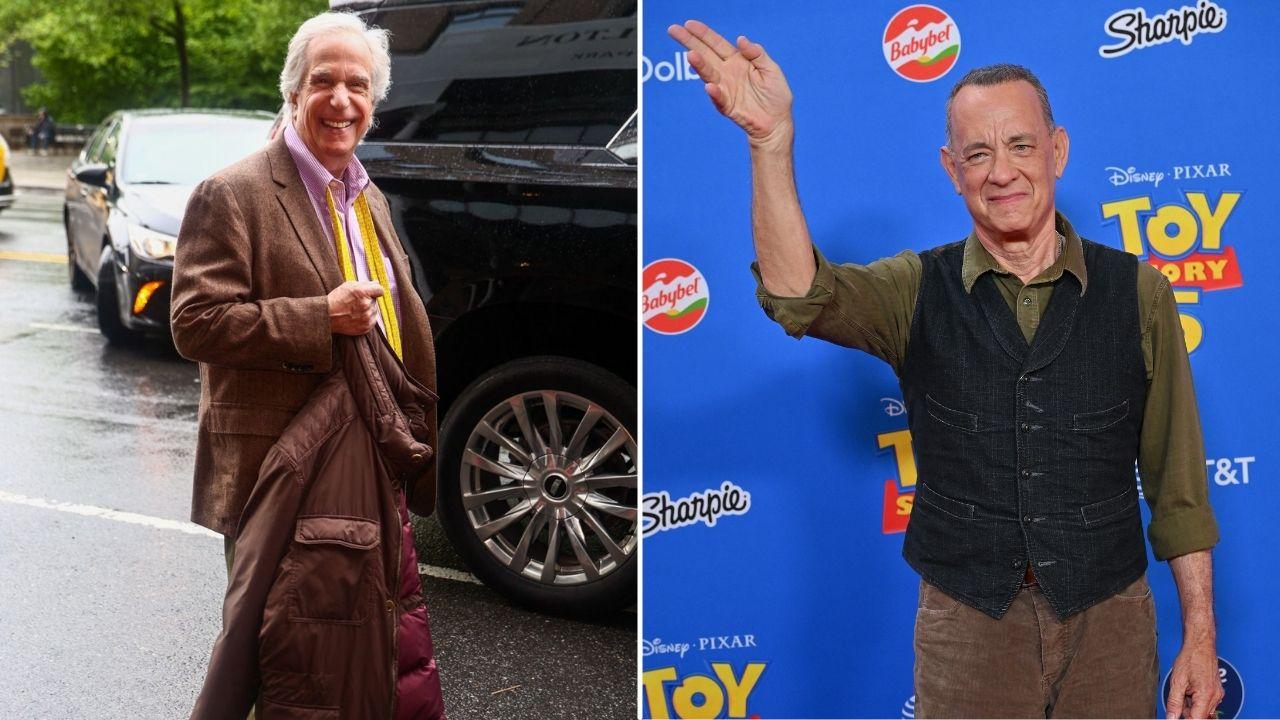
Despite the passage of over three decades, the perceived tension between Winkler and Hanks has remained a topic of fascination. Winkler’s recent comments underscore that for him, the experience of being fired from Turner & Hooch left a lasting imprint. He confessed that he didn’t "handle it well" at the time, indicating the profound personal and professional impact of the event. The incident effectively stalled his nascent feature film directing career, though he would later find success directing television episodes.
Beyond the Turner & Hooch debacle, Winkler also recalled another instance that suggested an ongoing strain: an attempt to secure 60 seconds of Tom Hanks’ footage from his brief appearance on Happy Days for a retrospective special. The permission was denied, an outcome Winkler interpreted as a further indication of unresolved issues. While not a direct confrontation, the denial of archival footage, especially for a tribute to a widely beloved show, reinforced Winkler’s perception of a lingering coolness in their professional relationship.
Public Perception and Hollywood Narratives
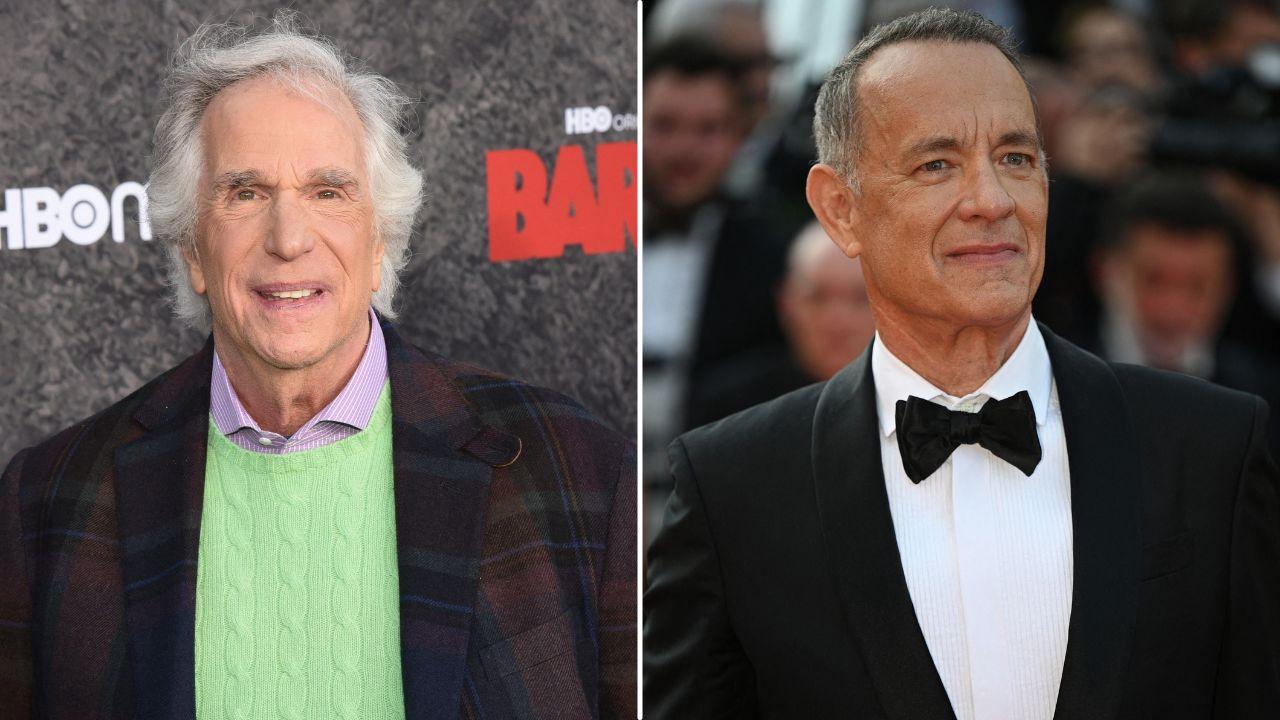
The narrative of a "feud" between Henry Winkler and Tom Hanks has persisted in popular culture, often fueled by the lack of public appearances or collaborations between the two generally well-liked figures. Both actors have cultivated reputations for professionalism and geniality throughout their careers, making the idea of a long-standing animosity particularly intriguing to fans and media alike. Winkler, however, has previously attempted to downplay the notion of a full-blown "feud." In 2020, he told Vanity Fair, "I don’t have a feud with Tom Hanks. What everybody says and what is true are two different things."
His current statements, while still cautious, suggest a deeper, more personal understanding of the underlying causes of the tension. He remains unsure about the full extent of the strain but expressed an openness to reconciliation when asked if their relationship could still repair itself, responding simply, "Sure." This sentiment indicates a desire to move past the decades-old incident, acknowledging its impact while perhaps hoping for a future where the two celebrated actors can put the past behind them.
Beyond the Director’s Chair: Winkler’s Enduring Legacy
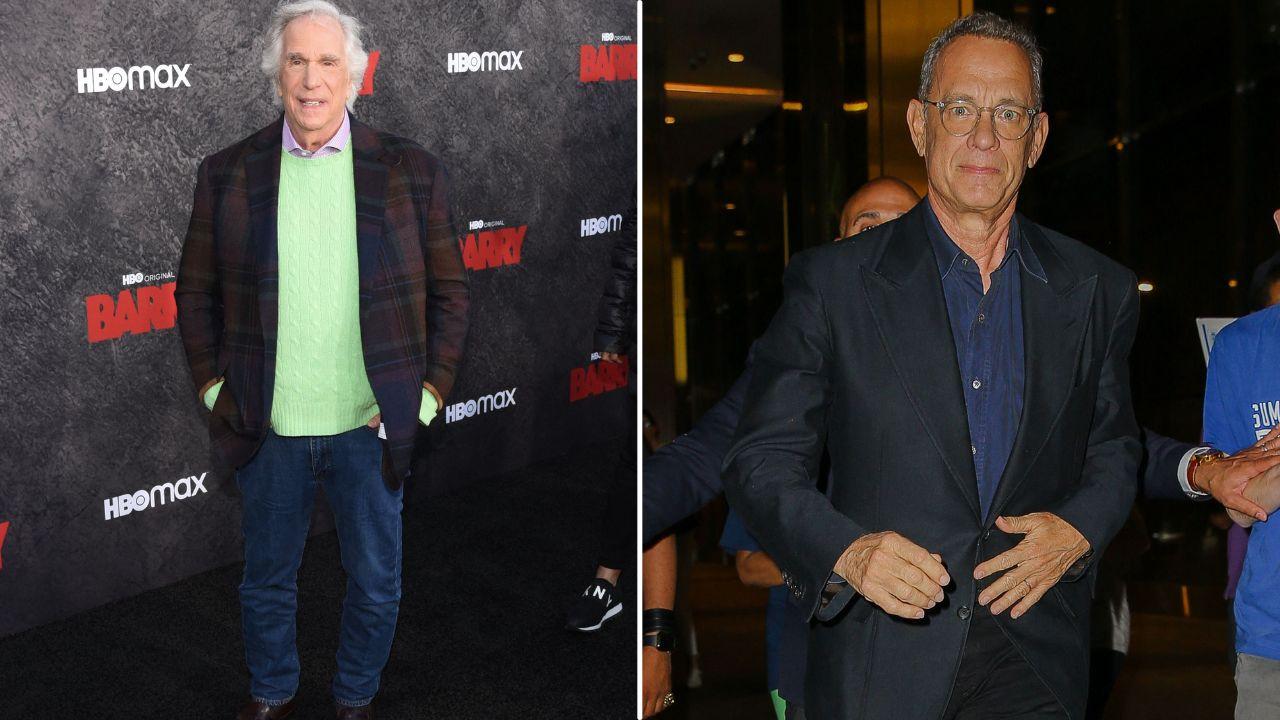
Despite the setback of Turner & Hooch, Henry Winkler’s career has flourished, demonstrating remarkable resilience and versatility. From his iconic role as Arthur "Fonzie" Fonzarelli, which defined a generation, he has continued to evolve as an actor, earning critical acclaim for his work in diverse projects, including the hit HBO series Barry. His performance in Barry earned him an Emmy Award, cementing his status as a respected and enduring figure in entertainment.
Winkler’s recent public engagements also highlight his continued connection with fans. During an autograph signing event, he notably engaged with an admirer who presented a coffin for him to sign. Winkler, with characteristic good humor, penned "Rest in Peace" on the unusual keepsake, showcasing his enduring appeal and ability to connect with the public in unexpected ways. This anecdote, while distinct from the Hanks tension, underscores Winkler’s continued presence and unique charm in the public eye.
The ongoing conversation about the Turner & Hooch incident serves as a reminder of the personal cost of professional setbacks in Hollywood and the long shadow that early career experiences can cast. Winkler’s willingness to speak candidly about his past insecurities and the origins of his tension with Tom Hanks provides valuable insight into the often-hidden complexities of celebrity relationships and the enduring power of a story that has captivated fans for decades. The question of whether this renewed openness might pave the way for a genuine reconciliation between the two remains, for now, unanswered.