The 59th season premiere of the venerable CBS news magazine ‘60 Minutes’ will feature a high-stakes investigative segment probing the controversial use of presidential pardons during the administration of former President Donald J. Trump. This segment, slated to be the final and arguably most anticipated part of the premiere broadcast, signals an assertive return for the program as it navigates a period of significant internal transition and external scrutiny.
Veteran correspondent Lesley Stahl will anchor the segment, titled “The Pardon Economy,” which promises to delve into the intricate network of lawyers and lobbyists who allegedly capitalized on the clemency process during the Trump presidency. The program’s description highlights the constitutional power of the presidential pardon, a prerogative exercised by U.S. presidents since George Washington, but posits that its application under Trump may have generated unprecedented controversy. Stahl and her team, including producers Shachar Bar-On and Michael Kaplan, aim to expose the mechanisms and potential influence peddling within this newly described "pardon economy."
The Historical Context of Presidential Pardons
The power to grant pardons and reprieves is enshrined in Article II, Section 2 of the U.S. Constitution, granting the President broad authority to offer clemency for federal offenses. Historically, this power has been viewed as a critical check on the judiciary, allowing for the correction of injustices, the promotion of national unity, or simply an act of mercy. Presidents across the spectrum have utilized this power, from George Washington granting pardons during the Whiskey Rebellion to Abraham Lincoln pardoning Confederate soldiers, and Gerald Ford’s controversial pardon of Richard Nixon. While often politically charged, the traditional process for presidential clemency typically involves a review by the Justice Department’s Office of the Pardon Attorney, which evaluates petitions based on criteria such as the severity of the crime, the petitioner’s rehabilitation, and the impact on victims. This structured approach aims to ensure fairness and prevent abuses of power.
However, the exercise of the pardon power has periodically ignited public debate. President Bill Clinton faced criticism for a flurry of pardons issued on his last day in office, including that of financier Marc Rich, whose ex-wife had made significant donations to Democratic causes. These instances, while controversial, often revolved around questions of influence and political connections, foreshadowing the heightened scrutiny that would later be directed at the Trump administration’s actions.
The Controversy Surrounding Trump Pardons
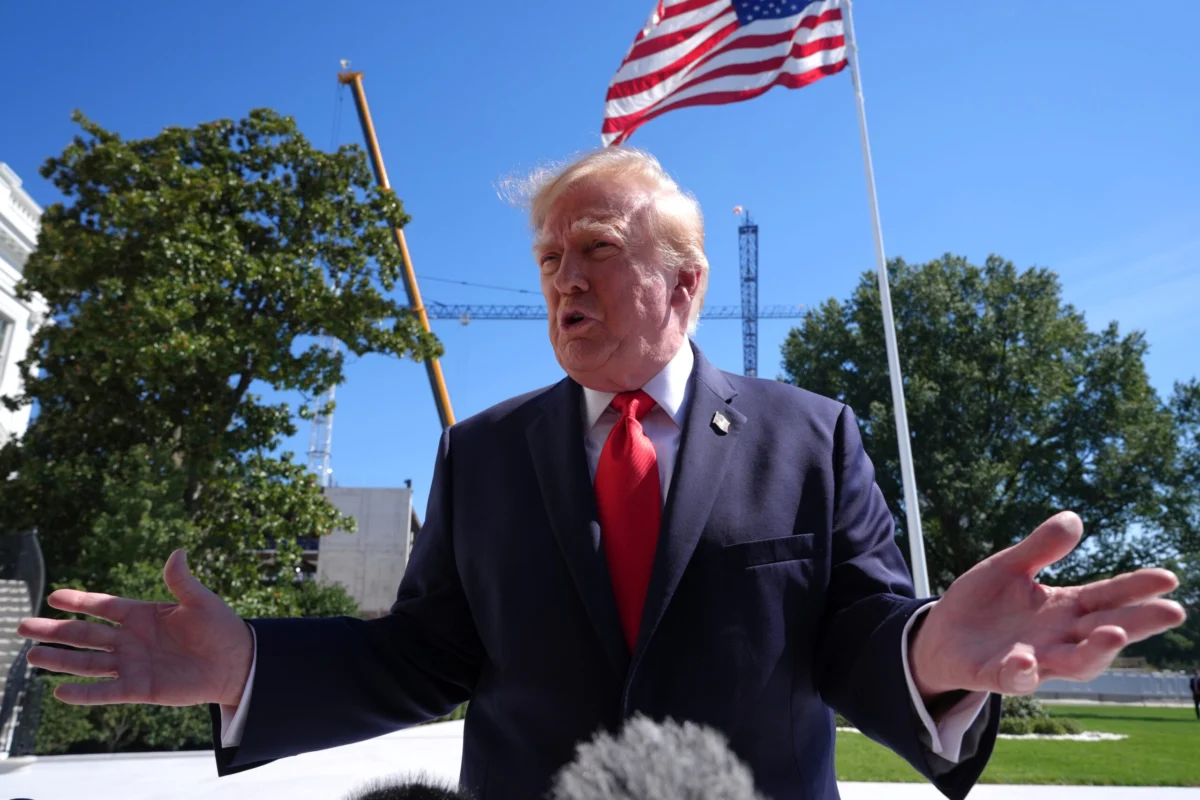
During his single term, former President Donald Trump issued 237 pardons and commutations. While some of these followed traditional recommendations, a significant number bypassed the Justice Department’s established channels, drawing widespread condemnation and raising questions about the motivations behind them. Many of these grants of clemency went to political allies, personal associates, or individuals whose cases had been championed by prominent figures connected to the White House.
Among the most high-profile and controversial recipients were figures like Roger Stone, Trump’s long-time political strategist convicted of lying to Congress and witness tampering; Michael Flynn, Trump’s former National Security Advisor who pleaded guilty to lying to the FBI; Paul Manafort, his former campaign chairman convicted of financial fraud; and Steve Bannon, another former White House strategist indicted on fraud charges related to a border wall fundraising scheme. Others included Bernard Kerik, a former New York City police commissioner who had served time for tax fraud and false statements, and Joe Arpaio, the former Arizona sheriff convicted of criminal contempt for defying a court order in an immigration case.
Critics argued that these actions undermined the rule of law, rewarded loyalty over justice, and sent a message that political connections could trump legal accountability. Legal scholars and ethics watchdogs expressed concern that the pardons appeared transactional, potentially used as a shield for those who refused to cooperate with investigations or as a reward for personal fealty. This pattern of clemency decisions contributed to the perception that the pardon power, intended as an instrument of justice, was being wielded as a tool of political patronage.
Investigating the Pardon Economy
The ’60 Minutes’ segment, "The Pardon Economy," aims to unpack the alleged ecosystem that emerged around these unconventional pardon grants. This "economy" reportedly involved a network of well-connected lawyers, lobbyists, and political operatives who marketed their proximity to the White House as a means to secure clemency for clients. Reports from various media outlets during the Trump administration detailed instances where individuals sought exorbitant fees, sometimes hundreds of thousands of dollars, to connect petitioners with influential figures who could then advocate directly to the President or his inner circle.
This shadowy process stood in stark contrast to the transparent, merit-based system traditionally overseen by the Justice Department. The segment is expected to explore how these facilitators operated, the sums involved, and the ethical dilemmas posed by a system where access and influence potentially superseded the established legal and ethical considerations for granting clemency. The investigation could highlight how a constitutional power designed for justice became entangled in a web of commercial interests and political maneuvering, raising fundamental questions about transparency, accountability, and the integrity of the presidential office.
’60 Minutes’ in Transition and Under Scrutiny
The premiere of the 59th season arrives at a pivotal moment for ’60 Minutes’. The venerable news program has recently undergone significant changes, including a notable exodus of talent, both voluntary departures and forced ones, which has left the institution in flux. Nick Bilton, the new executive producer, faces the challenge of revitalizing the show while upholding its legacy of incisive investigative journalism. He is working with a core of returning correspondents, including Stahl, Bill Whitaker, Jon Wertheim, and Norah O’Donnell, alongside a handful of new hires, to redefine the program’s direction and ensure its continued relevance in a rapidly evolving media landscape.
The choice to lead with a segment on the Trump pardons is a strategic move, signaling the program’s intent to tackle high-impact political stories that resonate with a broad audience. However, any segment focusing on former President Trump inevitably attracts intense scrutiny. Trump himself has a contentious history with CBS News and ‘60 Minutes’, having previously sued the network over an interview with then-Vice President Kamala Harris. This history ensures that the upcoming segment will be dissected not only for its journalistic merit but also for its perceived political leanings.
Former CBS News chief Wendy McMahon, anticipating the premiere, had optimistically declared it would be a "banger," expressing confidence that the show would "put its best foot forward to try and set the tone." She also presciently noted that "shows three, four, and five could get quite interesting," acknowledging the ongoing challenge of maintaining momentum and delivering compelling content consistently.
A Broader Look at the Premiere Lineup and Future Directions
While the segment on Trump pardons is poised to dominate headlines, the premiere episode also features other significant stories. Jon Wertheim will present a profile of the Los Angeles Rams and their coach Sean McVay, offering a glimpse into the world of professional sports. Norah O’Donnell will deliver an exclusive interview with a U.S. pilot who was shot down and rescued in Iran, a human-interest story with international implications. This diverse lineup reflects the traditional ’60 Minutes’ format, balancing hard-hitting investigations with cultural and human interest narratives.
For now, the program is relying on the experience and familiarity of its veteran correspondents. Lesley Stahl, with her decades of experience and reputation for tough interviews, is a natural choice to lead such a politically charged investigation. However, Bilton has hinted at future changes, indicating a desire to introduce new elements such as hidden camera investigations and potentially end-of-show segments featuring commentary or debate. These planned innovations suggest an effort to modernize the program and appeal to contemporary viewing habits, while still grounding its identity in rigorous reporting.
The “Pardon Economy” segment on ’60 Minutes’ is set to re-ignite national discussions about the boundaries of presidential power, the ethics of political influence, and the critical role of investigative journalism in holding the powerful accountable. As the program embarks on its 59th season, this high-profile investigation serves as a potent reminder of its enduring mission and its capacity to shape public discourse.