The Tooro kingdom in western Uganda observed a historic transition of power this week as King Oyo Nyimba Kabamba Iguru Rukidi IV was laid to rest at the Karambi Royal Tombs, clearing the path for his successor, veteran news anchor Edward Rukidi Kijanangoma. The burial ceremony, held exactly 31 years to the day after Oyo’s own coronation, aimed to provide a definitive conclusion to a period of intense mourning and a high-stakes internal succession dispute that had threatened the stability of one of Uganda’s most prominent traditional institutions.
Thousands of mourners lined the streets of Fort Portal, the kingdom’s capital, to witness the funeral procession as royal guards, dressed in traditional orange shawls, escorted the hearse through the city. The atmosphere was a mixture of somber reflection and anticipation for a new era, as the kingdom moved to reconcile the legacy of a monarch who spent nearly his entire life in the global spotlight with the practical realities of a modernizing traditional state.
The formal handover of power was crystallized during the burial rites when Edward Rukidi Kijanangoma, the 56-year-old cousin of the late king and a prominent editor at the state-run Uganda Broadcasting Corporation (UBC), performed the ritual of casting nine coffee berries into the grave. This ancient Tooro tradition signifies the acceptance of responsibility and the continuity of the bloodline, effectively installing Kijanangoma as the new Omukama, or King, of the Tooro people.
The Final Rites at Karambi Royal Tombs
The burial of King Oyo takes place in Uganda as news anchor prepares for throne amidst a complex backdrop of cultural protocol and contemporary legal challenges. The Karambi Royal Tombs, the final resting place for the monarchs of the Tooro kingdom, served as the stage for the final act of Oyo’s reign. The late king, who died at the age of 34 while receiving treatment for cancer in the United States, was interred alongside his royal ancestors in a ceremony that blended Anglican Christian services with centuries-old tribal customs.
During a pre-burial service at the local cathedral, family members and dignitaries reflected on the dual nature of Oyo’s life. His sister, Princess Ruth Komuntale, spoke of the heavy burden her brother carried from a young age, describing him as a man who balanced the immense responsibilities of the crown with a "jovial and reserved" personality. She noted that despite the pressures of the throne, he never lost the playful spirit of the boy who had once captivated the world’s imagination.
The presence of the Archbishop of the Church of Uganda, Stephen Kaziimba Mugalu, underscored the religious significance of the event. Mugalu used his sermon to advocate for peace within the royal family, warning that "words spoken in grief can cause pain, division, and conflict." His plea for unity was a direct reference to the public bickering that had erupted within the royal household following the king’s death, as different factions vied for control over the succession process.
From Toddler King to Global Ambassador: The Reign of Oyo
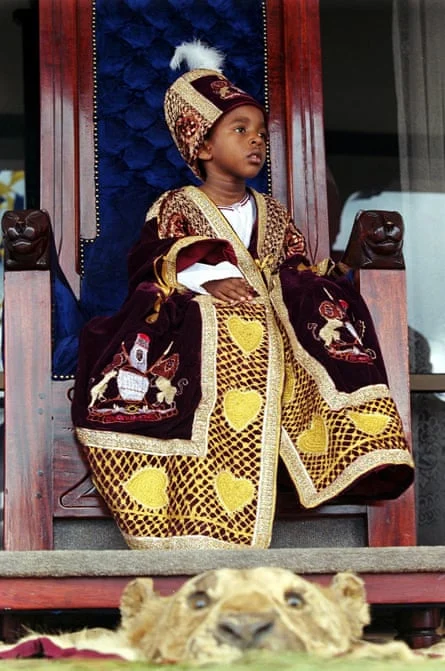
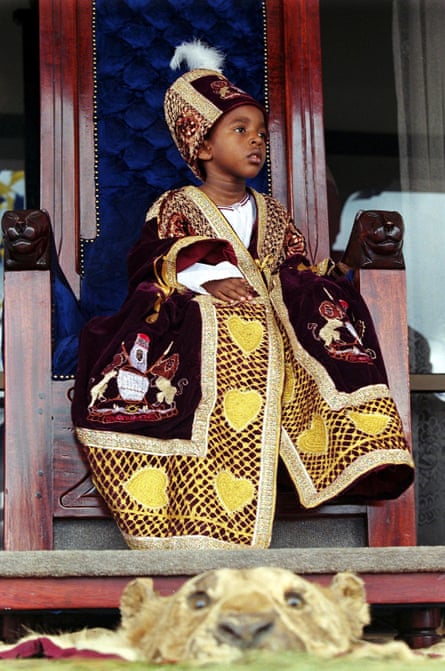
King Oyo’s tenure was unique in the history of modern monarchies. In 1995, following the sudden death of his father, King Patrick Matthew Kaboyo Oliimi VII, Oyo was crowned at the age of three. The images of the toddler king, swathed in oversized royal robes and wearing a heavy gold crown, became a viral sensation long before the advent of social media. For years, he held the Guinness World Record as the world’s youngest reigning monarch, a title that brought significant international attention to the Tooro kingdom.

As he matured, Oyo sought to leverage his global platform for humanitarian causes. He became a prominent United Nations Goodwill Ambassador, focusing his efforts on the fight against HIV and AIDS. His advocacy was particularly influential among Uganda’s youth, where he used his status to promote testing, treatment, and the destigmatization of the disease. His reign was characterized by a commitment to public health and the preservation of Tooro culture, though he often faced criticism for his frequent absences from the kingdom while pursuing education and medical treatment abroad.
Oyo’s international relations were also a point of note, most notably his relationship with the late Libyan leader Muammar Gaddafi. The Libyan colonel, who styled himself as the "King of Kings" of Africa, took a special interest in the young Ugandan monarch, serving as a special adviser and donating significant funds for the refurbishment of the Karambi Palace. This alliance provided the kingdom with financial resources that were otherwise unavailable through the central government’s limited traditional subsidies.
A Kingdom Divided: The Succession Dispute and the Secret Heir
The transition of power was not without significant controversy. While the burial of King Oyo takes place in Uganda as news anchor prepares for throne, a shadow was cast by a bitter dispute over the late king’s will. Shortly after Oyo’s passing, the kingdom’s Prime Minister announced the existence of a secret son, who the late king reportedly wished to succeed him.
This revelation shocked the public, as Oyo had never married and was not known to have any children. The late king’s immediate family members supported the claim of the purported heir, arguing that the king’s private wishes should be honored. However, a powerful committee of the royal clan, the "Babiito," rejected these claims, citing a lack of evidence regarding the child’s paternity and identity.
The committee instead moved to appoint Edward Rukidi Kijanangoma, a choice that was eventually ratified through high-level talks involving the Ugandan central government. Supporters of Kijanangoma argued that the kingdom needed a mature, experienced leader to navigate the current crisis, rather than an unverified minor. The "secret son" narrative was dismissed by many elders as an attempt by certain palace factions to maintain influence through a regency, similar to the one that governed during Oyo’s childhood.
The Rise of the News Anchor: Who is King Edward Rukidi Kijanangoma?
Edward Rukidi Kijanangoma enters the monarchy with a professional background that stands in stark contrast to the ceremonial life of his predecessor. At 56, Kijanangoma is a well-known figure in Ugandan media, having spent decades as a news anchor and editor at the Uganda Broadcasting Corporation. His colleagues describe him as a "quiet, humble, and meticulous" professional who has spent his career documenting the news rather than being the subject of it.
His experience in the media is seen by some as an asset for a modern monarch. In an era where traditional institutions must constantly justify their relevance to a younger, more cynical population, Kijanangoma’s communication skills and understanding of public relations may prove vital. Unlike Oyo, who was thrust into the role as a child, Kijanangoma has lived a relatively private, middle-class life, which supporters believe will make him more relatable to the common citizens of the Tooro kingdom.
The new king inherits more than just a title. The Omukama of Tooro oversees a vast royal estate that includes significant land holdings throughout western Uganda. Additionally, the central government provides a monthly stipend and funding for the maintenance of royal sites, a practice reinstated by President Yoweri Museveni in the 1990s to maintain political stability and cultural heritage.
Traditional Monarchies in a Modern Republic
The events in the Tooro kingdom highlight the unique position of traditional rulers in Uganda. While the country is a republic with an elected president and parliament, the 1995 constitution recognizes several traditional kingdoms, including Buganda, Bunyoro, Busoga, and Tooro. These monarchs are barred from participating in partisan politics but serve as "cultural heads" and custodians of ancestral land and heritage.
The burial of King Oyo takes place in Uganda as news anchor prepares for throne at a time when the role of these kingdoms is under constant scrutiny. For many Ugandans, the kingdoms are essential bulwarks of identity, providing a sense of continuity that predates the British colonial era. For others, particularly the urban youth, the monarchies are seen as expensive relics of the past.
The Tooro kingdom, specifically, has often found itself navigating the friction between traditional expectations and modern governance. The succession battle demonstrated that even within these ancient structures, modern legal and political pressures—such as the need for government approval and the influence of the state media—play a decisive role in who wears the crown.
The Legacy of International Alliances and the Road Ahead
As King Kijanangoma begins his reign, he faces the challenge of maintaining the international profile established by Oyo while addressing the internal fractures of the royal family. The Gaddafi era, which provided a financial windfall for the kingdom, is long over, and the new monarch will likely need to find new ways to fund the kingdom’s developmental projects and the upkeep of its palaces.
The Tooro kingdom is situated in a region with significant tourism potential, including proximity to Kibale National Park and the Rwenzori Mountains. Many local leaders hope that the new king will use his background in media and communication to promote the region as a destination for international investment and tourism, shifting the monarchy’s role from a ceremonial one to an economic catalyst.
The resolution of the succession dispute, spearheaded by the Ugandan government’s intervention, suggests that the state remains committed to the stability of the traditional kingdoms. By backing a mature and established figure like Kijanangoma, the authorities likely hope to avoid the long-drawn-out legal battles that characterized Oyo’s own ascension in the mid-1990s.
The burial of King Oyo takes place in Uganda as news anchor prepares for throne, marking the end of a 30-year chapter that defined a generation of Tooro subjects. While the mystery of the "secret son" may linger in local gossip, the formal rituals performed at Karambi have set the stage for a new era. The transition from the "toddler king" to the "news anchor king" represents a significant shift in the kingdom’s history, moving from the spectacle of a child monarch to the pragmatism of a seasoned professional. The coming months will determine whether King Edward Rukidi Kijanangoma can heal the rifts within his family and lead the Tooro people into a future that honors their past while embracing the demands of the 21st century.