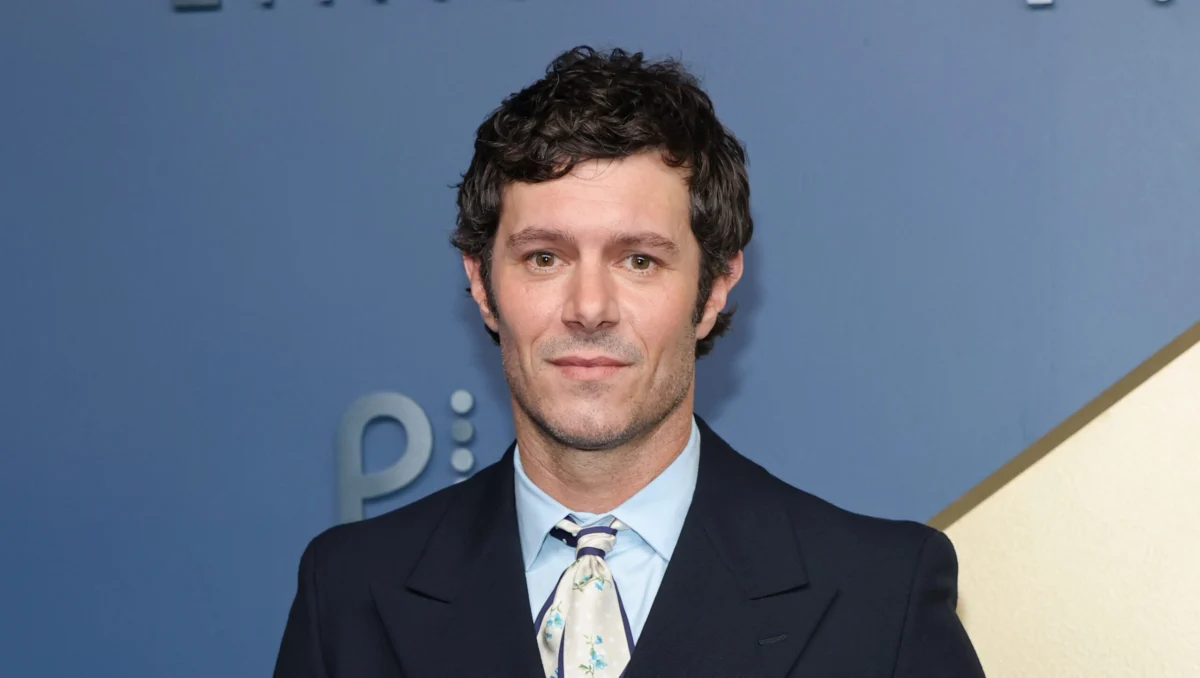
Actor Adam Brody, known for his role in the Netflix series Nobody Wants This, has publicly voiced his support for “a free Palestine” and described the ongoing conflict in Israel and Gaza as a “genocide.” The declaration came during a recent interview with GQ magazine, where Brody also shared his observations on the evolving political landscape within Hollywood. His statements arrive as Netflix prepares for the October 22 release of the third season of his popular Jewish rom-com.
Adam Brody’s Stance on the Israel-Gaza Conflict
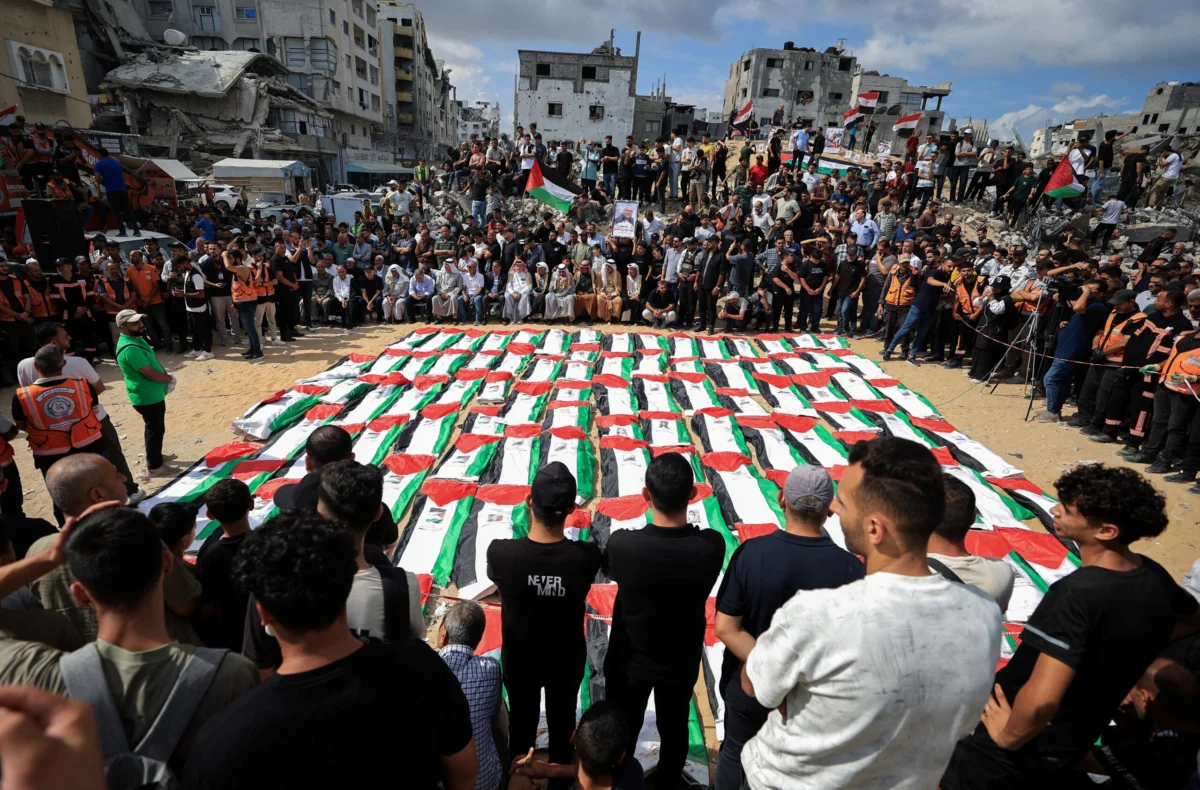
During the interview, Brody, who portrays a rabbi in Nobody Wants This, addressed the highly sensitive and polarizing conflict. When directly asked about his views, he stated, “Put me down as thinking it’s a genocide. Put me down as wanting a free Palestine.” This marks a significant public pronouncement from the actor on a global issue that has deeply divided opinions across various sectors, including the entertainment industry.
Brody elaborated on his personal struggle with the conflict, noting, “It’s awful that it’s taken so much death and misery, but it does feel like it’s reaching a breaking point that it should have a while ago.” He expressed hope that a new U.S. presidential administration could implement policies to improve the situation, indicating a belief that current governmental actions contribute to the ongoing crisis. His comments reflect a growing sentiment among some public figures who are calling for international intervention and a reevaluation of foreign policy concerning the region.
Initial Reluctance and Public Declaration
The actor initially admitted to GQ that he had largely kept his views on the Israel-Gaza situation private. “Truthfully, it hasn’t [come up in my messaging]. I have spoken a lot about it privately. I haven’t spoken much about it publicly,” Brody told the interviewer. His decision to articulate his strong stance during a high-profile interview underscores the increasing pressure on public figures to address geopolitical events, especially those with significant humanitarian implications. This shift from private discourse to public declaration highlights the intensity of the debate and the personal convictions driving some celebrities to speak out despite potential professional ramifications.
Brody’s comments also touched upon a perceived ideological shift in Hollywood. When asked if he thought the industry had become more conservative, he responded, “I guess outspokenly so, yes. Again, as one side has more power, it makes sense that it draws people to it for all the human reasons that would be attractive: groupthink, your own well-being, your own money and success.” He noted that events like the COVID-19 pandemic, the prospect of a second Trump term, and the Israel-Gaza conflict have "brought out some different beliefs that I was ignorant to, and then disheartened by." These remarks suggest a broader disillusionment with certain elements of the industry’s response to contemporary political and social issues.
Context: "Nobody Wants This" and Hollywood’s Shifting Landscape
Brody’s outspokenness on “a free Palestine” comes as his show, Nobody Wants This, prepares for its third season on Netflix. The series, a Jewish rom-com, has garnered critical acclaim, with Brody receiving a 2025 Emmy nomination and winning a Critics Choice Award for Best Comedy Actor in the same year for his performance. The show’s premise, which aims to portray positive Jewish stories, creates a compelling backdrop for Brody’s personal political statement, particularly given the show’s creator’s stated intentions regarding the conflict.
The Series’ Intent vs. Actor’s Views
Erin Foster, the creator of Nobody Wants This, provided insight into the show’s purpose in an August 2025 interview with The Hollywood Reporter. Foster emphasized the importance of telling positive Jewish narratives and explicitly stated her decision to keep the series separate from the complex politics of the Middle East. "It was really important to me and continues to be really important to tell positive Jewish stories. I know that it can be polarizing, but it shouldn’t be. This is not the show to tackle conflict in Israel and Palestine,” Foster explained.
Foster further clarified her position following the October 7 attacks, stating, “And after [the attacks on] Oct. 7 happened, there were conversations around if we were going to dive into it, and the truth is, the way that I can get my message across best is by shedding a positive light on Jewish characters and Jewish traditions. I don’t think somebody watching wants to see another voice give you their opinion on what’s happening.” This intentional separation by the show’s creator highlights a potential divergence in approach between a production’s artistic mission and its actors’ individual political expressions, a dynamic often at play in the entertainment world. Brody’s statement, therefore, stands as a personal declaration, distinct from the thematic scope of the series he stars in.
The Broader Discourse and Celebrity Activism
Brody’s use of the term “genocide” and his call for “a free Palestine” resonate within a highly charged global conversation. The term "genocide" itself is a subject of intense legal and political debate regarding the Israel-Gaza conflict, with international bodies and legal experts holding differing views on its applicability. Proponents of the term often point to the high civilian death toll, displacement, and destruction of infrastructure in Gaza, arguing that these actions meet the criteria for genocidal intent. Critics, including the Israeli government and its allies, vehemently reject the label, citing Israel’s right to self-defense and efforts to minimize civilian casualties, attributing the deaths to Hamas’s tactics.
The phrase "free Palestine" is also widely interpreted in various ways. For many, it signifies an end to Israeli occupation of Palestinian territories, the right to self-determination for Palestinians, and the establishment of an independent Palestinian state. For others, particularly some pro-Israel advocates, the slogan can be perceived as calling for the dismantling of the state of Israel itself, leading to significant controversy and heightened tensions. Brody’s embrace of these terms aligns him with a specific segment of public opinion that is critical of Israeli policies and advocates for Palestinian rights.
Navigating a Polarized Environment
Celebrities increasingly face scrutiny over their political stances, particularly on issues as sensitive as the Israel-Gaza conflict. Public figures like Brody often find themselves caught between their personal convictions and the potential for professional backlash, fan alienation, or even industry blacklisting. The entertainment industry, which often prides itself on progressive values, has shown divisions on this issue, leading to public disagreements, canceled projects, and intense social media campaigns. Brody’s decision to speak out publicly may embolden other figures to share their views or, conversely, could serve as a cautionary tale depending on the subsequent reactions.
His observations about Hollywood’s “outspokenly” conservative shift, driven by “groupthink” and concerns for “money and success,” reflect a common critique from those who feel the industry has become less tolerant of dissenting or unpopular opinions, particularly those that might jeopardize financial interests or alienate powerful groups. This perceived chilling effect on free speech within creative circles is a significant aspect of the current cultural moment, impacting how and when celebrities choose to engage in political discourse.
Potential Repercussions and Industry Response
Adam Brody’s public comments are likely to generate significant discussion, both within the entertainment industry and among the wider public. While his previous work has largely steered clear of overt political statements, this direct declaration places him squarely in the center of a contentious global debate. The immediate repercussions for Brody could range from heightened scrutiny and praise from supporters to criticism and calls for boycotts from those who disagree with his stance.
Netflix, as the platform for Nobody Wants This, typically maintains a neutral corporate stance on political issues, focusing on content production. However, high-profile statements from talent can sometimes put pressure on streaming services or production companies. It remains to be seen if Brody’s remarks will elicit any formal response or if they will be treated as an individual’s personal opinion separate from their professional work. The release of Nobody Wants This Season 3 in October will now occur under the shadow of its star’s controversial political declaration, potentially influencing public perception and media coverage of the show.
The Impact on Public Figures and Productions
The broader impact of Brody’s statements underscores the difficult position many public figures find themselves in. As platforms for widespread communication, celebrities are often expected to use their voices on important issues, yet doing so can carry substantial risks. The ongoing conflict in the Middle East has proven particularly divisive, leading to significant professional consequences for some who have taken strong positions. The entertainment industry continues to grapple with how to balance artistic expression, corporate interests, and the personal political activism of its most visible members. Brody’s declaration adds another notable voice to the chorus of public figures engaging in this challenging and often perilous discourse.