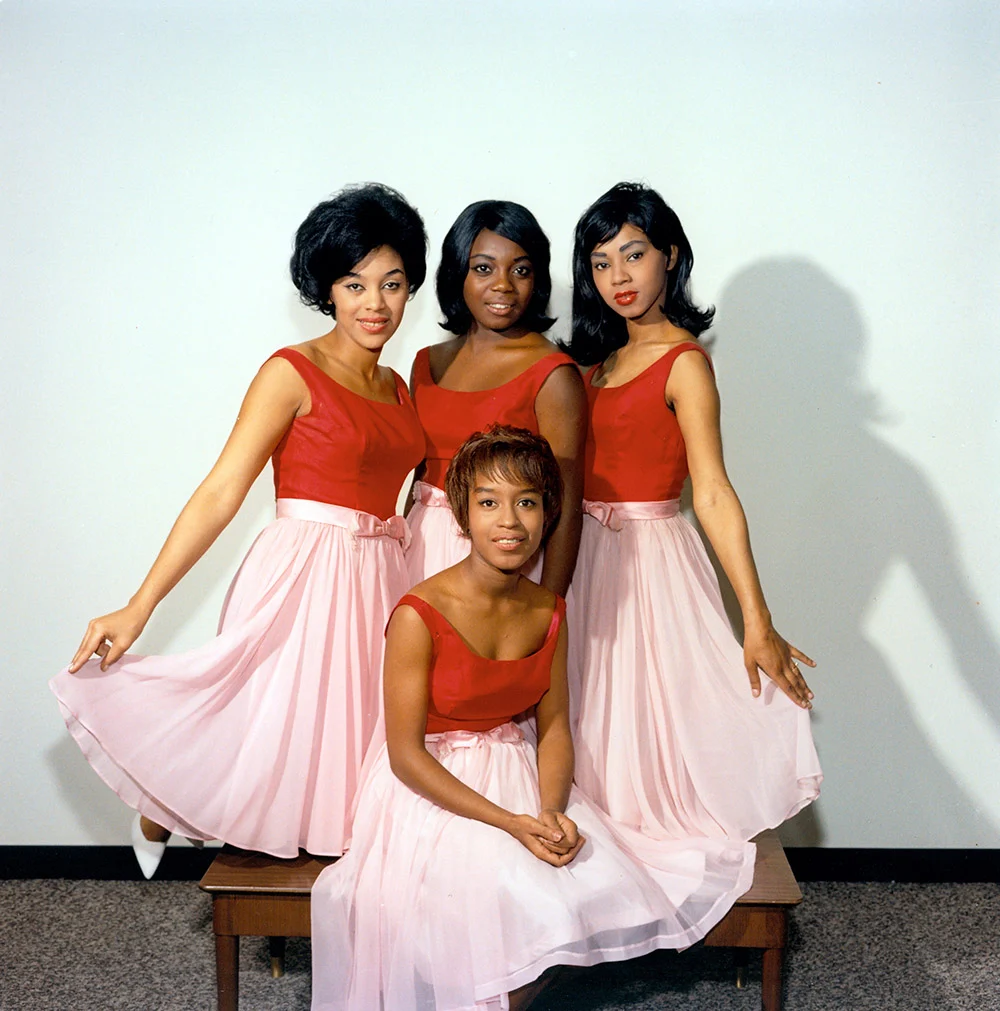
Arlene Smith, the evocative lead vocalist and co-founder of the trailblazing R&B girl group The Chantels, whose poignant voice defined the 1957 classic "Maybe," has passed away at the age of 84. Smith, a pivotal figure in early rock and roll and doo-wop, died on Wednesday from natural causes at a rehabilitation center in her native New York City, following a period of intermittent hospitalizations, according to her friend, Matt Beckoff. Her passing marks the end of an era for one of music’s foundational female vocal groups.
A Bronx Beginning and Classical Roots
Born Arlene Smith on October 5, 1941, in New York City, her journey into music began with a strong foundation in classical training. This rigorous early education culminated in a performance at the prestigious Carnegie Hall at the tender age of 12, an experience that underscored her prodigious talent and vocal discipline. This formal background would later lend a unique depth and sophistication to the raw, emotional sound she would help forge in the burgeoning R&B landscape.
Smith’s musical path soon converged with four other young women: Lois Harris, Sonia Goring, Jackie Landry, and Renée Minus. The quintet had been honing their harmonies for years within the sacred walls of the Saint Anthony of Padua church choir, located on Prospect Avenue and 166th Street in the Bronx. Their collective dedication to vocal precision, nurtured in a spiritual setting, would prove instrumental in their future success. The Bronx, at the time, was a vibrant crucible of musical innovation, particularly for doo-wop and rhythm and blues, providing fertile ground for aspiring vocal groups.
Discovery and the Dawn of The Chantels
The nascent group’s talent did not go unnoticed. In the summer of 1957, their harmonious blend caught the ear of record producer Richard Barrett, a notable member of the doo-wop group The Valentines. Barrett recognized their potential, leading to an audition that would swiftly secure them a recording contract with End Records. This signing marked the official genesis of The Chantels, a name reportedly inspired by the Saint Anthony of Padua school, St. Frances de Chantal.
Their debut single, "He’s Gone," released shortly after their signing, offered an early glimpse into Smith’s songwriting prowess. The track, penned by Smith about a past relationship while she practiced piano, showcased her ability to translate personal experience into universally relatable lyrics. It achieved modest success, peaking at No. 71 on the Billboard Hot 100 in August 1957. While not a blockbuster, it established The Chantels as a group to watch, laying the groundwork for what was to come.
"Maybe": A Defining Moment in Music History
The true breakthrough arrived with their second single, "Maybe." Recorded in a midtown Manhattan church, a common practice for its natural acoustics and often lower cost, the track was released in December 1957. It rapidly ascended the charts, reaching No. 15 on the pop chart and an impressive No. 2 on the Billboard R&B chart. "Maybe" wasn’t just a hit; it was a phenomenon. The song, a heartbreaking ballad about a woman yearning for a lost love, resonated deeply with audiences. Smith’s lead vocal performance on "Maybe" was particularly lauded, her voice conveying a blend of vulnerability and strength that became a hallmark of the group’s sound. The raw emotion, coupled with the group’s tight harmonies, created a sound that was both timeless and innovative.
The profound impact of "Maybe" cannot be overstated. It solidified The Chantels’ position as one of the first female R&B vocal groups to achieve widespread nationwide success, breaking barriers in a male-dominated industry. Its enduring legacy was recognized in 2003 when Rolling Stone magazine ranked "Maybe" at No. 199 on its prestigious list of the "500 Greatest Songs of All Time," a testament to its cultural and artistic significance decades after its release.
Paving the Way for Future Generations

The success of The Chantels, spearheaded by Arlene Smith’s distinctive voice and songwriting, created a vital pathway for subsequent female vocal groups. Their innovative sound and chart performance demonstrated the commercial viability and artistic depth of girl groups, directly inspiring a new wave of artists. Shirley Alston Reeves, the iconic lead singer of The Shirelles, a group that would go on to achieve immense success, openly acknowledged The Chantels’ influence. "They were our inspiration," Reeves once stated, praising their "outrageous" and "angelic" harmonies, which spurred The Shirelles to emulate their vocal precision and emotional delivery.
This ripple effect highlights The Chantels’ crucial role in the evolution of popular music. They helped define the "girl group" sound, blending doo-wop’s intricate vocal arrangements with rhythm and blues’ soulful expressiveness, ultimately shaping the landscape for the burgeoning rock and roll era. Their influence extended beyond just vocal style, impacting songwriting, stage presence, and the overall image of female artists in the music industry.
Post-Breakthrough and Evolving Careers
Following the monumental success of "Maybe," The Chantels continued to build their profile. Their appearance on Dick Clark’s American Bandstand in 1958 provided crucial national exposure, cementing their status as household names. That same year, they released additional singles, including "Every Night (I Pray)" and "I Love You So," which charted at Nos. 40 and 42 on the Hot 100, respectively. While these songs performed creditably, they didn’t quite recapture the meteoric success of "Maybe."
Despite their continued presence on the charts, The Chantels were unexpectedly dropped by End Records in 1959. This decision, not uncommon in the fast-paced and often cutthroat music industry of the time, marked a turning point for the group. Arlene Smith, seeking new artistic avenues, embarked on a solo career, attempting to navigate the music world as an individual artist.
The remaining members of The Chantels, however, persevered as a quartet. They continued to record and perform, and in 1961, achieved another significant hit with "Look in My Eyes," which pushed them back into the Top 20. This demonstrated the enduring appeal of The Chantels’ brand, even in Smith’s absence, though her unique vocal quality remained irreplaceable for many fans.
Arlene Smith’s solo endeavors proved challenging, reflecting the difficulties many early R&B artists faced in sustaining careers outside of established group dynamics. Nevertheless, her passion for music remained. In the 1970s, she fronted another iteration of The Chantels, which notably included Carol Douglas, who would later achieve disco fame with "Doctor’s Orders," and Louise Bethune. This period showcased Smith’s adaptability and her continued desire to create and perform, even as musical tastes evolved.
A Life Beyond the Stage: Education and Legacy
As the 1970s progressed, Arlene Smith made a significant career transition, stepping away from the demanding world of professional music. She dedicated herself to education, becoming an elementary school teacher in the Bronx, the very borough where her musical journey began. Smith taught until her retirement, leaving an impact on countless young lives, just as she had on music audiences worldwide. This pivot underscored a commitment to community and a desire for a different kind of fulfillment, far from the bright lights of the stage. She remained unmarried and had no children, dedicating her life to her passions, both musical and educational.
The lasting legacy of Arlene Smith and The Chantels is undeniable. Their pioneering efforts in breaking ground for female vocal groups earned them a place in the Vocal Group Hall of Fame in 2002. However, despite their profound influence and critical acclaim, full recognition from the music industry’s most prominent institutions proved elusive. The Chantels were nominated for induction into the Rock and Roll Hall of Fame in both 2001 and 2009, making it to the final ballot on both occasions, but ultimately did not receive enough votes for induction. This situation has often sparked debate among music critics and fans, who view their exclusion as a significant oversight, especially given their foundational role in shaping the sound of rock and roll and R&B.
Arlene Smith’s death serves as a moment to reflect on her extraordinary contributions. Her voice, her songwriting, and her indelible presence as a co-founder of The Chantels helped define an era, inspiring generations of musicians and captivating audiences with her profound artistry. Her work remains a testament to the power of authentic expression and the enduring magic of early rhythm and blues. The melodies she helped create, particularly the haunting refrains of "Maybe," continue to resonate, ensuring her place in the pantheon of music legends.